Polytron
Fixed transmitters with gas- and technology-specific configurations.
Explore Polytron Ask about this range
 Dräger
Portable monitors for personal protection. Fixed detectors for continuous gas monitoring.
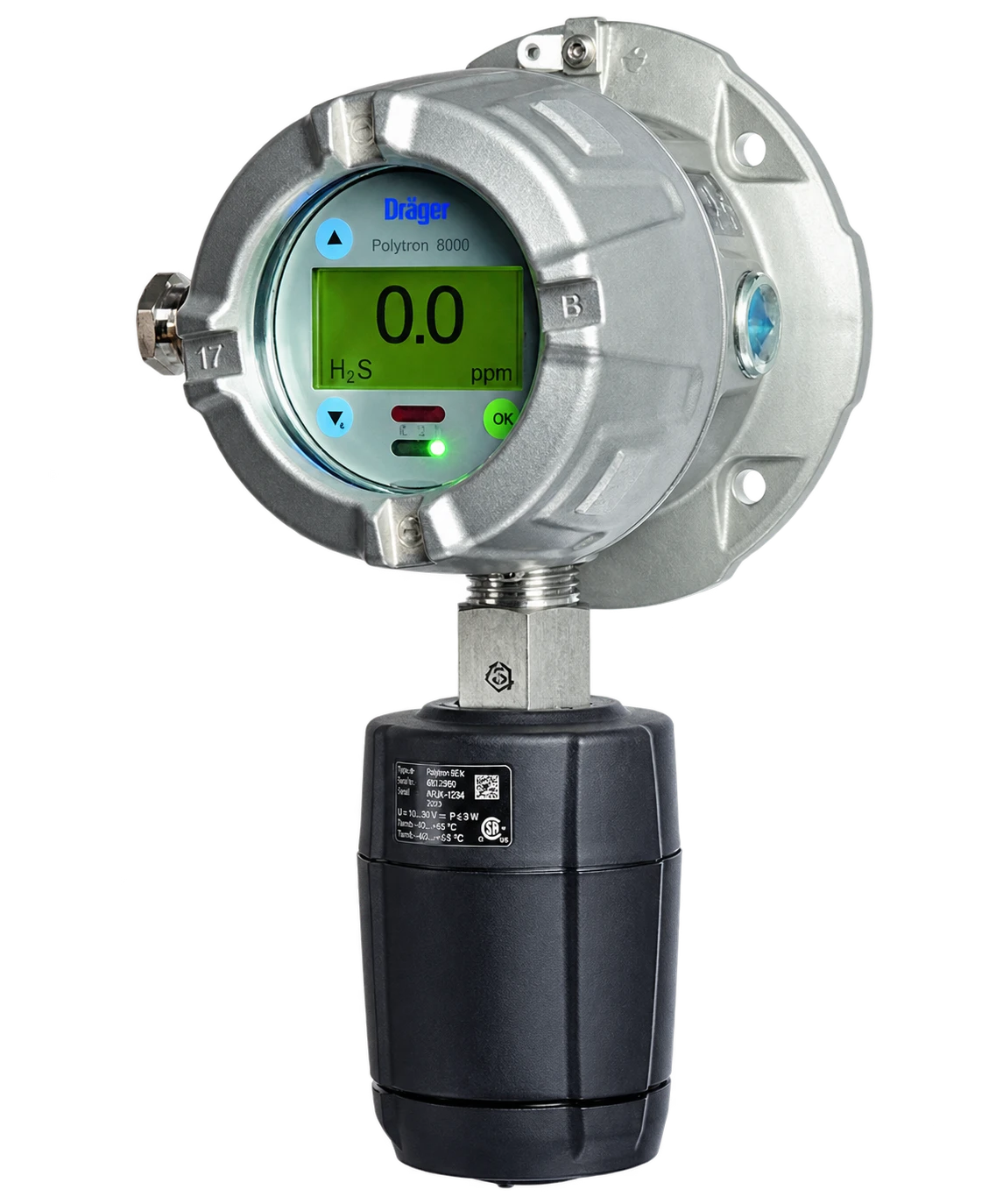
Whether you need to monitor gas levels while you work or protect a fixed location, Dräger offers portable monitors, transmitters and controllers. You can choose sensors for toxic gases, oxygen levels and flammable gases.
Meet the manufacturerFixed transmitters with gas- and technology-specific configurations.
Explore Polytron Ask about this rangeControllers and input/output modules for gas-detection systems.
Explore REGARD Ask about this rangePortable multi-gas and personal single-gas monitoring.
Explore X-am / Pac Ask about this rangeSee how sensor choices differ for toxic gases, oxygen and flammable gases.
Electrochemical sensors measure many toxic gases. Each sensor has a measuring range, environmental limits and sensitivity to other gases.
Oxygen sensors measure the oxygen concentration in the atmosphere. Suitable instruments can warn of oxygen depletion or enrichment.
Catalytic and infrared sensors detect different flammable gases. Infrared sensors do not detect hydrogen; catalytic sensors need oxygen and can be affected by substances that damage the sensing element.
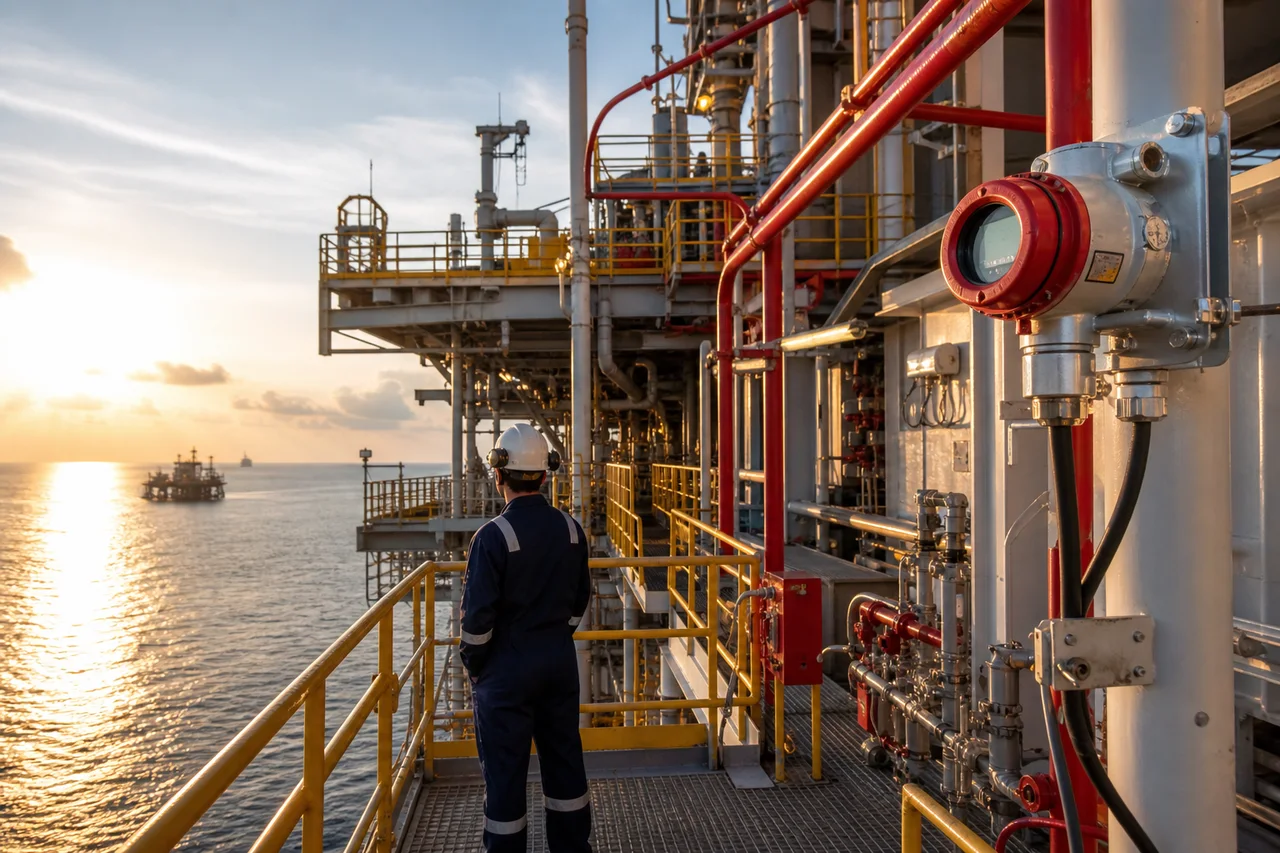
Choose a sensor for the gas and concentration range.
Match transmitter outputs to the controller or safety system.
Define alarms and the required action at each threshold.
Include access, calibration gas and sensor replacement in the plan.
Manufacturer product media, sensor details and downloadable product information.
Open manufacturer resourcesThese approvals cover specified Polytron 8100 EC configurations. SIL 2 performance also depends on the complete safety system and its maintenance.
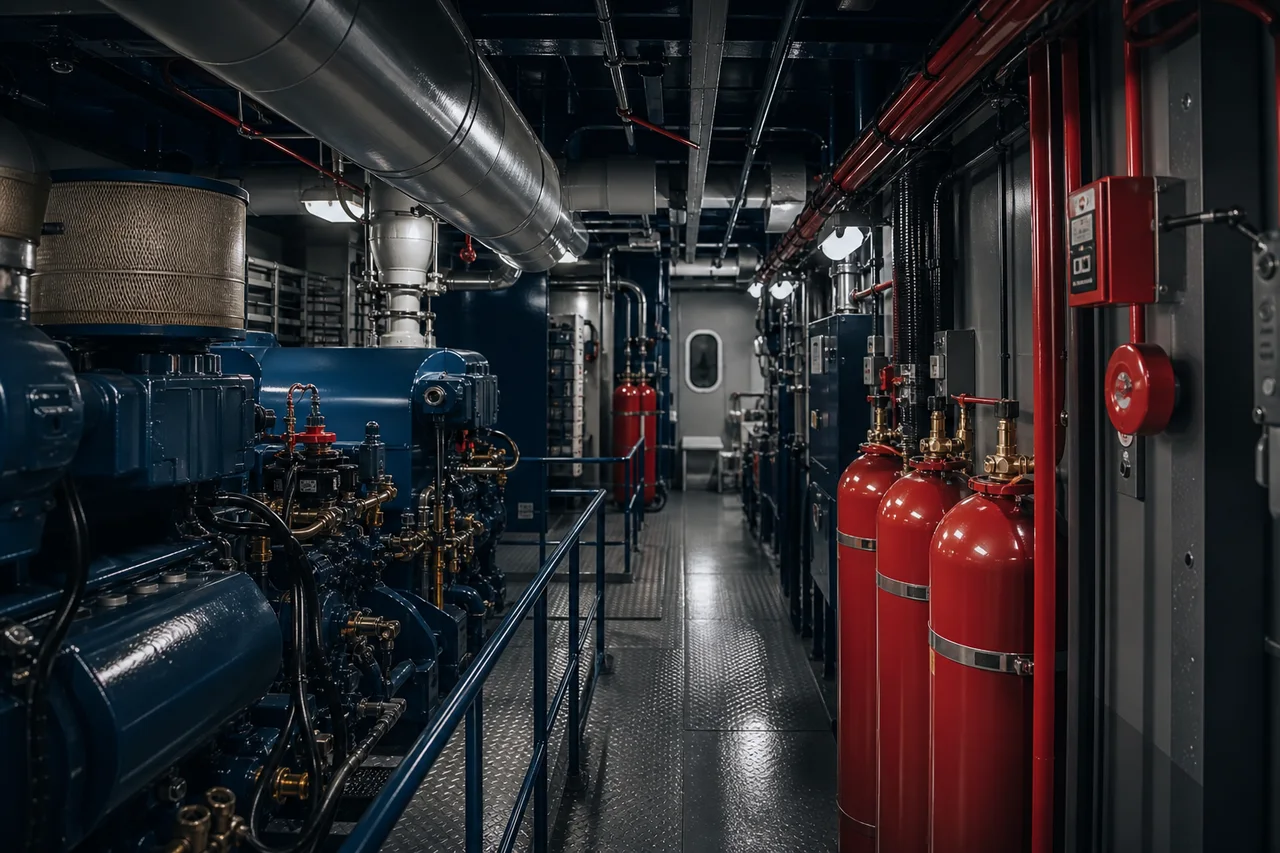
Polytron 5200 CAT offers flameproof gas detection and SIL 2 capability. These ratings apply to the specified model and safety function.
Manufacturer DetailsFirefighter cameras for seeing heat patterns in smoke and darkness.
Explore RangeAsk us about availability and the model requirements for your project.
No. You need a sensor that responds to the gas you’re monitoring. Hydrogen, for example, needs a different sensing approach. Dräger’s gas-specific data helps you choose the right sensor.
No. With a bump test, you check that the instrument responds to test gas. With calibration, you adjust its measurement against a known reference. Follow your instrument’s procedure for each.
No. You need to assess the complete safety function, including its design, installation and maintenance. A SIL-rated transmitter is only one part of that system.
Portable instruments travel with a person or inspection team. Fixed detectors monitor planned positions continuously. Some sites need both; the choice depends on where and when exposure can occur.
Provide the instrument model, sensor part number, target gas and measuring range. Check the required calibration and setup procedure before returning the instrument to service.
Placement depends on potential leak sources, airflow, gas behaviour and access for testing. Use a site assessment and the detector’s installation instructions rather than choosing height from gas density alone.
Start with the gas, concentration range and installation environment.