

Detect hazardous gas concentration or flame and initiate protective action
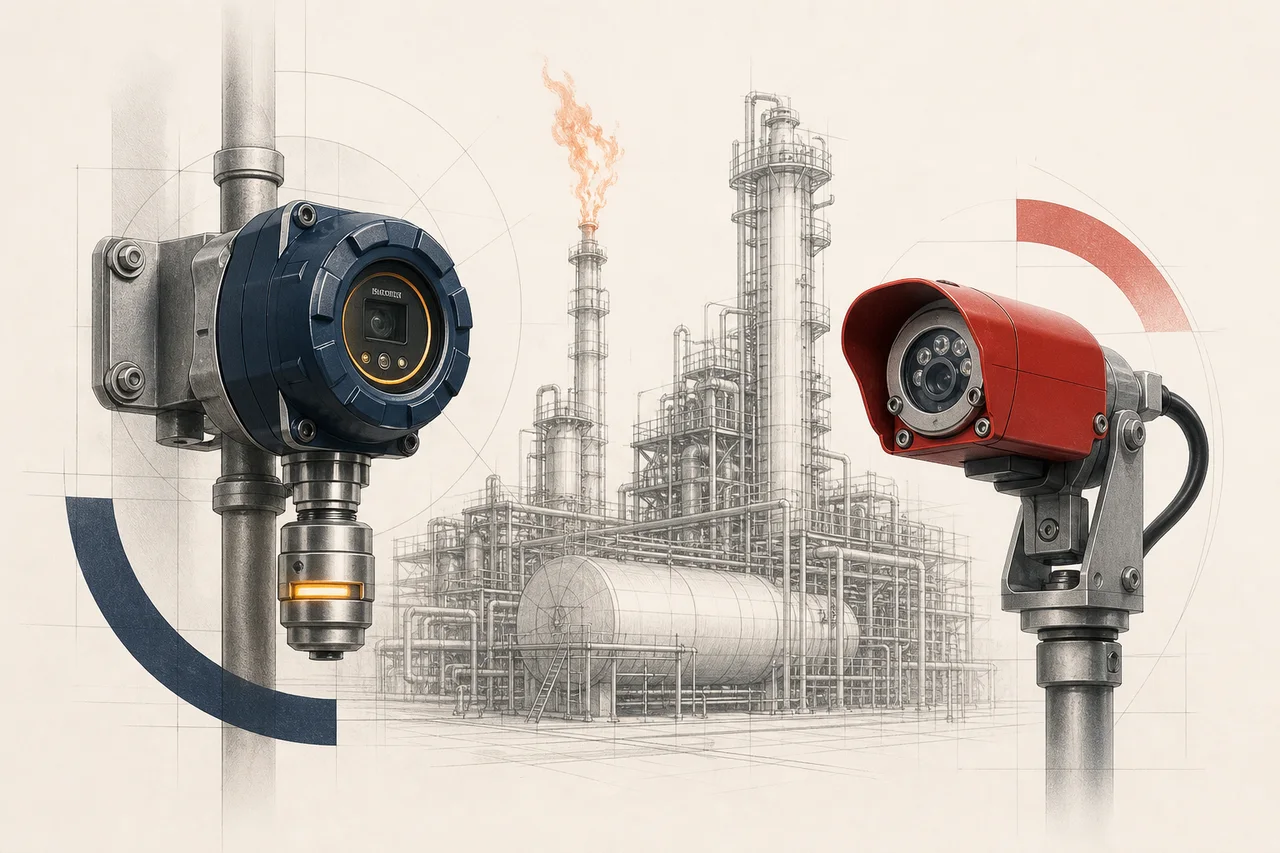
Hazardous-area monitoring
Gas & Flame Detection System
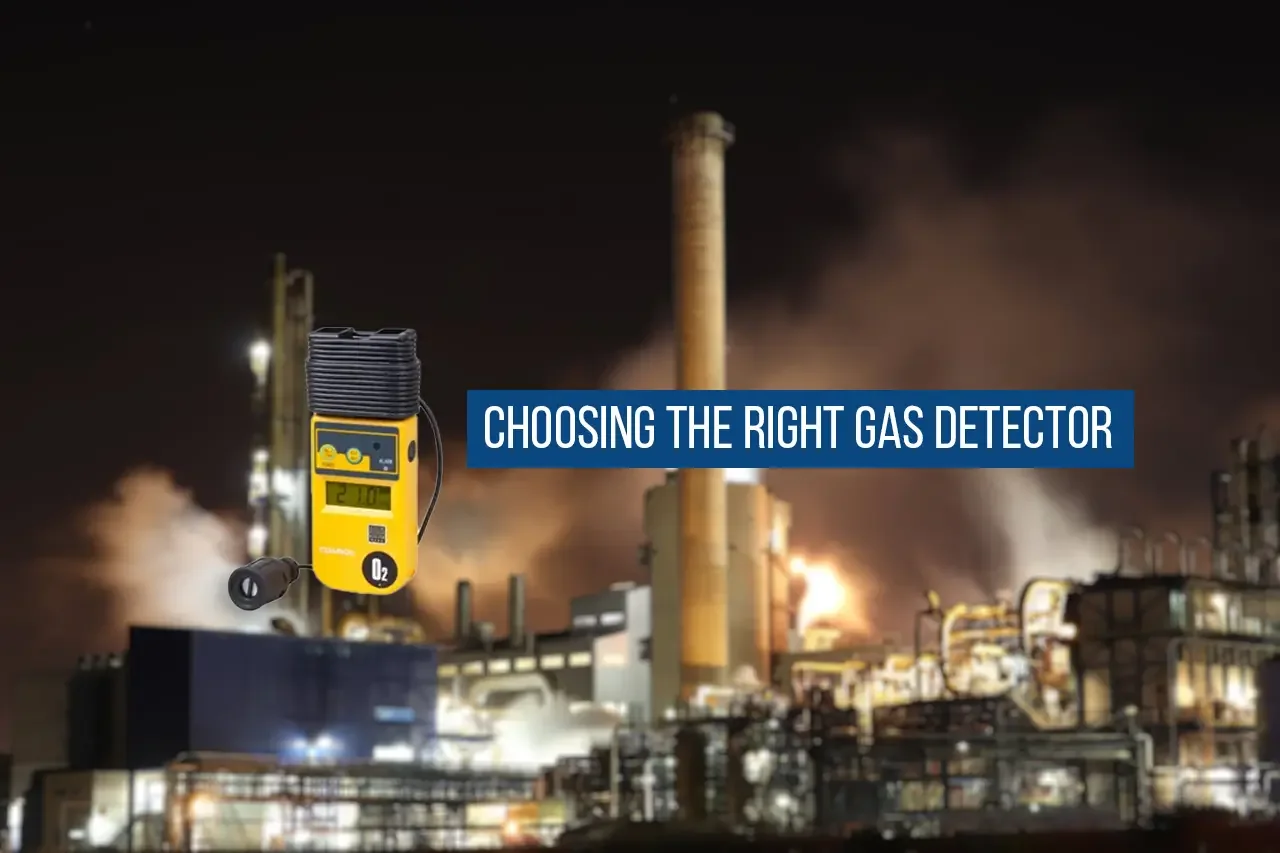
If your site has gas or flame hazards, you need detection that responds to those specific risks. A fire and gas system can warn you about flammable or toxic gas, unsafe oxygen levels or flame, and trigger protective actions. Sensor choice and placement depend on where a release could happen.
System snapshot
Key system characteristics
The same fields are used across every solution guide, making the systems easier to compare without reducing the decision to a single product.
Continuous sensing; manual confirmation or action may follow
No residue or direct environmental impact - the system watches for danger without releasing an agent into your space.
Coverage strongly depends on ventilation and release behavior
Sensor fault, calibration due, signal path, controller and power
Sensor poisoning/depletion, calibration drift and obsolete sensing elements
How the system works
If your site has gas or flame hazards, you need detection that responds to those specific risks. A fire and gas system can warn you about flammable or toxic gas, unsafe oxygen levels or flame, and trigger protective actions. Sensor choice and placement depend on where a release could happen.
Key selection considerations
- 01
Sensor technology: Catalytic, infrared, electrochemical, semiconductor and open-path technologies respond differently to gas, oxygen, poisoning, humidity and background conditions.
- 02
Coverage mapping: Coverage mapping should consider release rate, ventilation, buoyancy, obstructions and detector availability - not only a fixed spacing rule.
- 03
Field of view: Flame detectors need an unobstructed field of view and analysis of hot work, sunlight, flare and process false-alarm sources.
- 04
Safety shutdowns: A safety-related shutdown function requires lifecycle management, proof-test coverage and independence appropriate to the claimed risk reduction.
System anatomy
System components and approvals
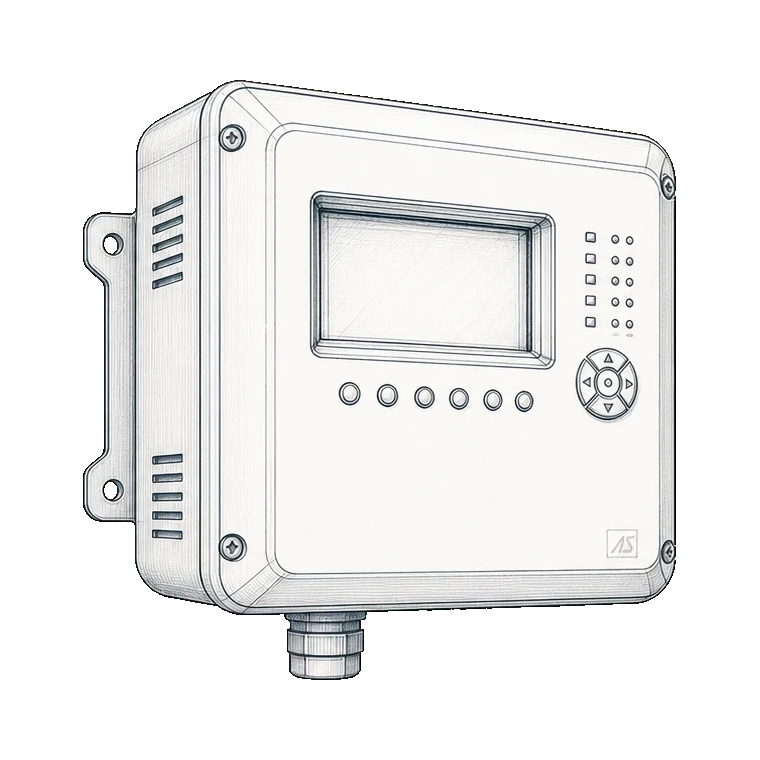
Fixed gas detectors and transmitters
Require gas-performance and hazardous-area certification appropriate to gas group, zone/division and ambient range.
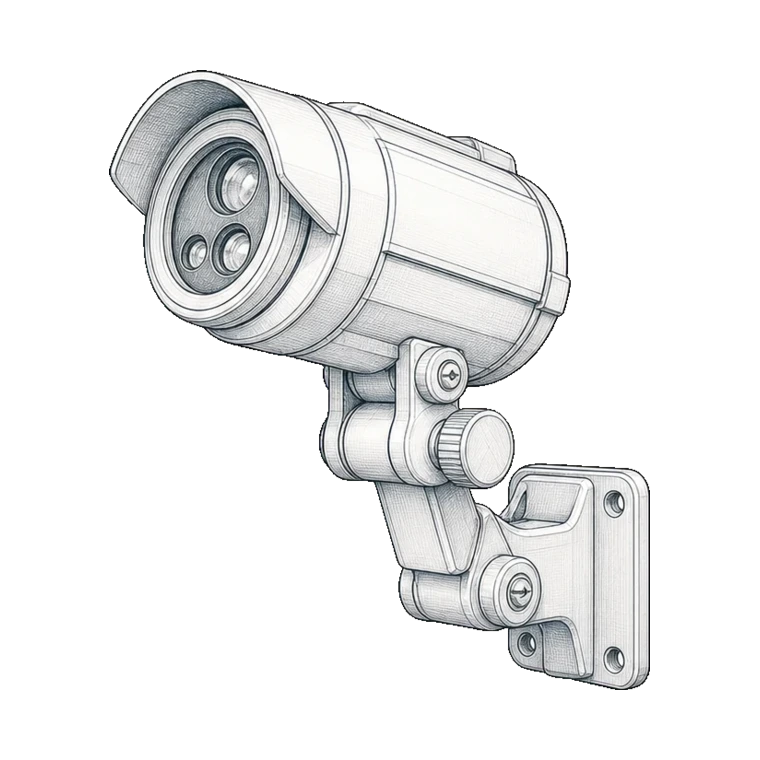
Flame detectors
Verify flame-response performance, field of view and hazardous-area approval for the exact model.
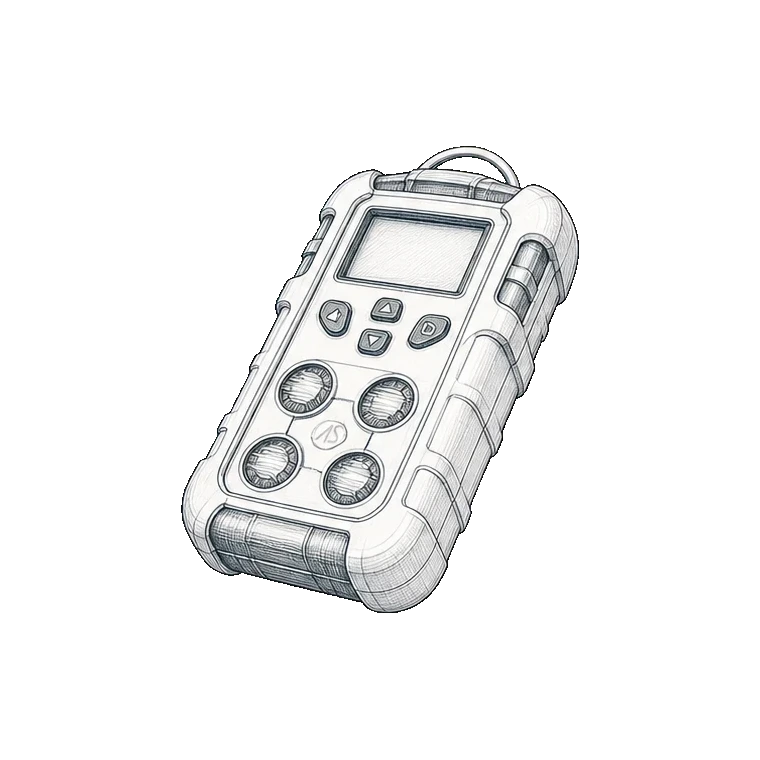
Portable gas detectors
Require suitable gas channels, performance approval, hazardous-area certification and managed bump/calibration records.
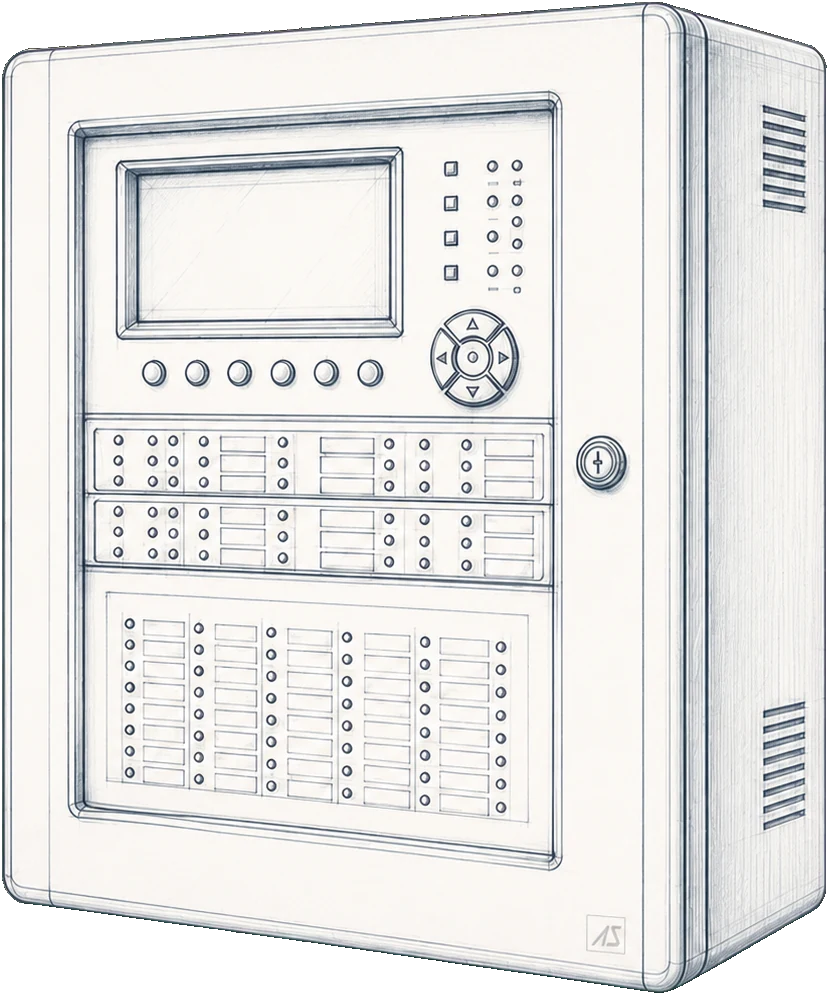
Controllers, logic solvers and I/O
Functional-safety capability and system architecture must match the required safety function.
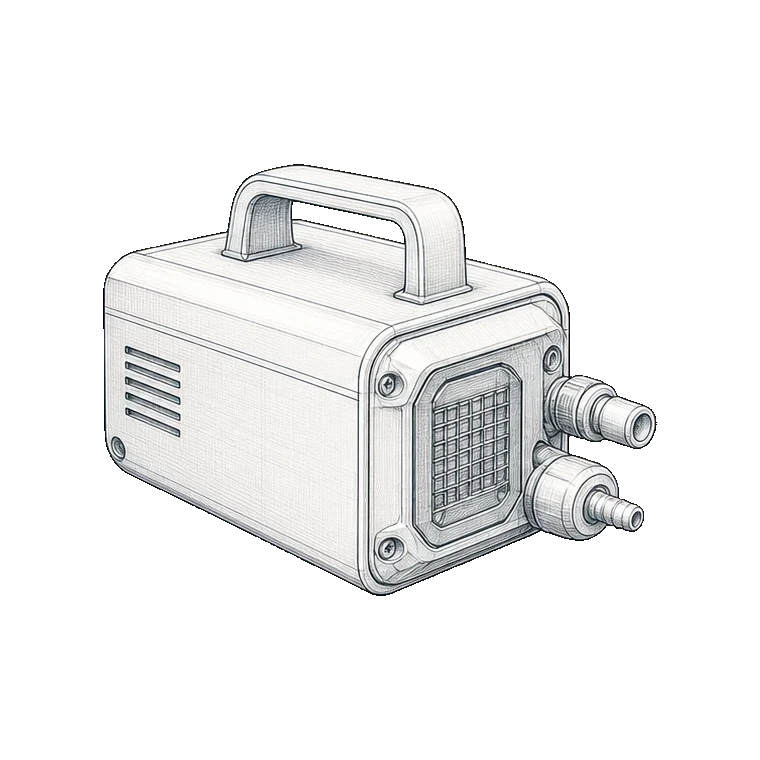
Sampling systems and accessories
Tubing, filters, pumps and sample conditioning affect response time and measurement validity.
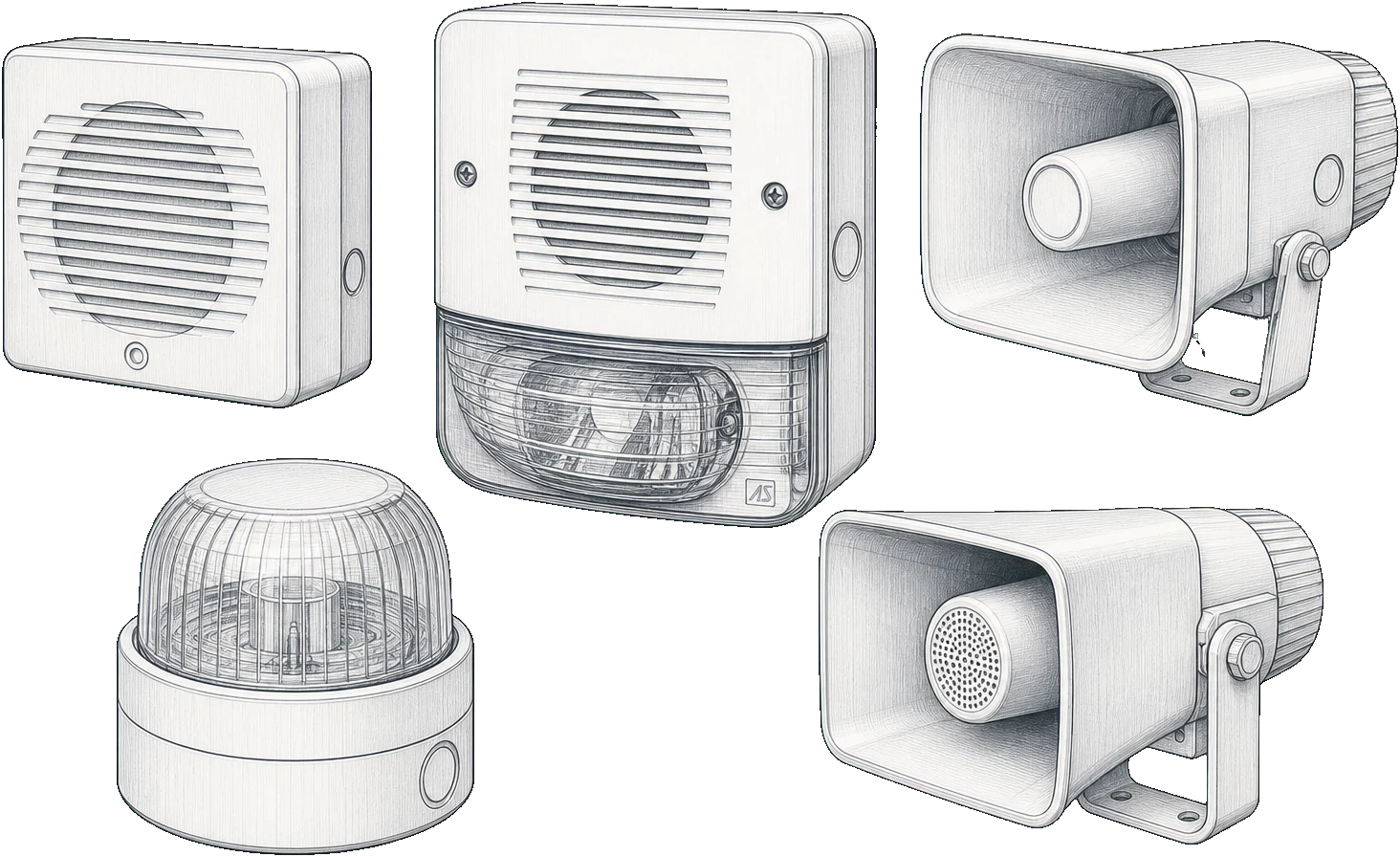
Sounders, beacons and shutdown interfaces
Use approved hazardous-area devices and validated fail-safe logic where applicable.
Approval families
Typical approvals and certification requirements
- IEC 60079-29 performance requirements for gas detection equipment
- ATEX, IECEx or regional hazardous-area certification for installed locations
- IEC 61508 / IEC 61511 functional-safety evidence where the system performs a safety instrumented function
- FM, UL, marine type approval or project-specific performance approval where required
Governing rules
Codes, standards and project rules
- 01
Hazardous-area selection follows the applicable IEC 60079, ATEX, NEC/CEC or local classification regime.
- 02
IEC 60079-29-3 provides guidance when fixed gas detection is used in a safety-related application with IEC 61508/61511.
- 03
Alarm setpoints and actions should follow the process safety basis, exposure limits, fire and gas philosophy and authority requirements.
Design information
Information needed to design and quote the system
Complete inputs reduce assumptions, expose interface risks early and make competing proposals meaningfully comparable.
- 01
Target gases, ranges, exposure or flammability limits and expected flame fuels
- 02
Release scenarios, ventilation, congestion and fire-and-gas coverage study
- 03
Hazardous-area zone/division, gas group, temperature class and ambient range
- 04
Alarm setpoints, voting, shutdowns and required safety integrity
- 05
Response time, calibration gas, access and environmental conditions
- 06
Controller, communication protocol, historian and maintenance workflow
Inspection, testing and maintenance
Inspection, testing and maintenance requirements
Frequency and method must follow the adopted standard, authority conditions and manufacturer instructions. These recurring activities belong in the maintenance plan.
- 01
Perform visual inspections, bump tests, calibration and proof tests at risk- and manufacturer-defined intervals.
- 02
Use traceable, in-date calibration gas of the correct concentration and balance gas.
- 03
Verify alarm setpoints, indication, voting, shutdown outputs, communication failure and inhibited states.
- 04
Track sensor age, exposure, poisoning, drift and failed-calibration history to plan replacement.
Mapped manufacturers
See all brands
Brands that support this solution
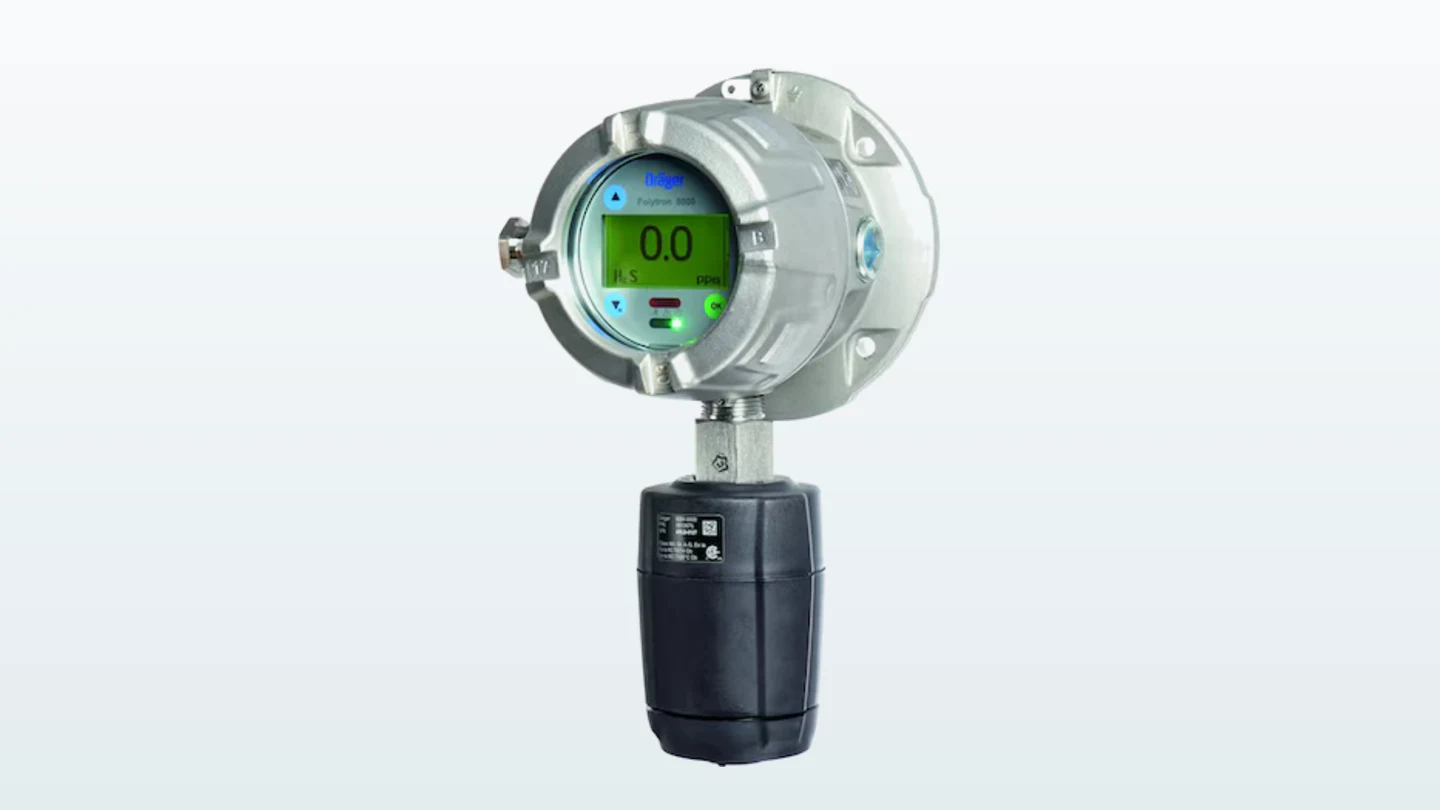

Fixed and portable gas detection for demanding environments.
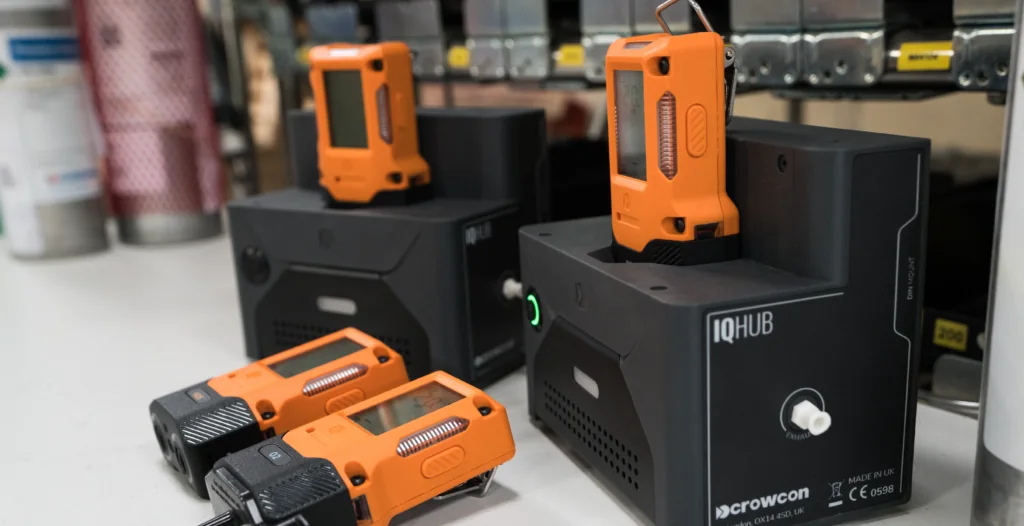
Crowcon
Crowcon for gas and flame detection.
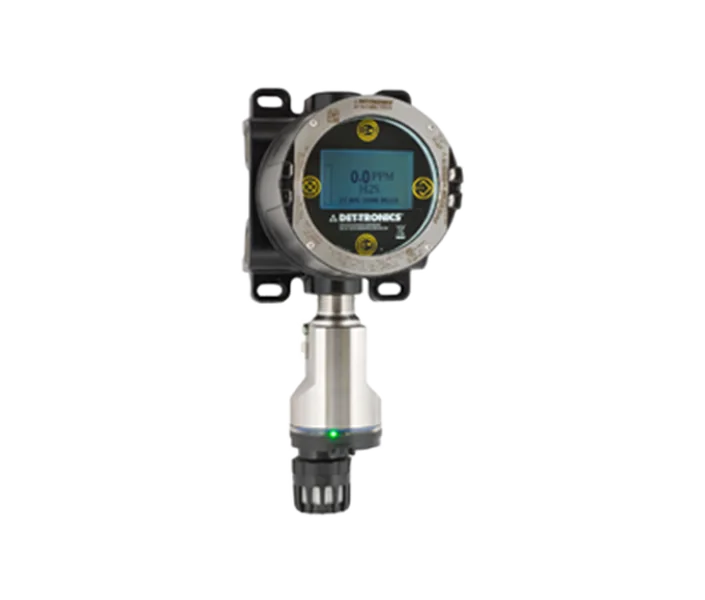
Det-Tronics
Det-Tronics for gas and flame detection.
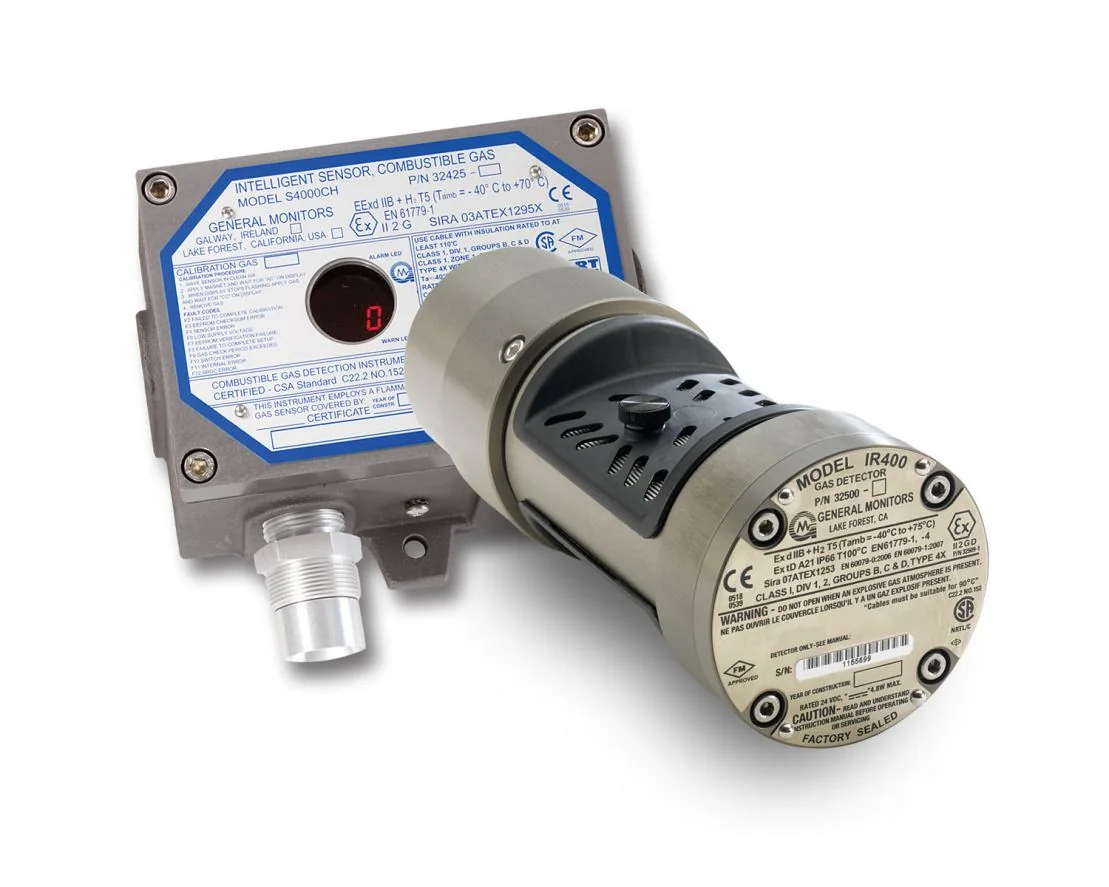
General Monitors
General Monitors for gas and flame detection.
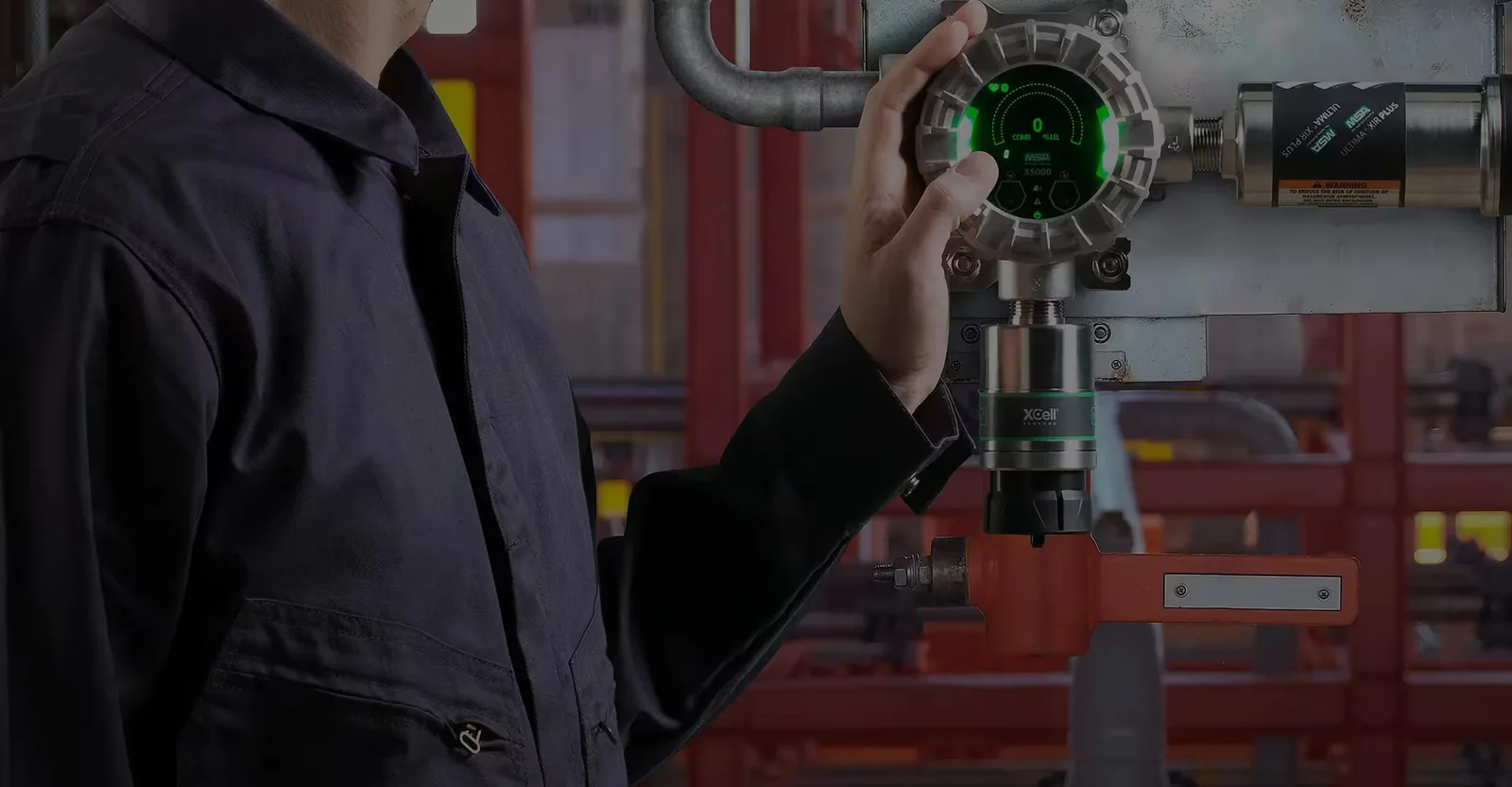
MSA Safety
MSA Safety for gas and flame detection.
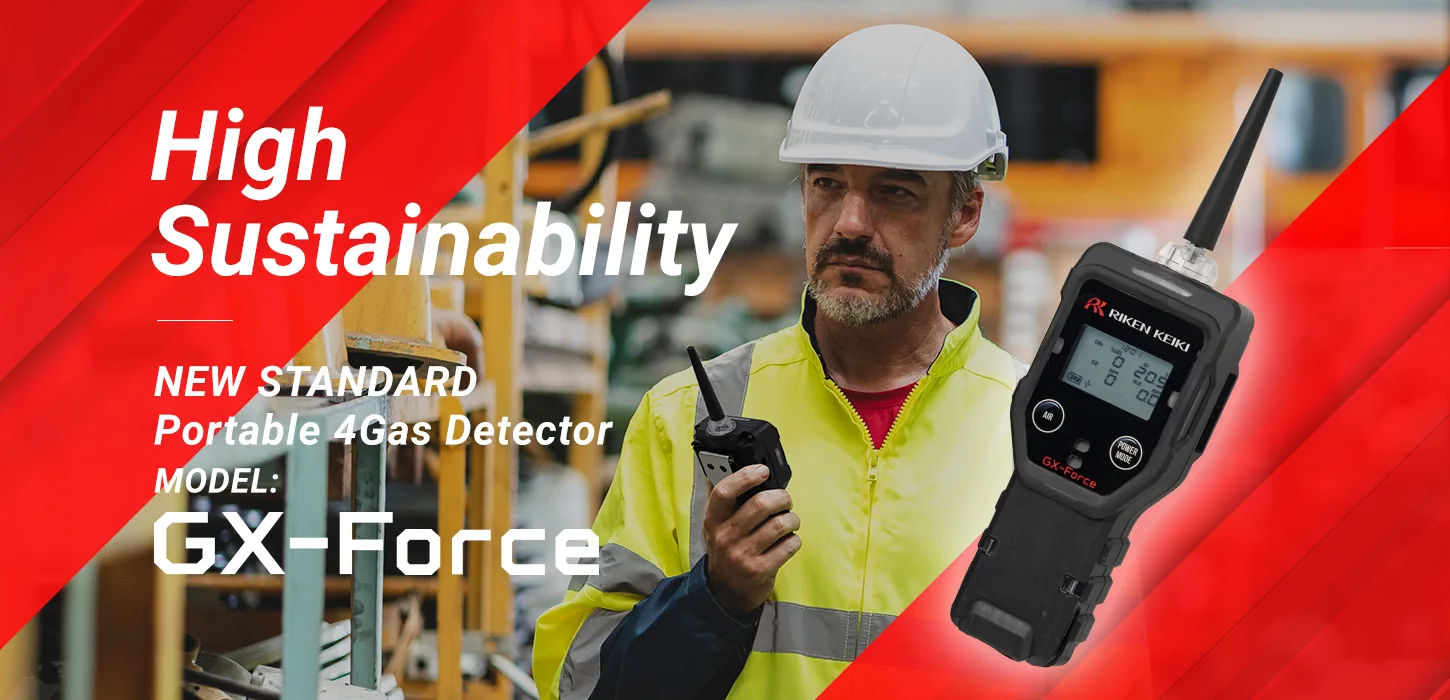
Riken Keiki
Riken Keiki for gas and flame detection.
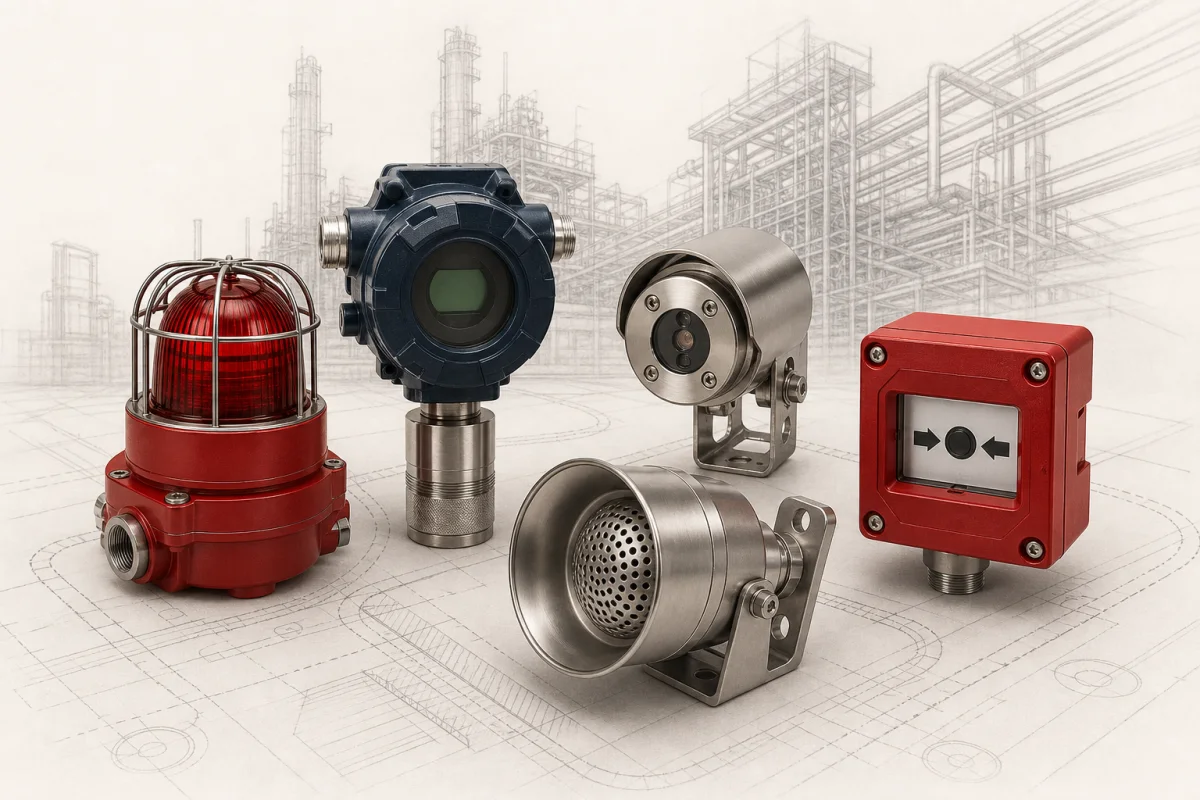
RKI Instruments
RKI Instruments for gas and flame detection.
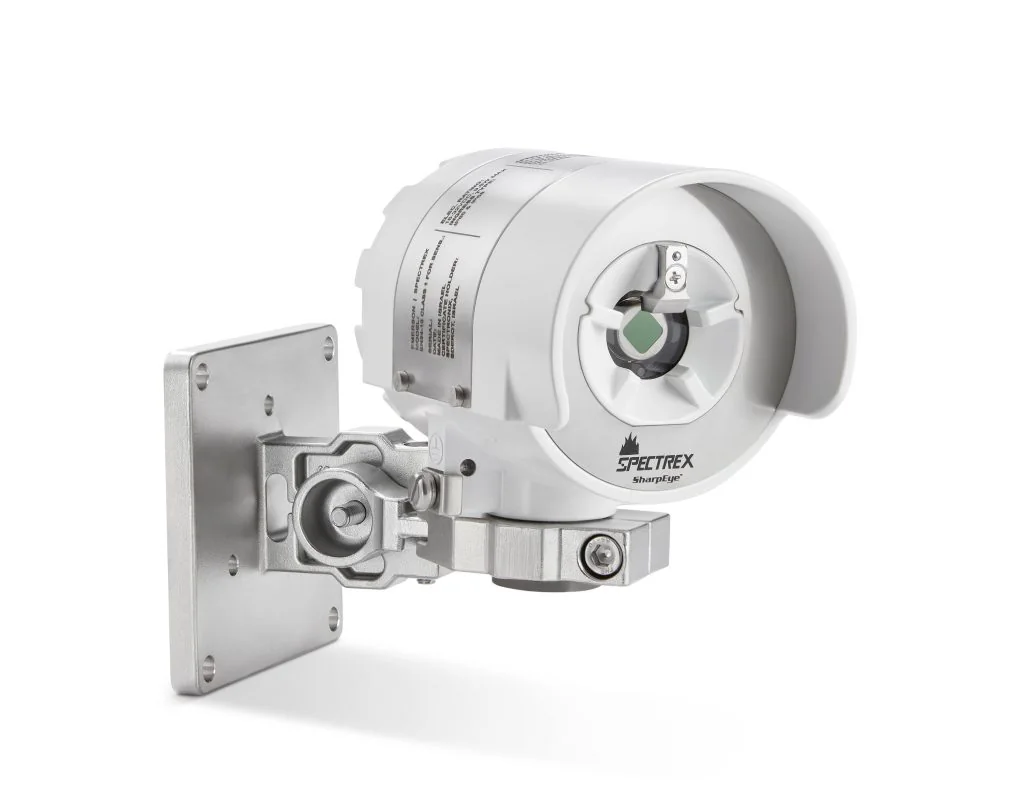
Spectrex
Spectrex for gas and flame detection.
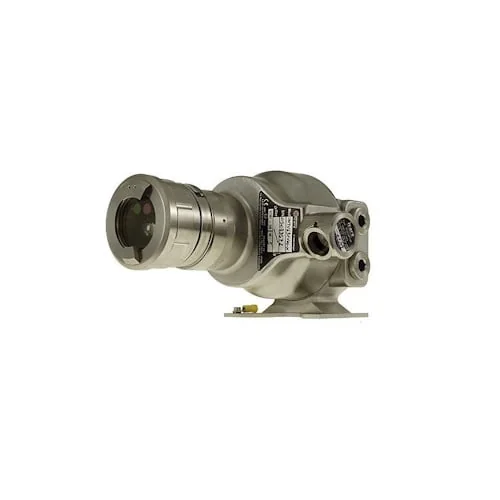
Simtronics
Simtronics for gas and flame detection.
GMI
GMI for gas and flame detection.
Net Safety
Net Safety for gas and flame detection.
Range, approval, territory and project suitability remain model-specific and are confirmed for each enquiry.
Delivery and lifecycle services
Services needed across the system lifecycle
Appointments, licences and authority requirements vary by country. We confirm what the service must include before work starts.
Solution designFire safety drawings, calculations, equipment schedules and approval documents for coordinated projects.
Land installationInstallation, integration, testing and handover of building and industrial fire safety systems.
Marine installationMarine fire-system installation and replacement with flag, class and vessel requirements addressed.
Testing and commissioningDevice, circuit, interface and cause-and-effect testing with traceable commissioning records.
Statutory system testing and maintenanceScheduled inspection, testing, maintenance and defect reporting for installed fire safety systems.
System certification supportProduct, design, installation and test evidence prepared for authority, class or certification review.
TrainingPractical, system-specific training for operators, facilities teams, technicians and emergency responders.
PLC programming and integrationPLC logic, fire-system interfaces, acceptance testing, backups and controlled change records.
Research basis
Standards and official references
These sources establish the system context. Verify the edition adopted by the project and the current certificate for the exact model.
Related knowledge
Knowledge base
Related technical guides
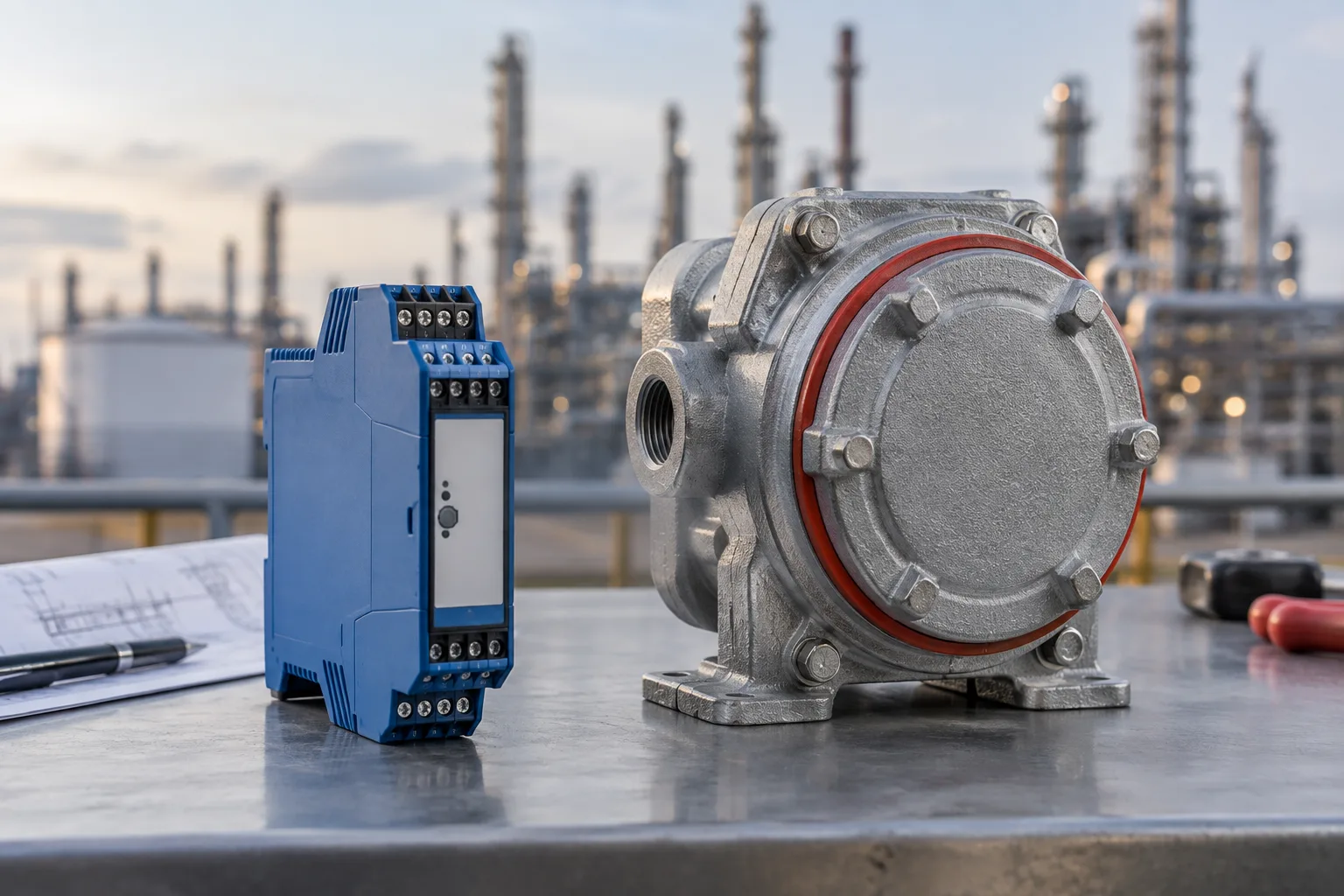
Intrinsically safe vs explosion-proof protection
Separate IS and Ex protection concepts, labels and application limits.
Read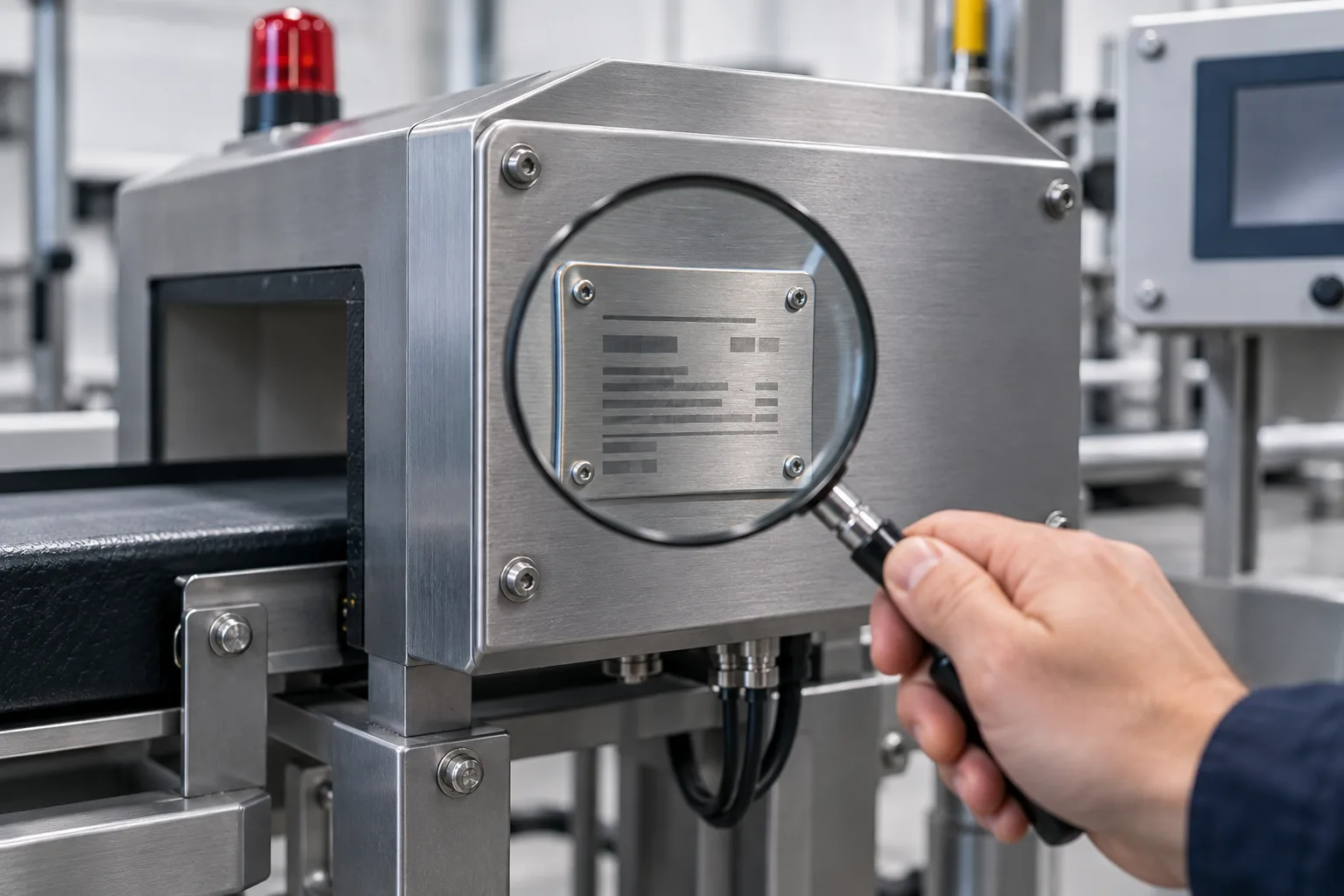
How to read an Ex label
A part-by-part orientation to common IECEx and ATEX equipment markings.
Read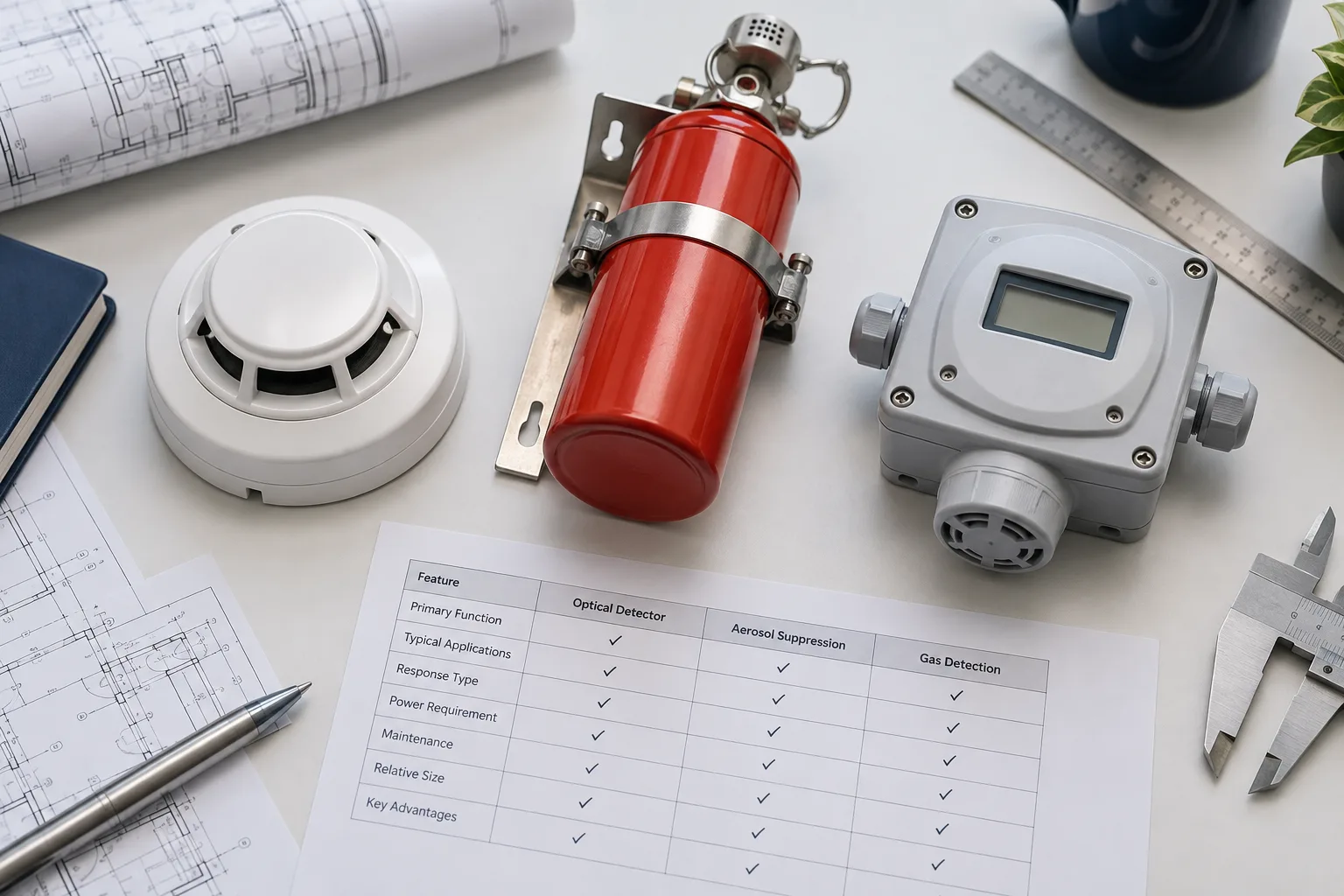
How we compare fire safety solutions
Compare fire safety systems for your building, from product approvals and installation to maintenance and cost.
ReadCommon Questions
Frequently Asked Questions
How are gas detector locations selected?
From release and dispersion behavior, ventilation, gas density, congestion, access and the coverage objective - not a single generic mounting height.
Is a bump test the same as calibration?
No. A bump test confirms response and alarm operation; calibration adjusts the measurement against a known reference gas.
What does SIL approval mean for a detector?
It is evidence relevant to functional-safety use under stated conditions. The complete safety function still requires architecture, calculation, proof testing and lifecycle management.