

Make the fire warning perceivable to people not reliably served by audible alarms
Inclusive life safety
Accessible Fire Warning System
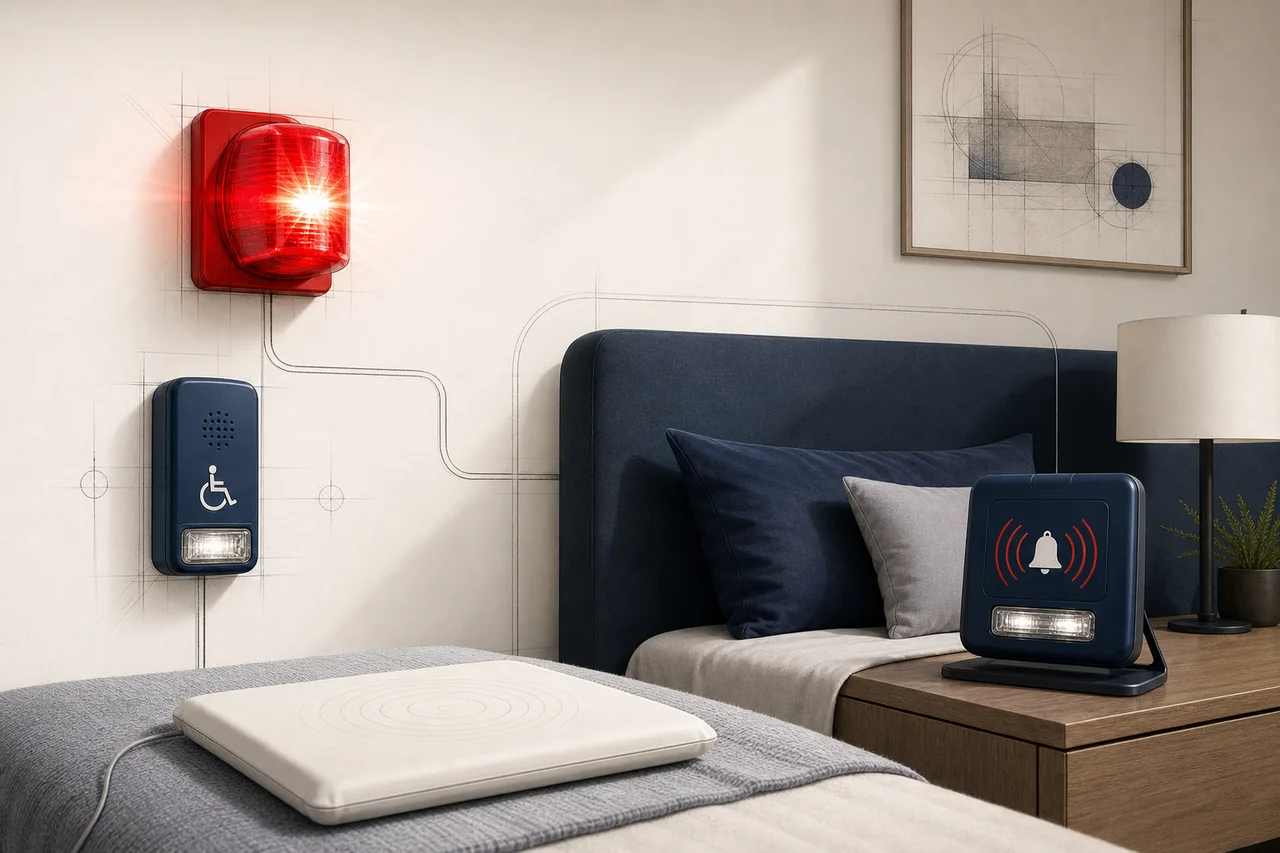
An audible alarm may not reach everyone who uses your building. You can add visual, vibrating or tactile warnings for people who are deaf, hard of hearing, asleep or isolated. The right choice depends on the person, room and how the space is used.
System snapshot
Key system characteristics
The same fields are used across every solution guide, making the systems easier to compare without reducing the decision to a single product.
Building fire alarm, sound recognition or dedicated transmitter
None
Room layout and occupant position determine coverage
Power, radio/link supervision and device readiness vary by product
Batteries, user handover, radio compatibility and room-use changes
How the system works
An audible alarm may not reach everyone who uses your building. You can add visual, vibrating or tactile warnings for people who are deaf, hard of hearing, asleep or isolated. The right choice depends on the person, room and how the space is used.
Key selection considerations
- 01
Actual coverage: A strobe visible in one position may not cover a sleeping occupant, bathroom or partitioned room.
- 02
Sound recognition: Sound-activated devices can be useful in existing buildings but require correct recognition settings and testing against the actual alarm pattern.
- 03
Personal receivers: Personal receivers need ownership, charging, handover and evacuation procedures; technology alone does not resolve the response plan.
- 04
Visual alarm safety: Photosensitive epilepsy considerations, flash synchronization and local visual-alarm rules must be reviewed.
System anatomy
System components and approvals
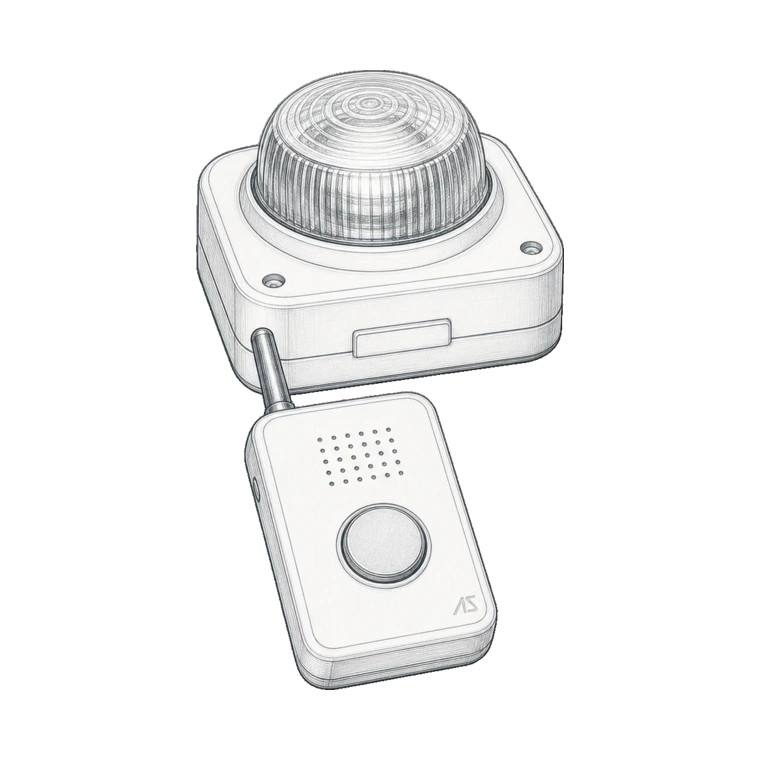
Visual alarm devices
Use approved devices with documented light-distribution coverage.
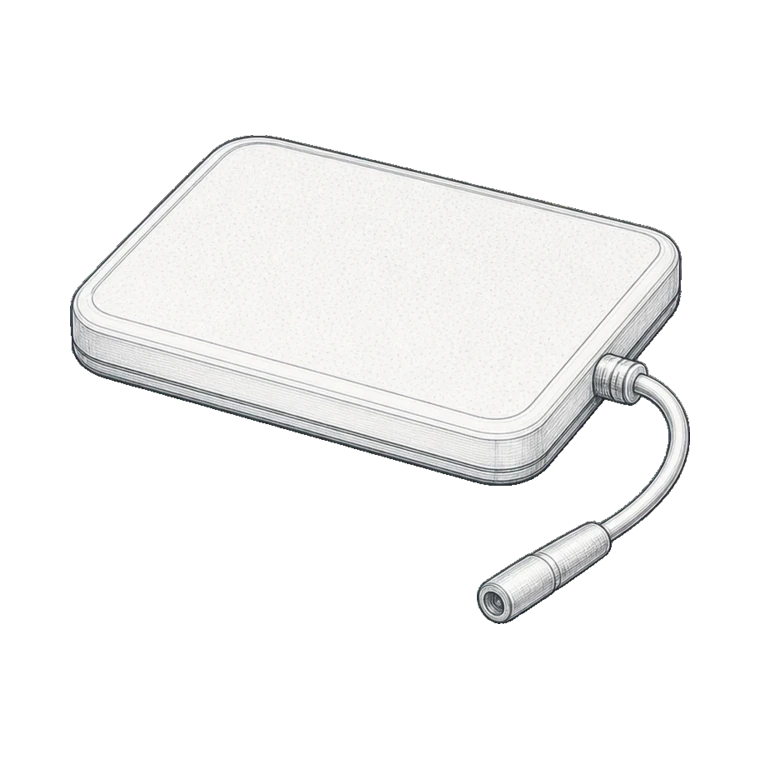
Vibrating pads and tactile receivers
Verify the product's intended sleeping/occupancy use, power supervision and alarm link.
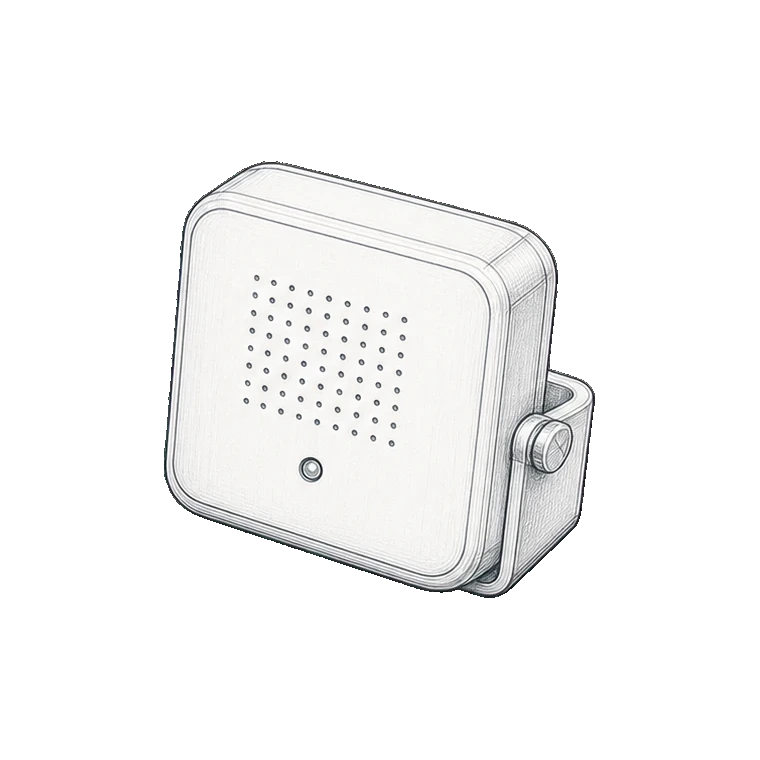
Sound monitors or radio transmitters
Confirm how building alarm operation is detected and how loss of link or power is indicated.
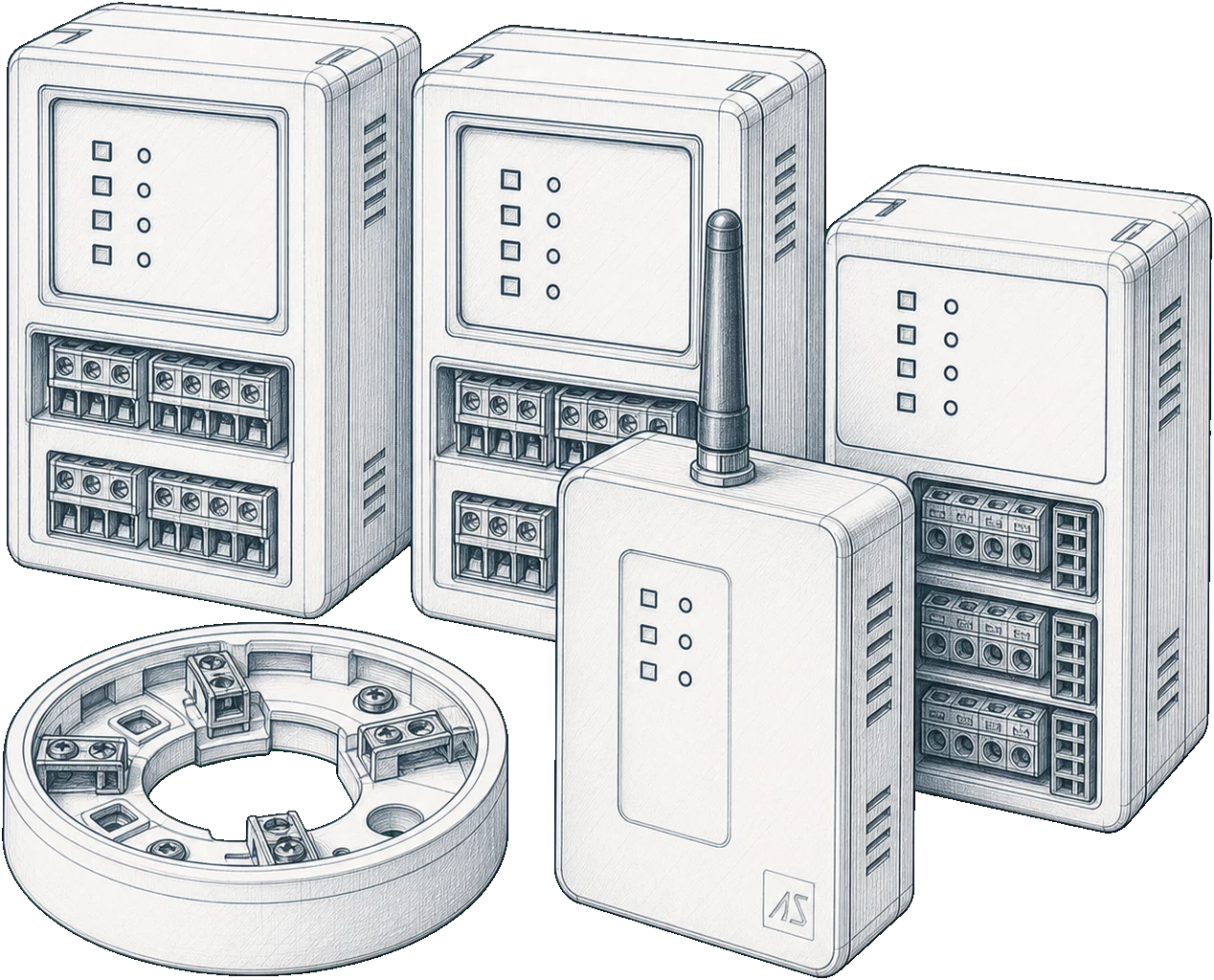
Fire alarm interfaces
System-connected interfaces should be approved and supervised where relied upon.
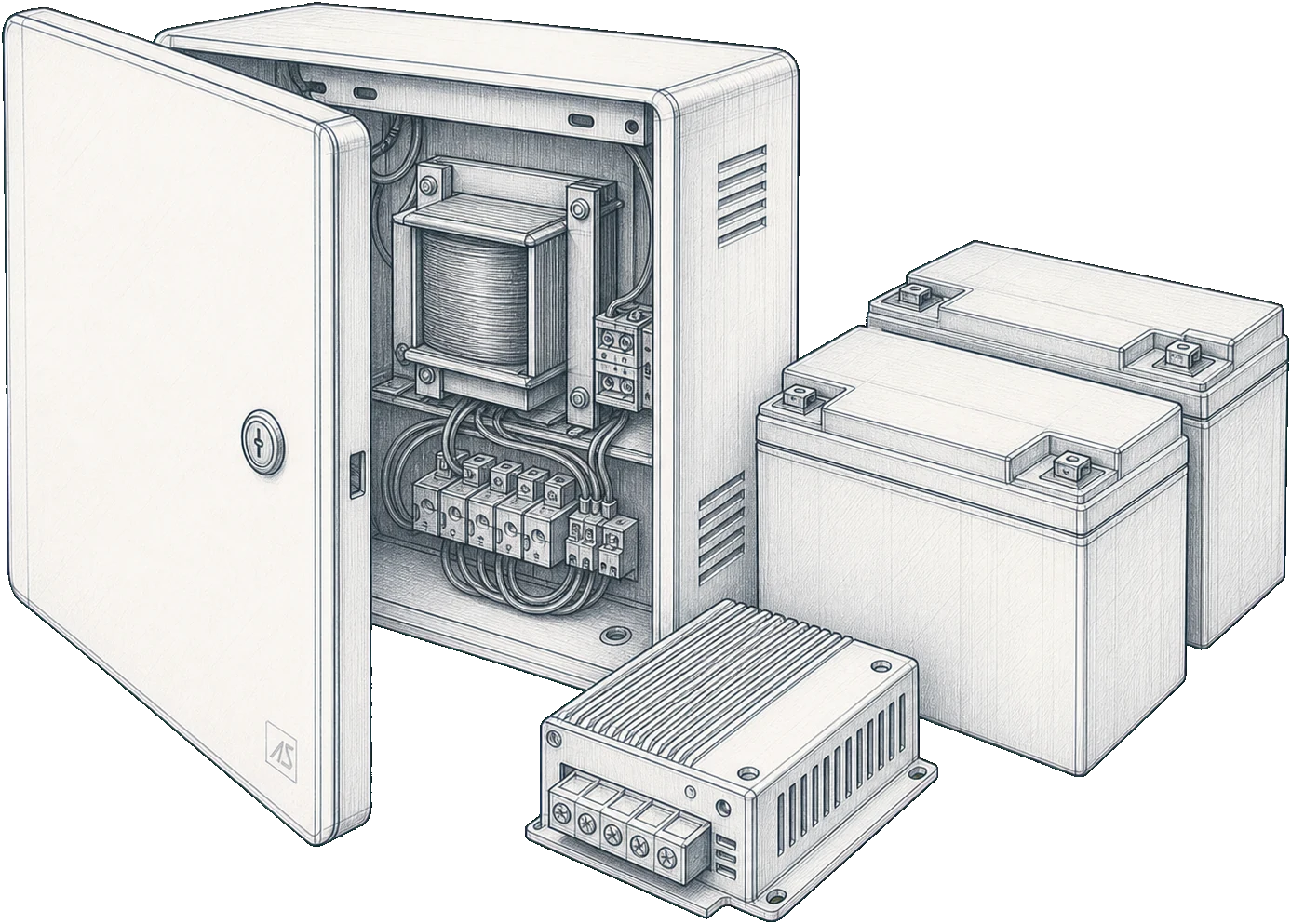
Local power, batteries and charging equipment
Standby capacity and fault indication should meet the intended application.
Approval families
Typical approvals and certification requirements
- ISO 7240-23 / EN 54-23 visual alarm device performance where applicable
- NFPA 72 notification requirements and adopted accessibility rules
- ADA or local accessible-building requirements for relevant US projects
- Product electrical, radio and system-compatibility approvals
Governing rules
Codes, standards and project rules
- 01
Accessibility obligations are jurisdiction- and occupancy-specific and may extend beyond fire codes.
- 02
ISO 7240-23 addresses visual alarm device performance, while installation coverage and placement follow the adopted design code.
- 03
Accessible warning must not silently replace required building-wide alarm functions unless explicitly accepted by the authority.
Design information
Information needed to design and quote the system
Complete inputs reduce assumptions, expose interface risks early and make competing proposals meaningfully comparable.
- 01
User needs, occupancy, sleeping/waking condition and evacuation method
- 02
Room layouts, bed positions, bathrooms, partitions and ambient light/noise
- 03
Existing alarm type, tone/pattern and available supervised interfaces
- 04
Visual coverage, vibrating warning devices and synchronisation
- 05
Power, charging, radio range, fault indication and device ownership
- 06
Testing, staff procedure, guest/resident handover and replacement plan
Inspection, testing and maintenance
Inspection, testing and maintenance requirements
Frequency and method must follow the adopted standard, authority conditions and manufacturer instructions. These recurring activities belong in the maintenance plan.
- 01
Test with the actual building alarm input and verify the visual, vibrating or tactile output at the intended user position.
- 02
Inspect batteries, charging indicators, radio links, sound recognition and any supervised interface.
- 03
Reassess coverage when rooms, beds, partitions or occupants change.
- 04
Record device assignment, user briefing, defects and temporary compensating arrangements.
Mapped manufacturers
See all brands
Brands that support this solution
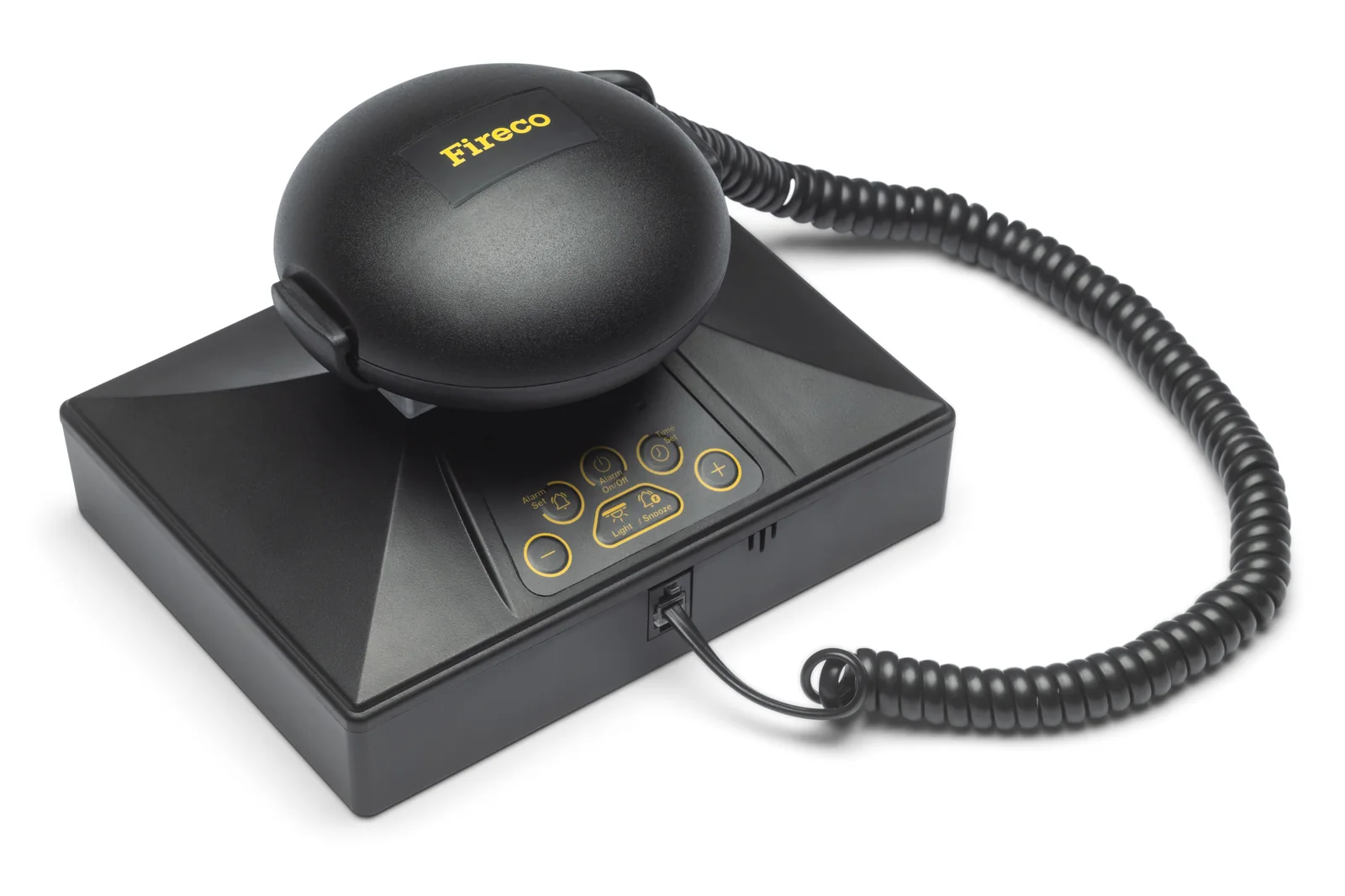
Deafgard
Vibration and visual warning for deaf and hard-of-hearing people.
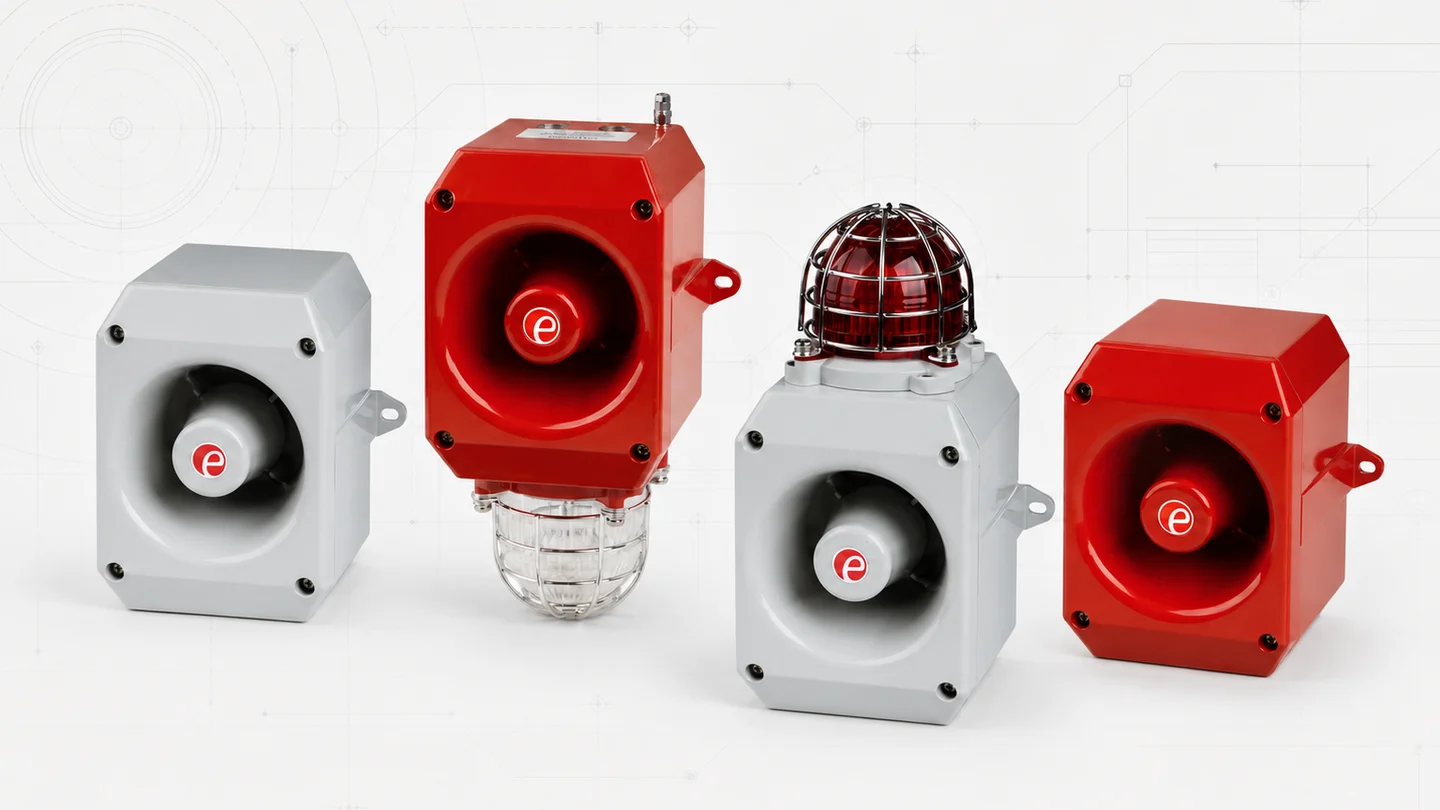

Audible and visual warning selected for the marine environment
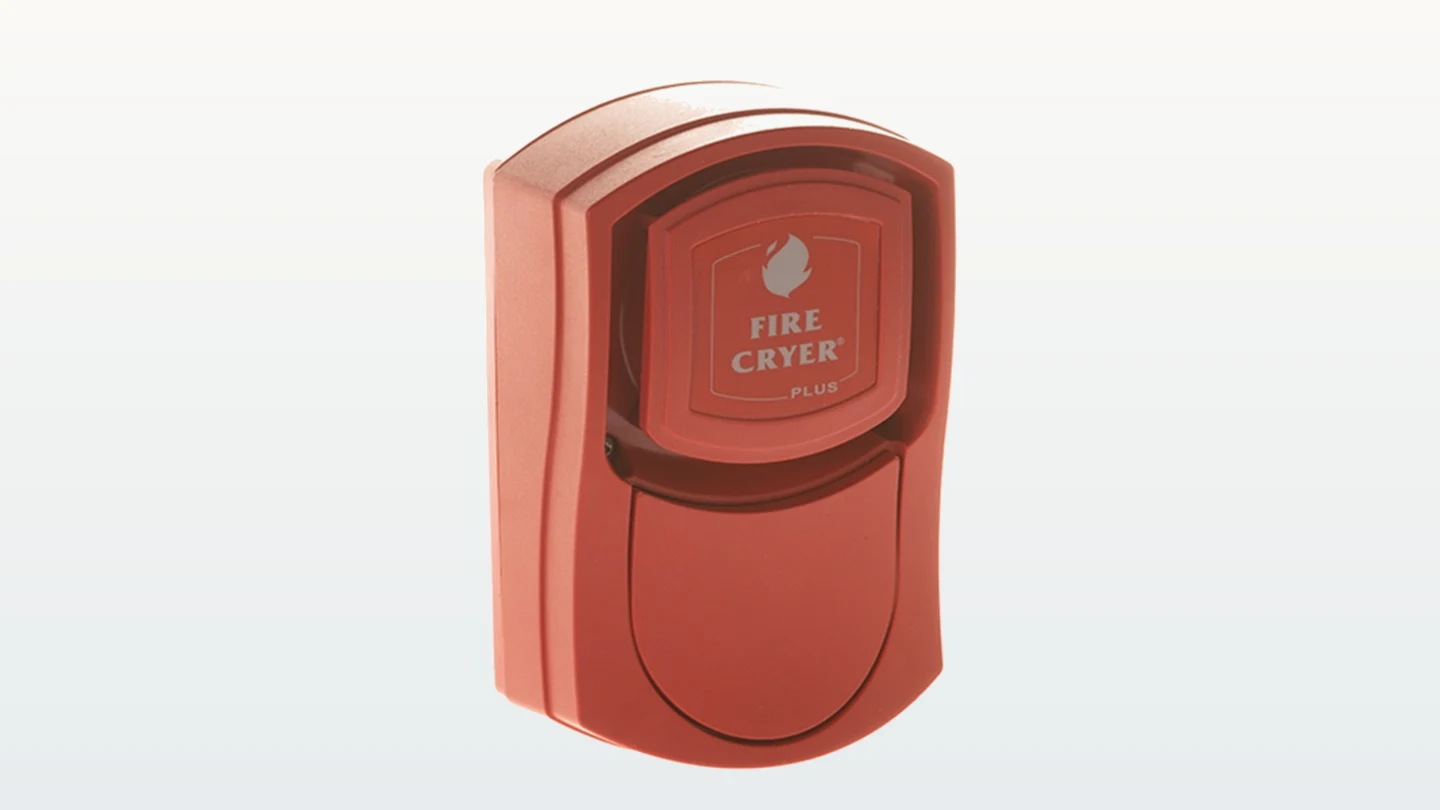

Alarm, evacuation and supporting life-safety equipment.
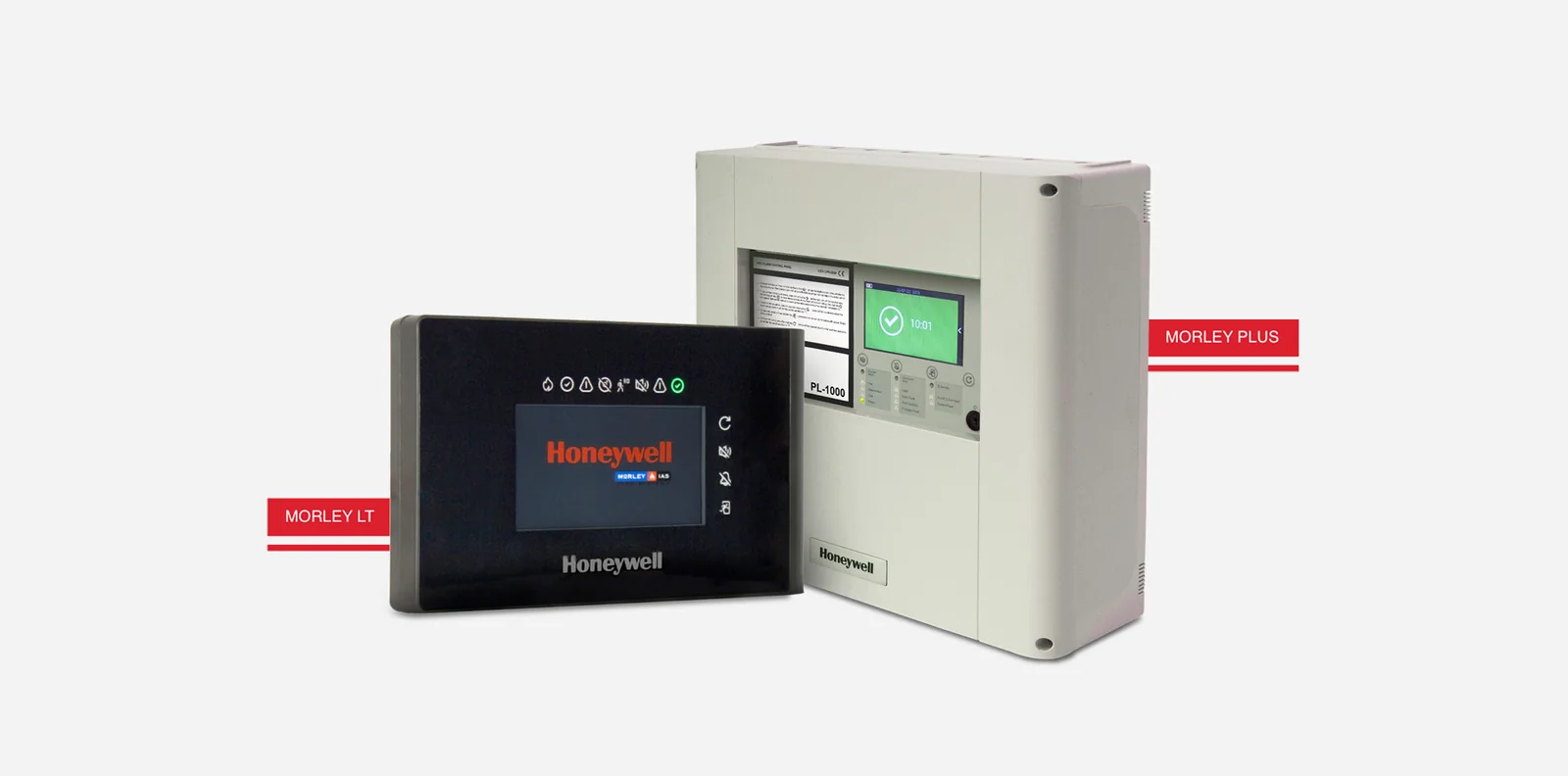
Honeywell
Honeywell for fire detection and control.

Eaton
Eaton for marine, offshore and industrial equipment.
Range, approval, territory and project suitability remain model-specific and are confirmed for each enquiry.
Delivery and lifecycle services
Services needed across the system lifecycle
Appointments, licences and authority requirements vary by country. We confirm what the service must include before work starts.
Solution designFire safety drawings, calculations, equipment schedules and approval documents for coordinated projects.
Land installationInstallation, integration, testing and handover of building and industrial fire safety systems.
Testing and commissioningDevice, circuit, interface and cause-and-effect testing with traceable commissioning records.
Statutory system testing and maintenanceScheduled inspection, testing, maintenance and defect reporting for installed fire safety systems.
TrainingPractical, system-specific training for operators, facilities teams, technicians and emergency responders.
Research basis
Standards and official references
These sources establish the system context. Verify the edition adopted by the project and the current certificate for the exact model.
Related knowledge
Knowledge base
Related technical guides
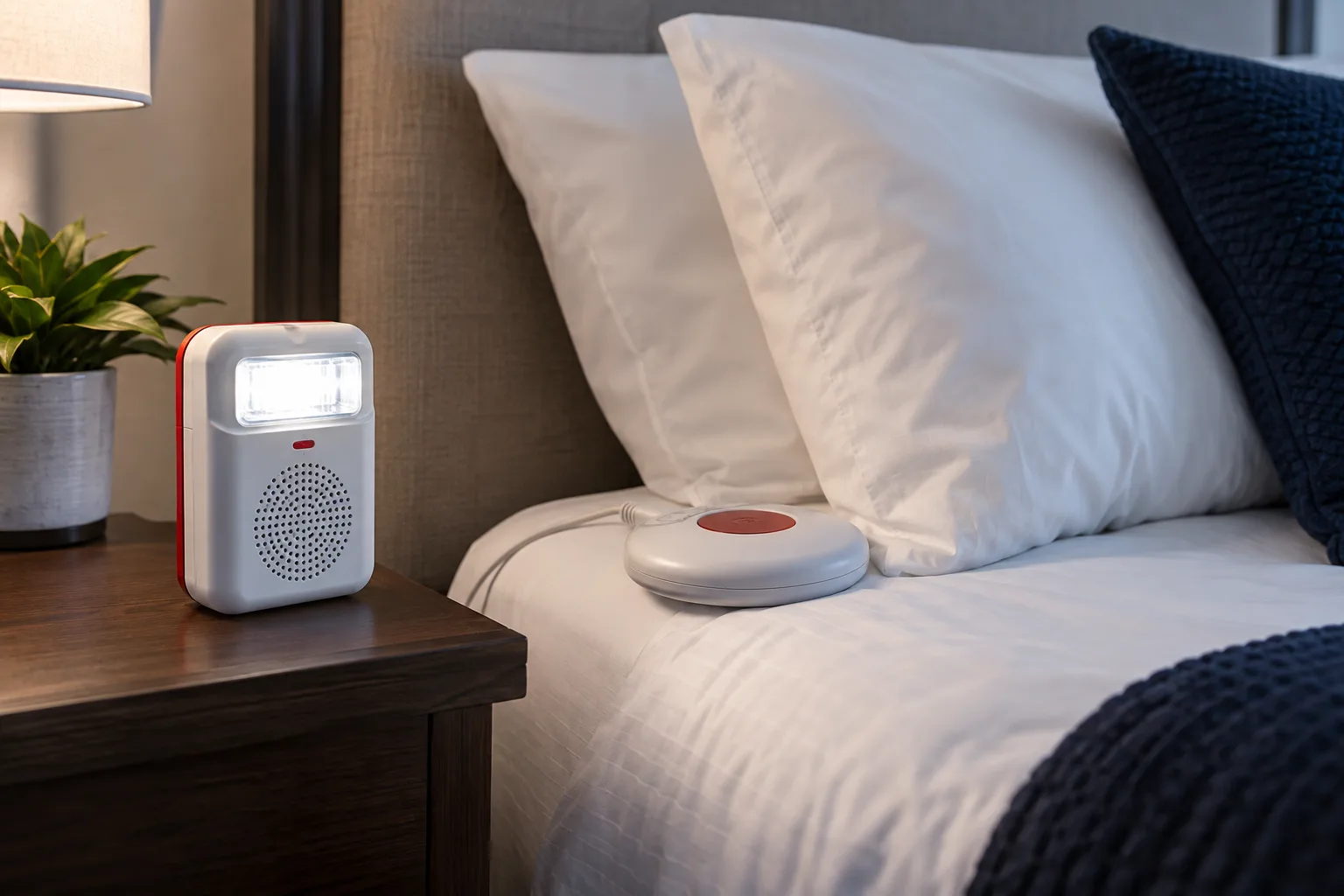
Fire warning for deaf and hard-of-hearing people
Vibration, visual, sound-activated and system-connected approaches for inclusive warning.
Read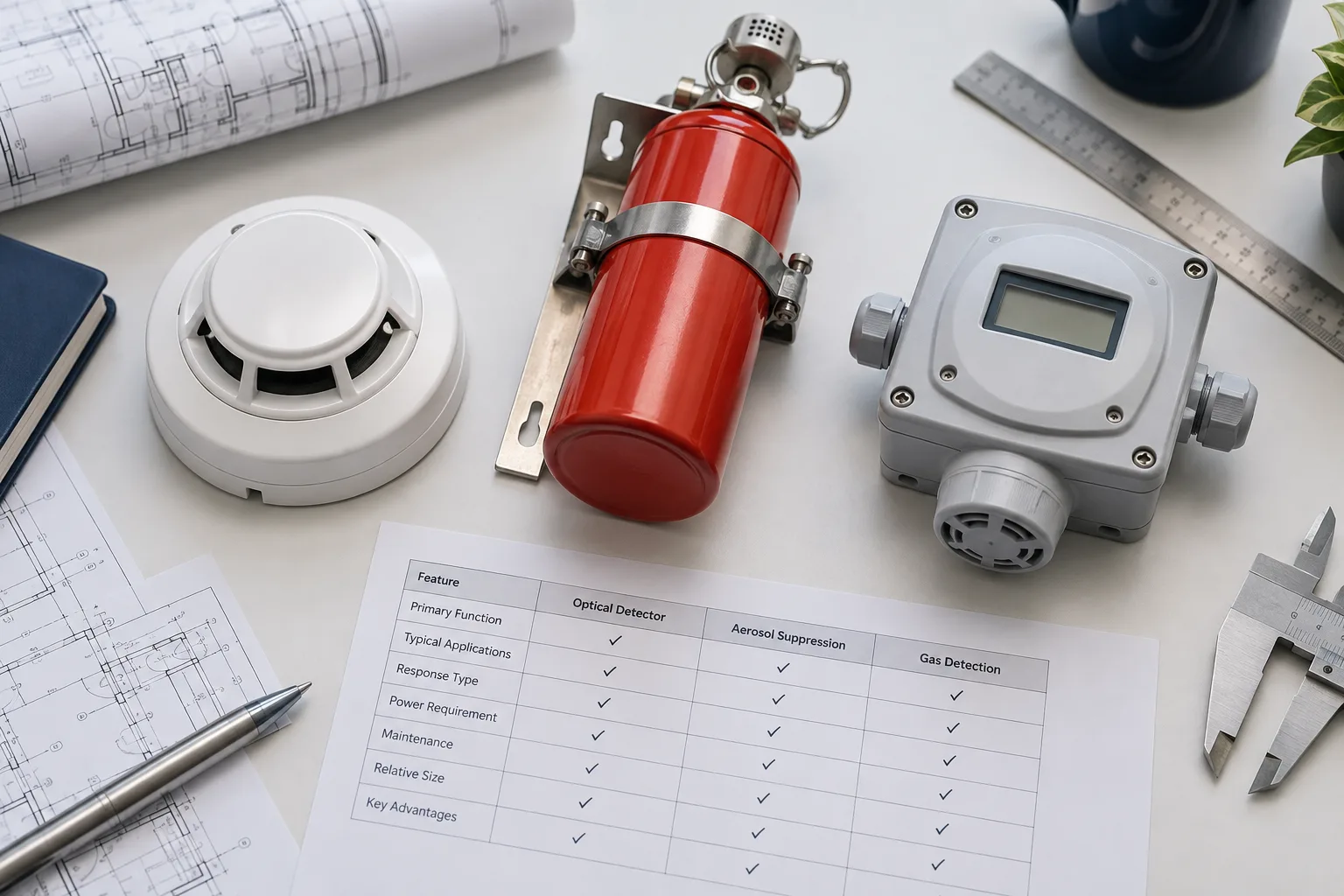
How we compare fire safety solutions
Compare fire safety systems for your building, from product approvals and installation to maintenance and cost.
Read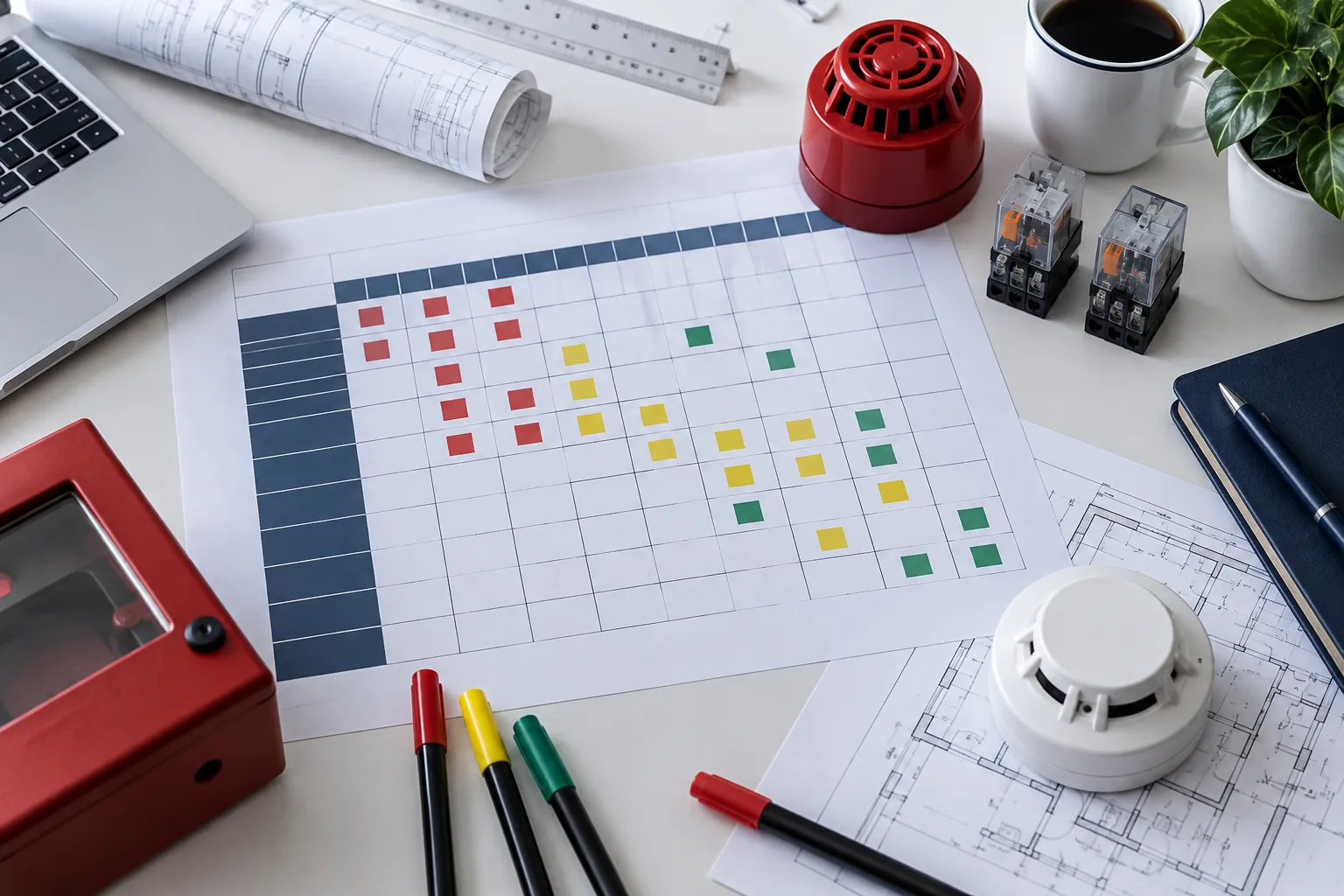
Writing a fire-alarm cause-and-effect matrix
Organize initiating events, outputs, interfaces, timing, reset and test requirements.
ReadCommon Questions
Frequently Asked Questions
Is a visual beacon enough for a deaf sleeping occupant?
Not necessarily. Sleeping applications often require a suitable vibrating warning device and placement based on the occupant and room.
Can an accessible warning device listen for the existing alarm?
Some products can, but recognition of the actual alarm, fault behavior, power and acceptance by the authority must be verified.
Does accessible warning replace the main fire alarm?
Usually it supplements the building system. The complete evacuation and accessibility strategy determines the accepted arrangement.