

Control or extinguish the design fire
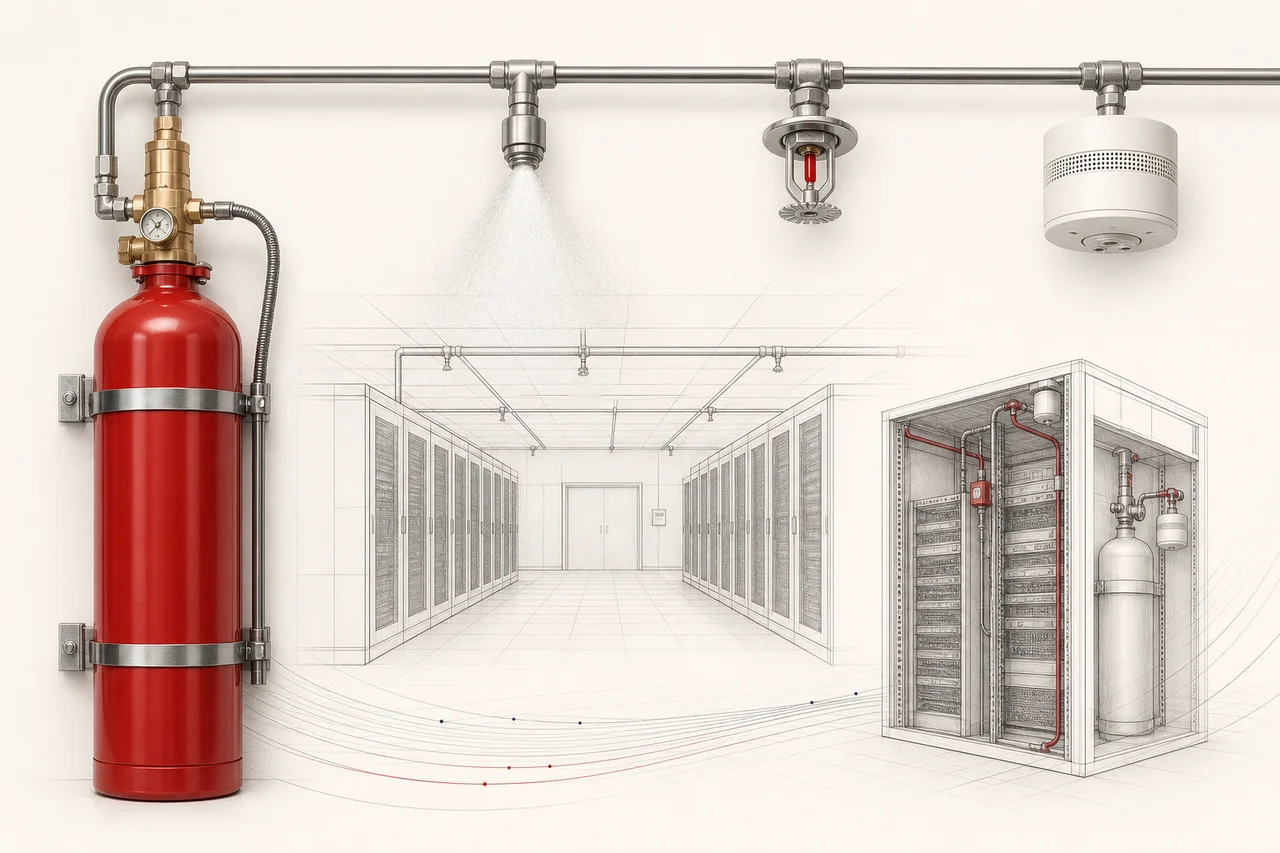
Active suppression
Fire Suppression System
The right suppression system depends on what could burn, who uses the space and what you need to protect. You can choose from water, foam, gas, aerosol, wet chemical and other systems, each suited to different fire risks and environments.
System snapshot
Key system characteristics
The same fields are used across every solution guide, making the systems easier to compare without reducing the decision to a single product.
Automatic, manual or both, depending on system and risk
Ranges from water/foam wetting to clean-agent no residue
High for total-flooding agents; variable for local application
Release panel, detection, pressure/weight, valves and critical shutdowns
Agent availability, cylinders, nozzles, corrosion, seals and hazard changes
How the system works
The right suppression system depends on what could burn, who uses the space and what you need to protect. You can choose from water, foam, gas, aerosol, wet chemical and other systems, each suited to different fire risks and environments.
Key selection considerations
- 01
Water or clean agent: Water is effective and widely accepted but may damage water-sensitive assets; clean agents leave no residue but require enclosure integrity and agent-specific safety review.
- 02
Foam systems: Foam is suited to defined flammable-liquid hazards but concentrate compatibility, environmental controls and disposal need early resolution.
- 03
Aerosol systems: Aerosol can reduce pipework but creates hot discharge and residue considerations and must be selected only within the tested application.
- 04
Recovery planning: The system must address re-ignition, ventilation, fuel isolation, evacuation and post-discharge recovery - not only initial knockdown.
System anatomy
System components and approvals
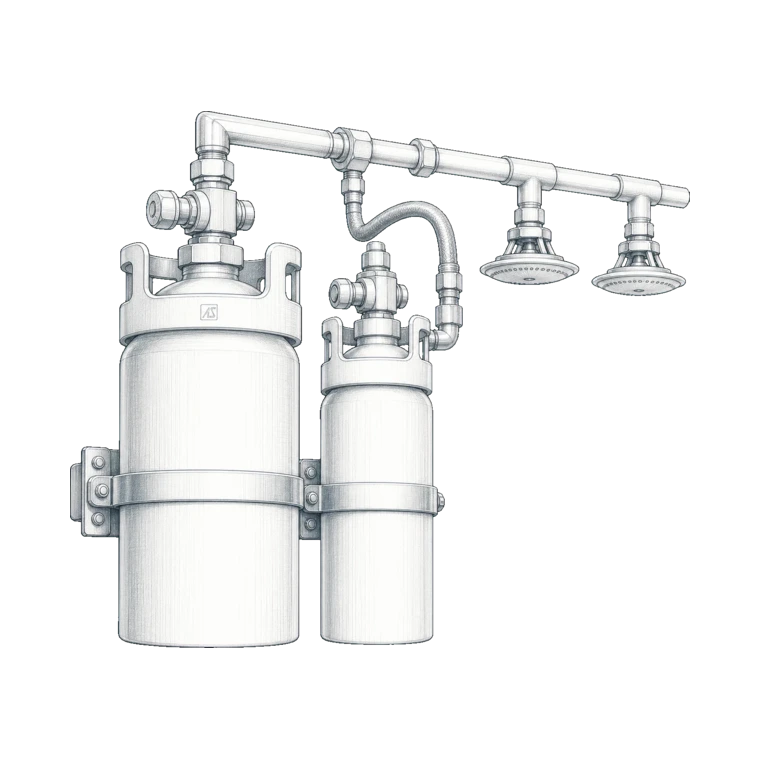
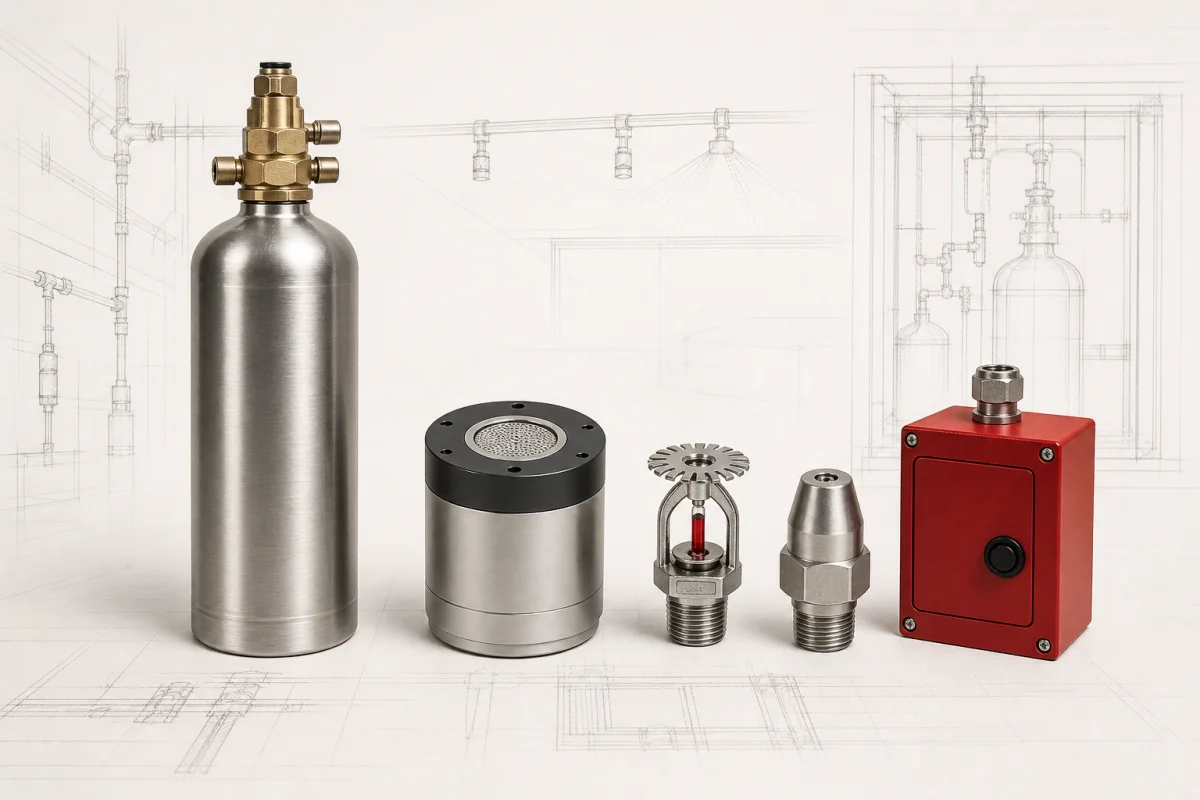
Agent storage, cylinders or water supply
Storage vessels and agent/system combinations require applicable pressure and product approvals.
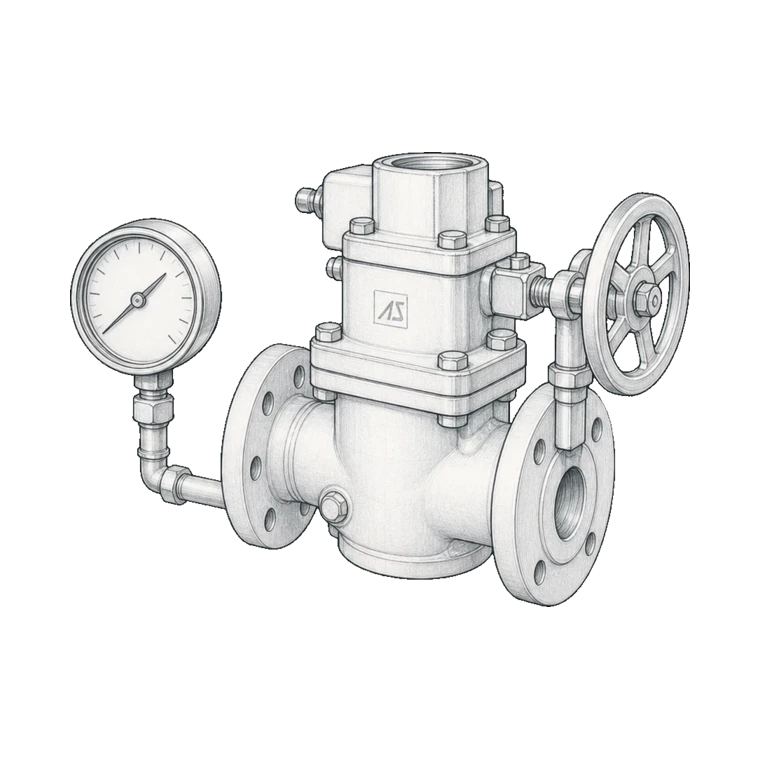
Valves, actuators and releasing devices
Use compatible approved components for the listed system.
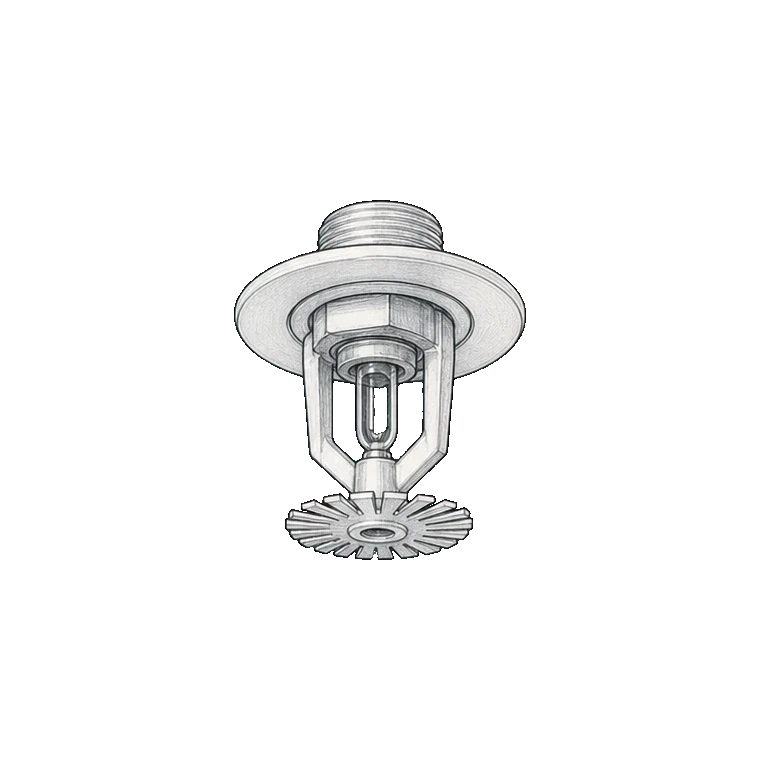
Piping, fittings and discharge nozzles
Must follow the hydraulic/pneumatic calculation and system listing; nozzle type and orifice are critical.
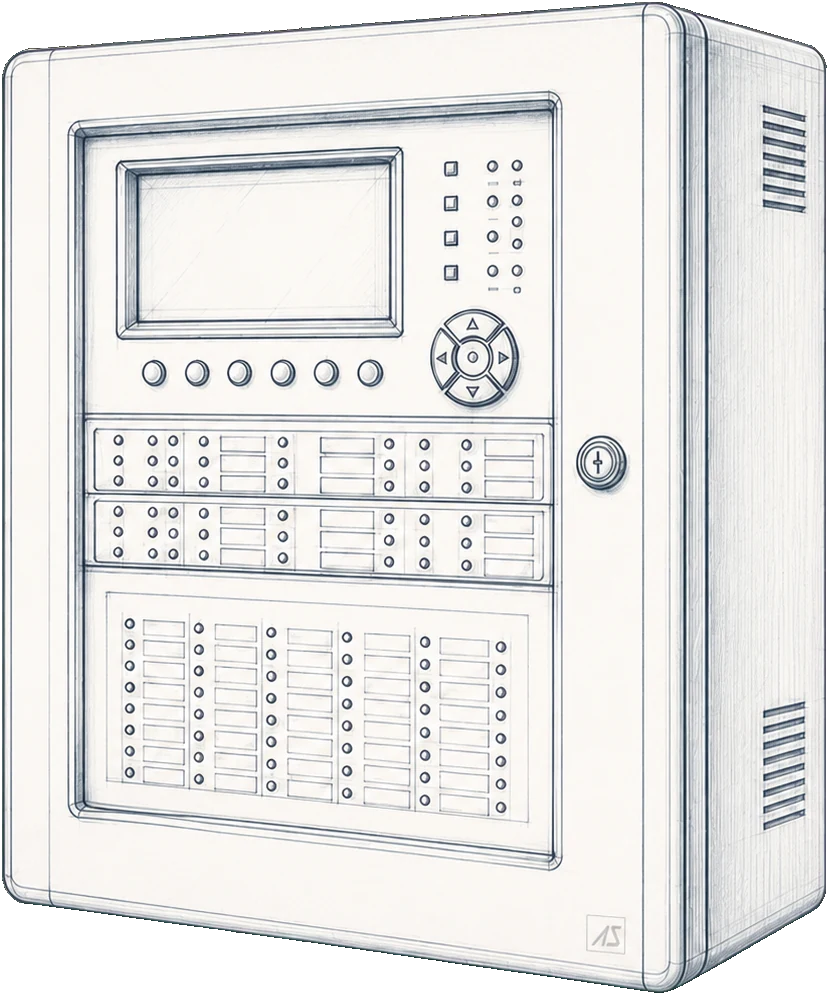
Detection and releasing control panel
Should be approved for releasing service with supervised circuits and required logic.
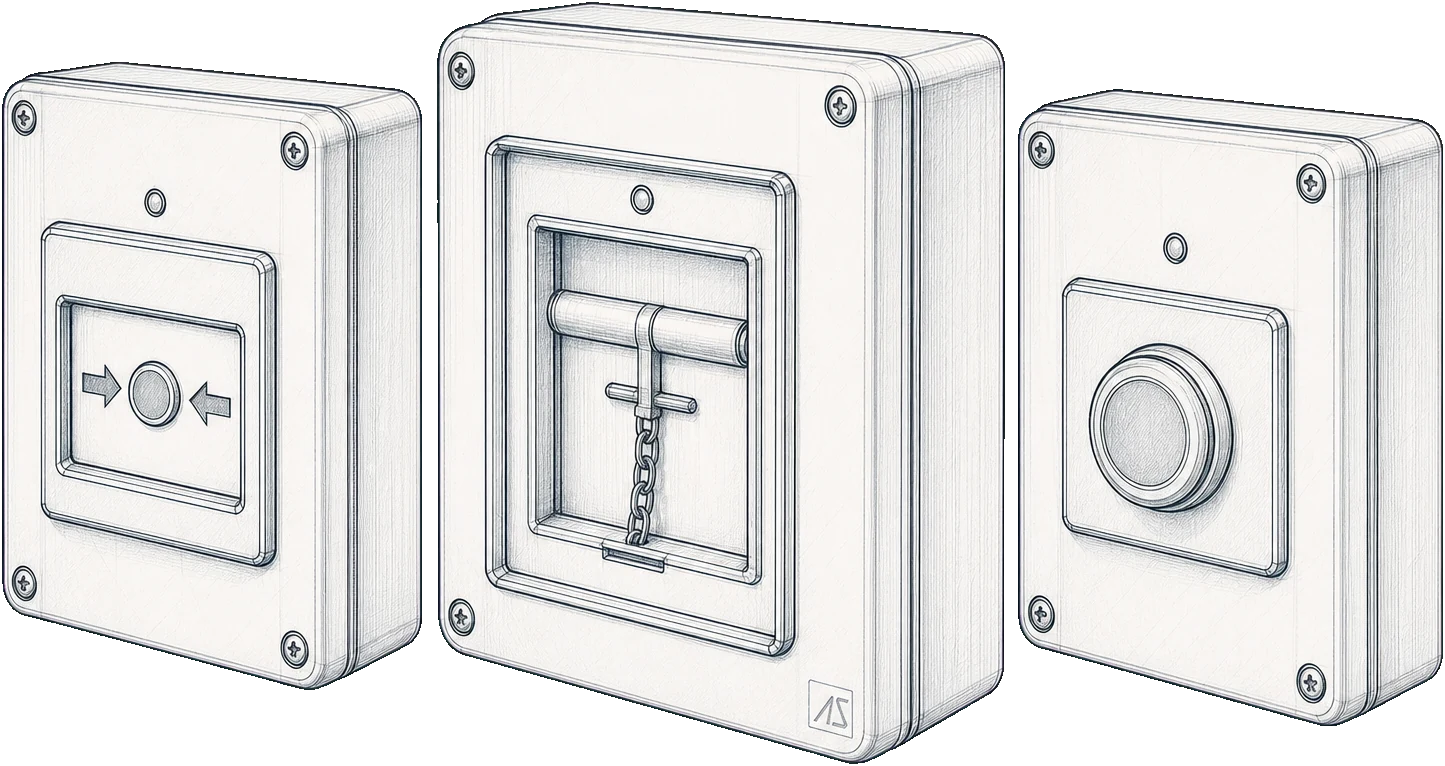
Manual release, abort and warning devices
Required arrangement depends on agent, occupancy and adopted code.
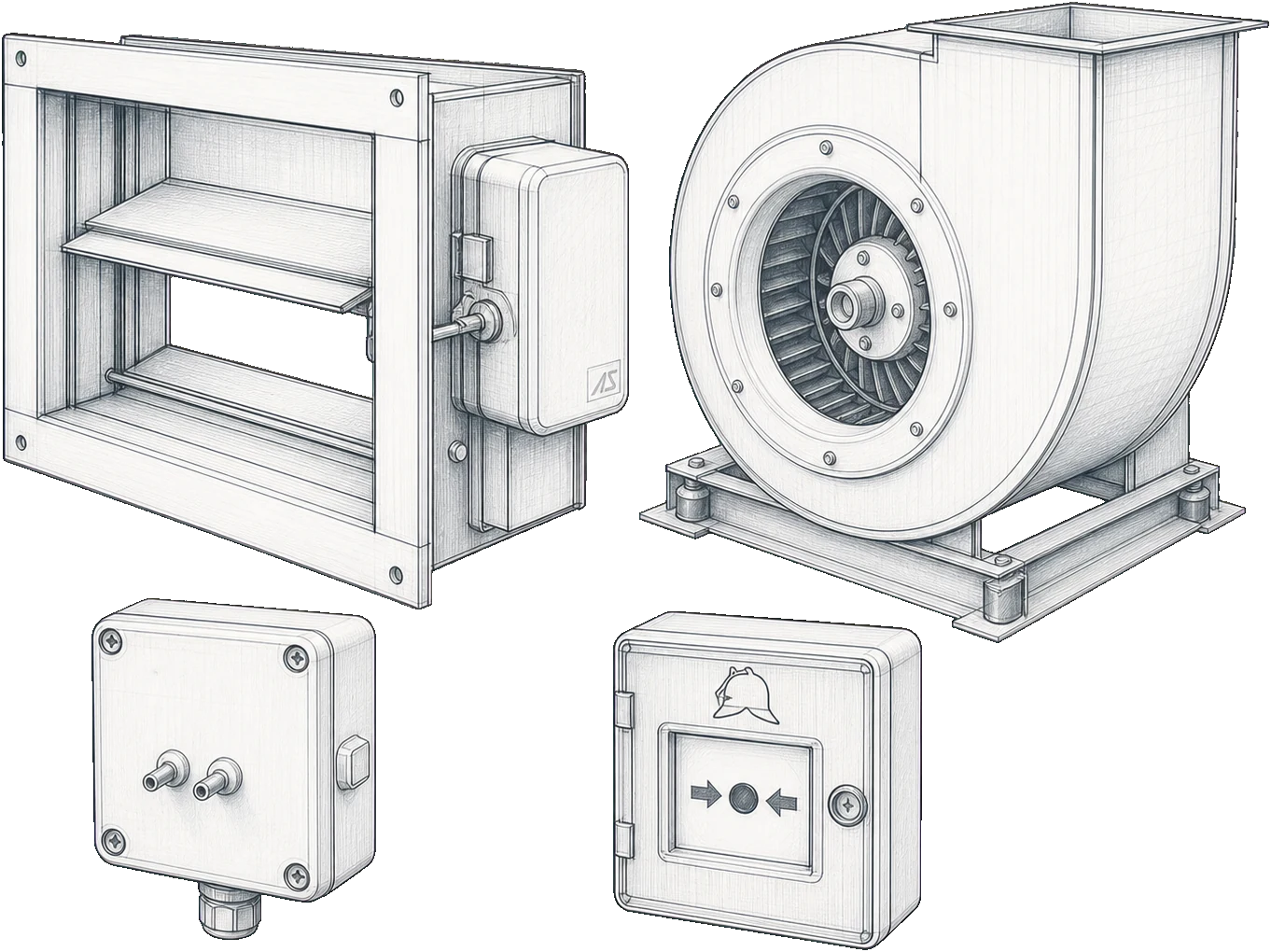
Shutdowns, dampers and pressure relief
Must be engineered and functionally tested as part of the discharge sequence.
Approval families
Typical approvals and certification requirements
- System-specific NFPA, ISO, EN or local design and installation standards
- UL, FM, LPCB, VdS or other listed/approved systems where specified
- Pressure-vessel, cylinder, valve and transport compliance
- Marine MED, class and flag acceptance where installed on vessels
Governing rules
Codes, standards and project rules
- 01
The design standard is agent- and application-specific; do not apply one suppression standard to another technology.
- 02
The authority, insurer, environmental rules and occupational-safety requirements can impose additional restrictions on agent selection and discharge.
- 03
Calculated systems should be installed exactly to the approved calculation, pipe, nozzle, enclosure and control assumptions.
Design information
Information needed to design and quote the system
Complete inputs reduce assumptions, expose interface risks early and make competing proposals meaningfully comparable.
- 01
Fuel, fire class, hazard geometry and performance objective
- 02
Occupancy, evacuation time and exposure constraints
- 03
Room dimensions, leakage, ventilation and pressure limits
- 04
Agent or water supply, discharge duration and hydraulic/pneumatic calculations
- 05
Detection, release, abort, warning, shutdown and manual controls
- 06
Environmental restrictions, recovery plan and future hazard changes
Inspection, testing and maintenance
Inspection, testing and maintenance requirements
Frequency and method must follow the adopted standard, authority conditions and manufacturer instructions. These recurring activities belong in the maintenance plan.
- 01
Inspect agent quantity or pressure, cylinders, valves, actuators, pipework, nozzles and mechanical damage.
- 02
Functionally test detection, release logic, manual controls, aborts, alarms, shutdowns and monitoring without unintended discharge.
- 03
Verify the protected hazard and enclosure have not changed beyond the approved design.
- 04
Carry out cylinder examination, hydrostatic testing, agent analysis or replacement at the intervals required by the applicable system, vessel and local law.
Mapped manufacturers
See all brands
Brands that support this solution
Tyco
Minerva marine detection and SIL2 configuration planning
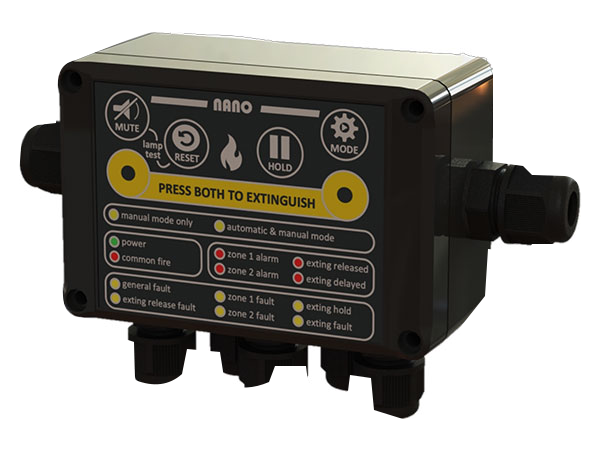

Compact local detection and extinguishing-release control
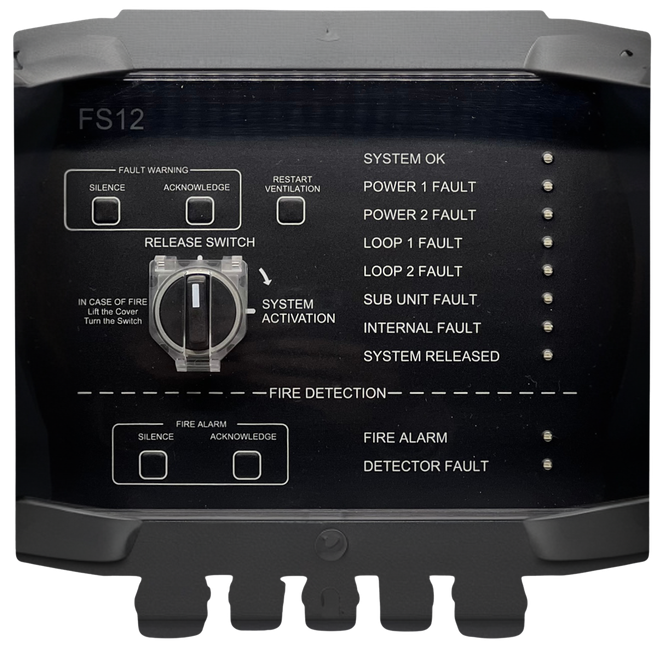

Manual release and monitoring for fixed aerosol installations
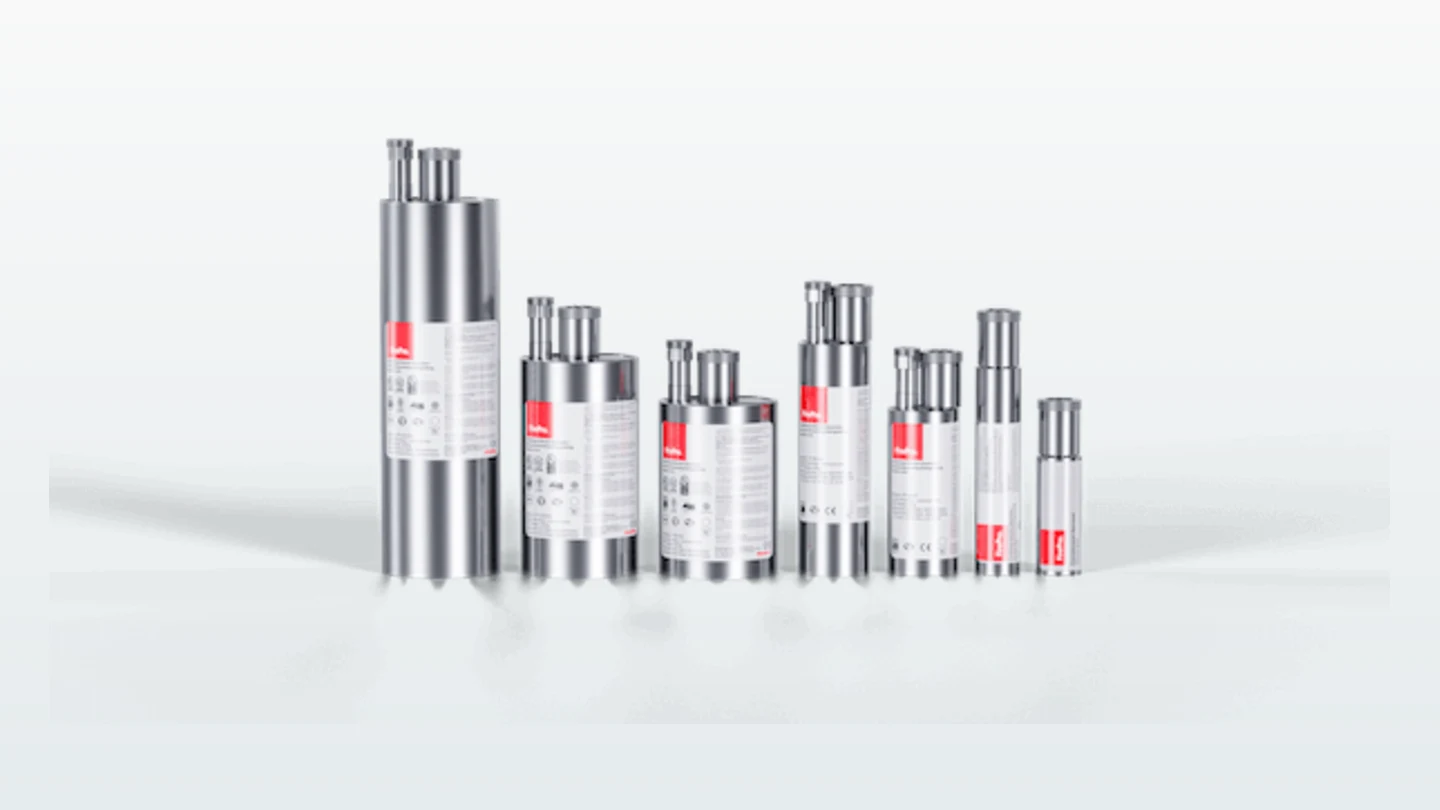

Aerosol extinguishing equipment subject to system compatibility and vessel acceptance
Stat-X
Stat-X for suppression and firefighting.
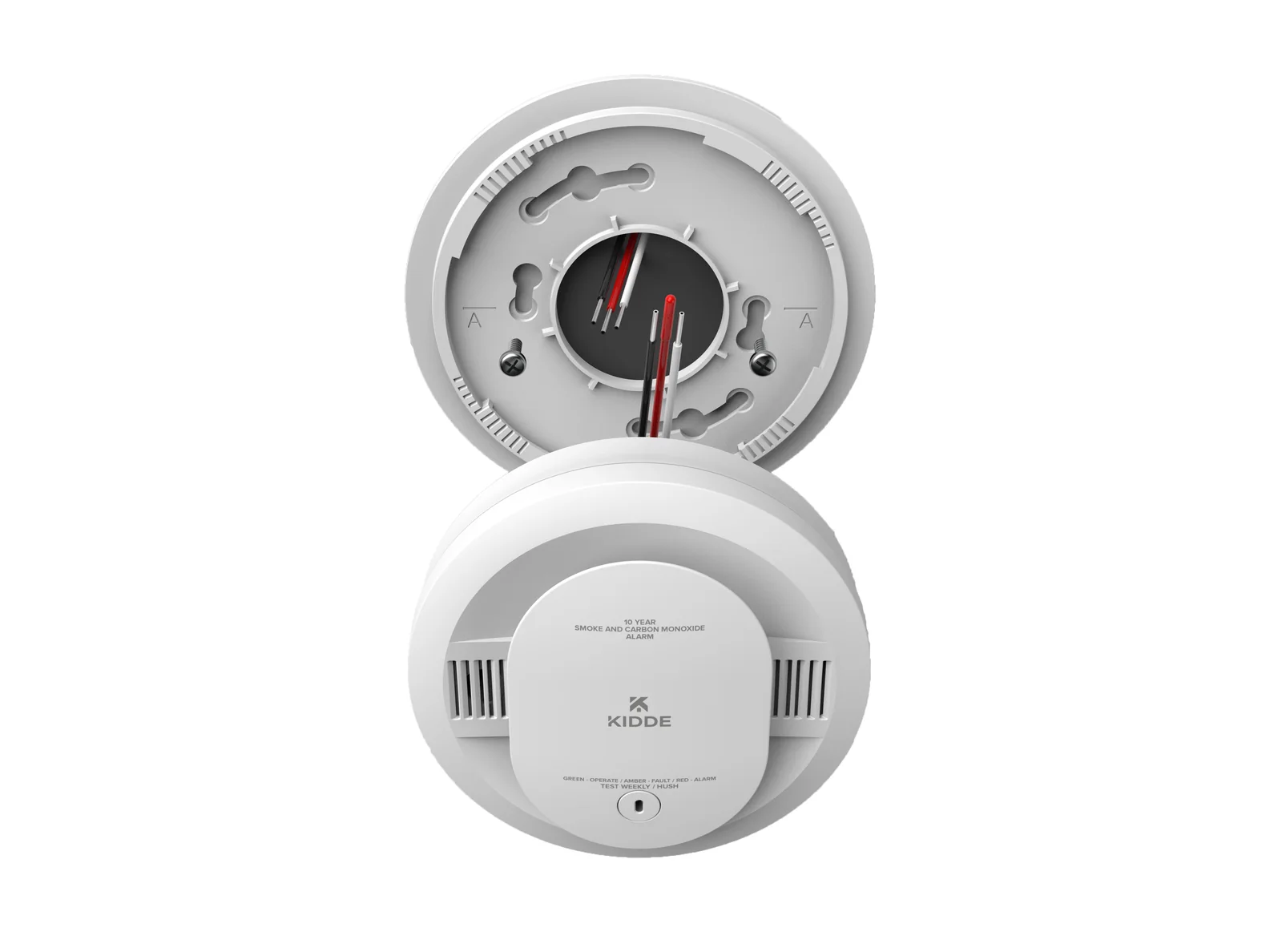
Kidde
Kidde for fire detection and control.
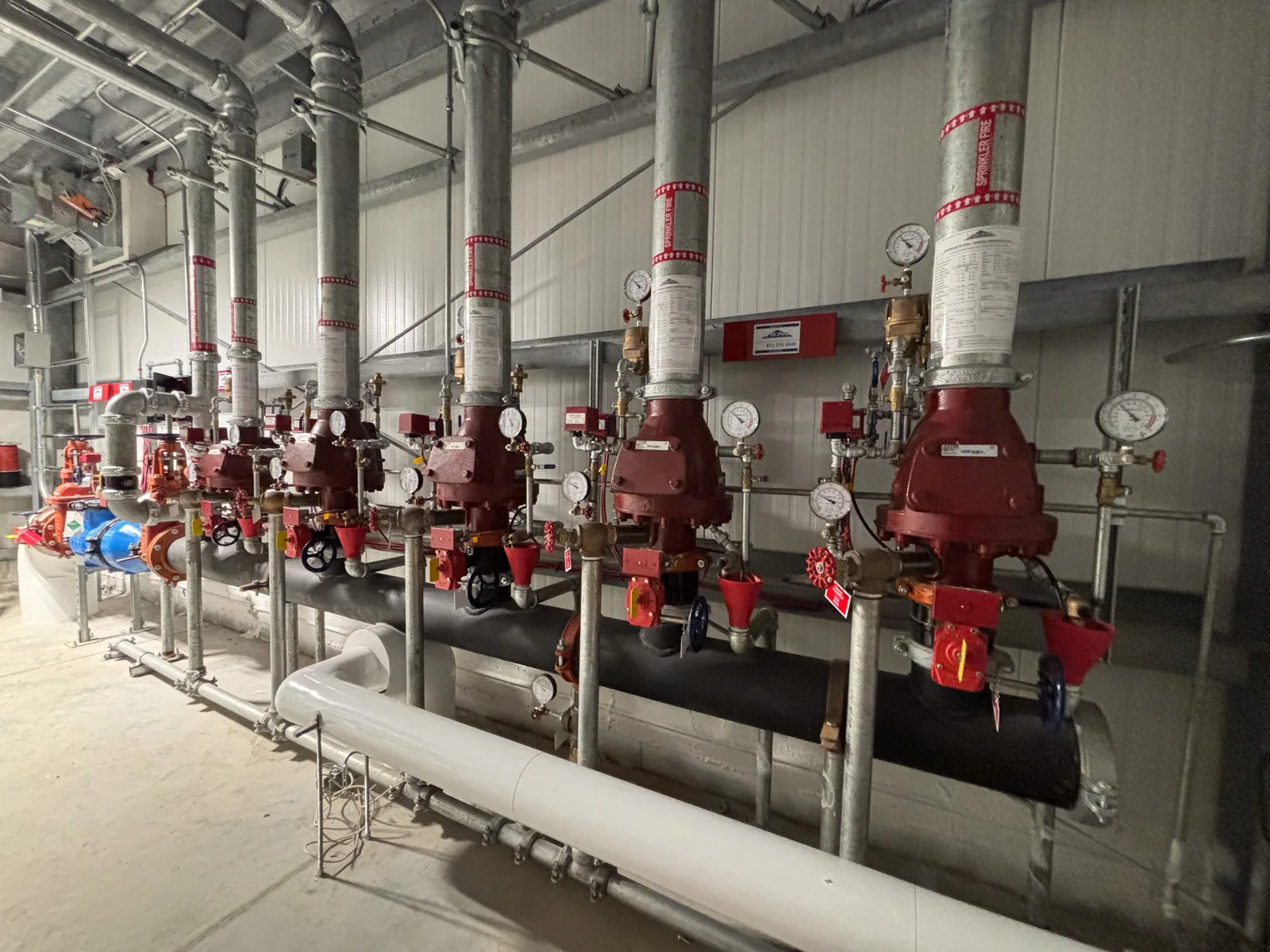
Viking
Viking for suppression and firefighting.
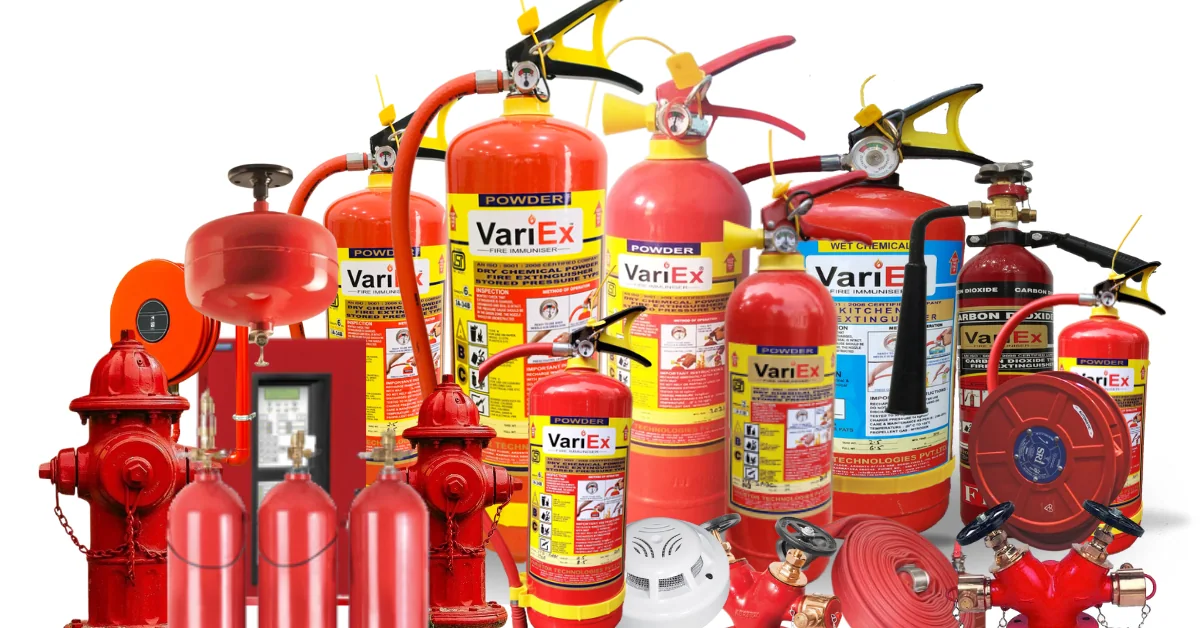
Skum
Skum for suppression and firefighting.
Range, approval, territory and project suitability remain model-specific and are confirmed for each enquiry.
Delivery and lifecycle services
Services needed across the system lifecycle
Appointments, licences and authority requirements vary by country. We confirm what the service must include before work starts.
Solution designFire safety drawings, calculations, equipment schedules and approval documents for coordinated projects.
Marine installationMarine fire-system installation and replacement with flag, class and vessel requirements addressed.
Testing and commissioningDevice, circuit, interface and cause-and-effect testing with traceable commissioning records.
Statutory system testing and maintenanceScheduled inspection, testing, maintenance and defect reporting for installed fire safety systems.
Research basis
Standards and official references
These sources establish the system context. Verify the edition adopted by the project and the current certificate for the exact model.
Related knowledge
Knowledge base
Related technical guides
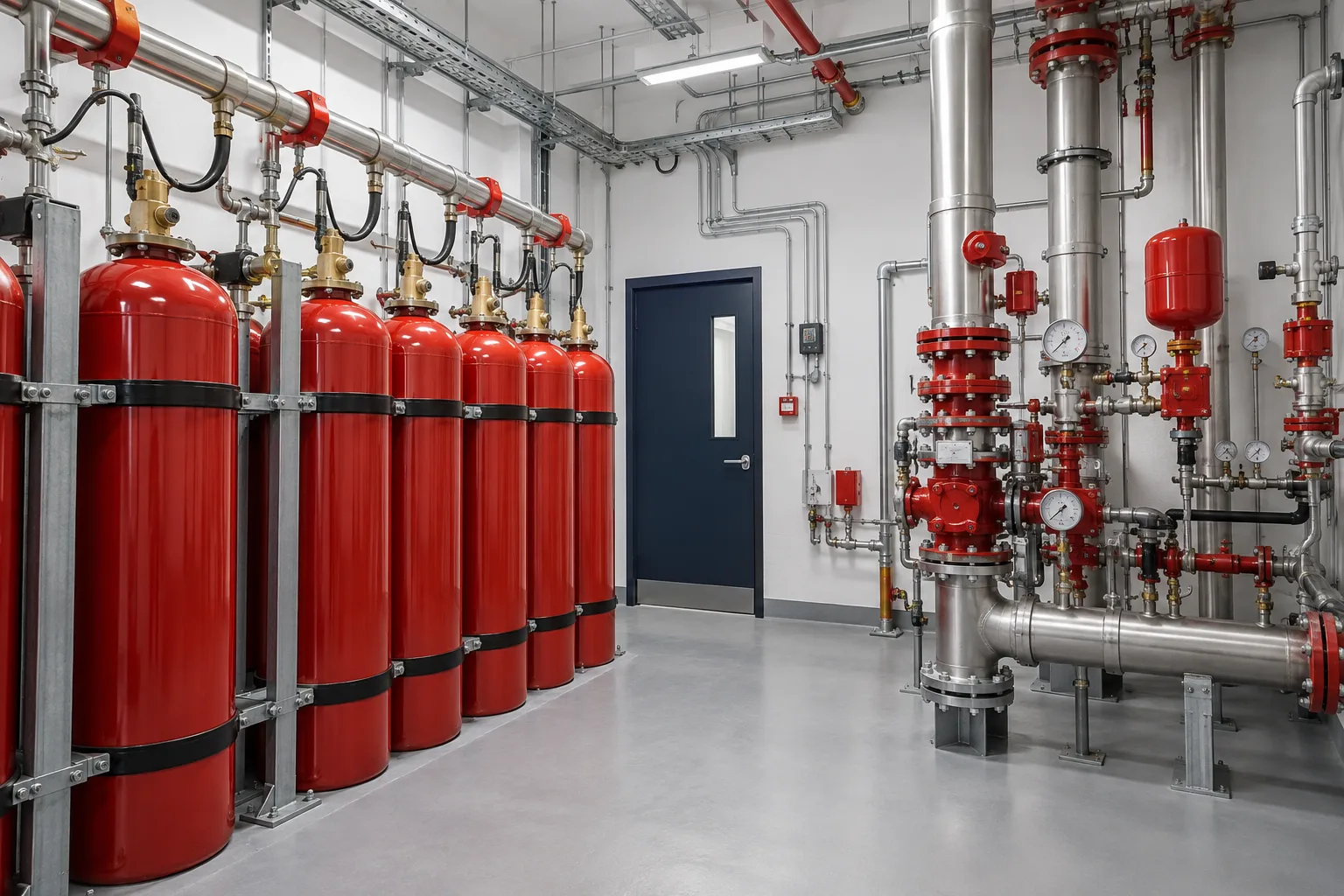
Choosing the right fire suppression system
Compare gas, aerosol, foam and water technologies.
Read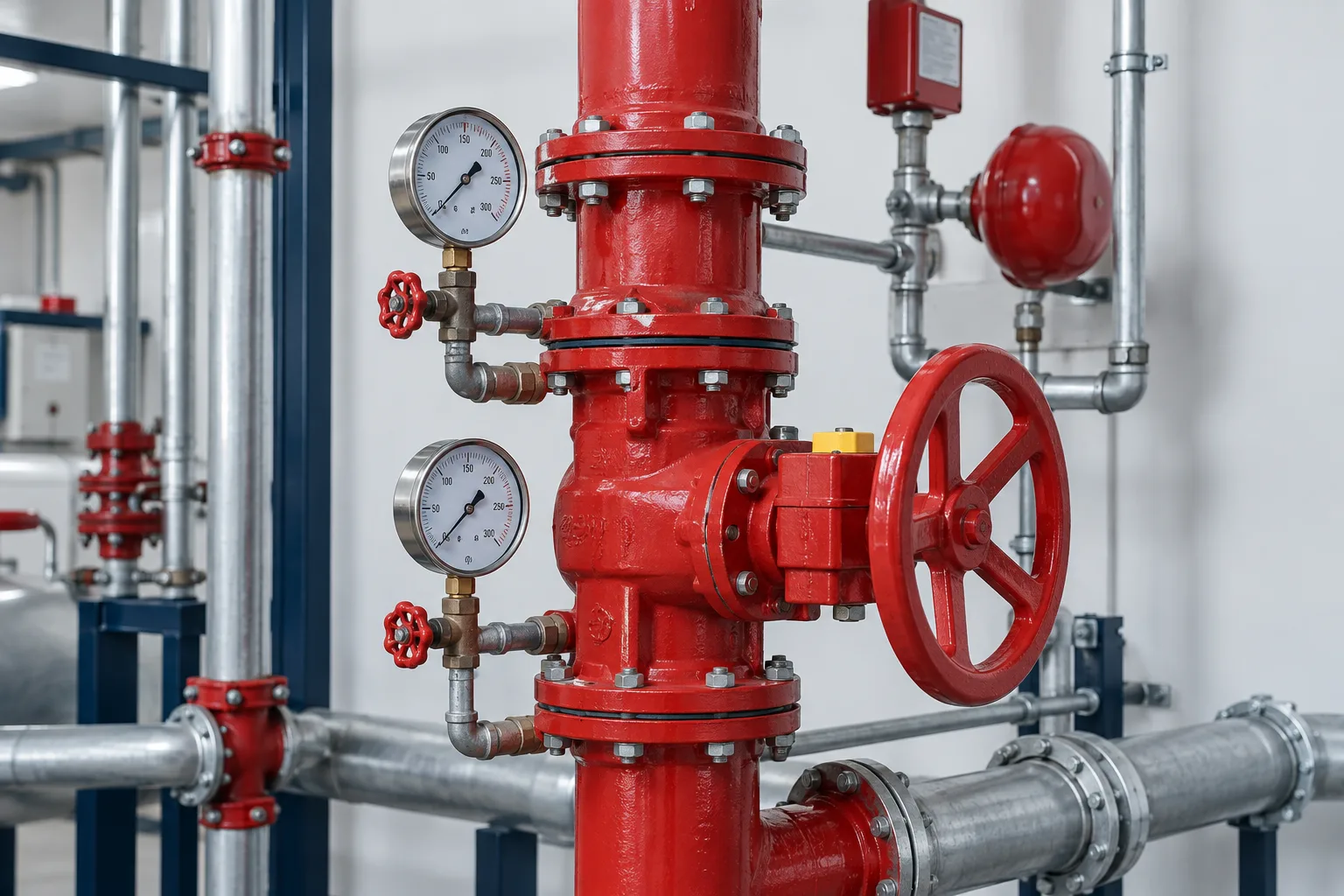
A practical guide to fire-system valves
Compare common valve functions, actuation, supervision and maintenance considerations.
Read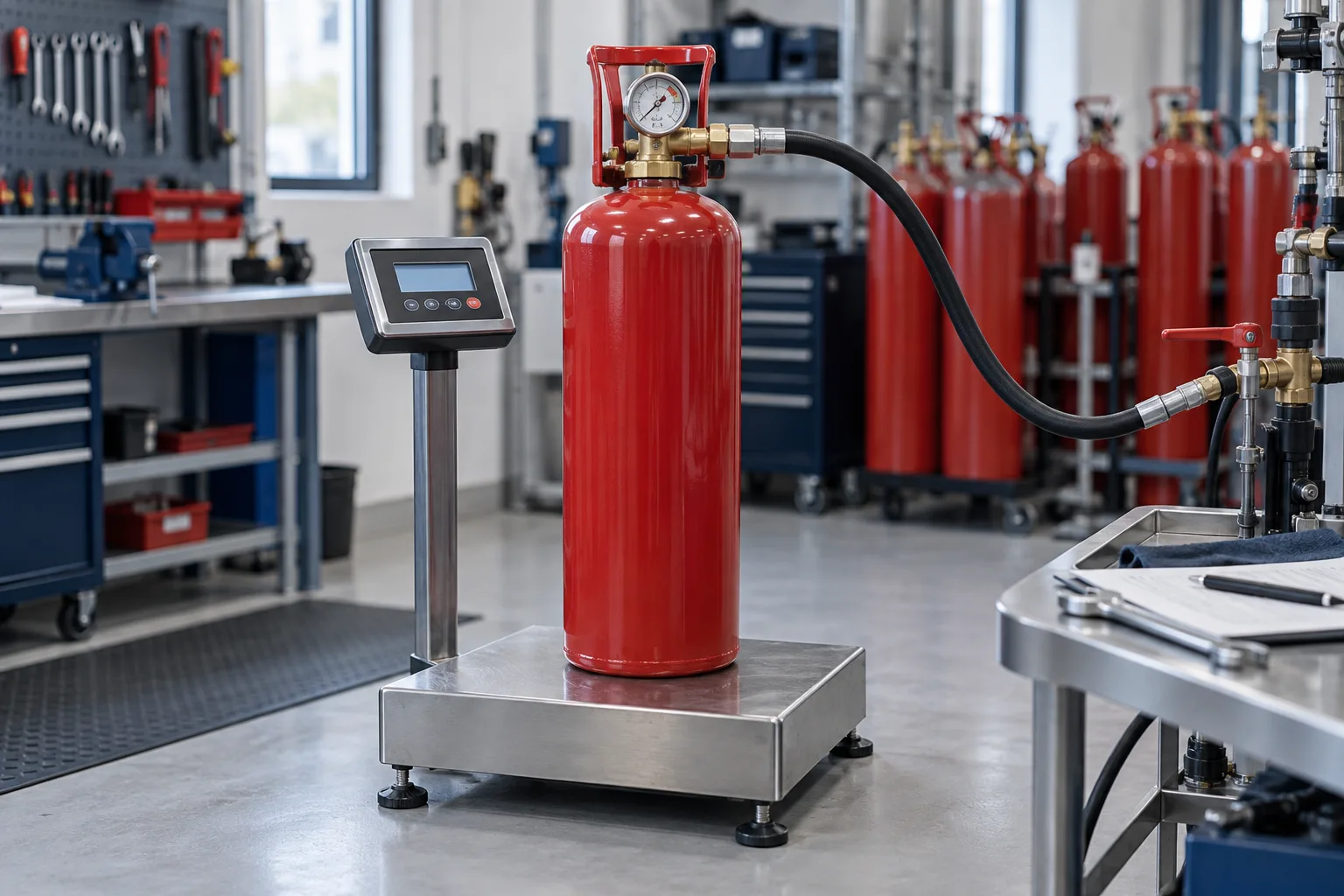
Planning a fire-suppression cylinder refill
Information to provide for CO₂, FM-200 and other supported clean-agent cylinders.
ReadPlan the complete system
Connected Applications And Solutions
Follow the application through equipment selection, interfaces and professional support.
Industrial facilitiesFire safety requirements, solutions and services for industrial facilities.Marine and offshoreFire safety requirements, solutions and services for marine and offshore.
Fire Alarm & Detection SystemSmoke, heat, flame and aspirating detection for reliable early warning.Marine & Offshore Fire Safety SystemClass-aware systems and equipment for vessels and offshore applications.
Common Questions
Frequently Asked Questions
Which suppression technology is best?
There is no universal best. Compare fire class, people, assets, enclosure, downtime, environmental limits, approval and lifecycle support.
Can a suppression cylinder be replaced with another brand?
Not unless the complete valve, actuator, agent, cylinder, pipe calculation, nozzle and approval compatibility is demonstrated.
Does a successful panel test prove the suppression system works?
No. The test must address the mechanical system, agent quantity, piping/nozzles, hazard/enclosure, release sequence and all connected shutdowns.