

Early detection, location and initiation of the response sequence
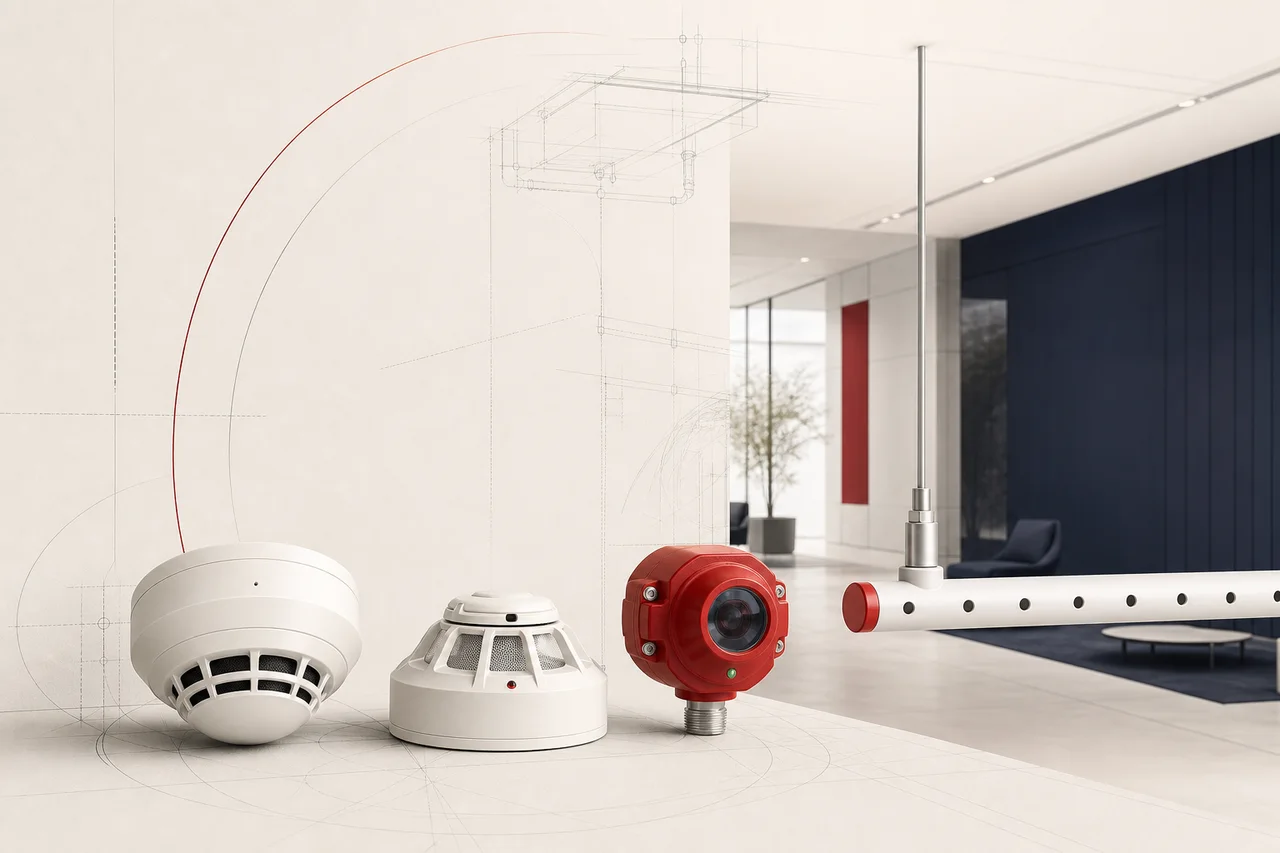
Early warning
Fire Alarm & Detection System
Your fire detection system needs to spot a developing fire, show you where it is and trigger the right response. You can choose smoke, heat, flame, beam, aspirating or multi-sensor detection to suit the fire risks, airflow and conditions in your space.
System snapshot
Key system characteristics
The same fields are used across every solution guide, making the systems easier to compare without reducing the decision to a single product.
Automatic detectors and manual initiation
None from detection itself
Low, except for aspirating pipe networks and room airflow effects
Normally required for power, circuits, loops, devices and communication paths
Detector contamination, technology obsolescence, batteries and protocol support
How the system works
Your fire detection system needs to spot a developing fire, show you where it is and trigger the right response. You can choose smoke, heat, flame, beam, aspirating or multi-sensor detection to suit the fire risks, airflow and conditions in your space.
Key selection considerations
- 01
Detection method: Smoke detection can provide earlier warning than heat detection but can be more sensitive to steam, dust or process aerosols.
- 02
Aspirating systems: Aspirating detection suits high-airflow, high-value and difficult-access spaces, but pipe transport time, filtration and ongoing pipe maintenance become design factors.
- 03
Flame detection: Flame detection is useful for rapid flaming fires and open process hazards; it needs a clear field of view and careful false-alarm analysis.
- 04
Detector placement: Detector spacing tables are not a substitute for reviewing ceiling geometry, beams, stratification, ventilation and access for testing.
System anatomy
System components and approvals
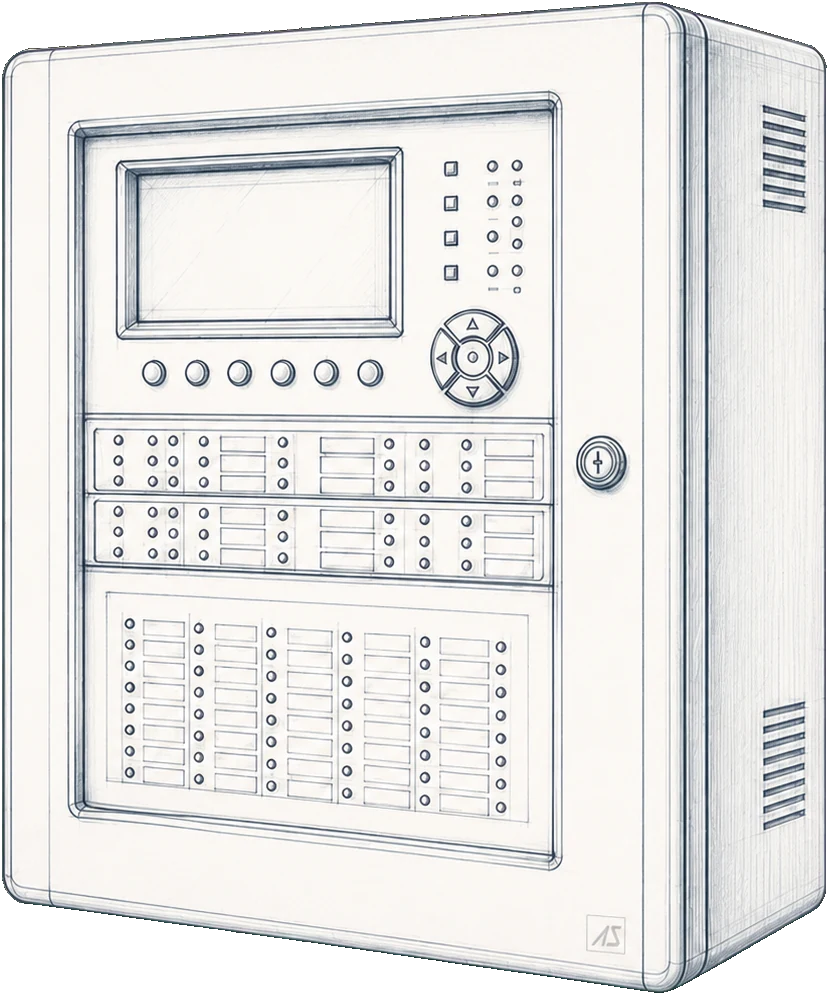
Control and indicating equipment
Use approved/listed equipment for the applicable system standard and market.
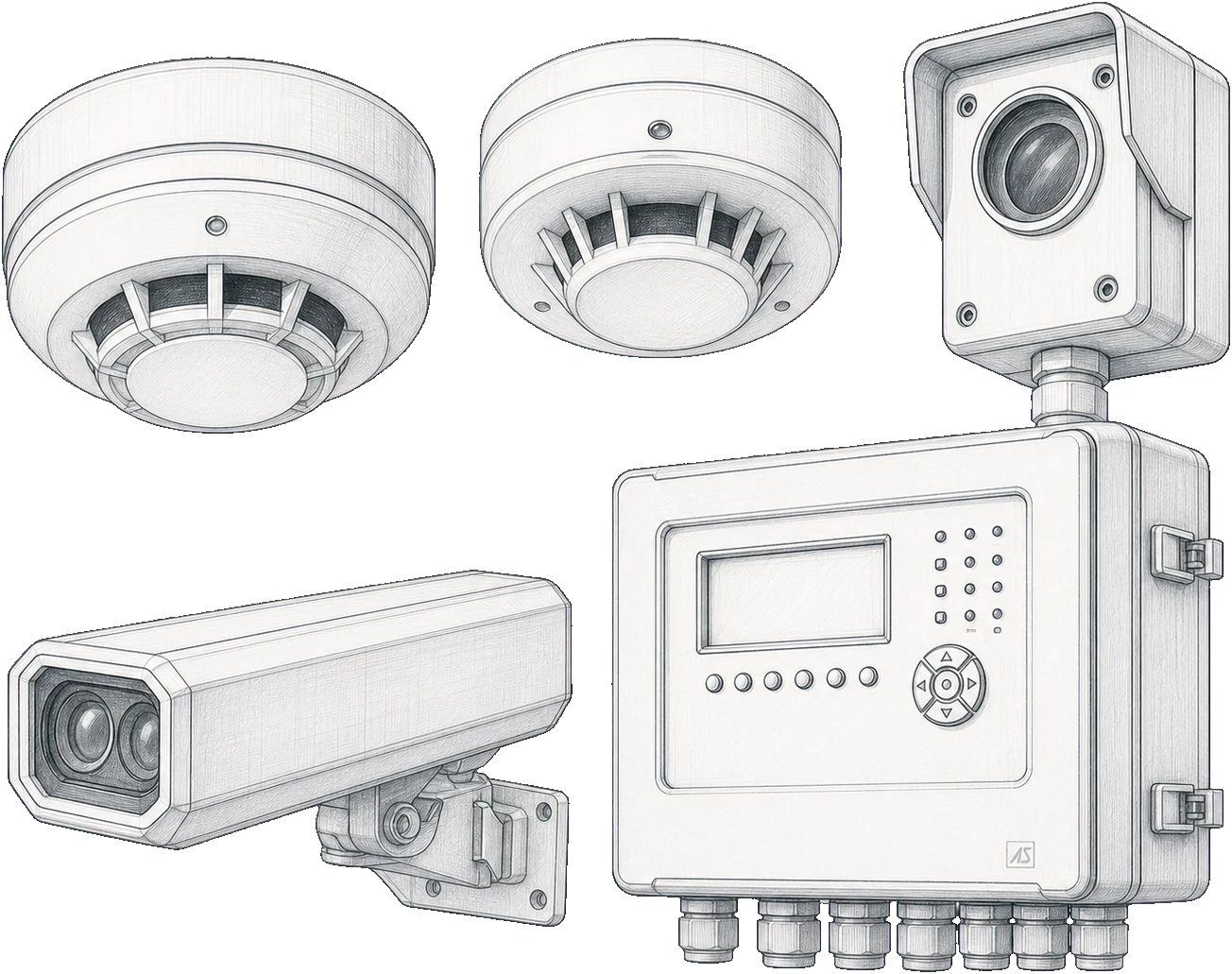
Smoke, heat, flame, beam and aspirating detectors
The exact detector type and model should carry the required product approval.
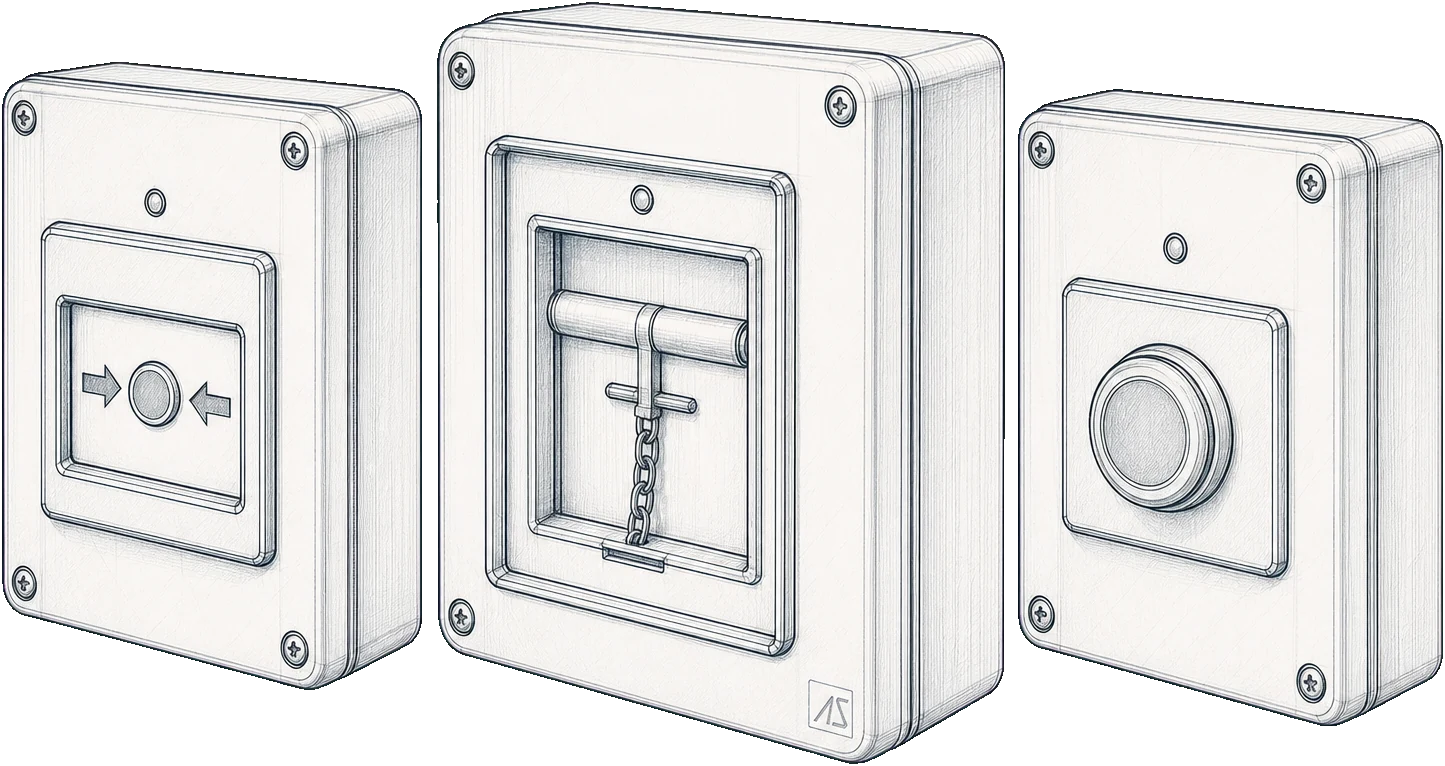
Manual call points
Should be approved for the system, environment and accessibility requirement.
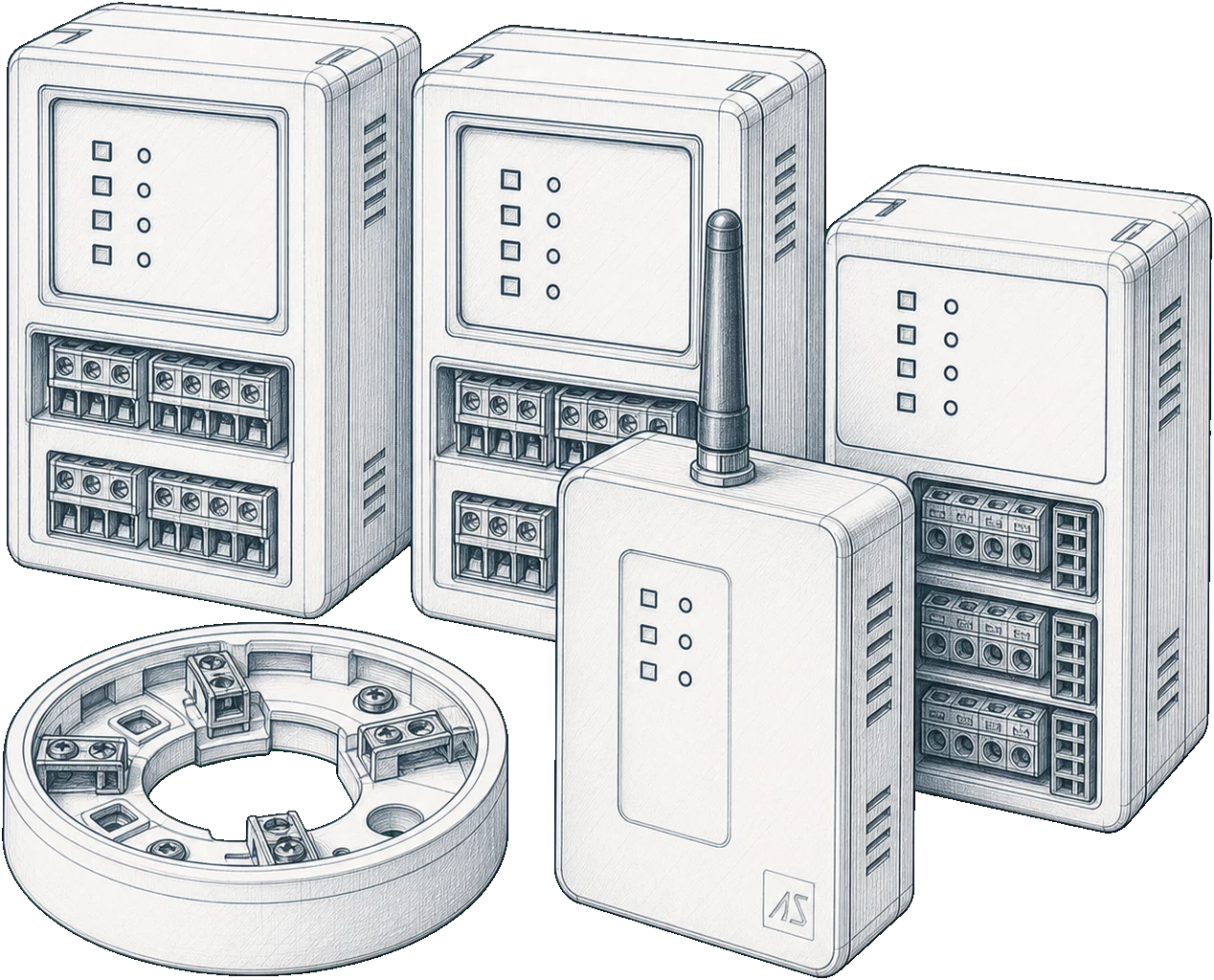
Loop isolators, interfaces and bases
Compatibility and approval as part of the connected system must be verified.
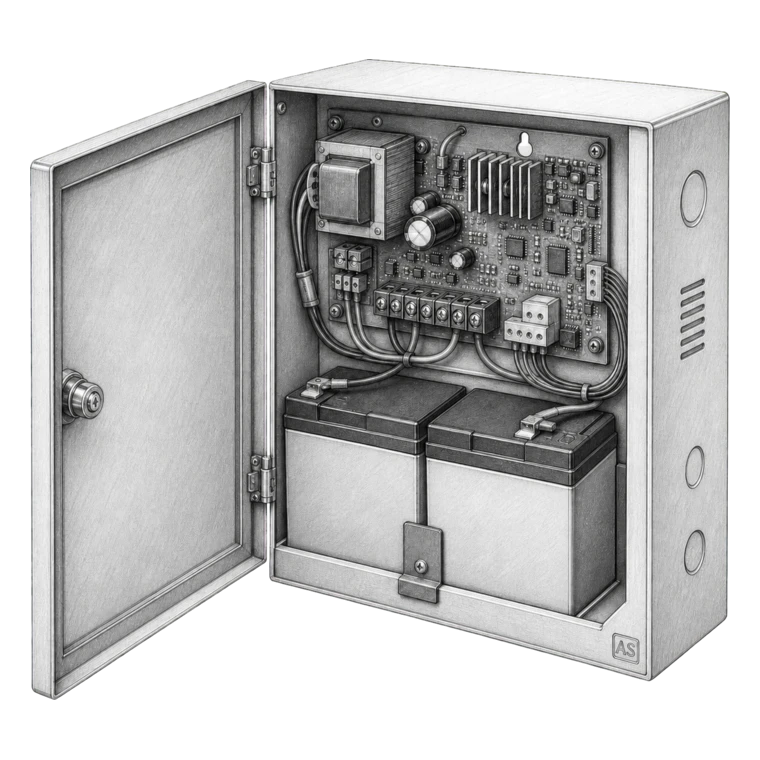
Power supplies and batteries
Use supervised, approved equipment sized for the required standby and alarm duration.
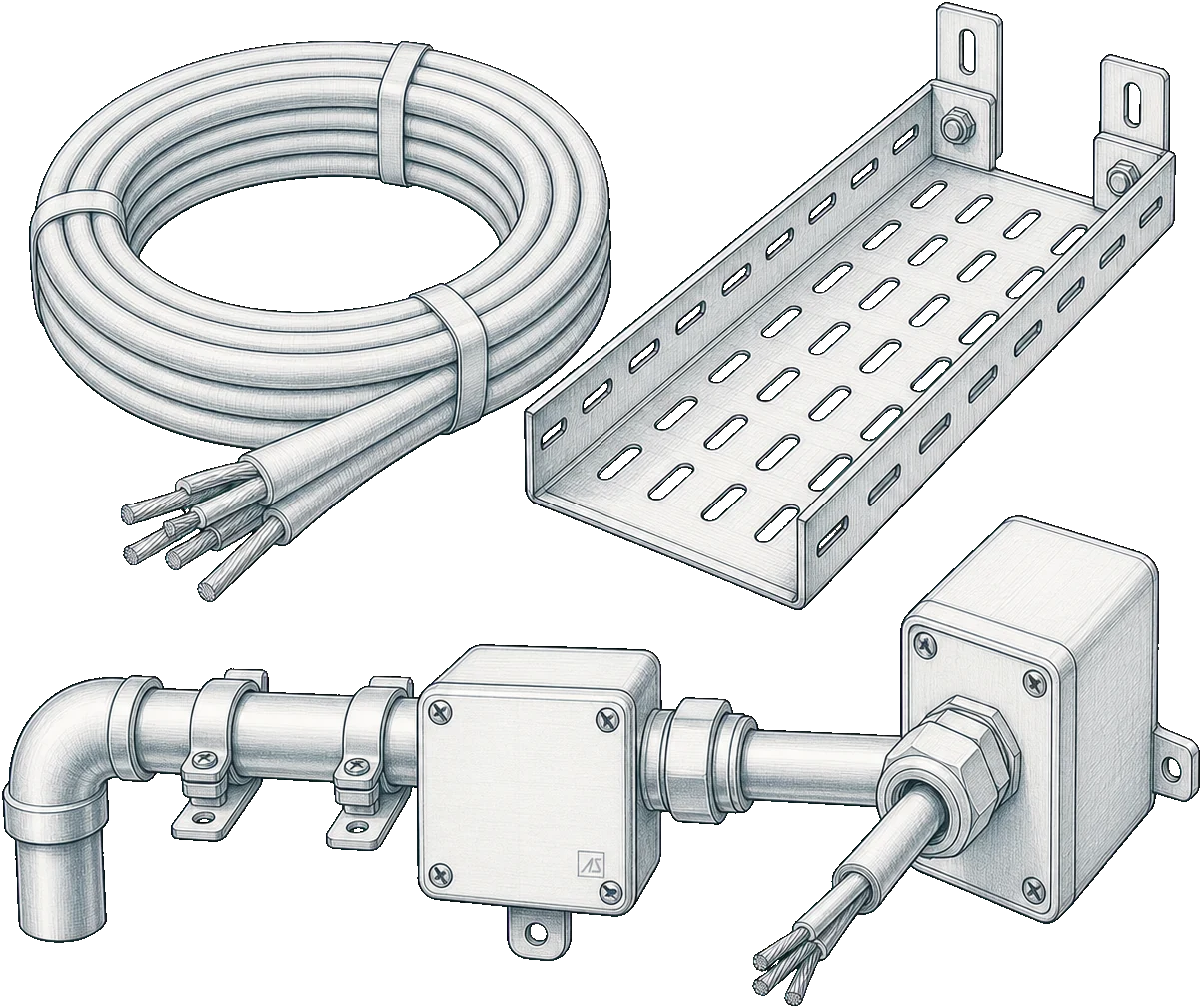
Cabling and containment
Must meet the required circuit integrity, survivability and local wiring rules.
Approval families
Typical approvals and certification requirements
- ISO 7240 or EN 54 component and system standards, depending on the project market
- UL 268 / UL 864 and FM approvals for North American projects or wherever your specification requires them
- LPCB, VdS and other third-party schemes where required by the authority, insurer or client
- Marine type approval and MED wheelmark for relevant vessel installations
Governing rules
Codes, standards and project rules
- 01
The locally adopted fire code and authority requirements govern system category, coverage, alarm zoning, monitoring, documentation and acceptance.
- 02
ISO 7240-14 and NFPA 72 are common design, installation, commissioning and service references; use the edition actually adopted for the project.
- 03
Compatibility is system-specific. A shared protocol name does not automatically make every panel, loop card, detector and firmware combination acceptable.
Design information
Information needed to design and quote the system
Complete inputs reduce assumptions, expose interface risks early and make competing proposals meaningfully comparable.
- 01
Building use, fire strategy, occupancy and authority requirements
- 02
Plans, reflected ceiling layouts, ceiling heights, voids, beams and airflow information
- 03
Expected fire signatures, nuisance sources and environmental limits
- 04
Required alarm zoning, addressing, graphics and cause-and-effect
- 05
Existing panel, protocol, software, loop loading and network information
- 06
Standby duration, cable survivability, test access and future expansion
Inspection, testing and maintenance
Inspection, testing and maintenance requirements
Frequency and method must follow the adopted standard, authority conditions and manufacturer instructions. These recurring activities belong in the maintenance plan.
- 01
Inspect equipment condition, indications, batteries, wiring and records at the frequencies required by the adopted code.
- 02
Functionally test detectors with a manufacturer-supported stimulus that reaches the sensing chamber; a magnet-only check is not a substitute where a functional test is required.
- 03
Test manual call points, alarm transmission, interfaces, notification and the complete cause-and-effect sequence, recording impairments and defects.
- 04
Trend contamination and repeated unwanted alarms; clean or replace devices in accordance with manufacturer limits rather than resetting recurring faults.
Mapped manufacturers
See all brands
Brands that support this solution
Tyco
Minerva marine detection and SIL2 configuration planning
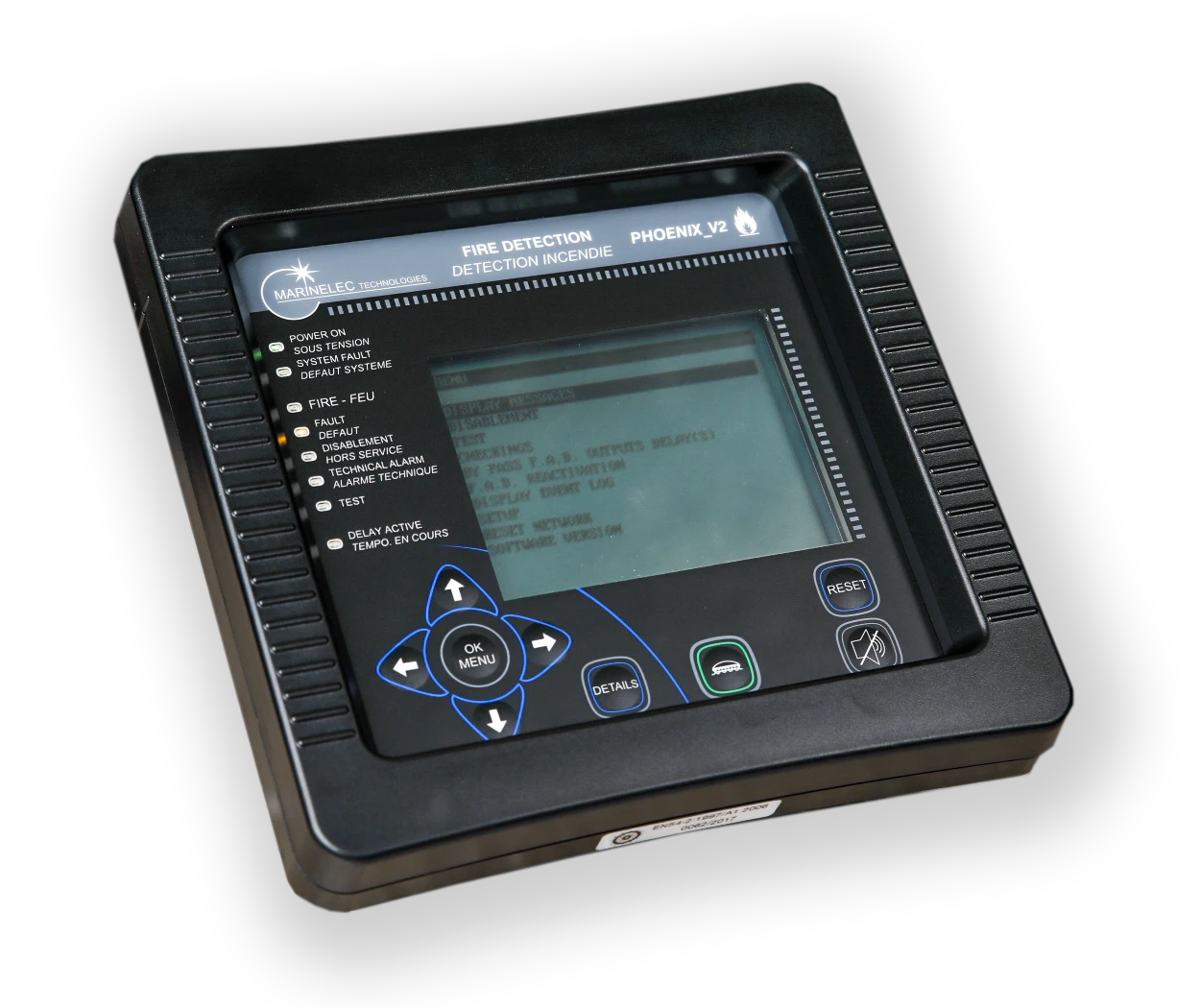

Marine fire alarm control with supported Apollo devices
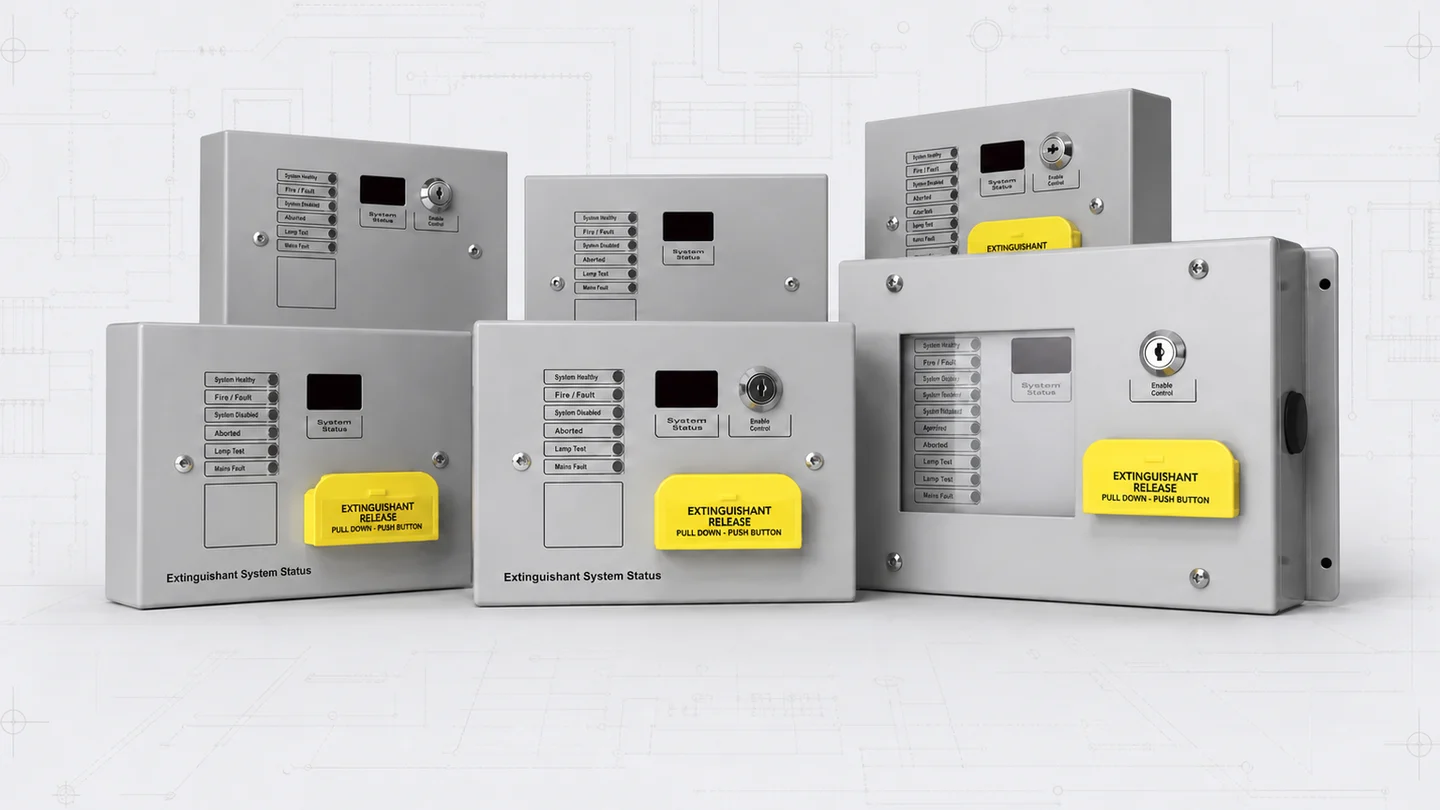

Marine addressable control in the specified Syncro ASM configuration
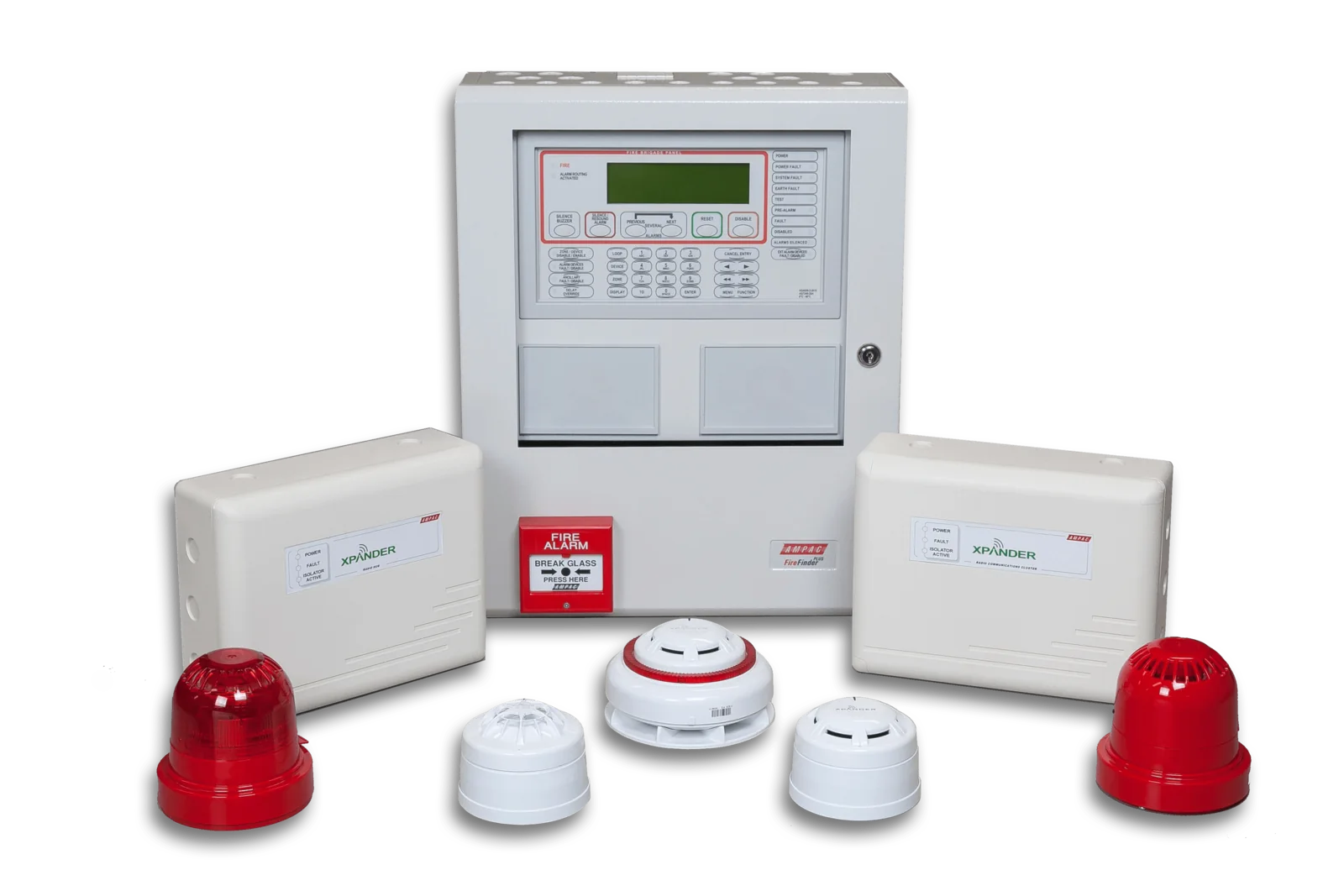
Ampac
Marine fire detection and alarm control in approved configurations
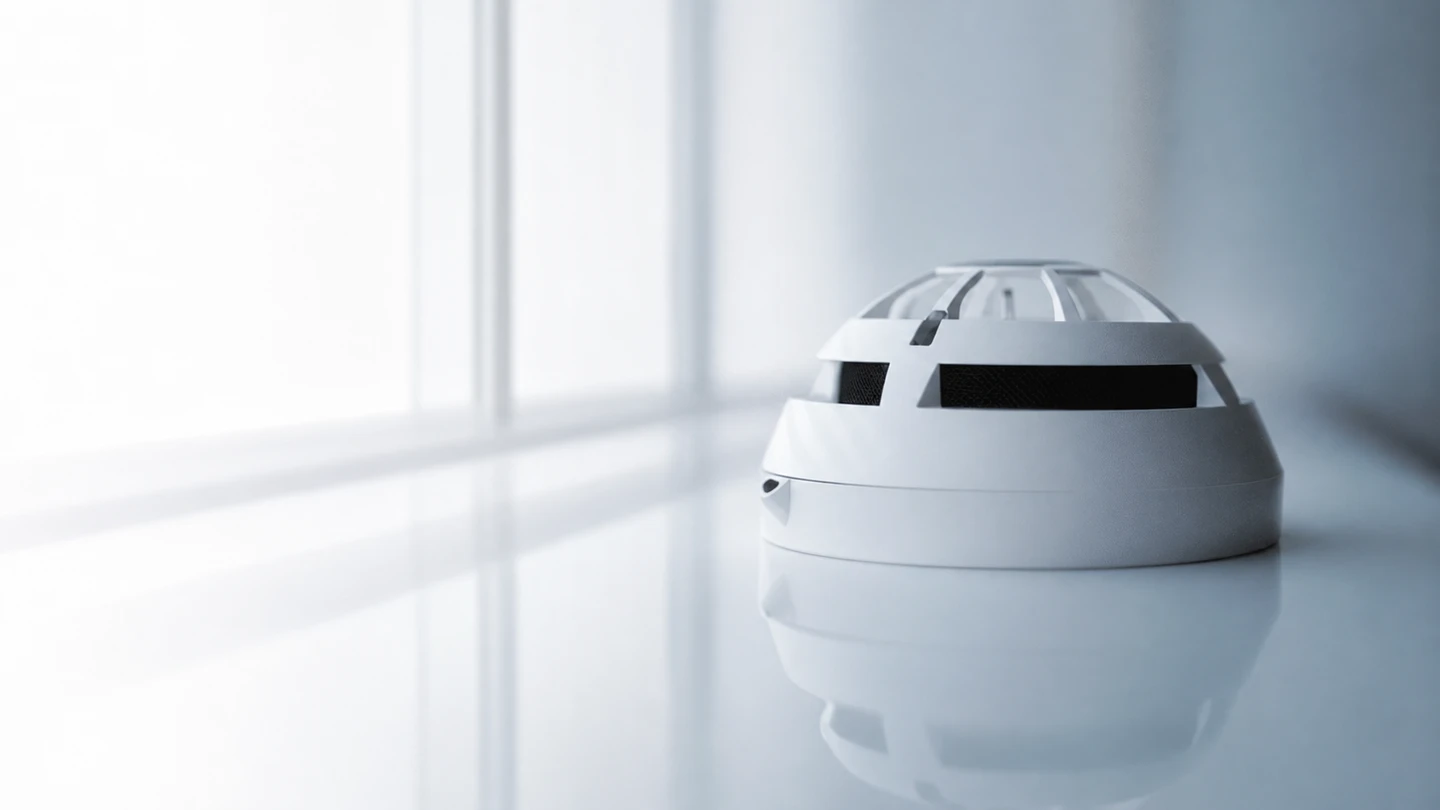

Compatible detection devices selected for the marine panel and approval
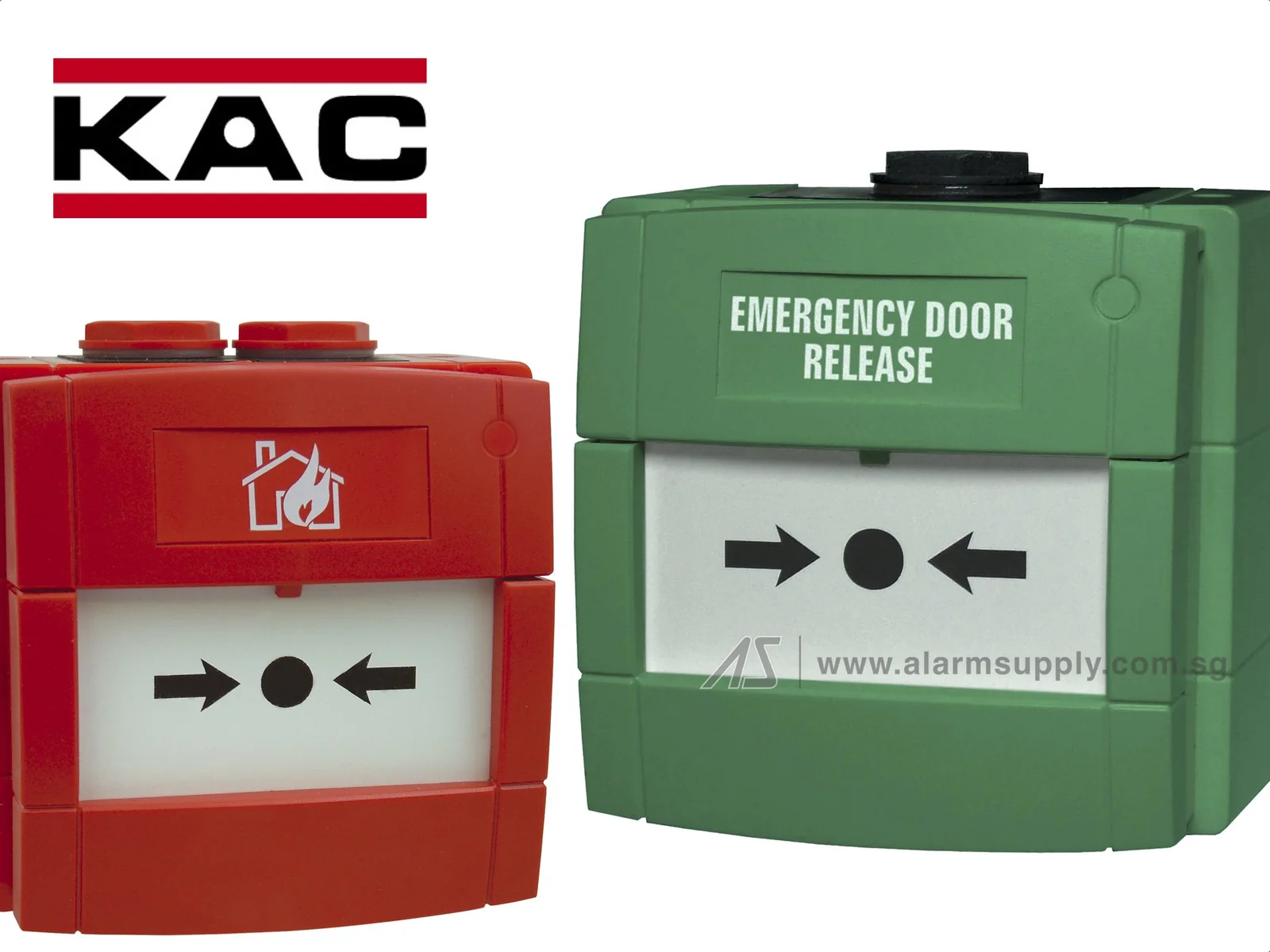

Manual call points and specialist initiating devices.
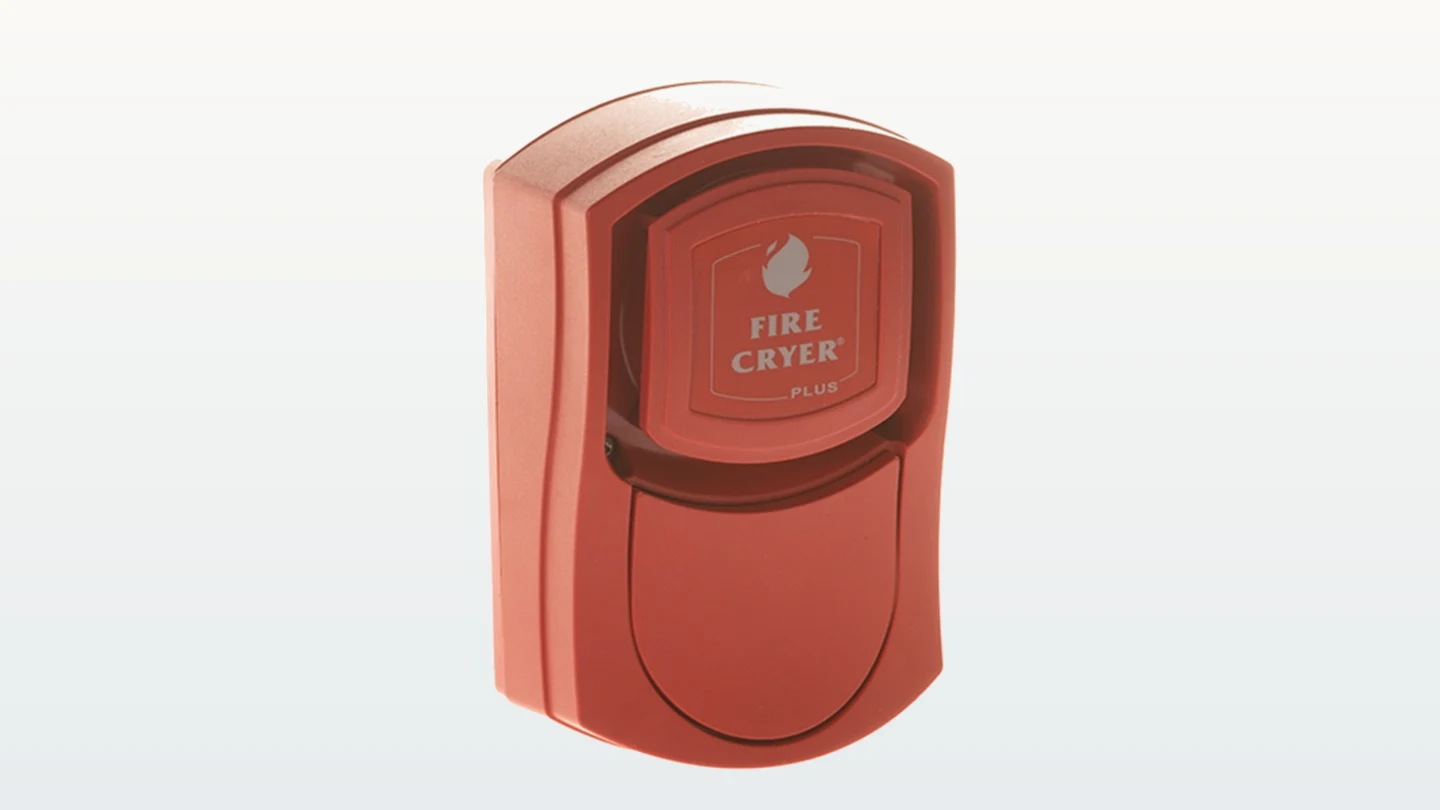

Alarm, evacuation and supporting life-safety equipment.
Hochiki
Hochiki for fire detection and control.
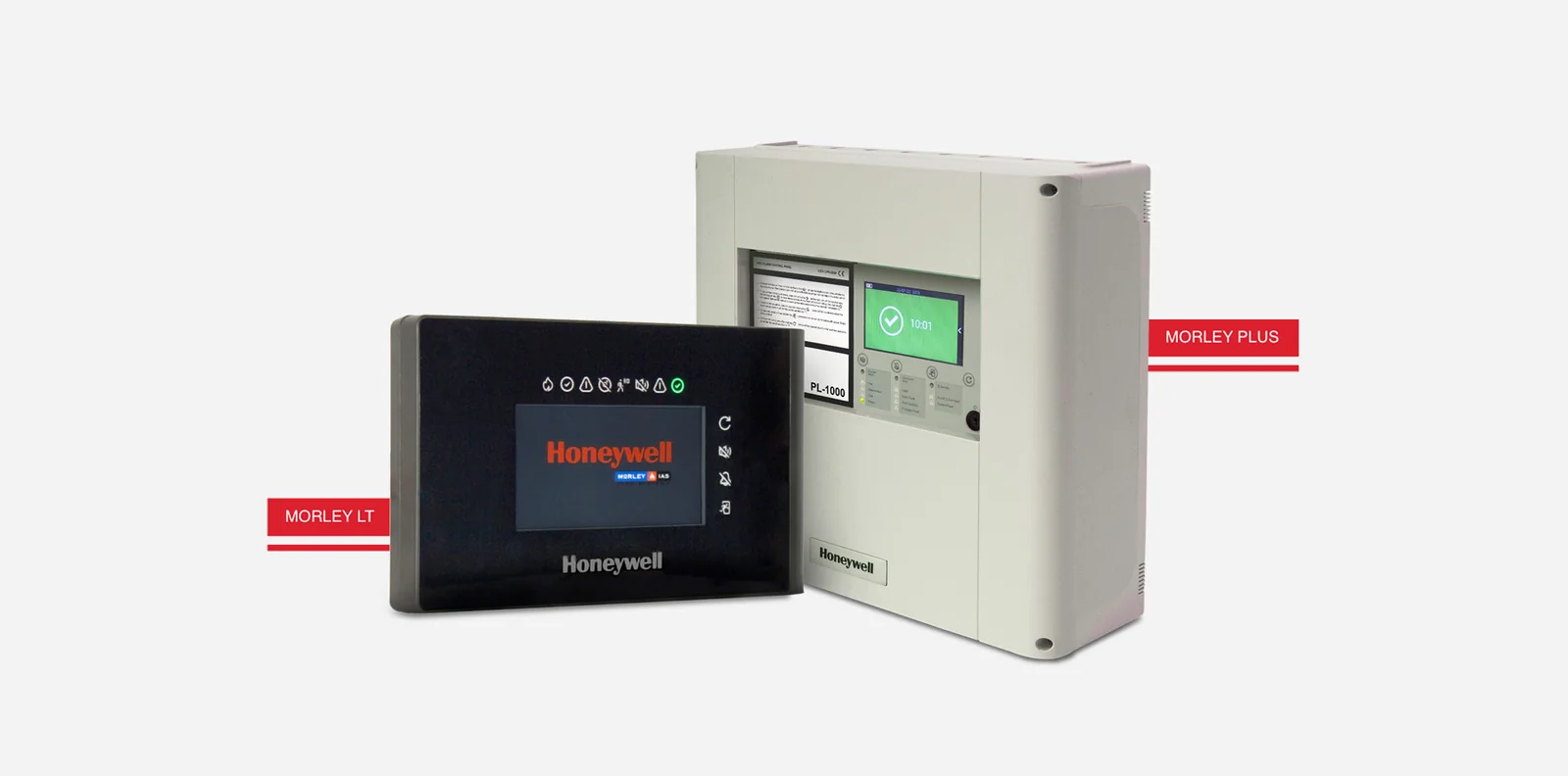
Honeywell
Honeywell for fire detection and control.
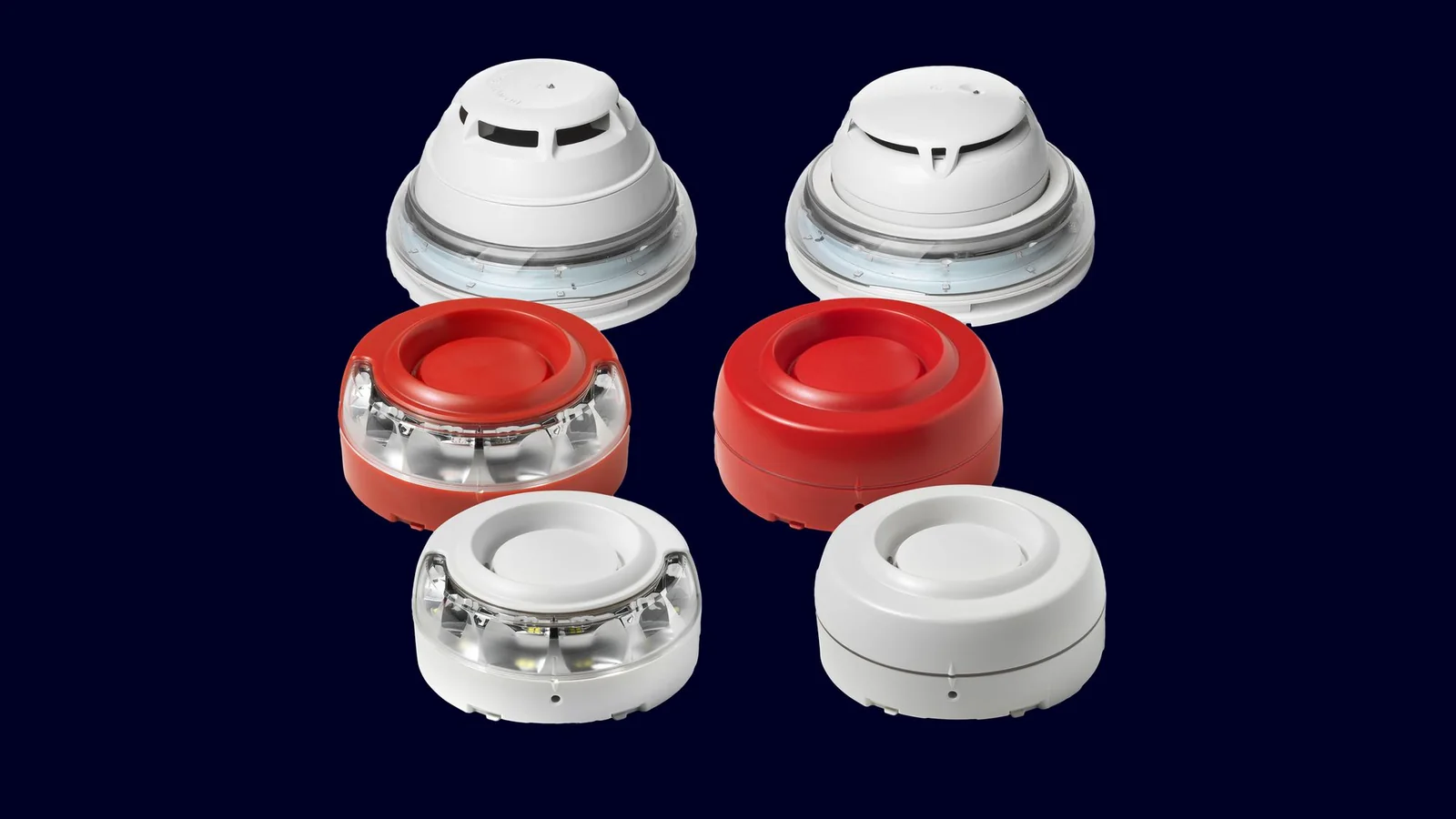
Siemens
Siemens for fire detection and control.
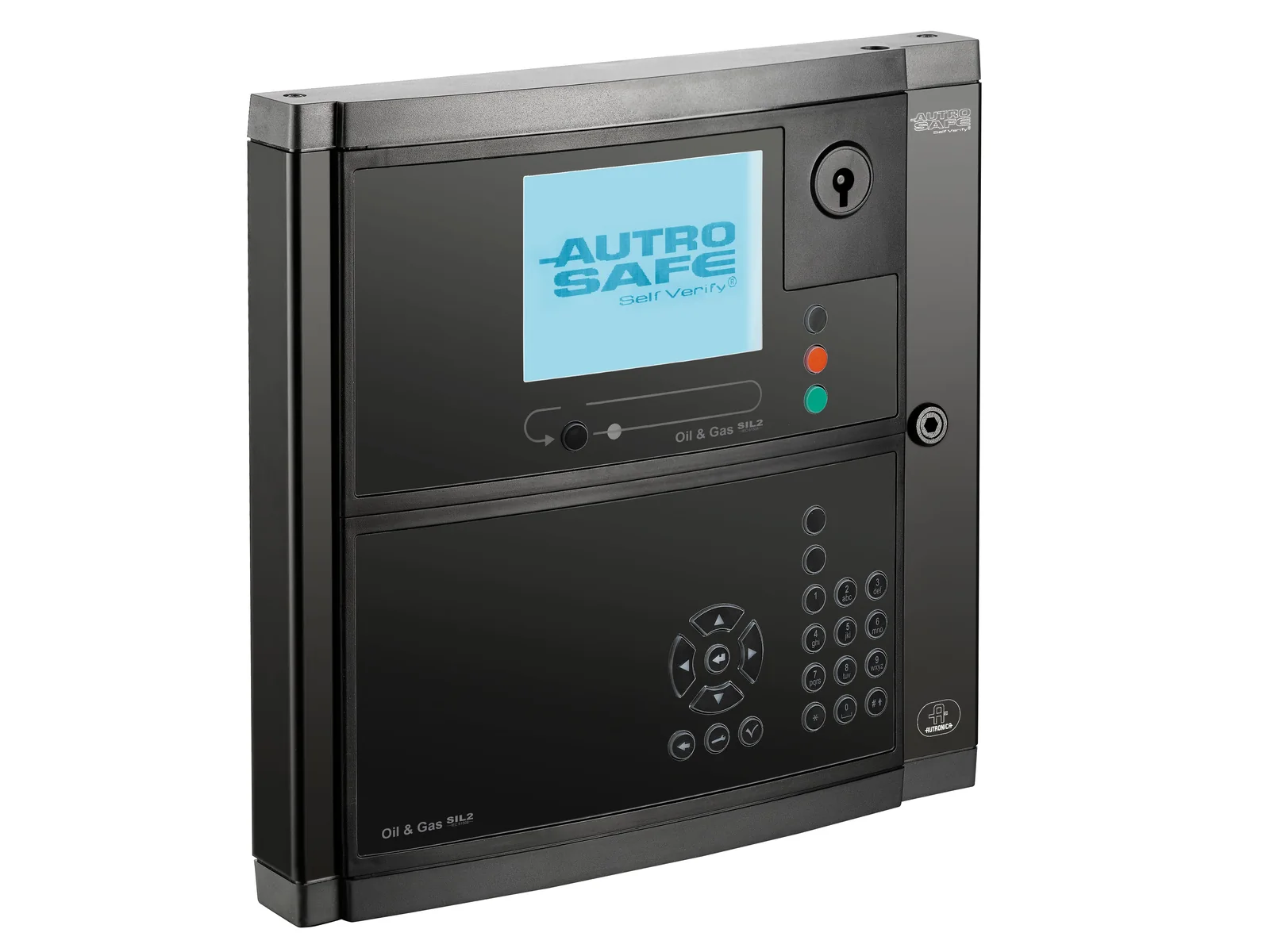
Autronica
Autronica for fire detection and control.
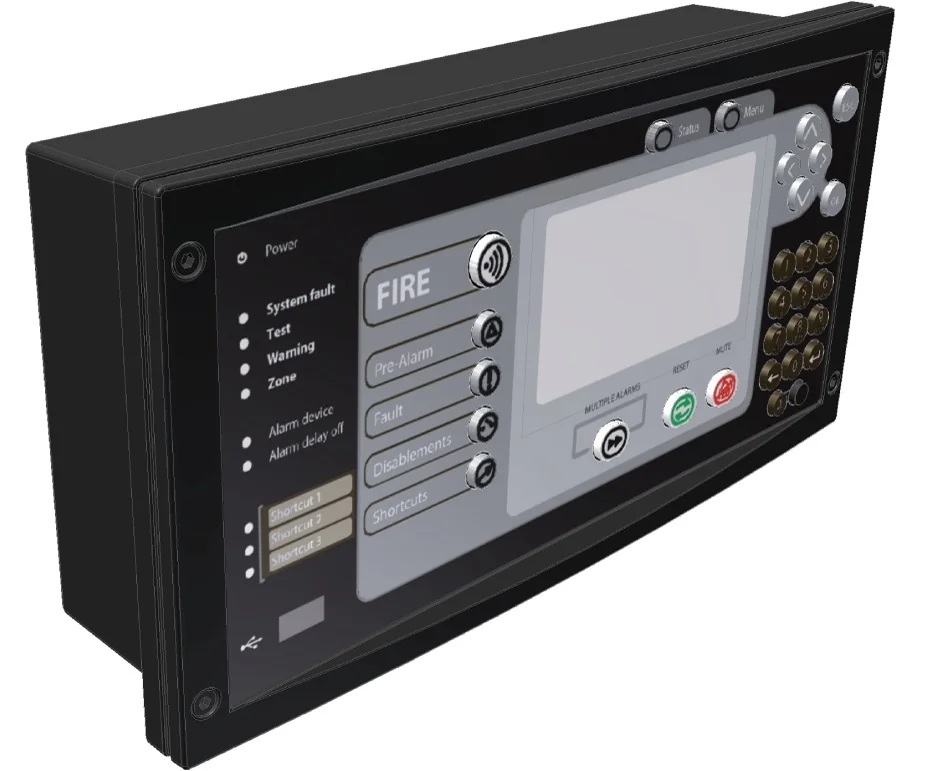
Consilium
Consilium for fire detection and control.
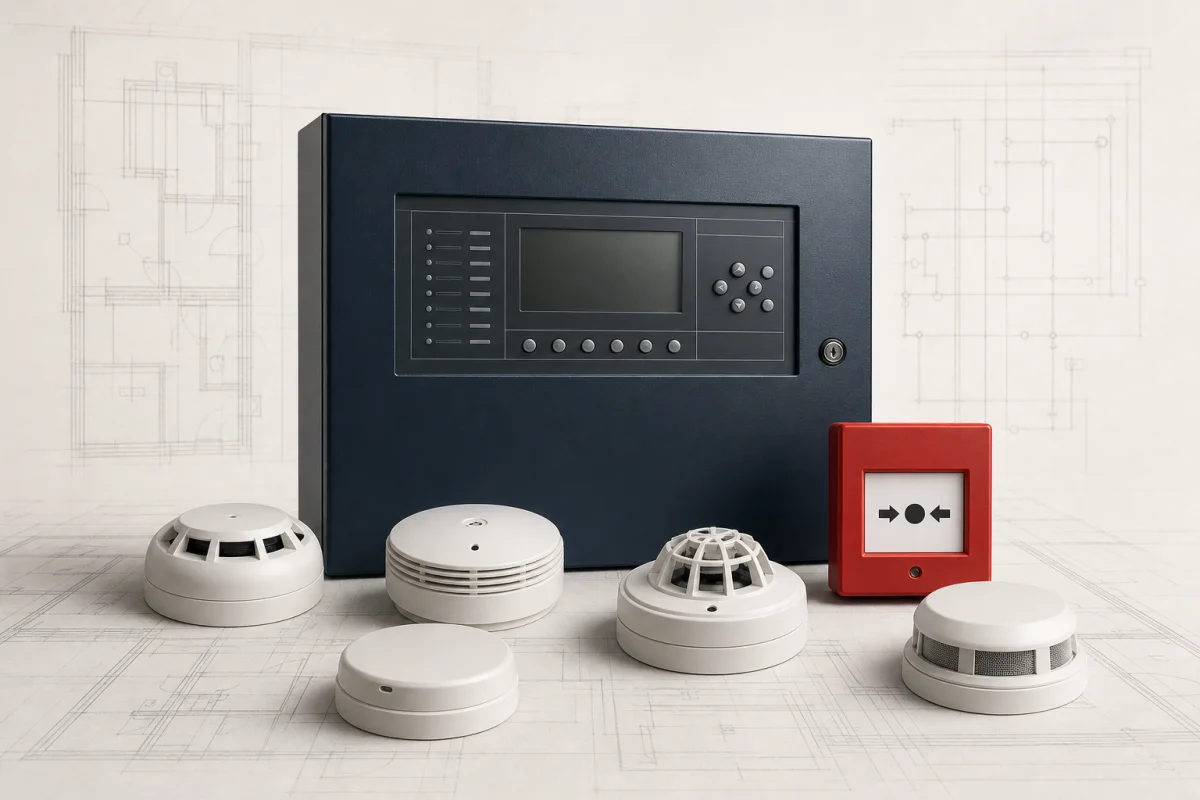
Salwico
Salwico for fire detection and control.
Nittan
Nittan for fire detection and control.
Range, approval, territory and project suitability remain model-specific and are confirmed for each enquiry.
Delivery and lifecycle services
Services needed across the system lifecycle
Appointments, licences and authority requirements vary by country. We confirm what the service must include before work starts.
Solution designFire safety drawings, calculations, equipment schedules and approval documents for coordinated projects.
Marine installationMarine fire-system installation and replacement with flag, class and vessel requirements addressed.
Testing and commissioningDevice, circuit, interface and cause-and-effect testing with traceable commissioning records.
Statutory system testing and maintenanceScheduled inspection, testing, maintenance and defect reporting for installed fire safety systems.
Research basis
Standards and official references
These sources establish the system context. Verify the edition adopted by the project and the current certificate for the exact model.
Related knowledge
Knowledge base
Related technical guides
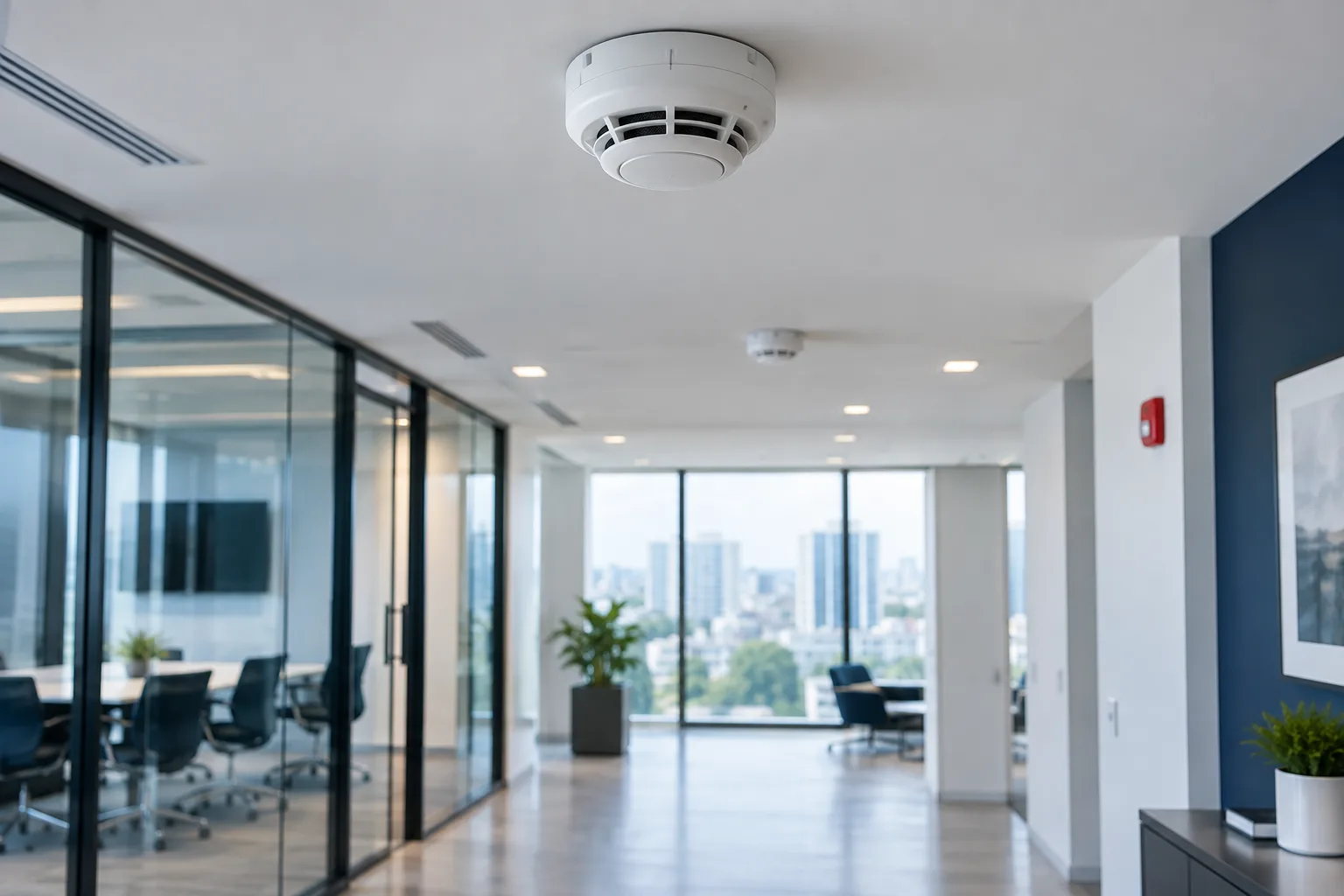
Guide to smoke detection in commercial buildings
Understand detector types, placement and selection factors.
Read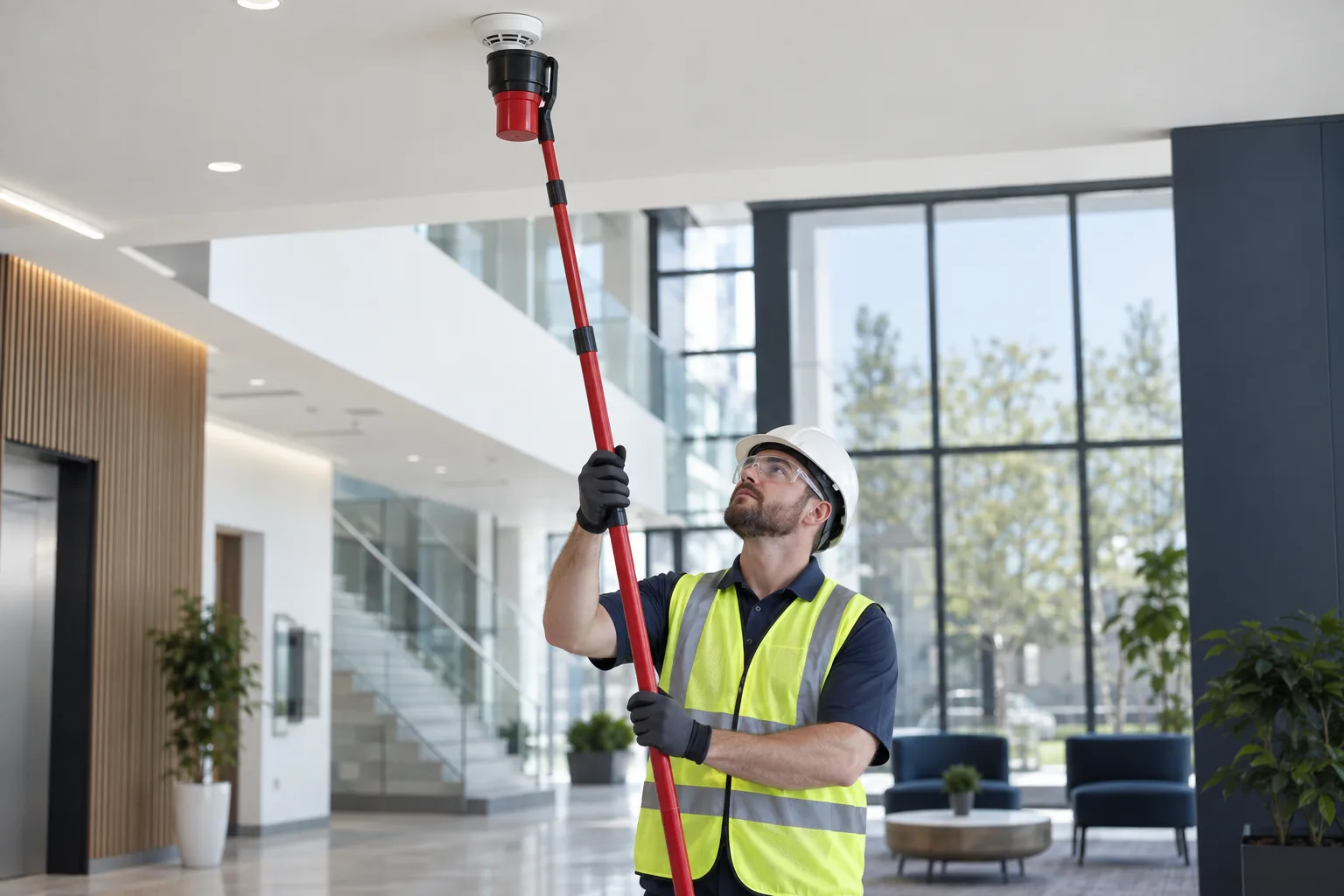
Testing detectors in difficult-to-access locations
Compare access poles, installed test systems and safe maintenance planning.
Read
Writing a fire-alarm cause-and-effect matrix
Organize initiating events, outputs, interfaces, timing, reset and test requirements.
ReadPlan the complete system
Connected Applications And Solutions
Follow the application through equipment selection, interfaces and professional support.
Common Questions
Frequently Asked Questions
Which detector type should I use?
Choose from the expected fire signature and environment. Smoke is often earlier, heat tolerates some nuisance aerosols, flame responds rapidly to visible flaming hazards, and aspirating systems address very early warning or difficult access.
Can different brands share one addressable loop?
Only when the panel manufacturer explicitly supports the exact protocol, device models and firmware, and the combined system approval permits the arrangement.
How often should detectors be replaced?
There is no universal replacement age. Follow the adopted maintenance standard, manufacturer lifecycle guidance, contamination data, product support status and any local or insurer rule.