Marine control platforms
Marine-approved fire safety control panels
Conventional detection identifies a zone, addressable detection identifies the device, and an extinguishing-release panel controls discharge. Verify the exact panel, connected devices, certificate coverage, flag and class acceptance as one system.
01
Addressable marine detection
Tyco
Minerva T2000 / T2000CV
MZX-based detection with a networkable T2000 or standalone T2000CV. SIL2 requires a defined safety function and the appropriate system configuration.
- Approval basis
- IEC 61508 documentation and marine type approval must be assessed separately
- Typical use
- Vessels requiring addressable detection, operator stations and a documented safety function.
Explore Tyco
Official product details
02
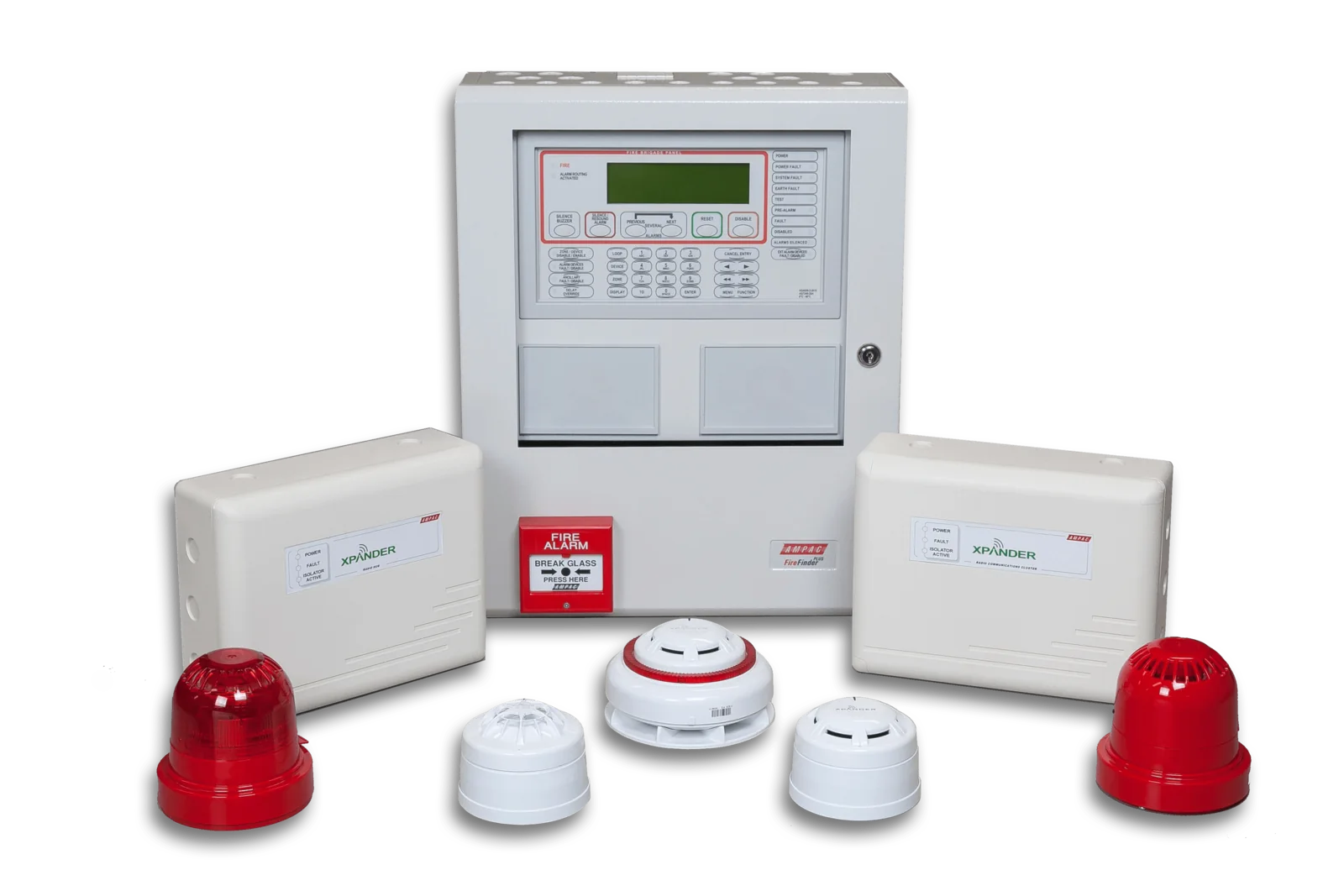
Conventional fire-alarm control
A 2, 4, 8 or 12-zone panel family for marine fire detection, with monitored sounder circuits, muster alarm and false-alarm management.
- Approval basis
- MED · Lloyd’s Register · ABS
- Typical use
- Smaller vessels and projects organised around clearly defined detection zones.
Official product details
03
Addressable fire-alarm control
A 1 or 2-loop analogue-addressable platform that identifies the individual device and can network panels across a vessel.
- Approval basis
- MED · marine classification approvals
- Typical use
- Small-to-medium vessels requiring point identification, networking and optional VDR integration.
Explore Kentec
Official product details
04
Conventional or addressable control
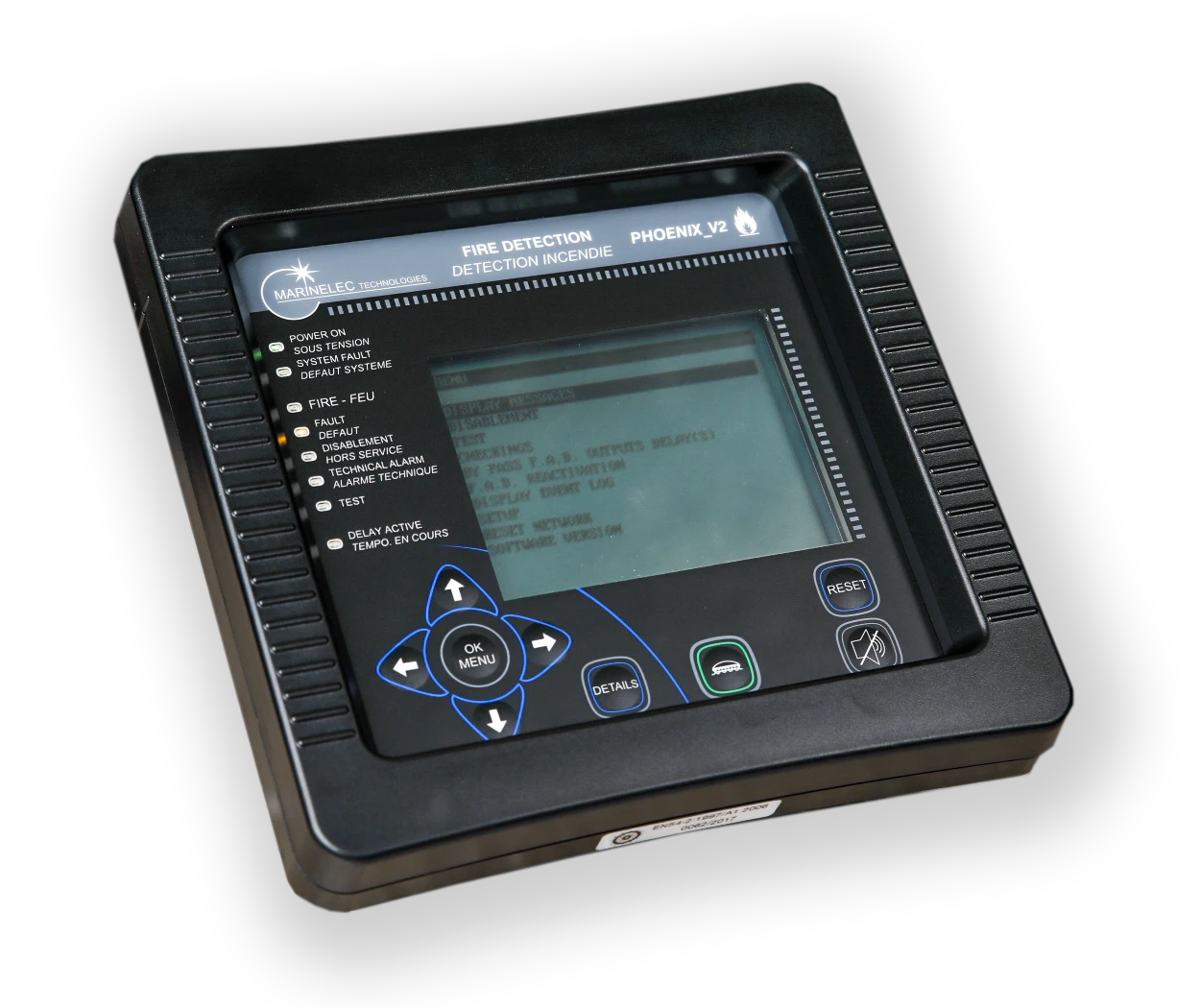
Marinelec
DI09 / PHOENIX V2
DI09 covers conventional detection; PHOENIX V2 provides two addressable loops with cause-and-effect, General Alarm and vessel-system interfaces.
- Approval basis
- MED type-approved panel ranges
- Typical use
- Integrated vessel detection, alarm and VDR, AMS or public-address interfacing.
Explore Marinelec
Official product details
05
Aerosol release and monitoring
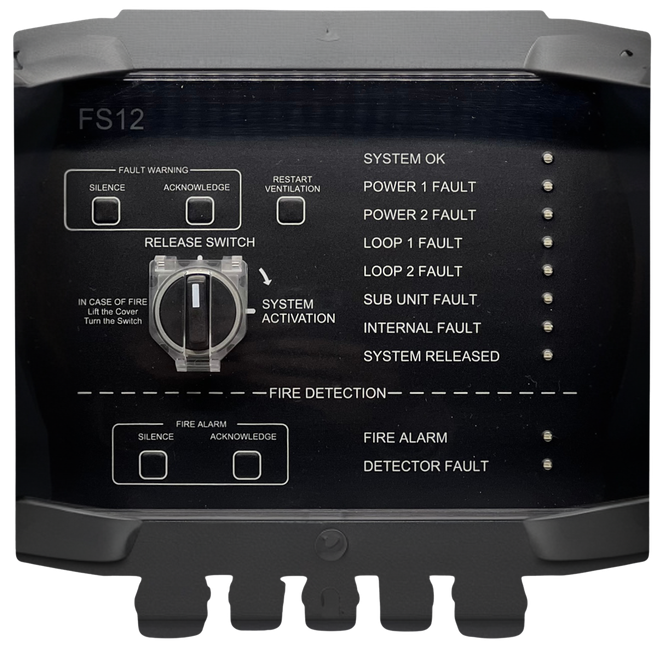
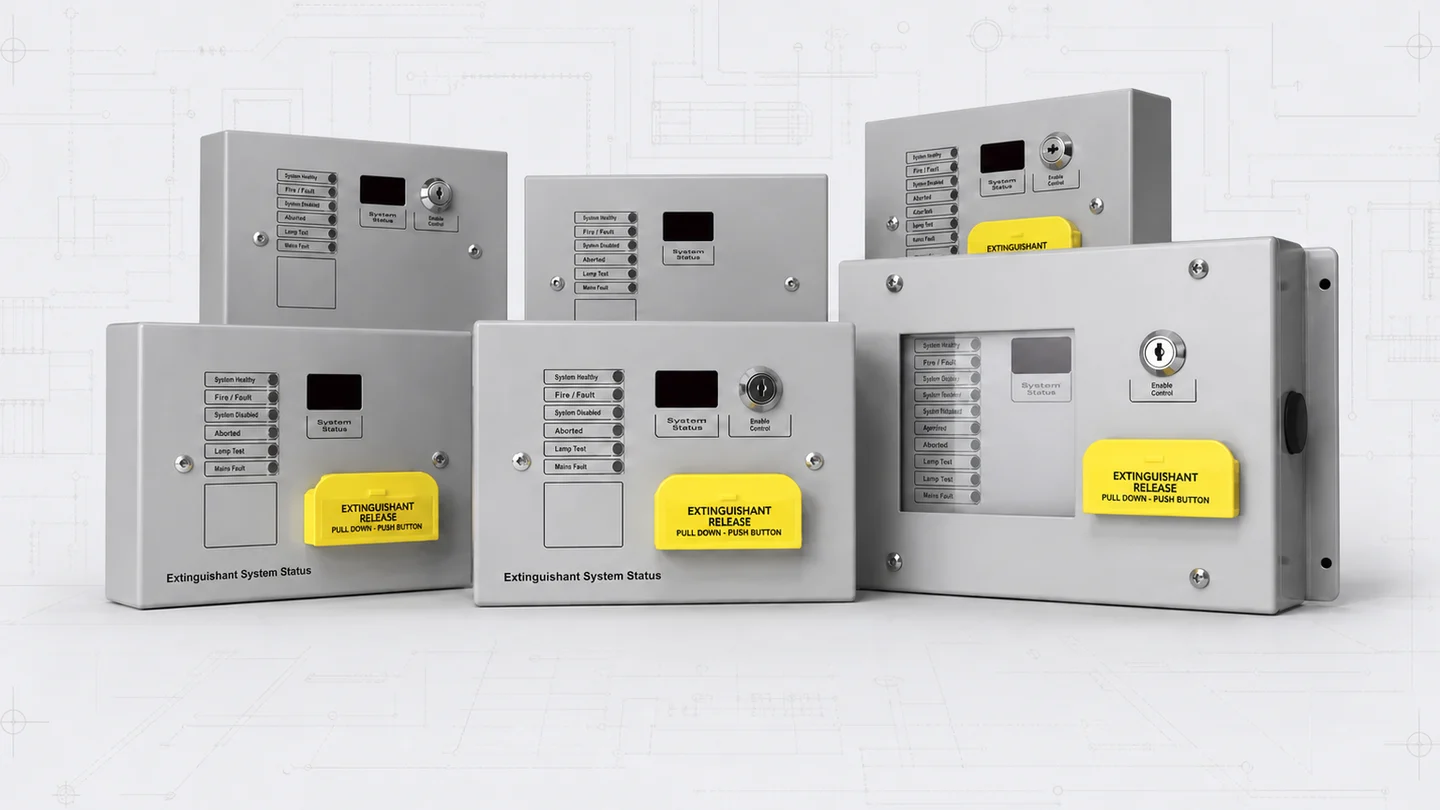
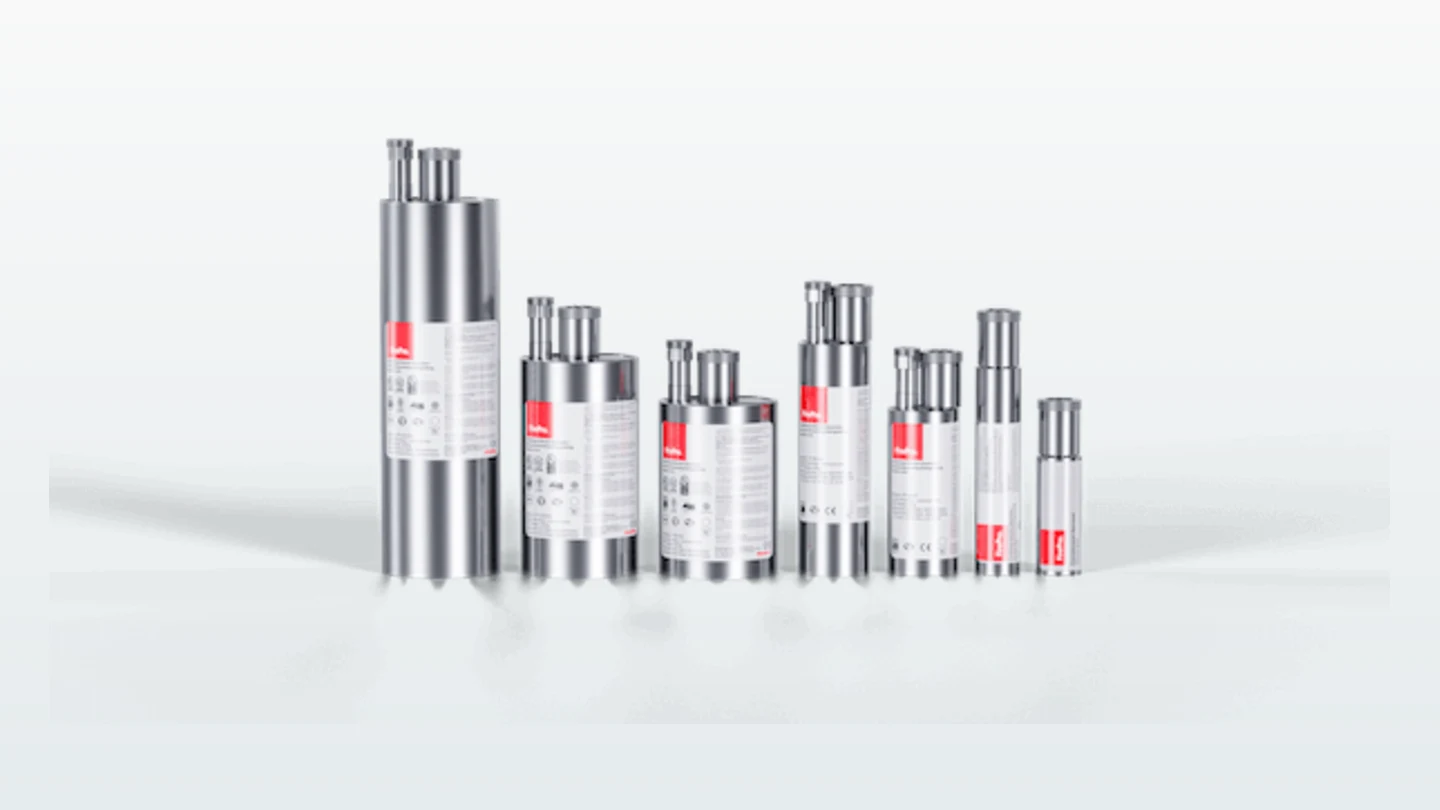
Manual release control for fixed aerosol systems, supervising power, release circuits, detectors and connected components.
- Approval basis
- Verify the supplied system certificate and vessel acceptance
- Typical use
- Fixed aerosol fire-extinguishing systems on ships, including release, ventilation and fault logic.
Explore JKE Solutions
Official product details
06
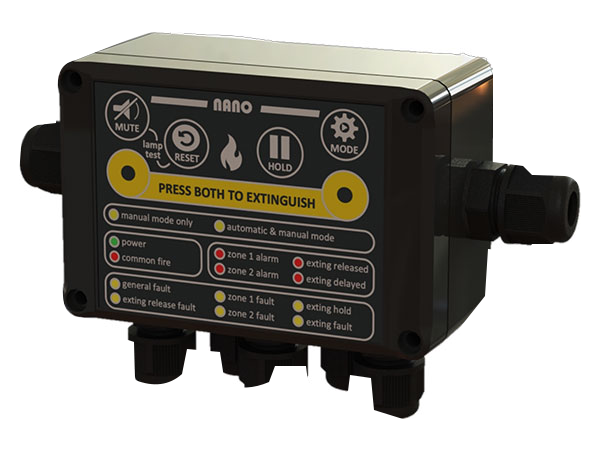
Compact extinguishing release
A compact marine release panel for modular aerosol or solenoid-operated extinguishing systems, with dual power input and supervised activation.
- Approval basis
- DNV-CG 0339 · certificate TAA000037H
- Typical use
- Engine compartments and other compact spaces using modular extinguishing systems.
Explore N2KB
Official product details