

Integrated prevention, detection, containment, extinction and escape at sea
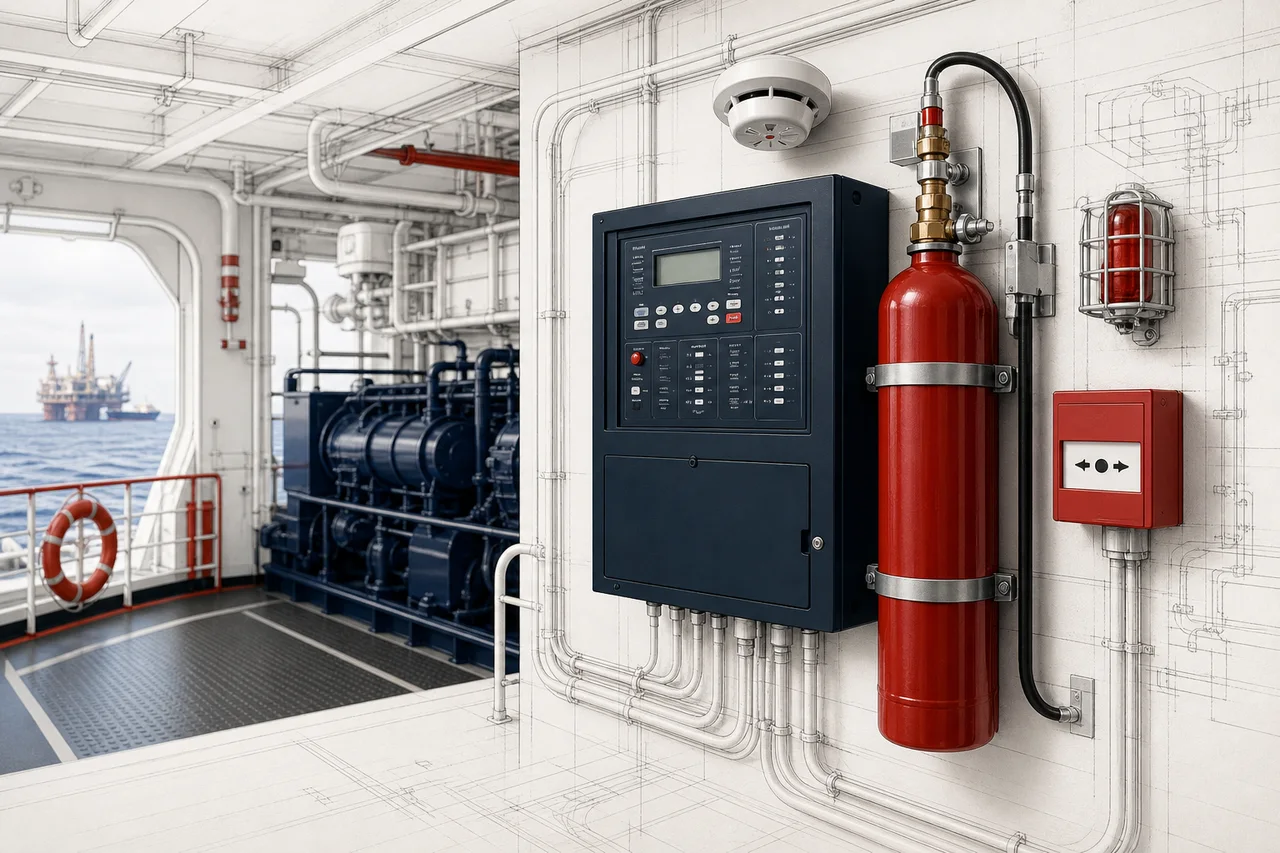
Class-approved applications
Marine & Offshore Fire Safety System
Protecting your vessel means bringing detection, alarms, containment, suppression and escape arrangements together. You need equipment suited to vibration, salt, humidity and onboard power, as well as your vessel’s flag and class requirements. Serviceability matters wherever you operate.
System snapshot
Key system characteristics
The same fields are used across every solution guide, making the systems easier to compare without reducing the decision to a single product.
Automatic and manual systems by space and hazard
Depends on installed suppression technology
Strong for machinery spaces and fixed gas systems
Detection, power, release, pumps, valves, dampers and alarm transfer
Type-approval status, obsolete systems, corrosion, spares and class survey findings
Marine control platforms
Marine-approved fire safety control panels
Conventional detection identifies a zone, addressable detection identifies the device, and an extinguishing-release panel controls discharge. Verify the exact panel, connected devices, certificate coverage, flag and class acceptance as one system.
01
Addressable marine detection
Tyco
Minerva T2000 / T2000CV
MZX-based detection with a networkable T2000 or standalone T2000CV. SIL2 requires a defined safety function and the appropriate system configuration.
- Approval basis
- IEC 61508 documentation and marine type approval must be assessed separately
- Typical use
- Vessels requiring addressable detection, operator stations and a documented safety function.
02
Conventional fire-alarm control
Haes
Esento Marine
A 2, 4, 8 or 12-zone panel family for marine fire detection, with monitored sounder circuits, muster alarm and false-alarm management.
- Approval basis
- MED · Lloyd’s Register · ABS
- Typical use
- Smaller vessels and projects organised around clearly defined detection zones.
03
Addressable fire-alarm control
Kentec
Syncro ASM
A 1 or 2-loop analogue-addressable platform that identifies the individual device and can network panels across a vessel.
- Approval basis
- MED · marine classification approvals
- Typical use
- Small-to-medium vessels requiring point identification, networking and optional VDR integration.
04
Conventional or addressable control
Marinelec
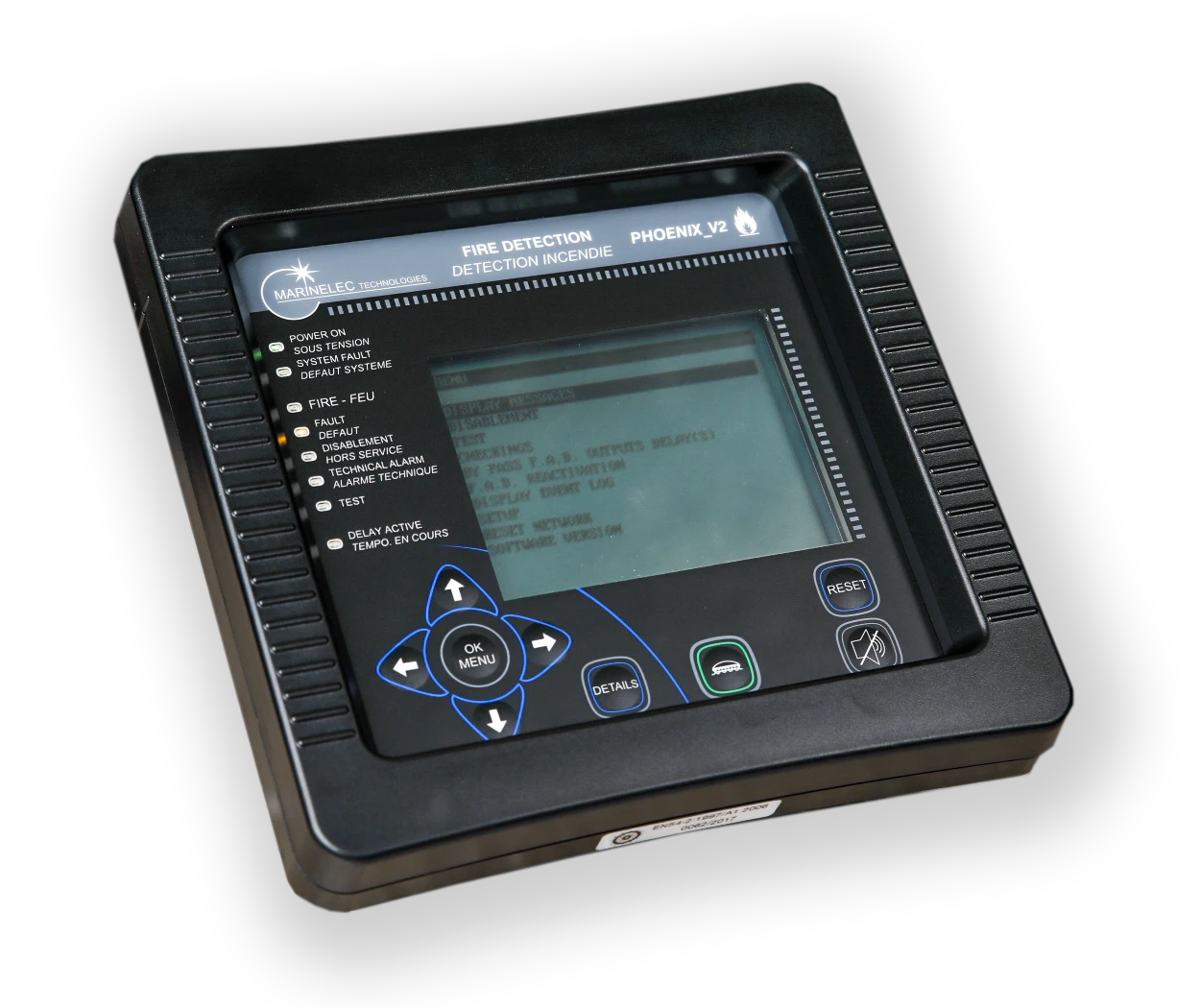
DI09 / PHOENIX V2
DI09 covers conventional detection; PHOENIX V2 provides two addressable loops with cause-and-effect, General Alarm and vessel-system interfaces.
- Approval basis
- MED type-approved panel ranges
- Typical use
- Integrated vessel detection, alarm and VDR, AMS or public-address interfacing.
05
Aerosol release and monitoring
JKE Solutions
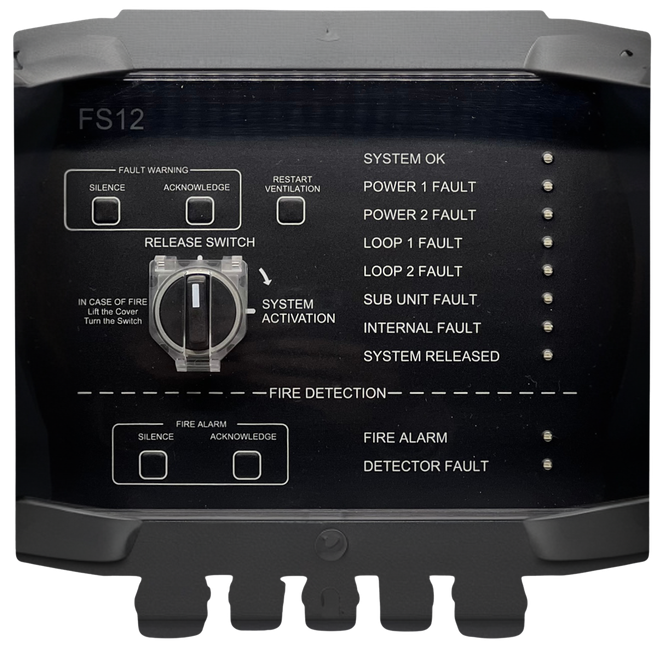
FS12
Manual release control for fixed aerosol systems, supervising power, release circuits, detectors and connected components.
- Approval basis
- Verify the supplied system certificate and vessel acceptance
- Typical use
- Fixed aerosol fire-extinguishing systems on ships, including release, ventilation and fault logic.
06
Compact extinguishing release
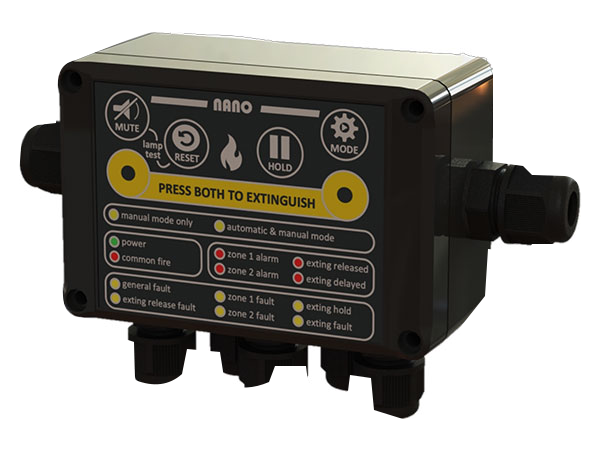
N2KB
NANO
A compact marine release panel for modular aerosol or solenoid-operated extinguishing systems, with dual power input and supervised activation.
- Approval basis
- DNV-CG 0339 · certificate TAA000037H
- Typical use
- Engine compartments and other compact spaces using modular extinguishing systems.
A marine mark on the panel does not automatically approve every detector, module, release circuit or interface connected to it. Check the current certificate schedule and approved system configuration.
How the system works
Protecting your vessel means bringing detection, alarms, containment, suppression and escape arrangements together. You need equipment suited to vibration, salt, humidity and onboard power, as well as your vessel’s flag and class requirements. Serviceability matters wherever you operate.
Key selection considerations
- 01
Regulatory basis: Flag, class, vessel type, build date and notation can change the applicable requirements.
- 02
Marine suitability: A land-approved product is not automatically suitable for marine vibration, EMC, salt mist or wheelmark requirements.
- 03
Lifecycle support: Spares, software access, worldwide service coverage and class-witness availability can be as important as initial product performance.
- 04
Vessel modifications: Modifications need controlled drawings, fire-control plans, class/flag review and careful management of sailing and dry-dock windows.
System anatomy
System components and approvals
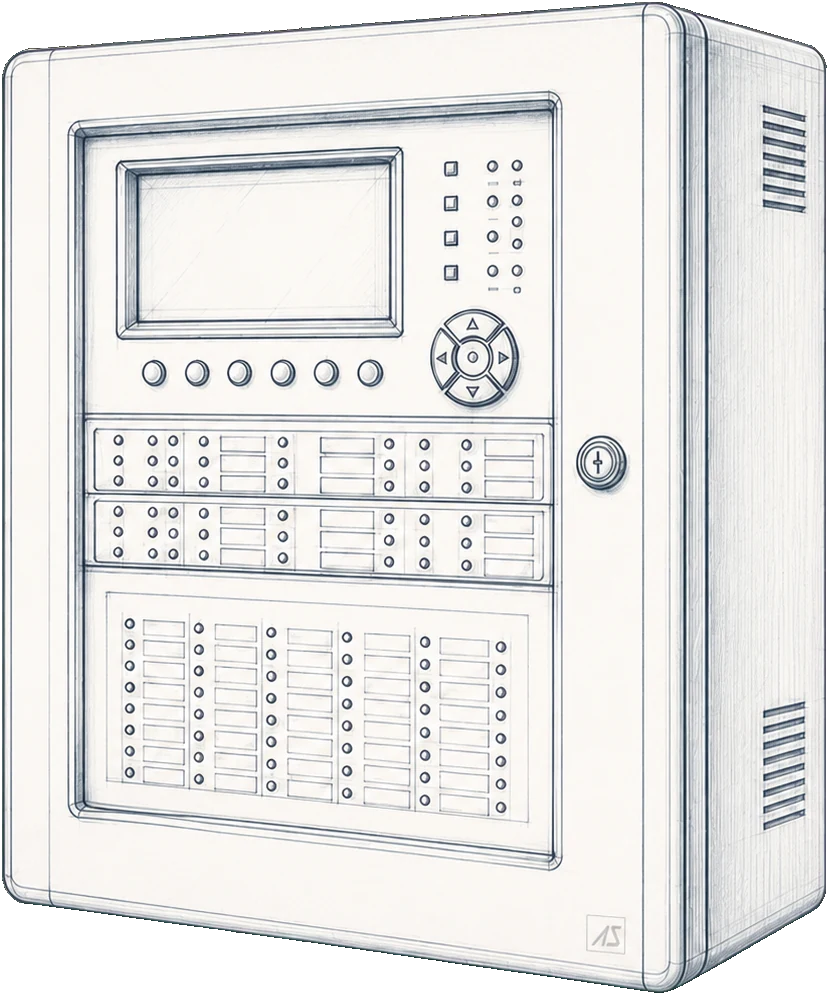
Marine fire detection and alarm system
Panel and devices require applicable marine type approval and environmental testing.
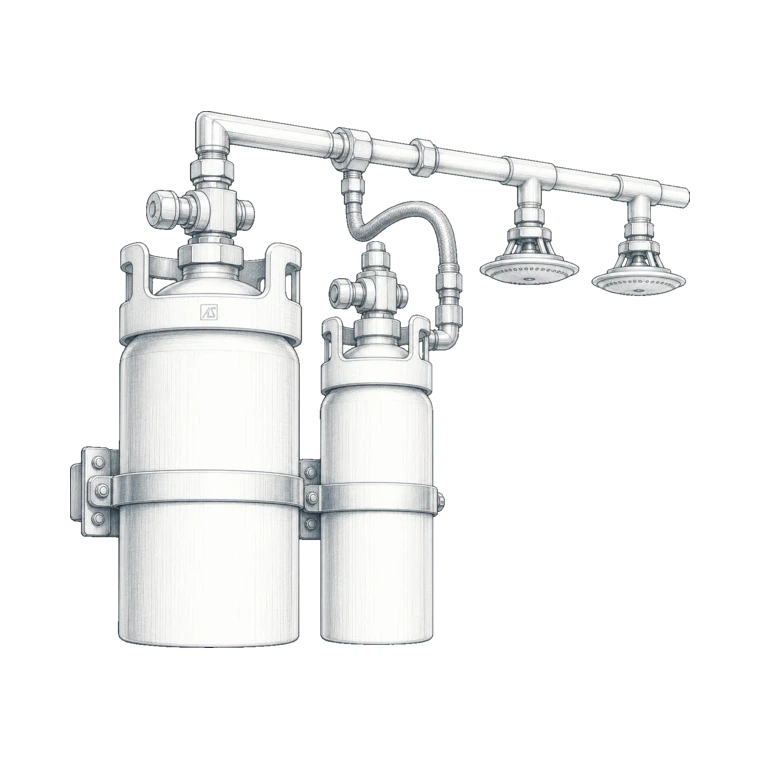
Fixed gas, foam, water-mist, sprinkler or CO₂ systems
Use the FSS Code chapter and class-approved system appropriate to the protected space.
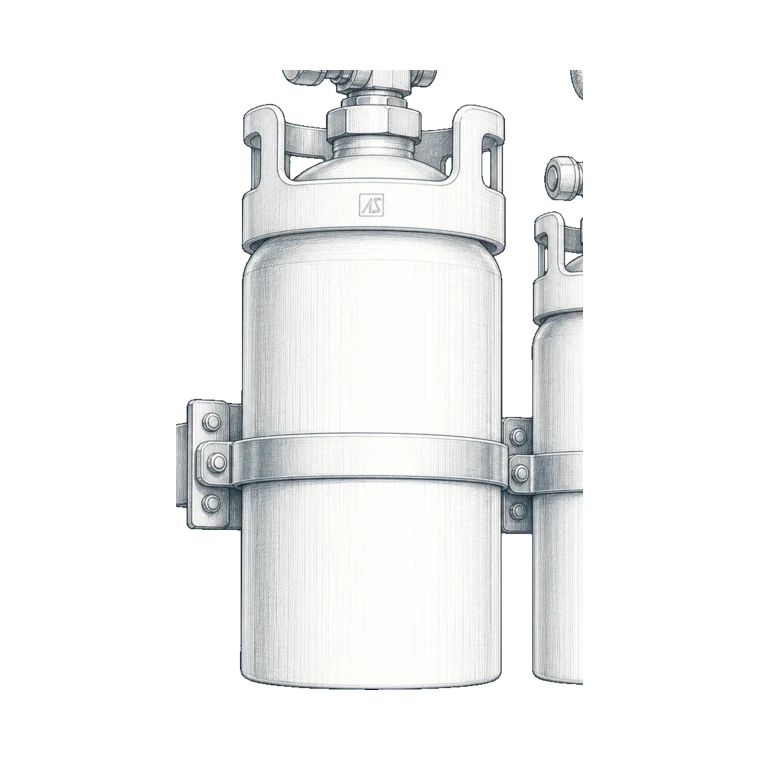
Portable extinguishers and firefighter equipment
Statutory quantity, type, location and service records apply.
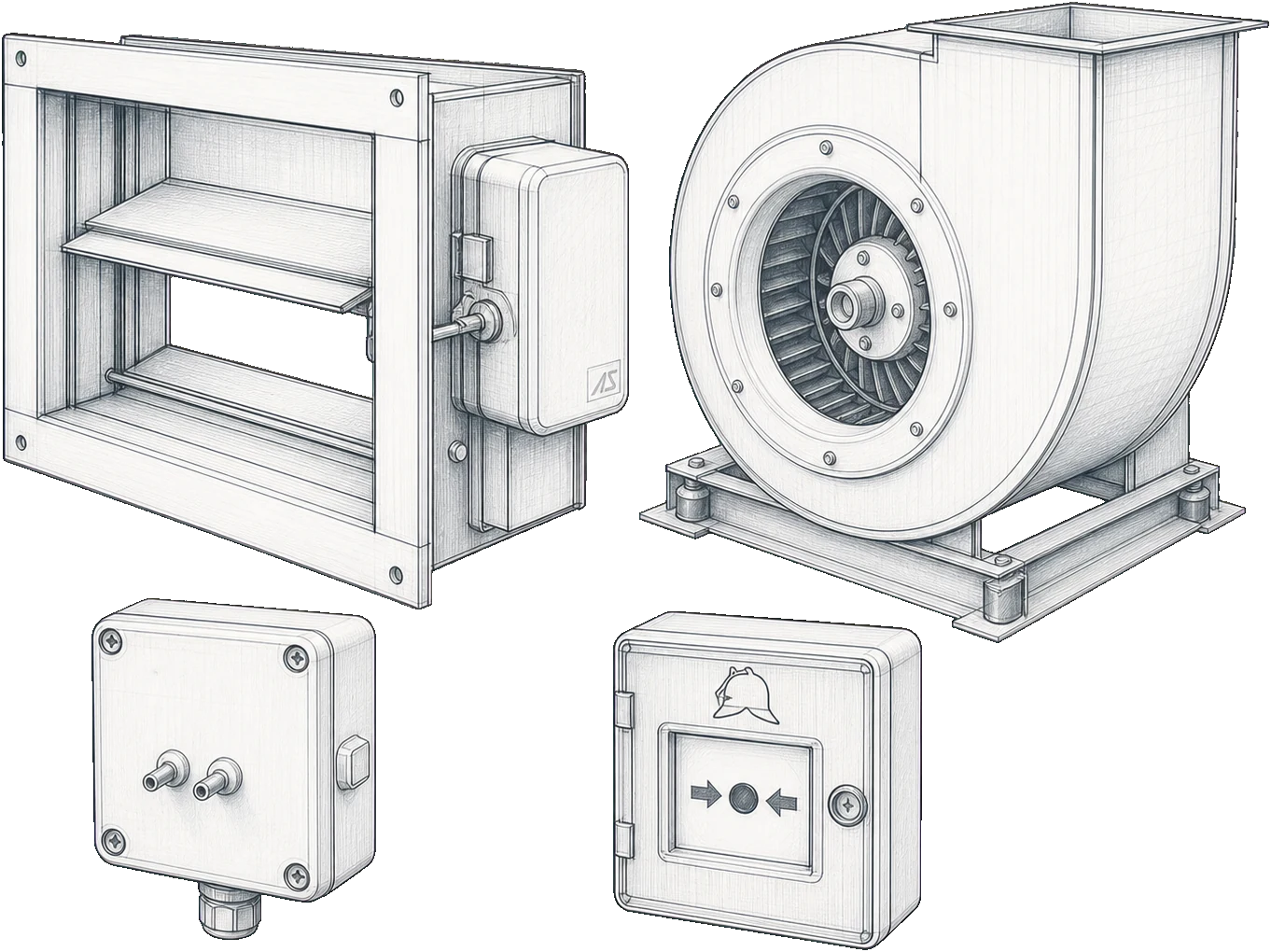
Fire doors, dampers and structural divisions
Require FTP Code fire-test evidence and maintained closing/containment function.
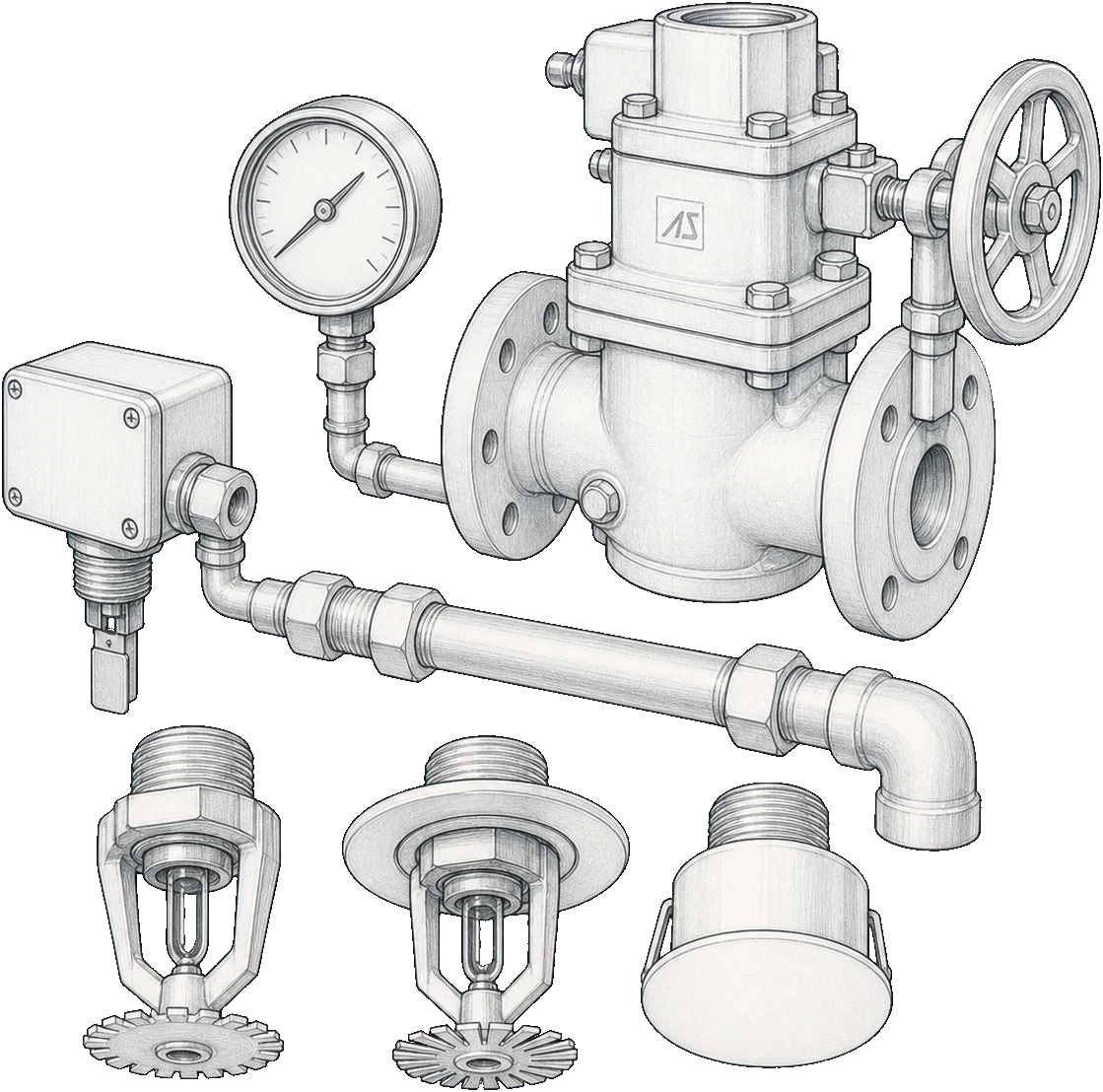
Emergency pumps, hydrants and hoses
Capacity, redundancy, pressure and isolation follow vessel rules.
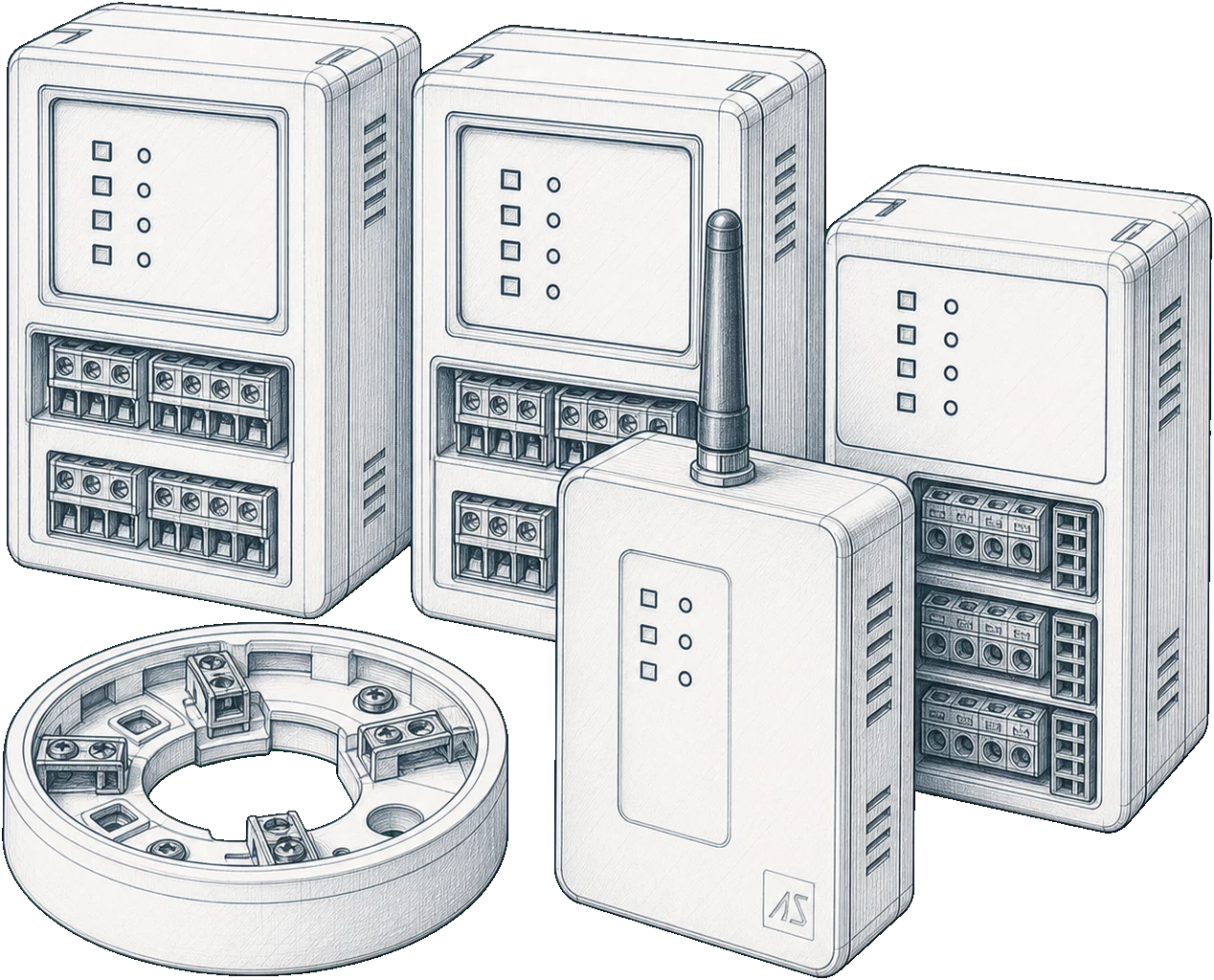
Alarm transfer, PA/GA and vessel interfaces
Segregation, survivability, redundancy and bridge/machinery indications require verification.
Approval families
Typical approvals and certification requirements
- SOLAS Chapter II-2 and the mandatory IMO Fire Safety Systems Code
- Marine Equipment Directive wheelmark for equipment placed on applicable EU-flagged ships
- Flag-administration acceptance and class type approval such as DNV, ABS, LR, BV or equivalent
- IECEx/ATEX and functional-safety evidence for hazardous process areas where applicable
Governing rules
Codes, standards and project rules
- 01
SOLAS Chapter II-2 establishes fire safety objectives; the IMO FSS Code provides system-specific technical provisions.
- 02
The FTP Code governs fire-test procedures for many materials and structural fire-protection products.
- 03
Class rules, flag circulars and vessel-specific approved plans supplement - not replace - the statutory framework.
Design information
Information needed to design and quote the system
Complete inputs reduce assumptions, expose interface risks early and make competing proposals meaningfully comparable.
- 01
Flag, class, vessel type, IMO number, build date and applicable notation
- 02
General arrangement, fire-control plan, space categorisation and escape routes
- 03
Machinery, fuel, cargo and hazardous-area information
- 04
Existing system make/model, approval certificates and class records
- 05
Power, EMC, redundancy, segregation and alarm-transfer requirements
- 06
Port schedule, dry-dock access, class attendance and global service needs
Inspection, testing and maintenance
Inspection, testing and maintenance requirements
Frequency and method must follow the adopted standard, authority conditions and manufacturer instructions. These recurring activities belong in the maintenance plan.
- 01
Follow SOLAS, FSS Code, flag circulars, class survey requirements and the vessel planned-maintenance system.
- 02
Inspect and test detection, alarms, pumps, hydrants, fixed extinguishing systems, doors, dampers and portable equipment without defeating required readiness.
- 03
Record isolations and compensating measures during impairment; restore and verify every function after work.
- 04
Maintain current certificates, service reports, cylinder test records, fire-control plans and class close-out evidence.
Mapped manufacturers
See all brands
Brands that support this solution
Tyco
Minerva marine detection and SIL2 configuration planning

Compact local detection and extinguishing-release control

Manual release and monitoring for fixed aerosol installations

Marine fire alarm control with supported Apollo devices
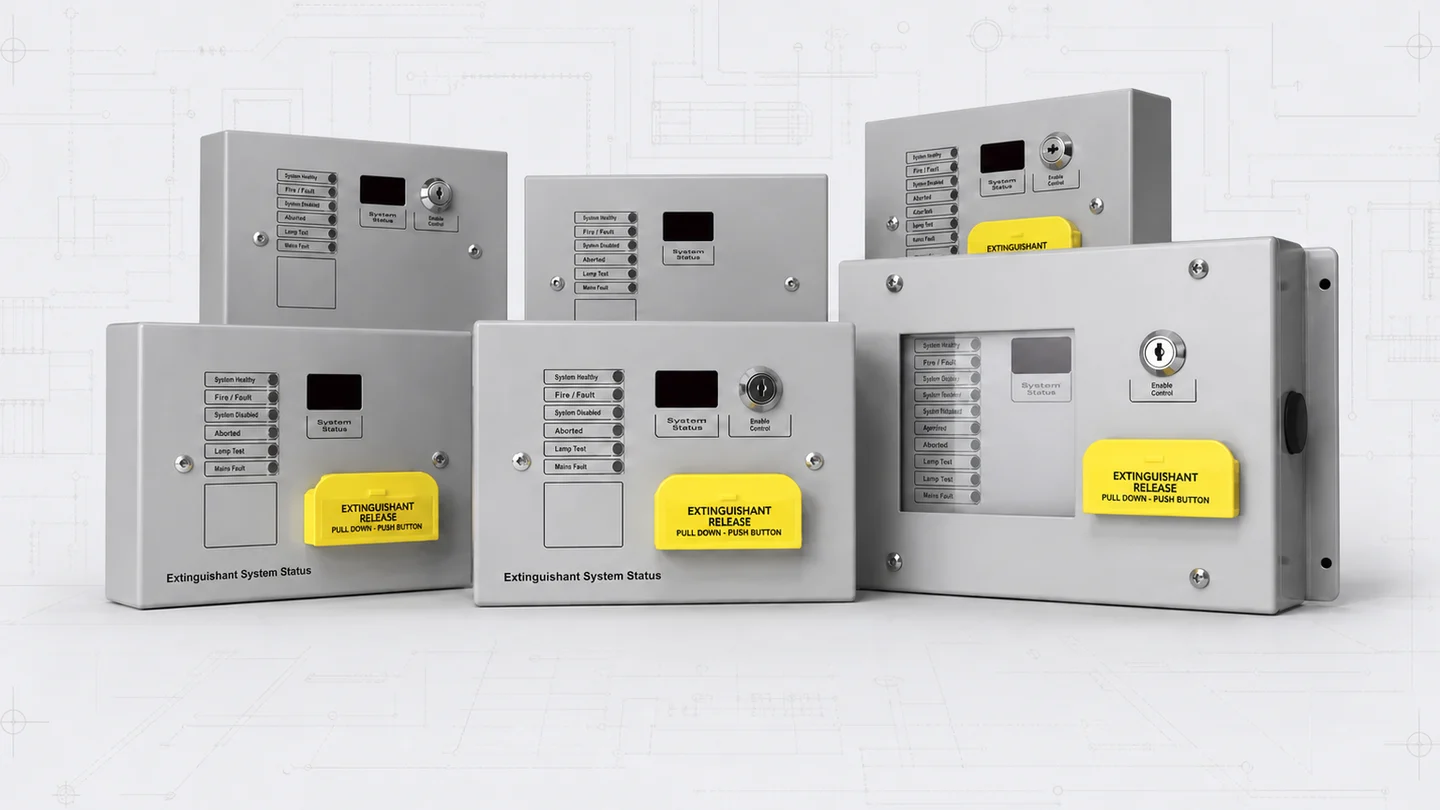

Marine addressable control in the specified Syncro ASM configuration
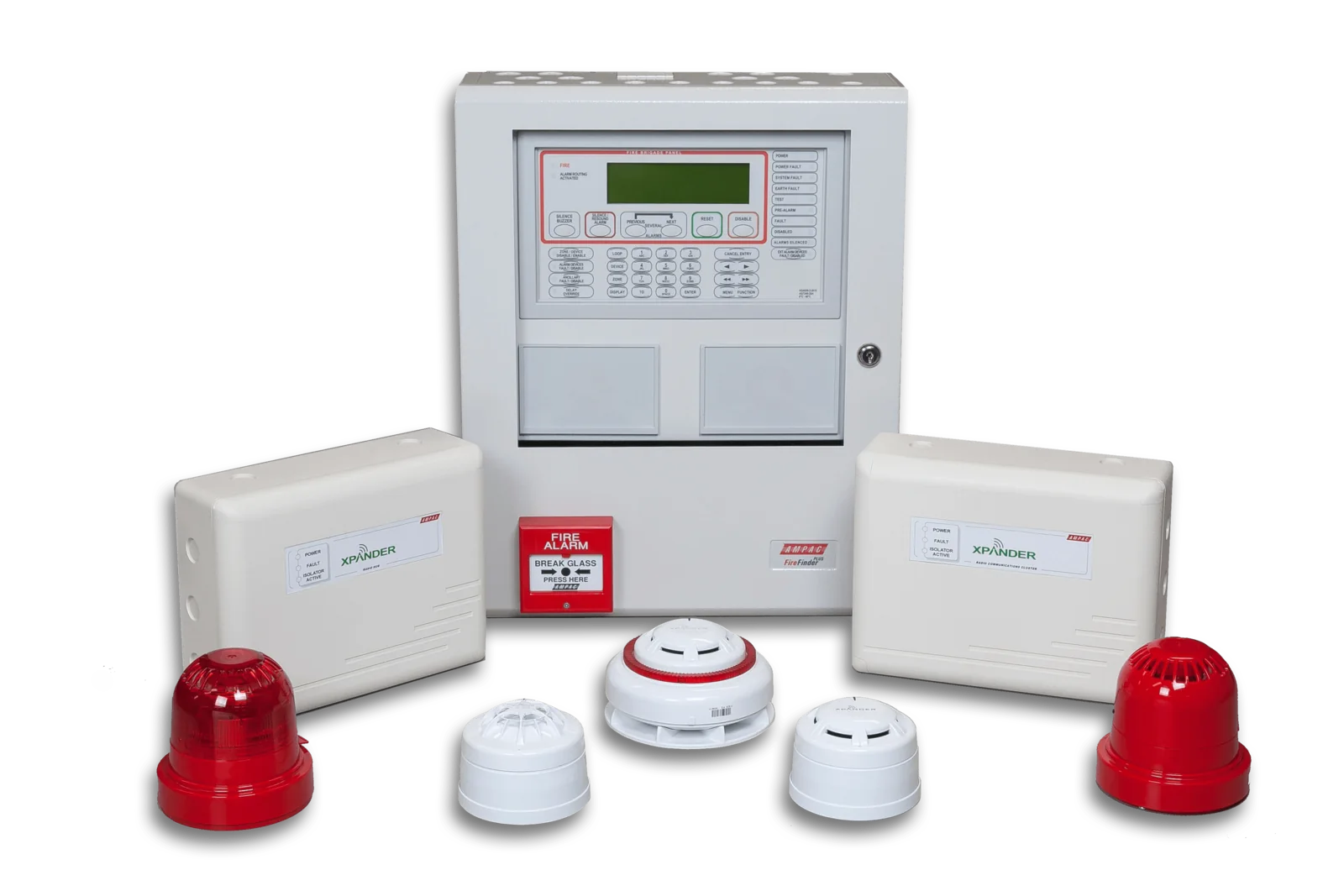
Ampac
Marine fire detection and alarm control in approved configurations

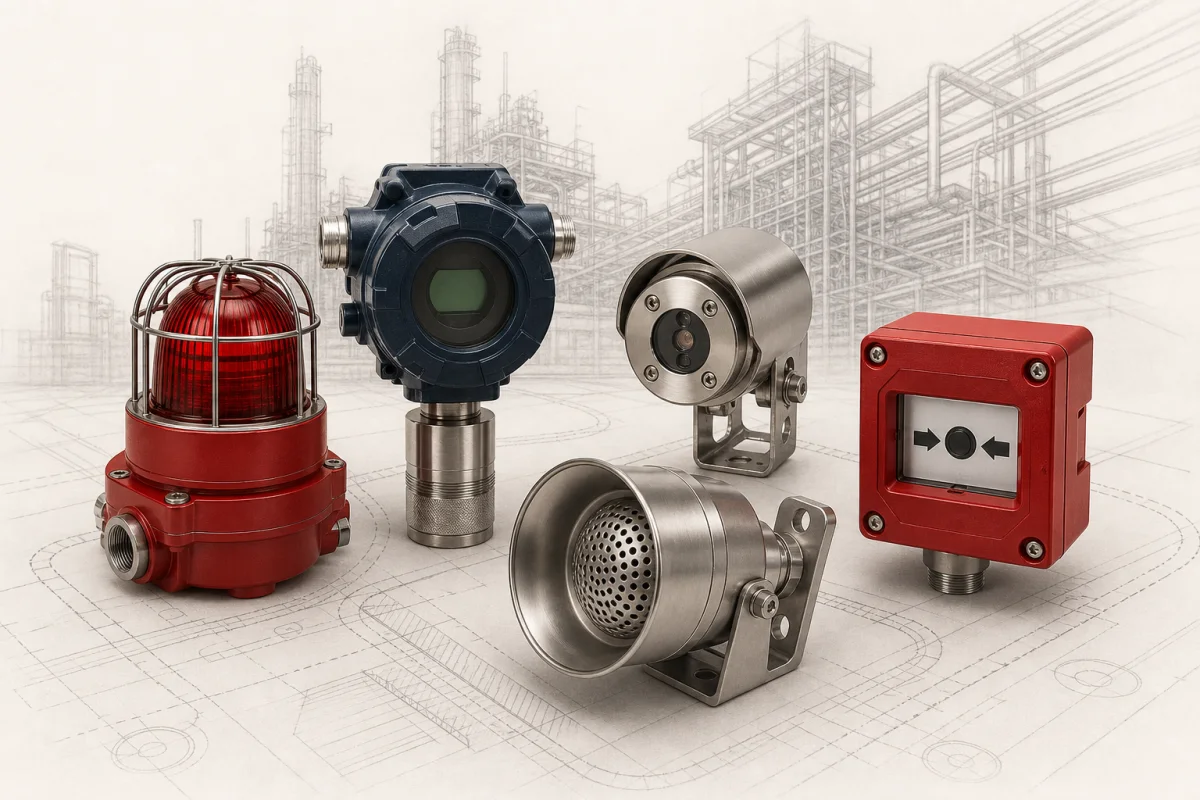
Compatible detection devices selected for the marine panel and approval
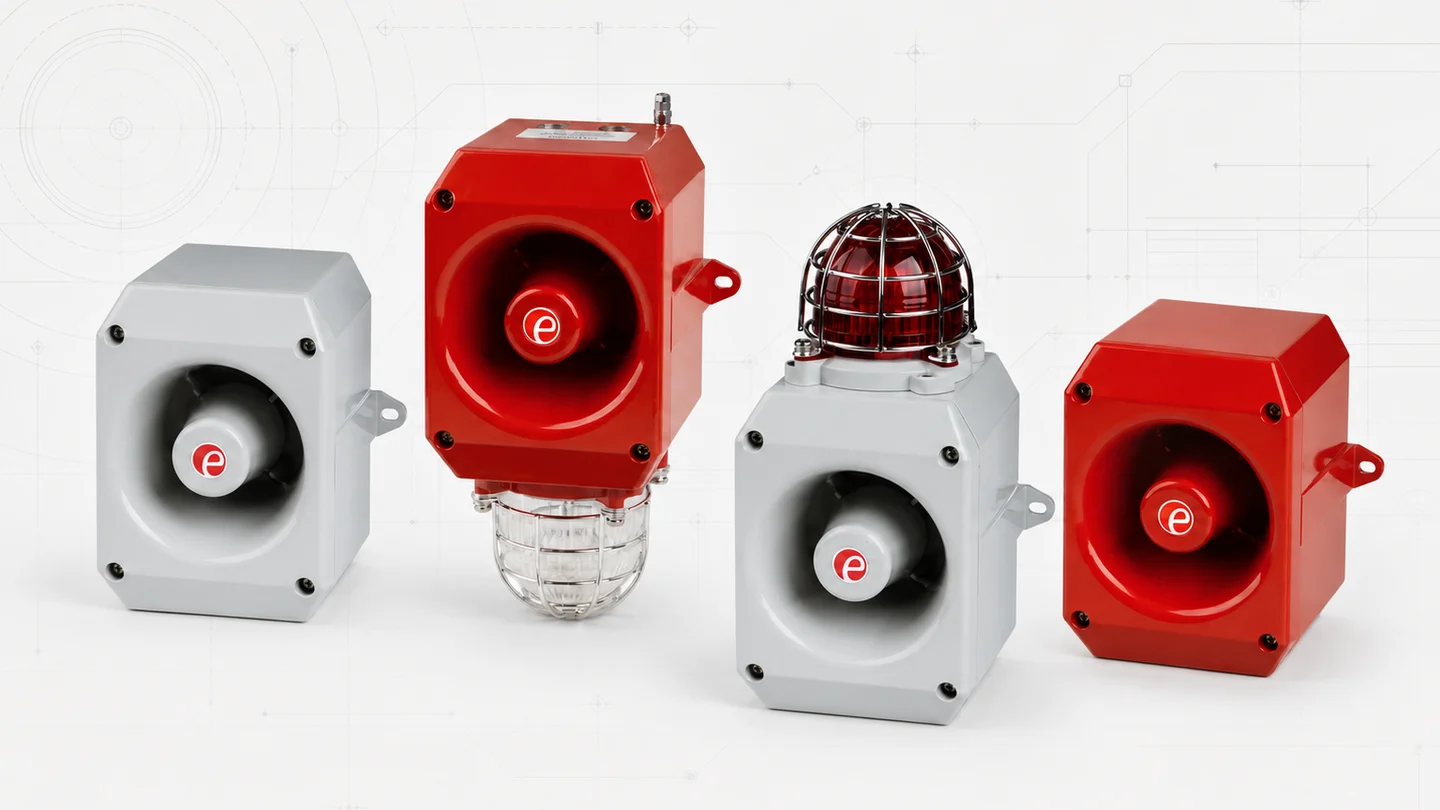

Audible and visual warning selected for the marine environment

Marine loudspeakers matched to the public address and warning system
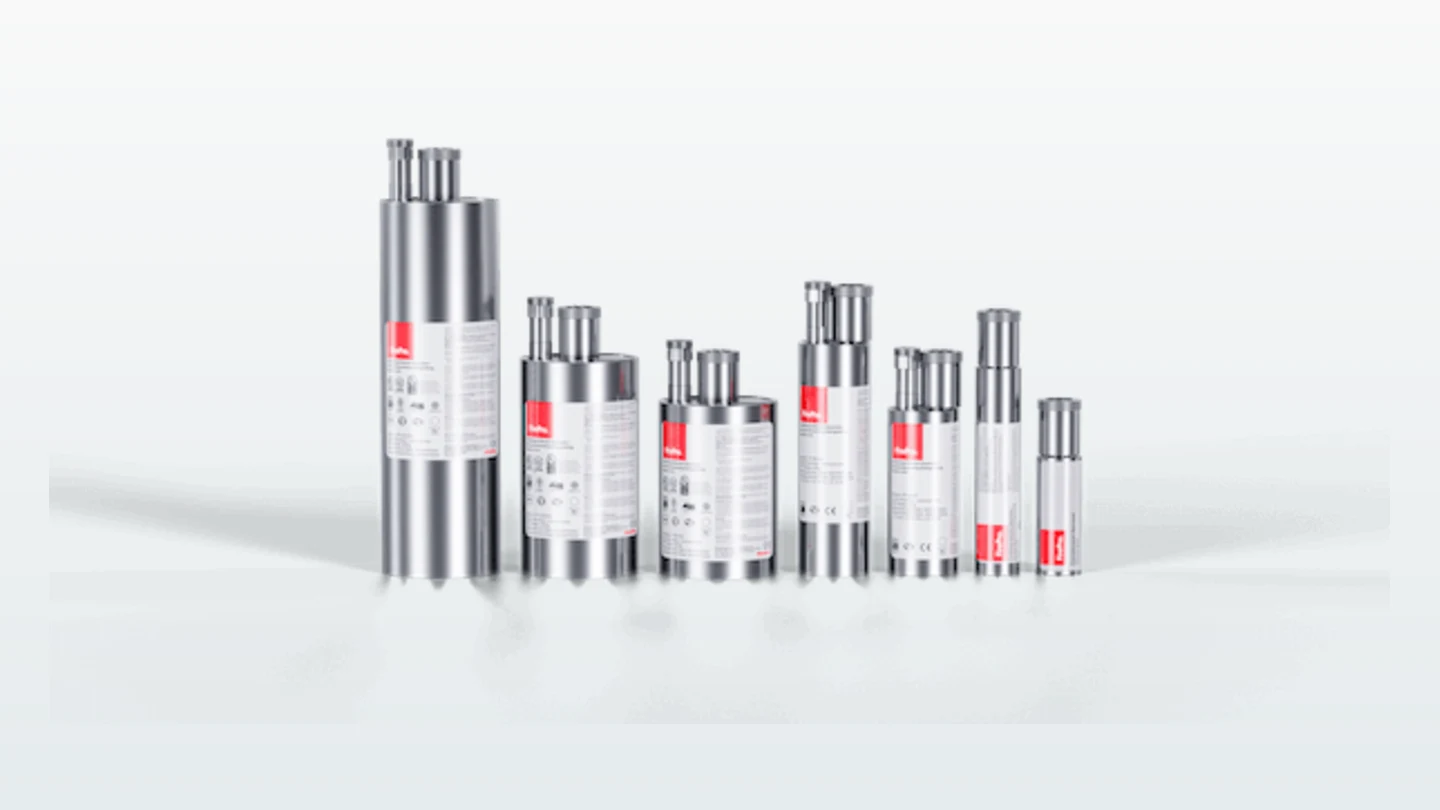

Aerosol extinguishing equipment subject to system compatibility and vessel acceptance
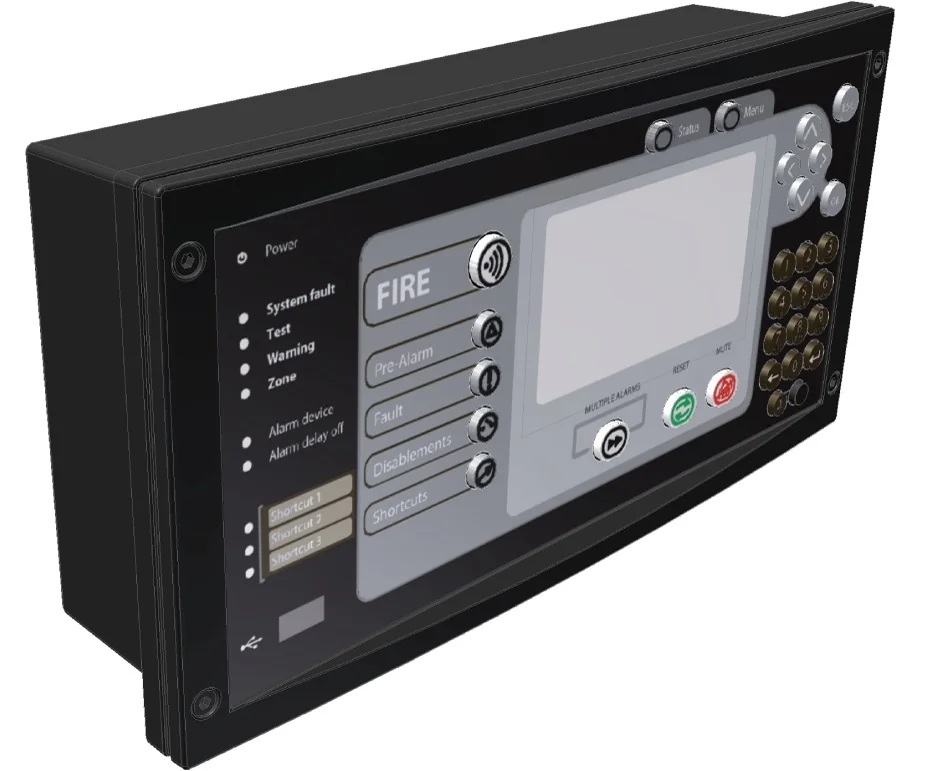
Consilium
Consilium for fire detection and control.
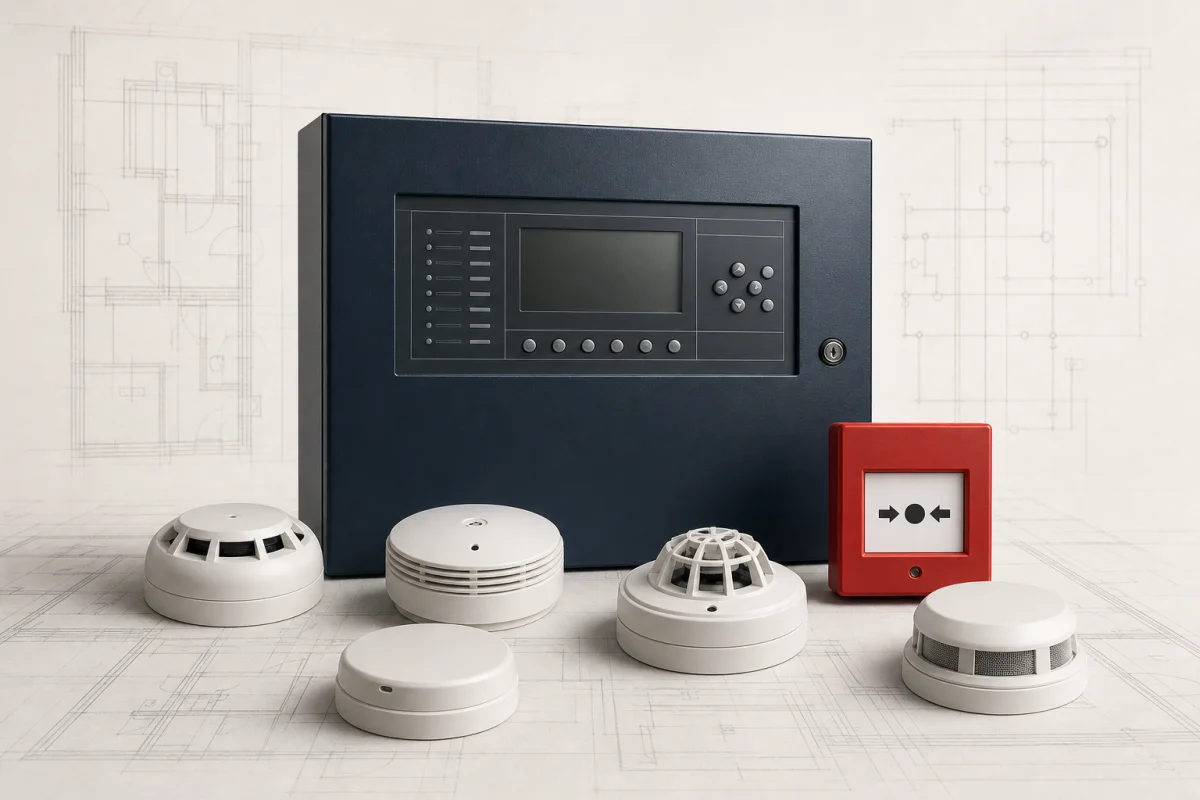
Salwico
Salwico for fire detection and control.
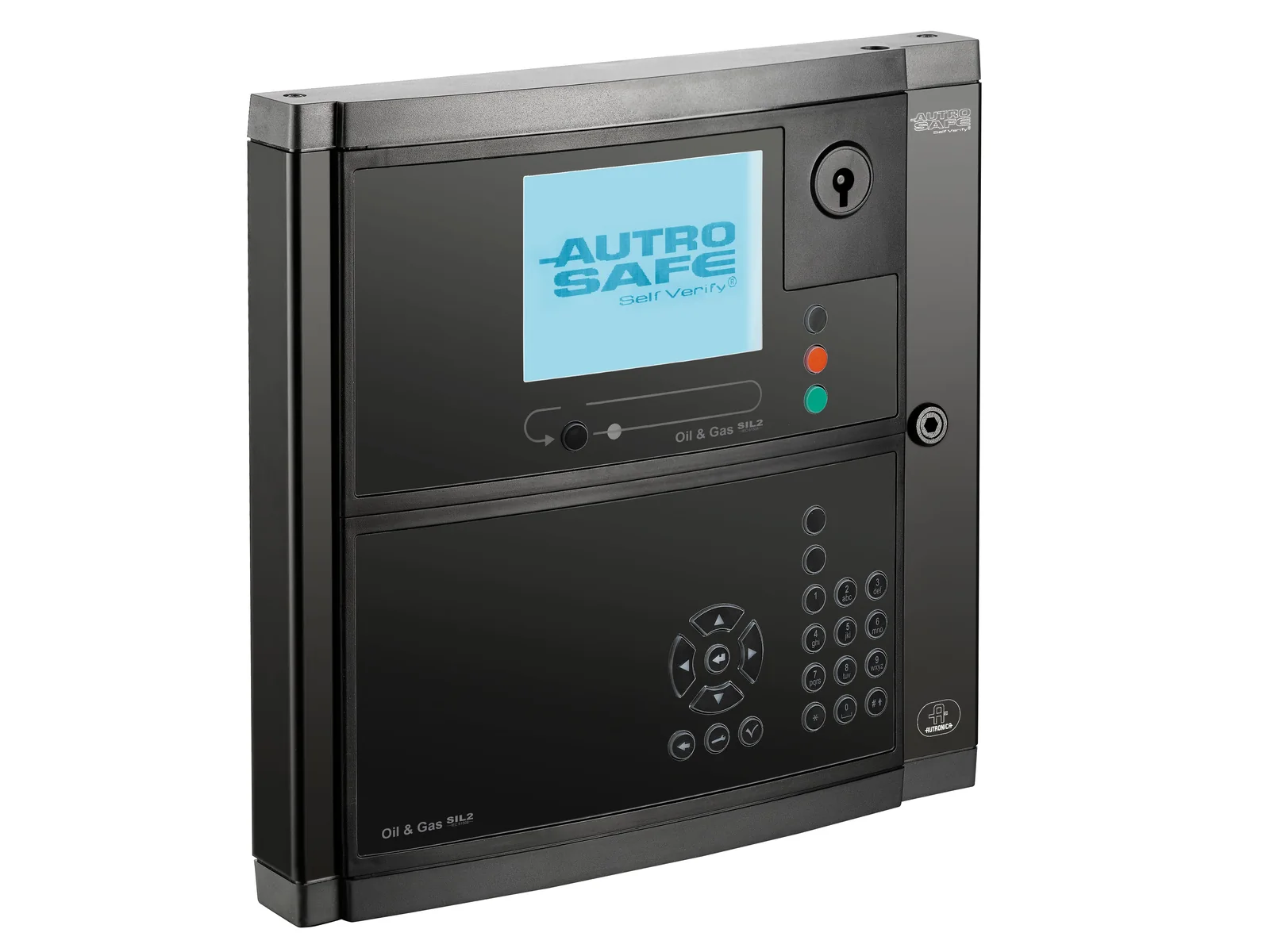
Autronica
Autronica for fire detection and control.
Eltek Fire & Safety
Eltek Fire & Safety for fire detection and control.
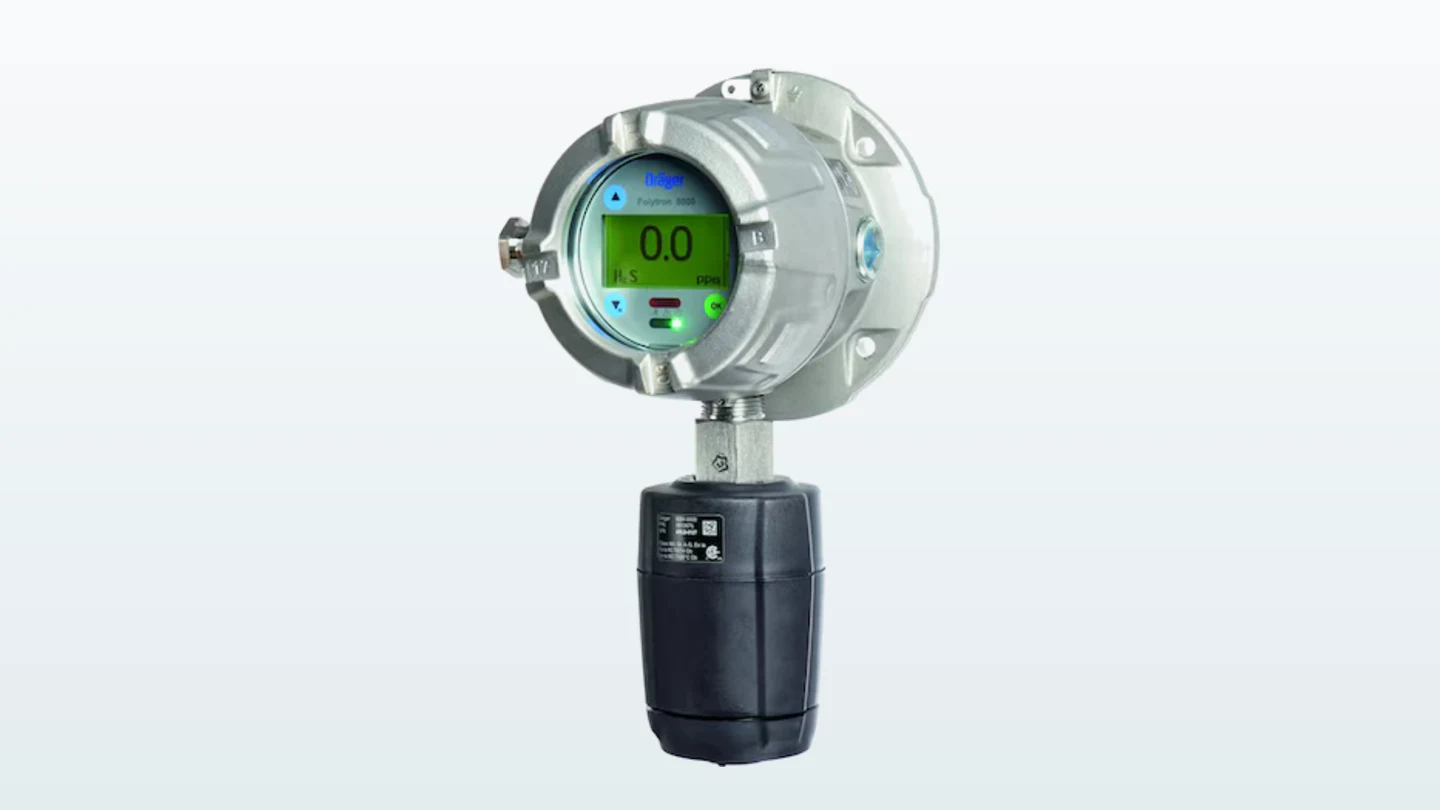
Fixed and portable gas detection for demanding environments.
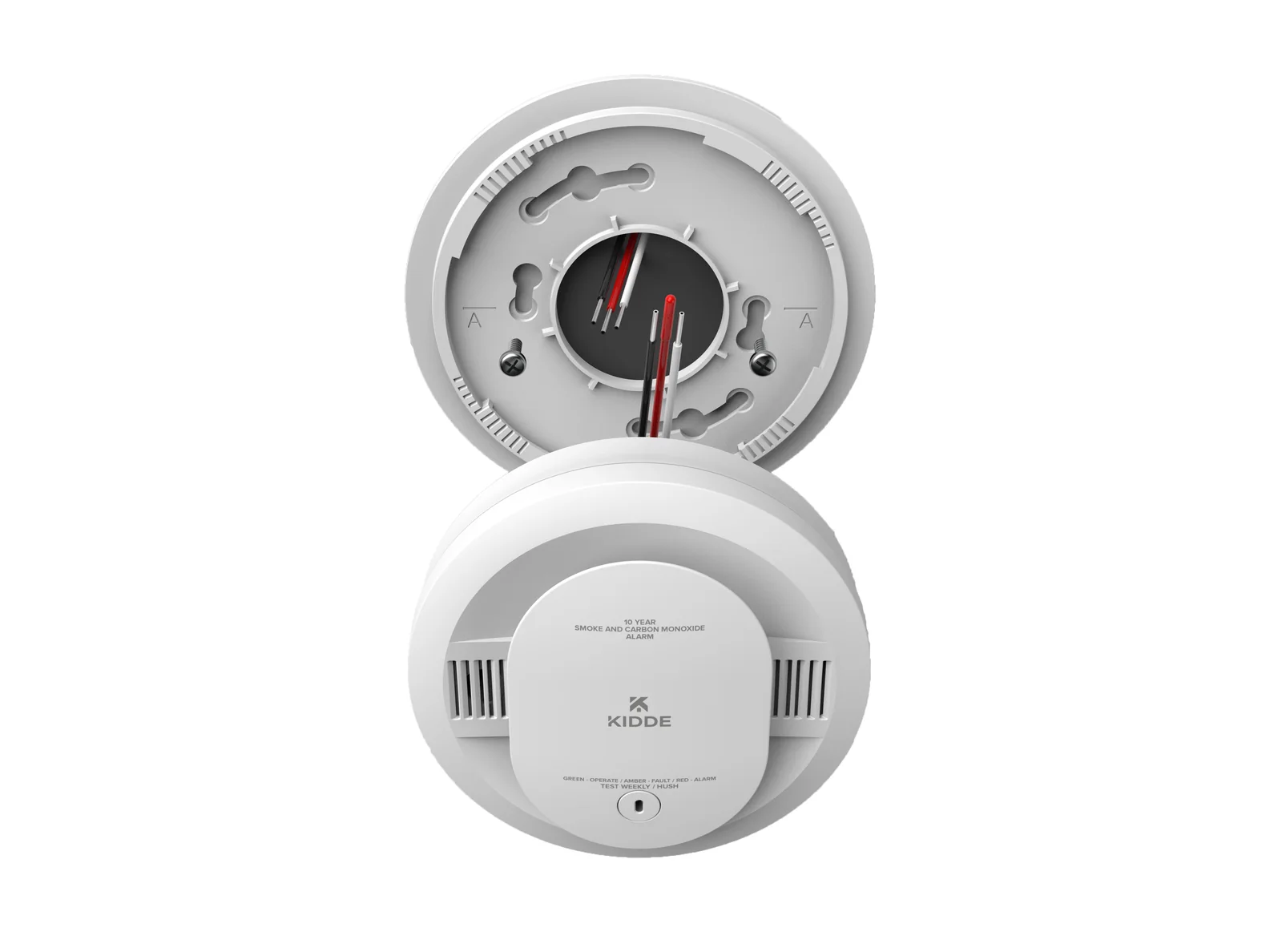
Kidde
Kidde for fire detection and control.
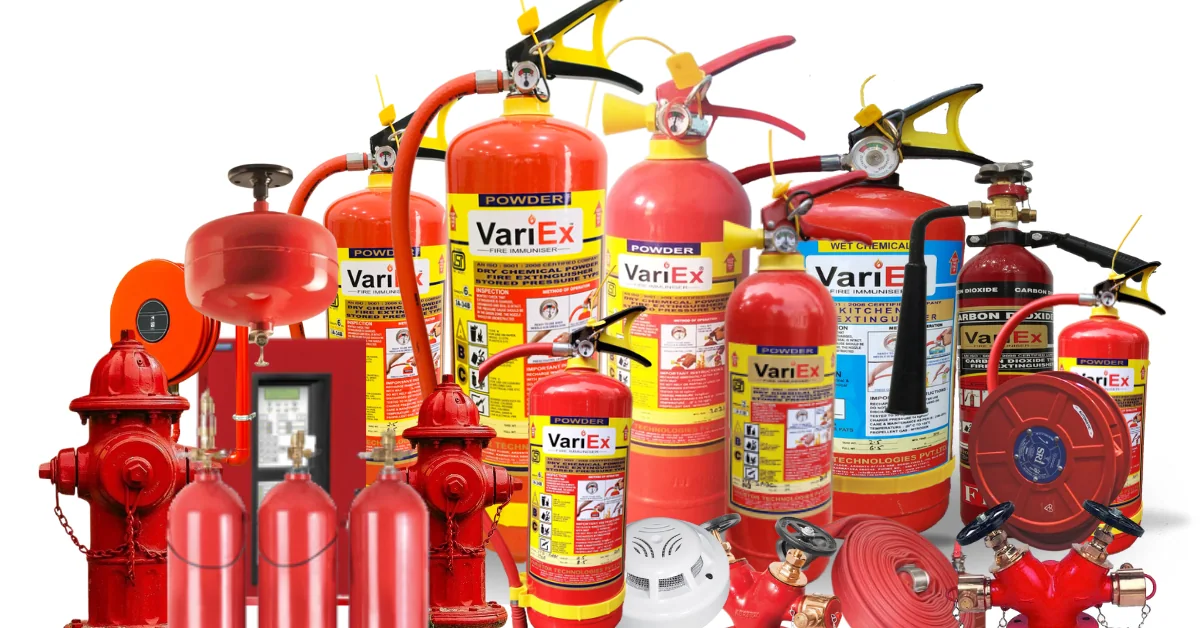
Skum
Skum for suppression and firefighting.
Range, approval, territory and project suitability remain model-specific and are confirmed for each enquiry.
Delivery and lifecycle services
Services needed across the system lifecycle
Appointments, licences and authority requirements vary by country. We confirm what the service must include before work starts.
Solution designFire safety drawings, calculations, equipment schedules and approval documents for coordinated projects.
Marine installationMarine fire-system installation and replacement with flag, class and vessel requirements addressed.
Testing and commissioningDevice, circuit, interface and cause-and-effect testing with traceable commissioning records.
Statutory system testing and maintenanceScheduled inspection, testing, maintenance and defect reporting for installed fire safety systems.
Research basis
Standards and official references
These sources establish the system context. Verify the edition adopted by the project and the current certificate for the exact model.
imo.orgIMO fire protection overview
imo.orgSOLAS fire safety provisions
imo.orgIMO FSS Code structure and history
haes-tech.comHaes Esento Marine conventional panel
kentec.co.ukKentec Syncro ASM addressable marine panel
marinelec.comMarinelec PHOENIX V2 addressable panel
jke-solutions.dkJKE Solutions FS12 technical information
n2kb.nlN2KB NANO marine extinguishing release panel
Related knowledge
Knowledge base
Related technical guides
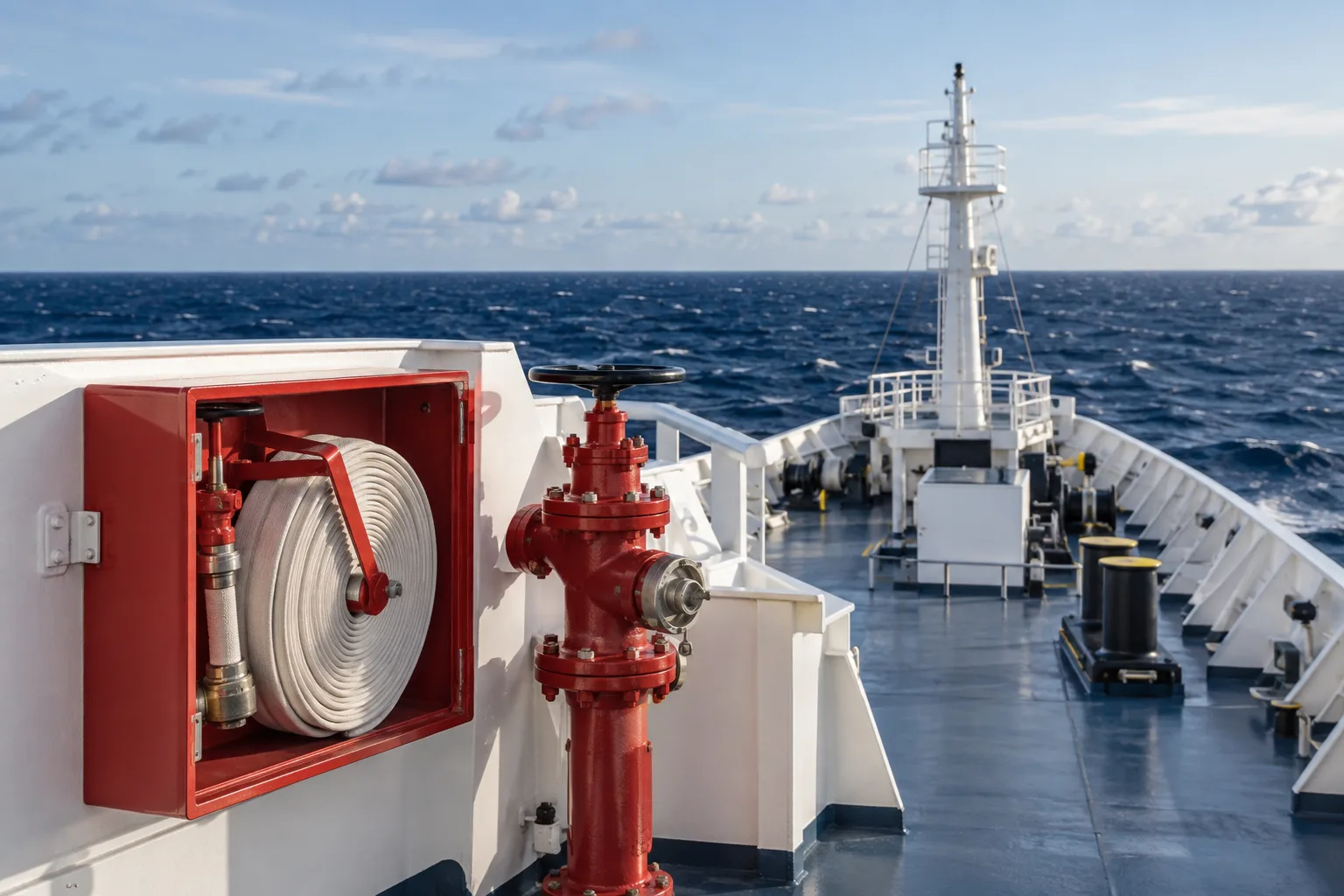
Understanding IACS and IMO fire safety rules
How international rules, class requirements and product approvals interact.
Read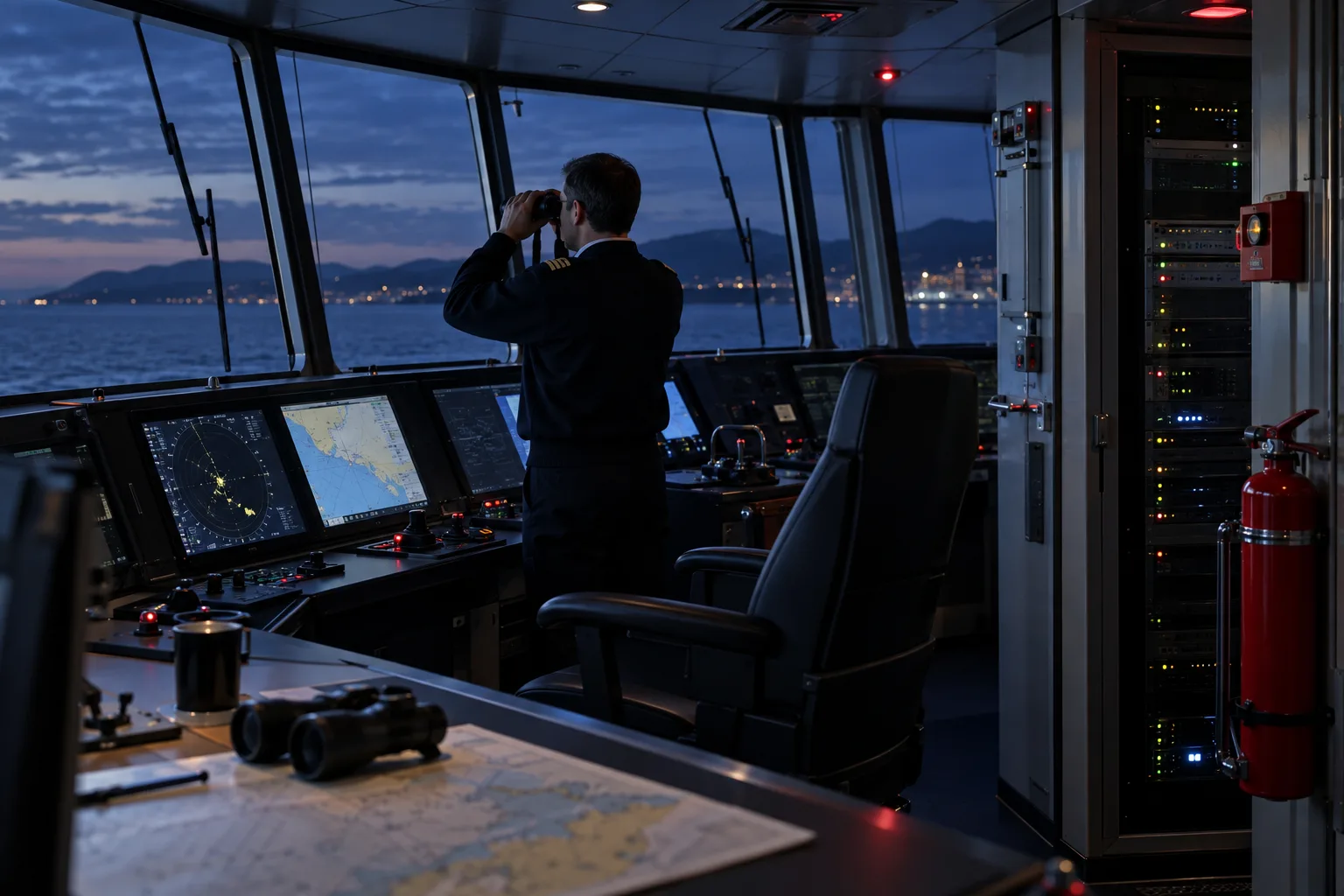
IACS UR E26 and E27: a project starting point
A structured overview of cyber-resilience considerations for relevant ship systems.
Read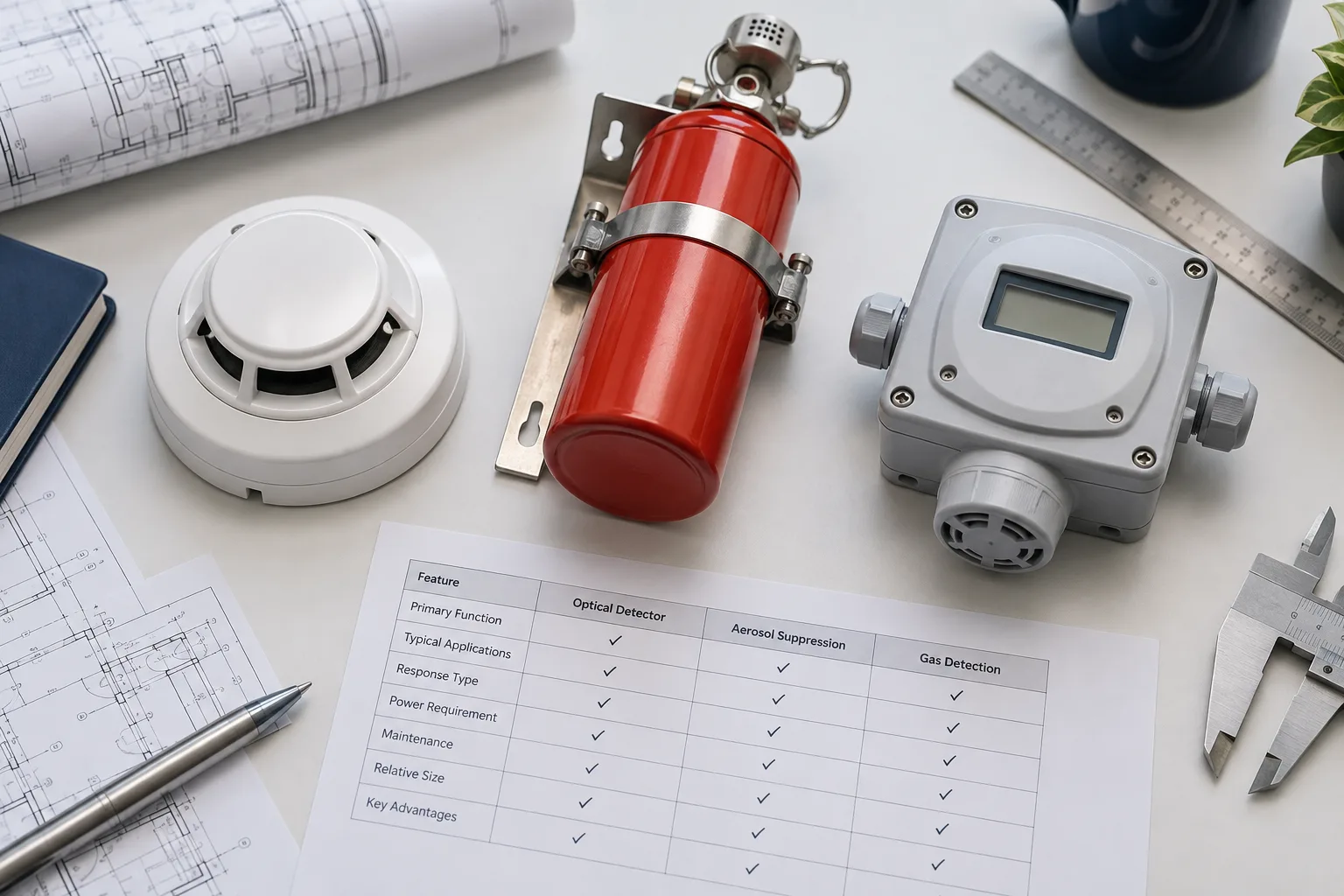
How we compare fire safety solutions
Compare fire safety systems for your building, from product approvals and installation to maintenance and cost.
ReadPlan the complete system
Connected Applications And Solutions
Follow the application through equipment selection, interfaces and professional support.
Industrial facilitiesFire safety requirements, solutions and services for industrial facilities.Marine and offshoreFire safety requirements, solutions and services for marine and offshore.
Fire Alarm & Detection SystemSmoke, heat, flame and aspirating detection for reliable early warning.Fire Alarm Control & Warning SystemPanels, protocols, interfaces, audible and visual warning.Fire Suppression SystemGas, aerosol, foam, water and specialist suppression choices.
Common Questions
Frequently Asked Questions
Is marine type approval enough for every vessel?
No. Confirm flag, class, wheelmark requirement, certificate coverage, environmental category and acceptance of the complete installed system.
Can land fire-alarm devices be used onboard?
Only if the vessel's approved design and relevant authority accept the exact product and its environmental performance.
Who witnesses marine fire-system tests?
Depending on work required, the owner, flag administration, class surveyor, shipyard, manufacturer and competent service provider may all have defined roles.