

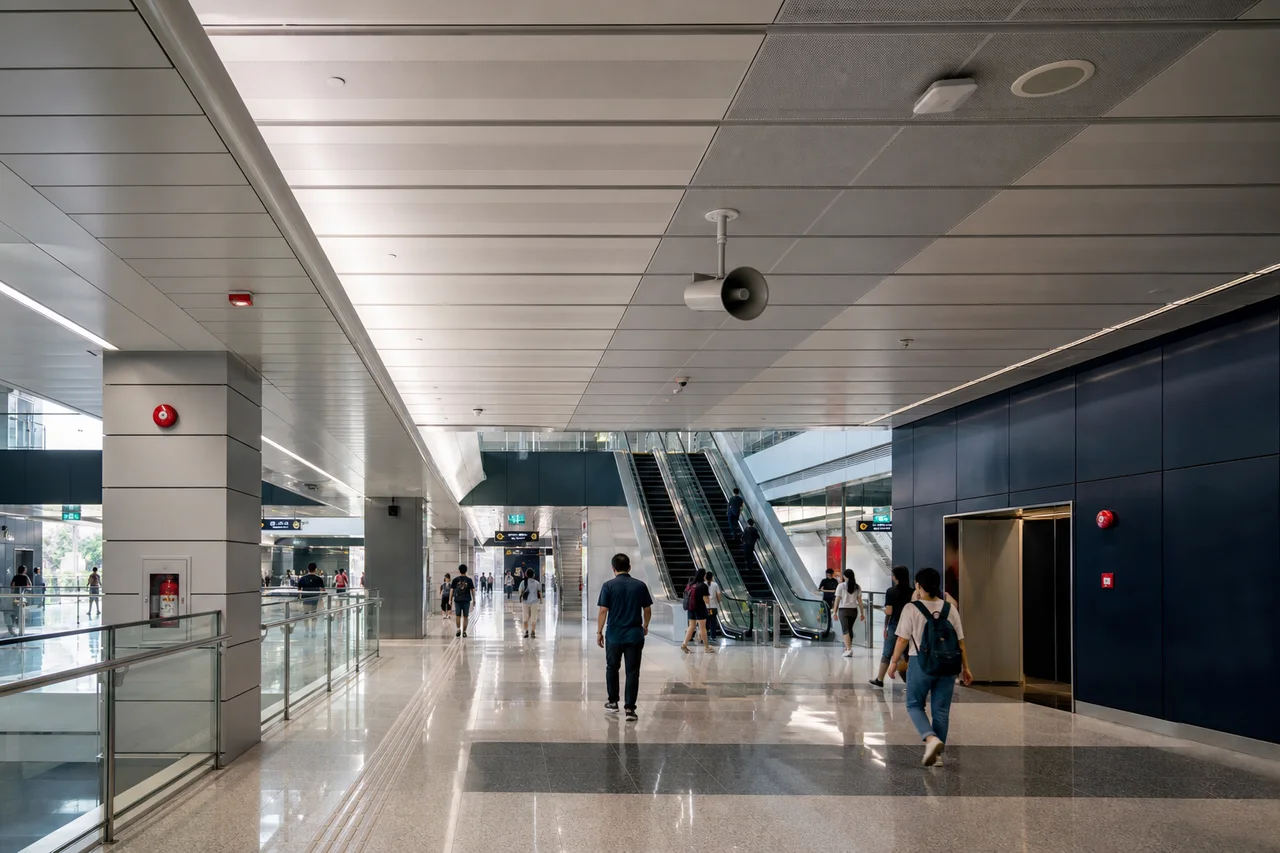
Public infrastructure
Fire safety requirements, solutions and services for public infrastructure.
Fire Safety Requirements for Public infrastructure
- 01Confirm occupancy and agency requirementsDefine passenger loads, operating hours, security constraints and the requirements of the local fire authority, transport agency and infrastructure owner.
- 02Coordinate evacuation and incident-control systemsDocument detection, voice alarm, smoke control, doors, lifts, ventilation, public-address priority and control-room indications in one cause-and-effect matrix.
- 03Complete integrated authority testingWitness the full emergency sequence with the authority, Professional Engineer and operating agencies, including loss of power, faults, manual override and evacuation messages.
- 04Plan maintainable upgrades and redundancySet testing and replacement plans that keep the facility operating.
Fire safety brands for Public infrastructure
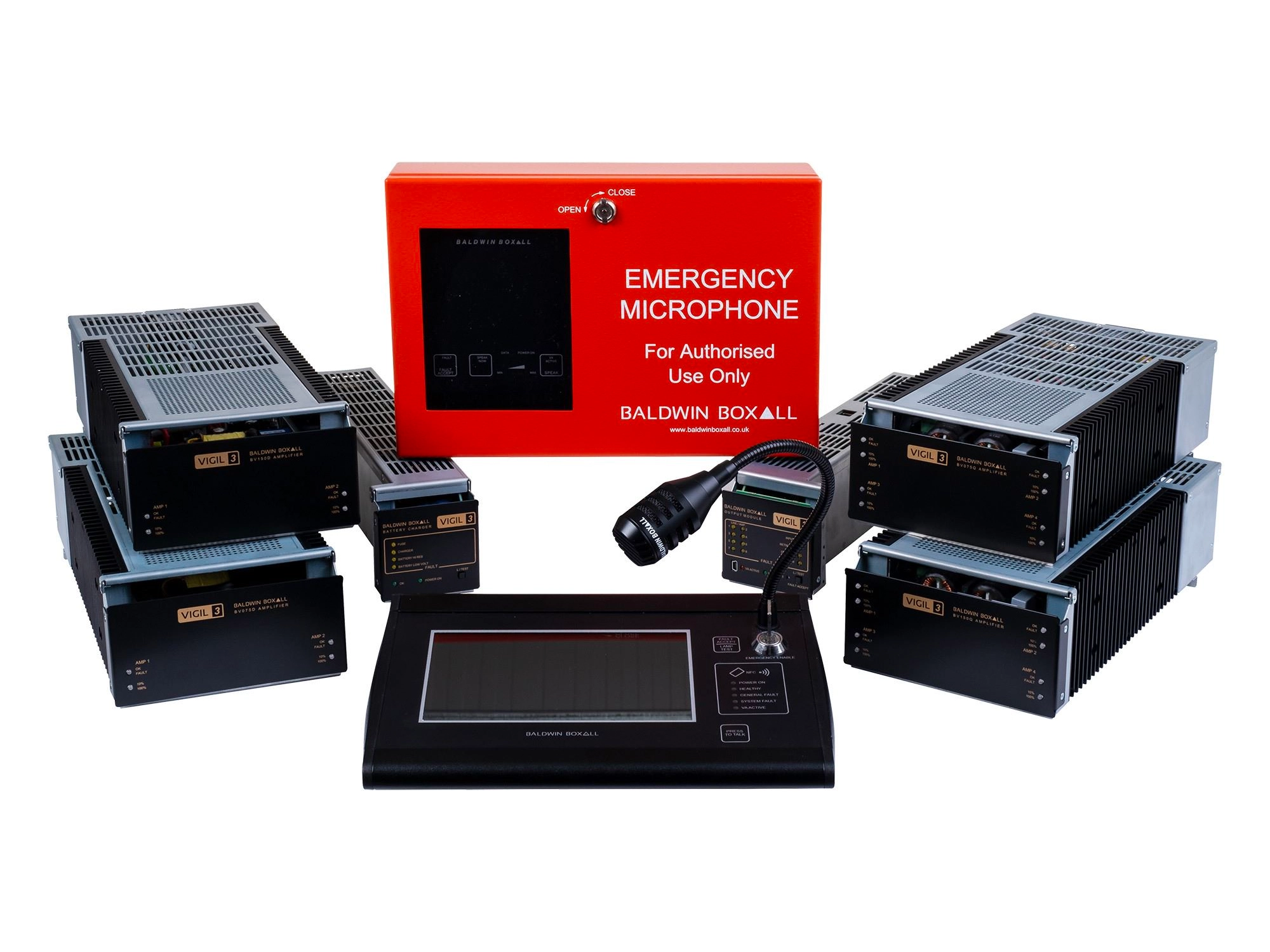

Services for Public infrastructure projects
We confirm service availability for the country, system and project requirements.
Technical Resources
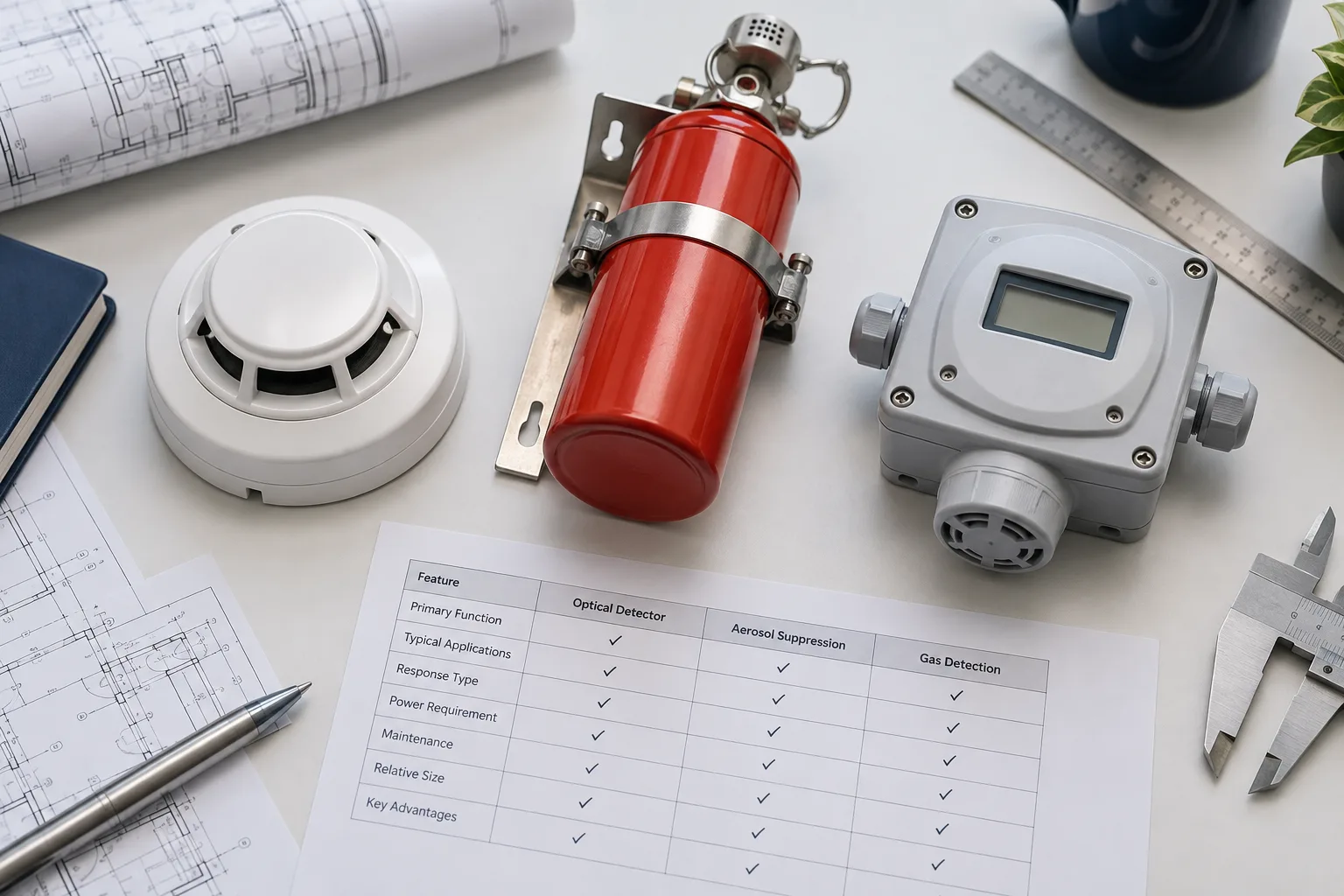
How we compare fire safety solutions
Compare fire safety systems for your building, from product approvals and installation to maintenance and cost.
Read resource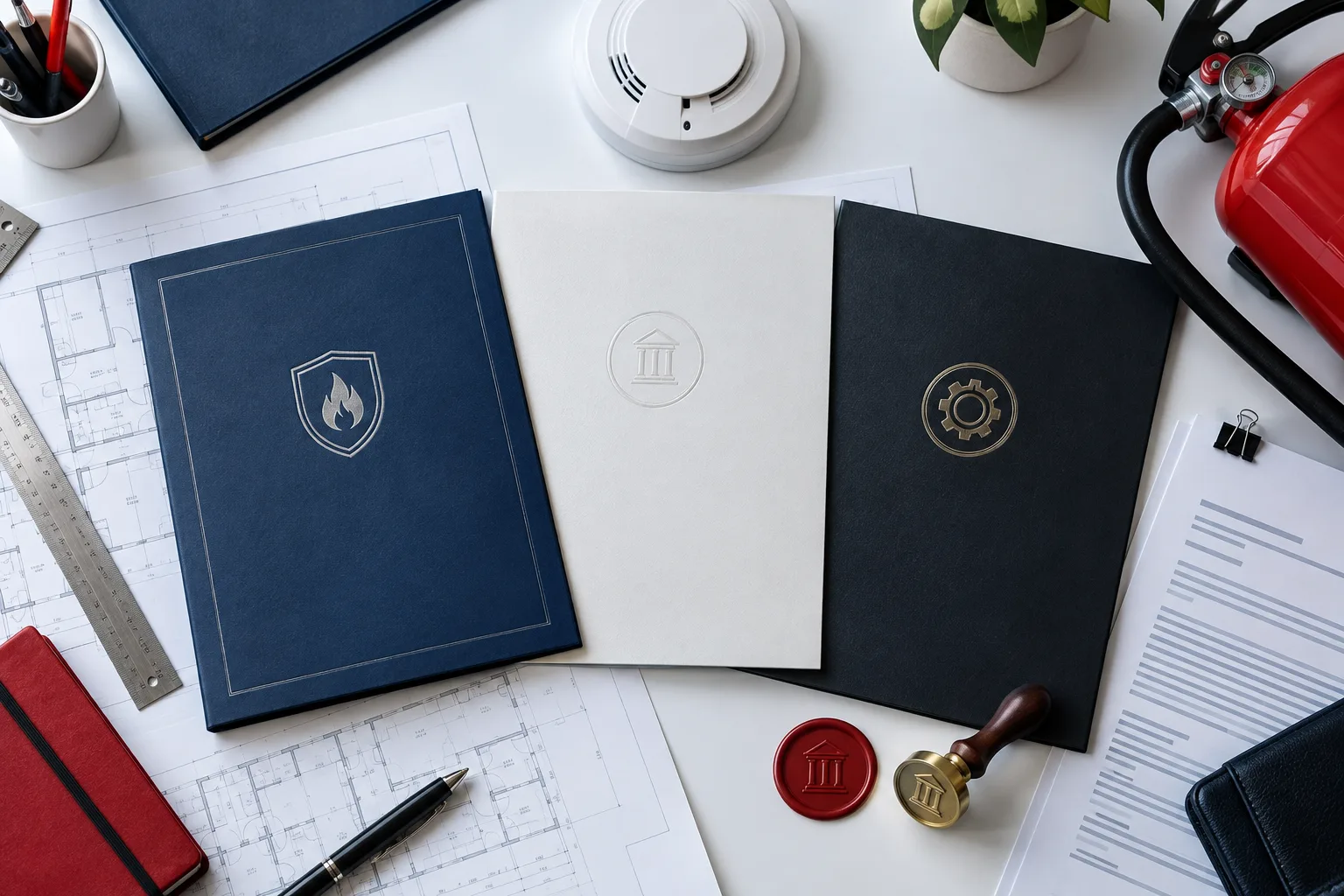
Understanding fire safety approvals and certifications
Separate standards, marks, schemes and listing bodies.
Read resource
Browse the fire safety manufacturer directory
Find manufacturers, products, certifications and technical references.
Read resourceFrequently Asked Questions
What should I send for an initial review?
Share the country, application, drawings or dimensions, known hazards, required approvals, existing system interfaces and project stage.
How are suitable options compared?
We compare performance, evidence, compatibility, installation impact, maintenance, lifecycle availability and total project constraints.
What must be verified before purchase?
Confirm the exact model, current approval evidence, environmental limits, compatible accessories and the responsibilities for design, installation and testing.