

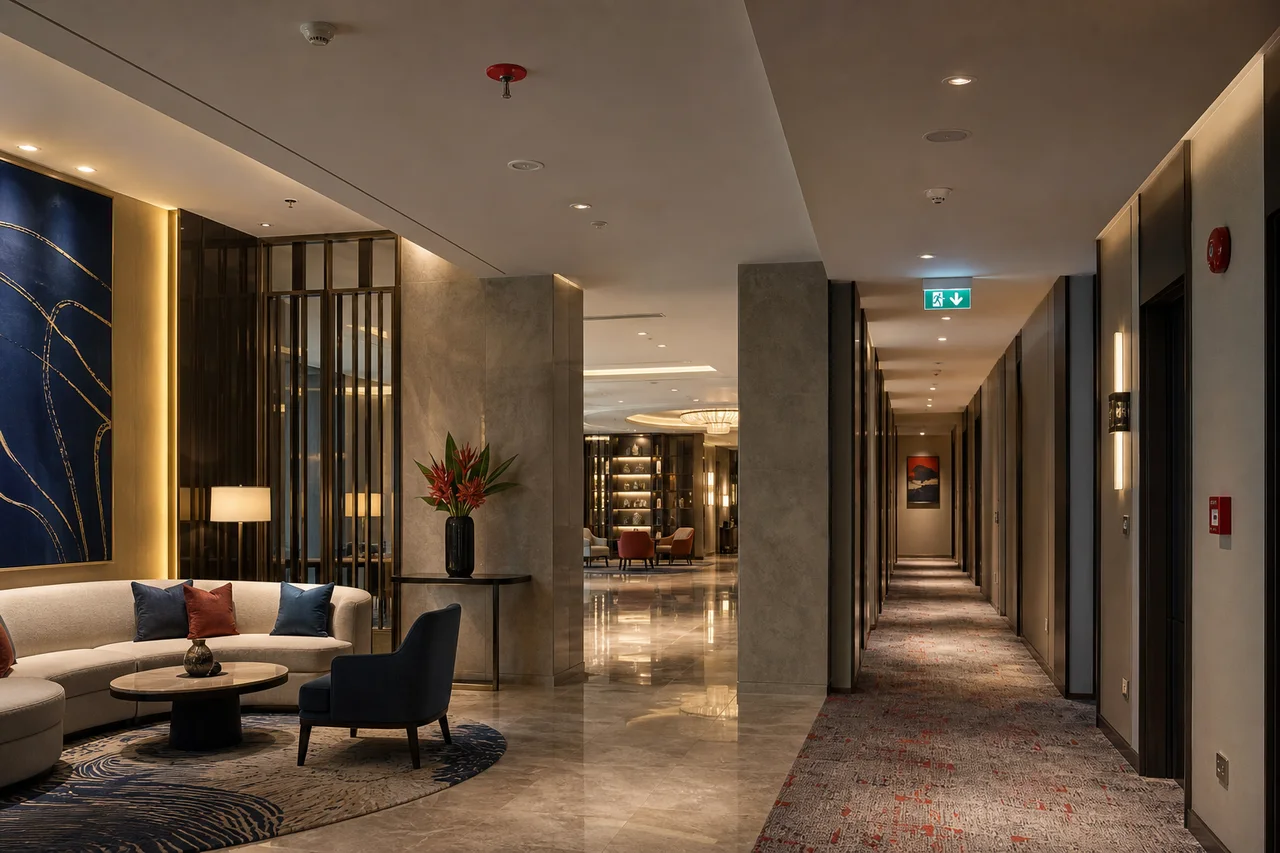
Residential and hospitality
Fire safety requirements, solutions and services for residential and hospitality.
Fire Safety Requirements for Residential and hospitality
- 01Confirm the sleeping-risk requirementsApply the local code for apartments, hotels, serviced residences and back-of-house areas.
- 02Design warning that reaches sleeping occupantsDocument detector, sounder, beacon and voice-alarm coverage, escape routes, door releases, lifts and interfaces to kitchens or other higher-risk spaces.
- 03Complete inspection before guests or residents enterArrange authority or Professional Engineer inspection where required and witness room alarms, common-area systems, sprinklers, smoke control and emergency lighting.
- 04Maintain occupied rooms and common areasSet access procedures for testing inside rooms, record every defect and isolation, and reassess the systems after refurbishment or changes to room layouts.
Fire safety brands for Residential and hospitality
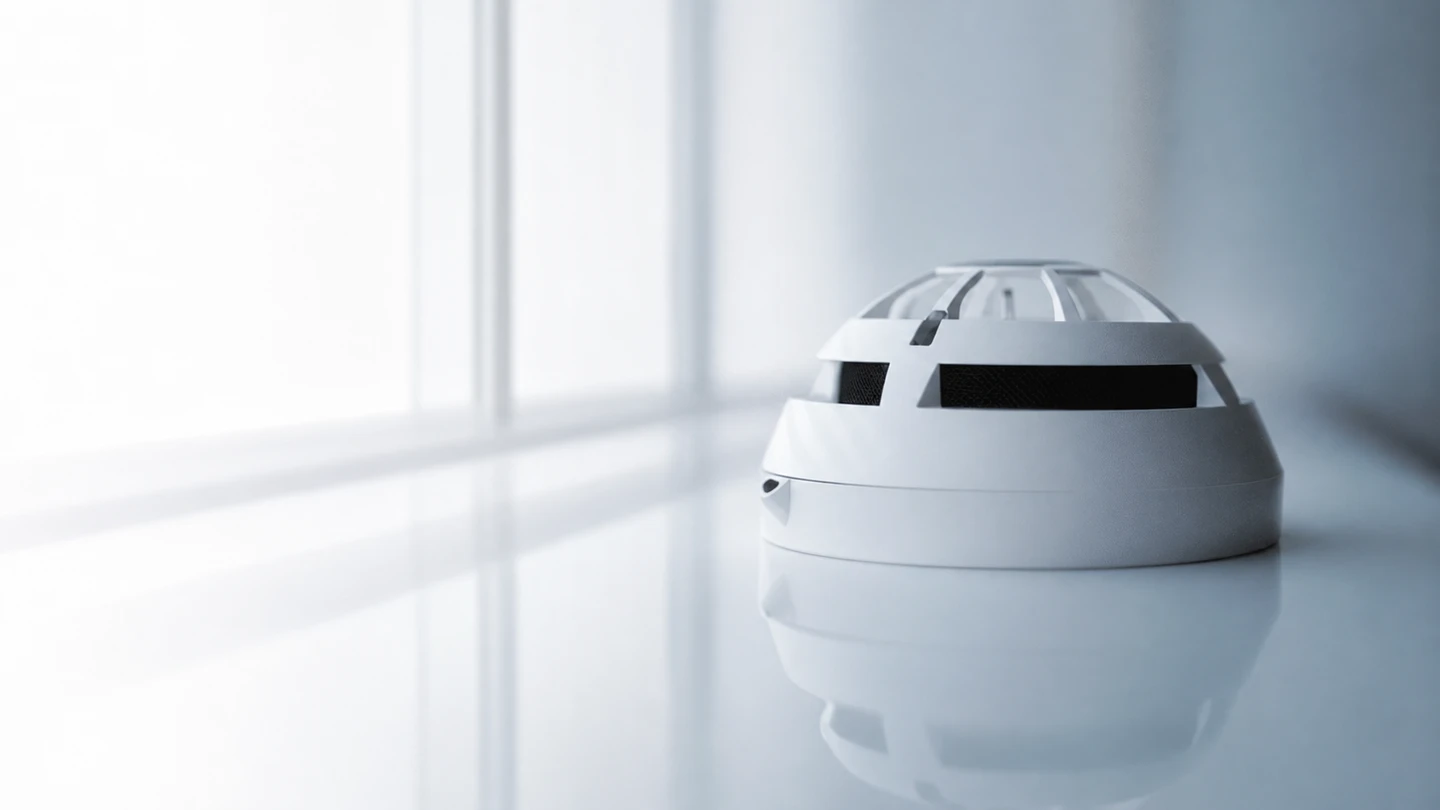

Compatible detection devices selected for the marine panel and approval
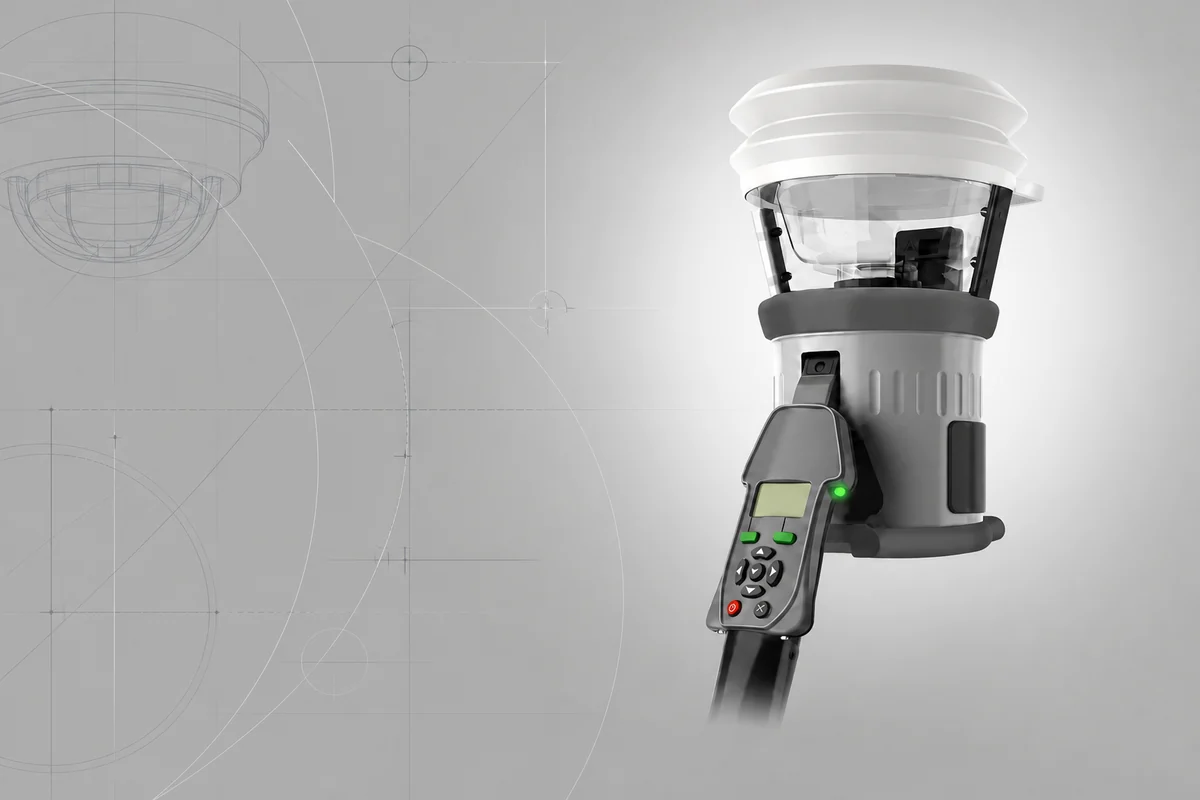

Professional detector testing, access tools and consumables.
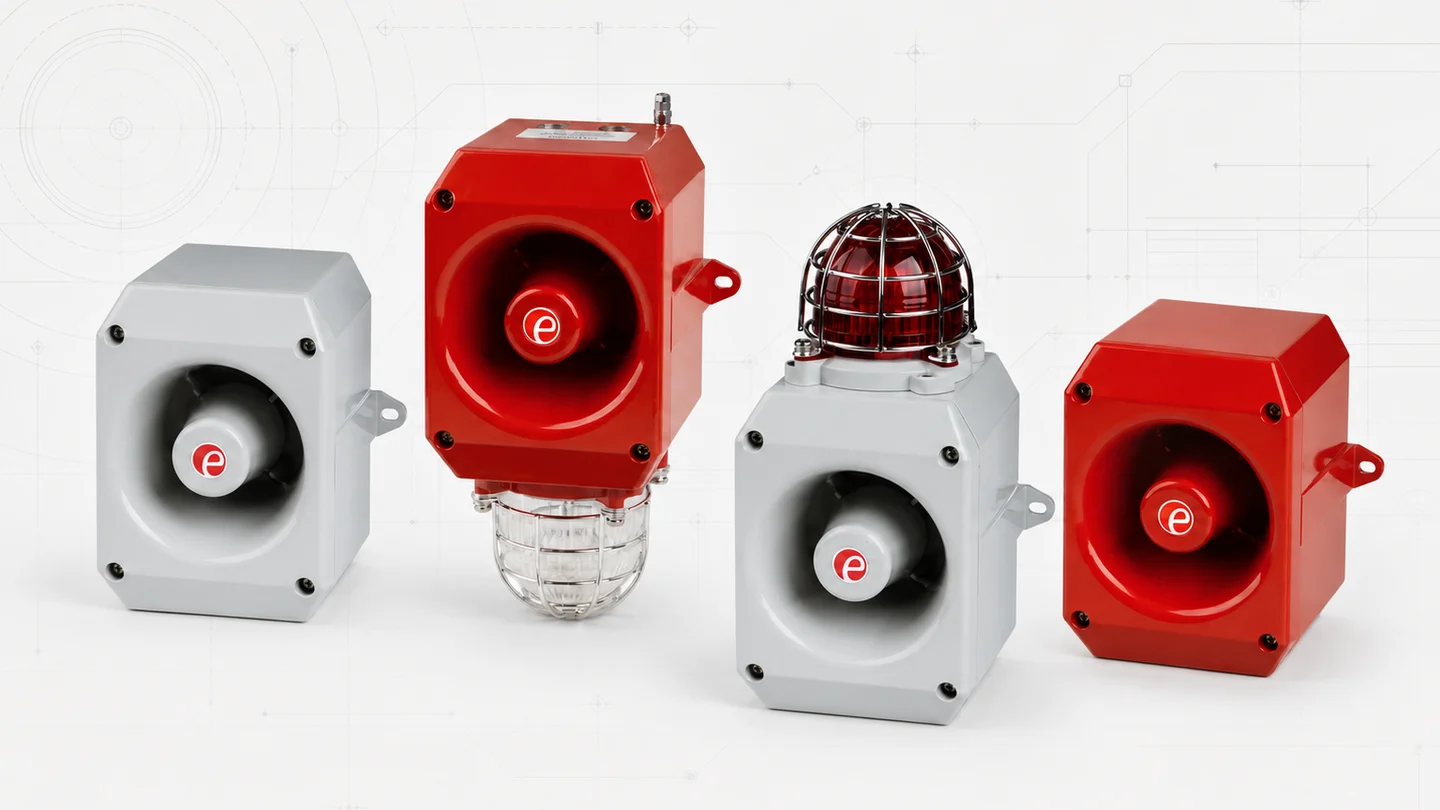

Audible and visual warning selected for the marine environment
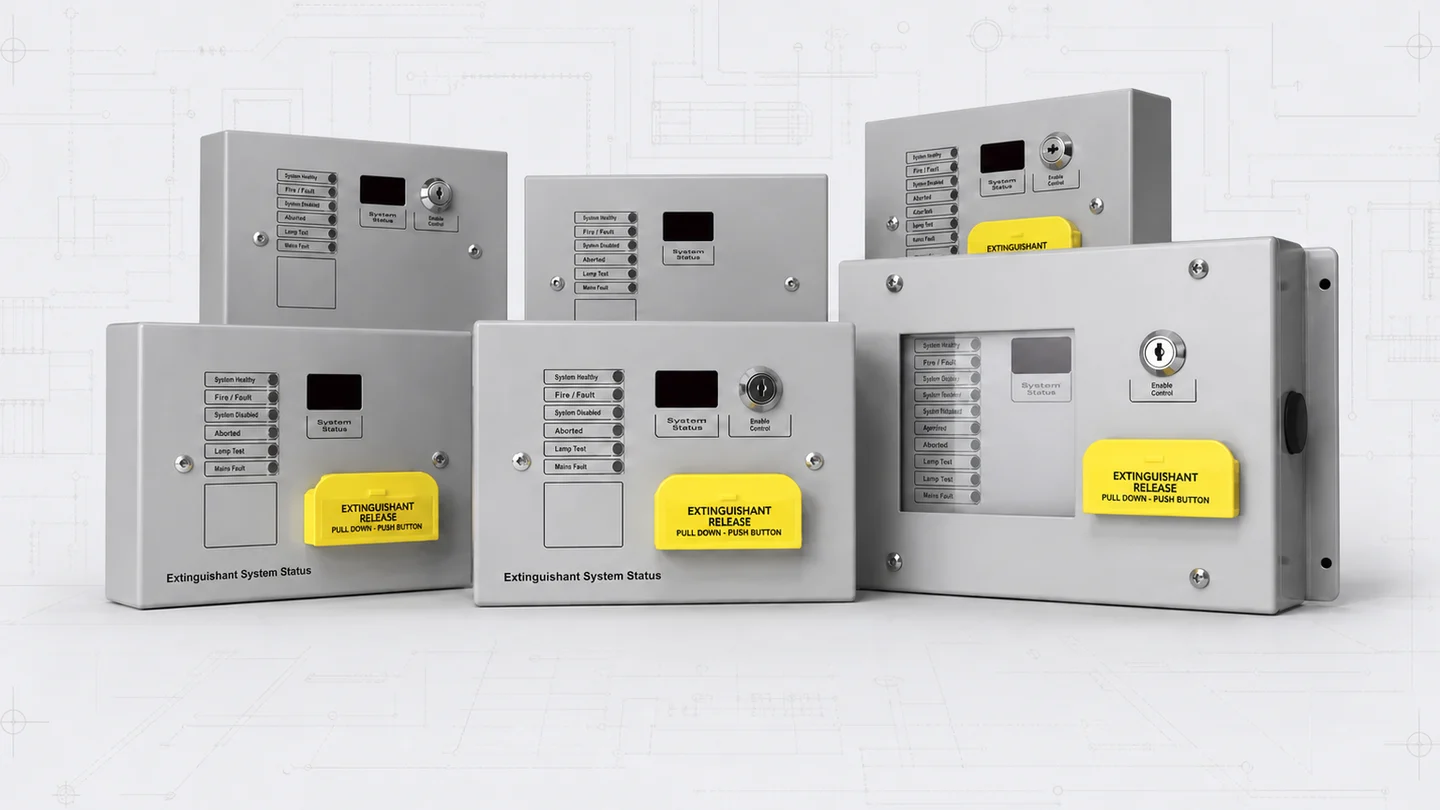

Marine addressable control in the specified Syncro ASM configuration
Services for Residential and hospitality projects
We confirm service availability for the country, system and project requirements.
Technical Resources
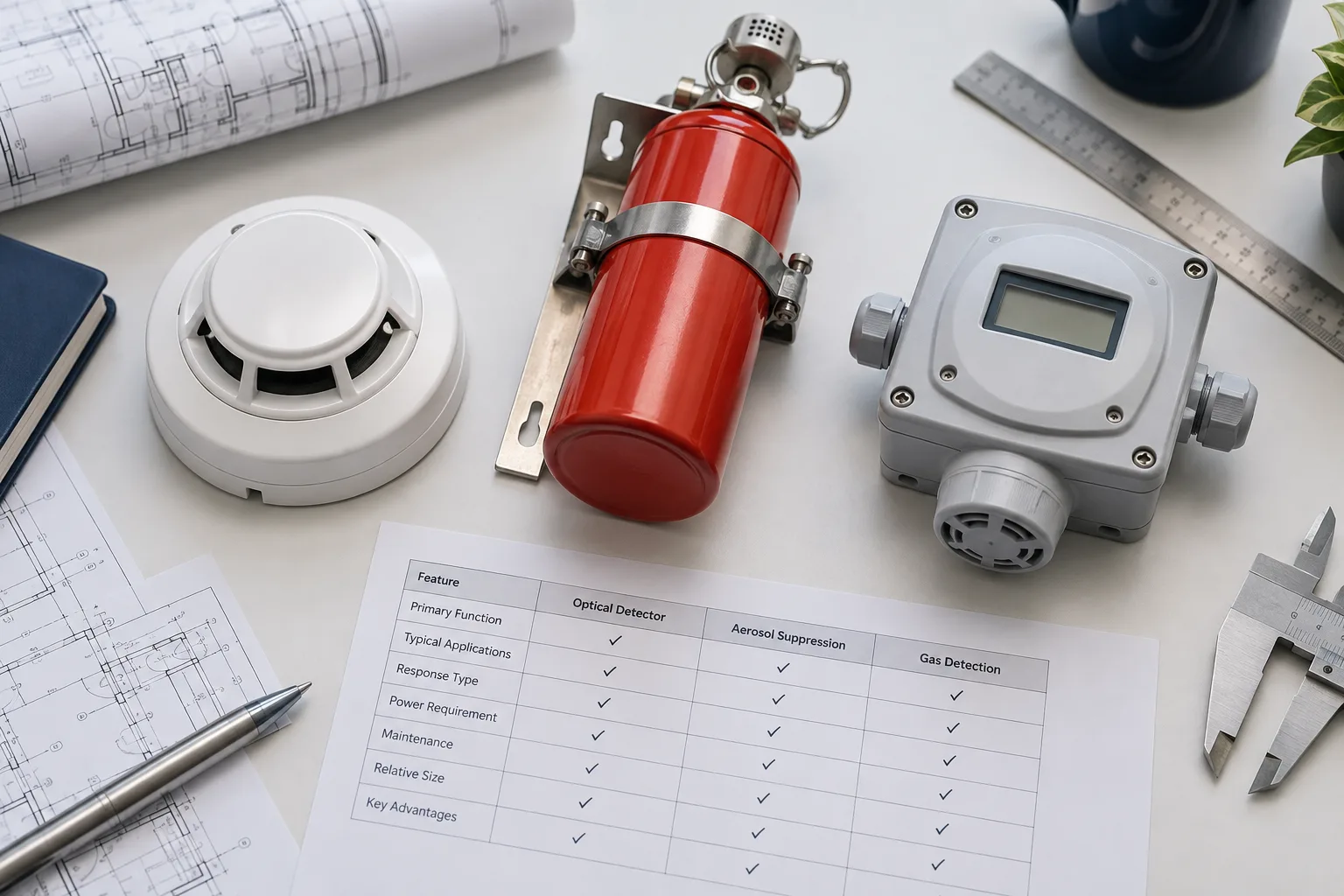
How we compare fire safety solutions
Compare fire safety systems for your building, from product approvals and installation to maintenance and cost.
Read resource
Understanding fire safety approvals and certifications
Separate standards, marks, schemes and listing bodies.
Read resource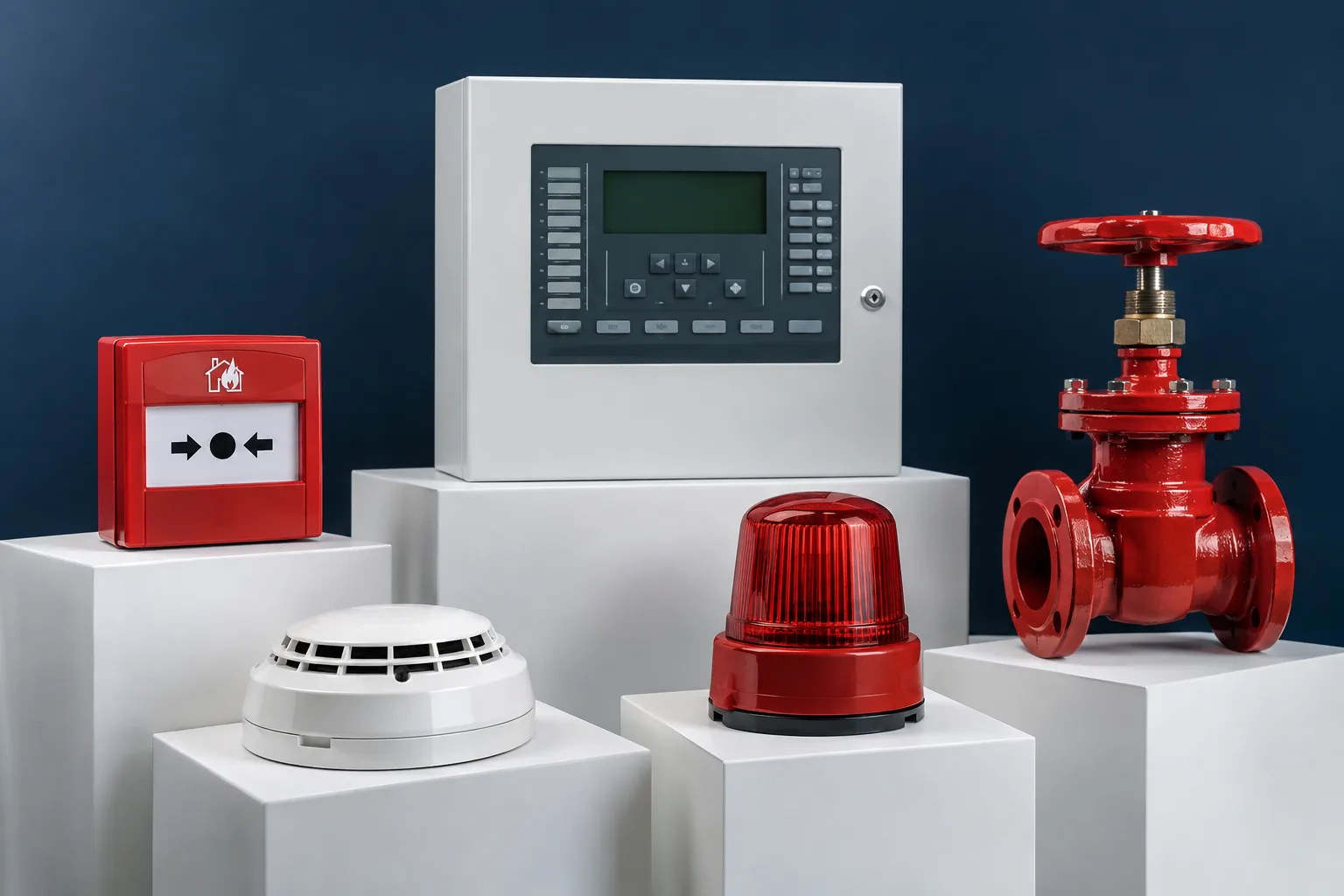
Browse the fire safety manufacturer directory
Find manufacturers, products, certifications and technical references.
Read resourceFrequently Asked Questions
What should I send for an initial review?
Share the country, application, drawings or dimensions, known hazards, required approvals, existing system interfaces and project stage.
How are suitable options compared?
We compare performance, evidence, compatibility, installation impact, maintenance, lifecycle availability and total project constraints.
What must be verified before purchase?
Confirm the exact model, current approval evidence, environmental limits, compatible accessories and the responsibilities for design, installation and testing.