

Support safe egress and critical tasks after normal lighting failure
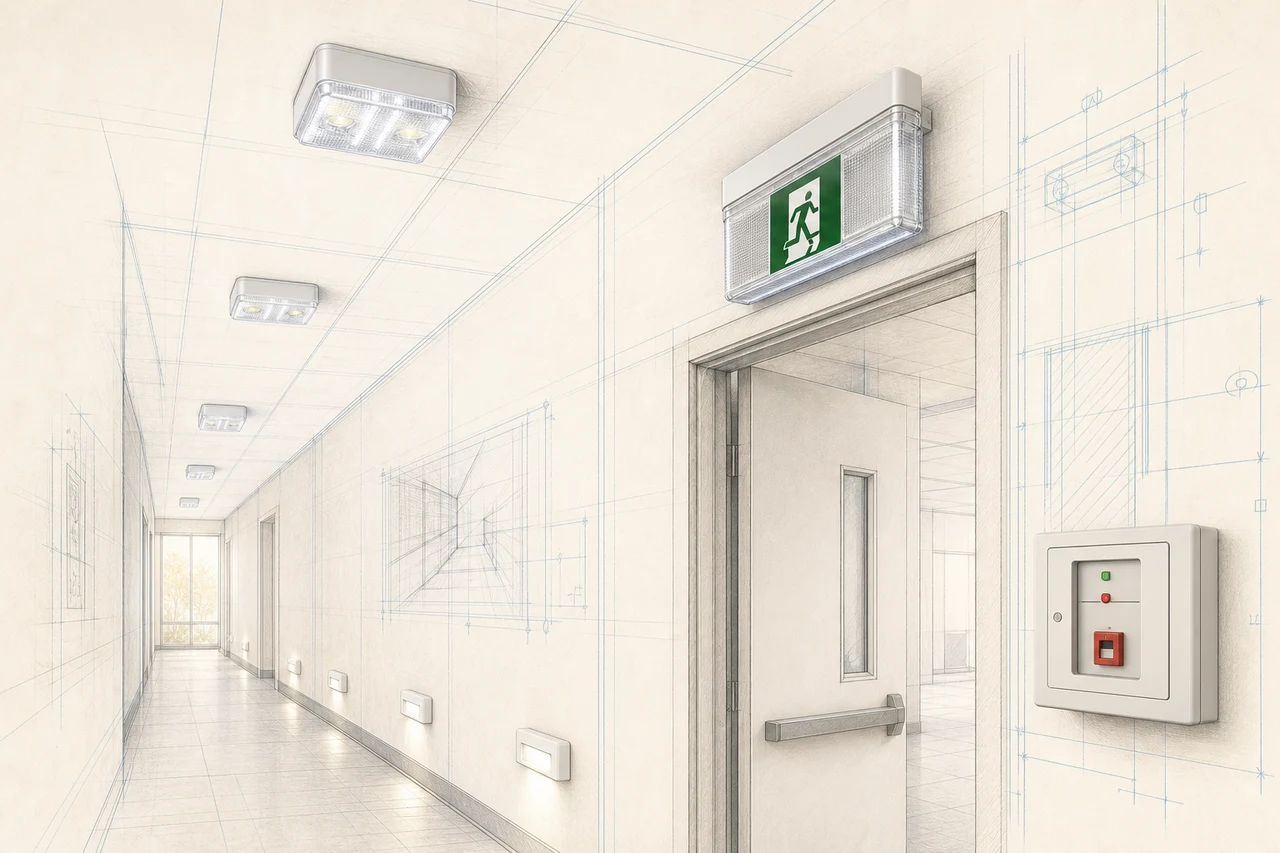
Safe evacuation
Emergency lighting
When normal power fails, emergency lighting helps people find exits, avoid hazards and leave safely. You can choose self-contained fittings or a central-battery system to suit the duration, monitoring and maintenance your building needs.
System snapshot
Key system characteristics
The same fields are used across every solution guide, making the systems easier to compare without reducing the decision to a single product.
Automatic on loss of normal supply; maintained fittings may be continuously lit
None
Layout, obstructions and surface reflectance affect coverage
Lamp, battery, charger, circuit and central-system faults
Battery degradation, changed layouts, damaged signs and unrecorded failed tests
How the system works
When normal power fails, emergency lighting helps people find exits, avoid hazards and leave safely. You can choose self-contained fittings or a central-battery system to suit the duration, monitoring and maintenance your building needs.
Key selection considerations
- 01
Lighting objective: Escape route, open area, anti-panic and high-risk task areas have different lighting objectives.
- 02
Battery performance: Battery life depends on temperature, charging, test history and chemistry; rated duration must still be achieved at end of service life.
- 03
Layout changes: Decorative changes, shelving and partitions can obstruct light or exit signs.
- 04
Automatic testing: Automatic testing reduces manual effort but still needs visual inspection and defect response.
System anatomy
System components and approvals
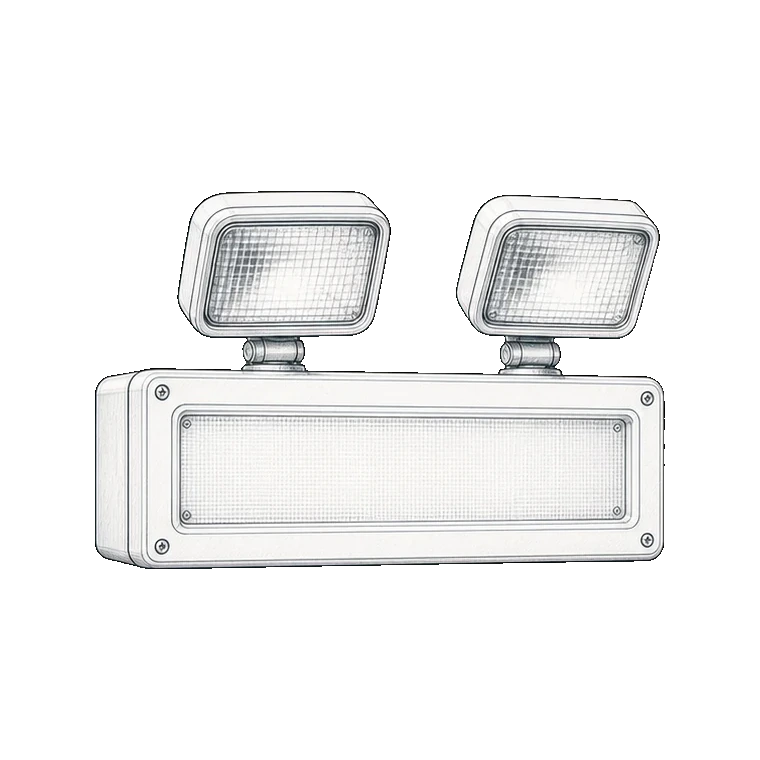
Emergency luminaires
Use approved luminaires suitable for maintained/non-maintained operation and environment.
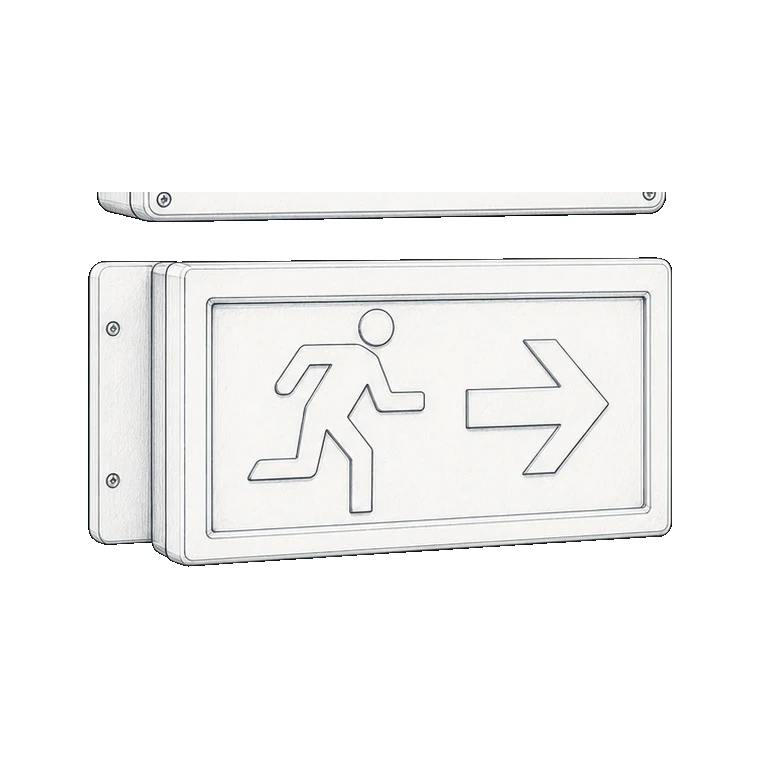
Exit signs
Legend, viewing distance, contrast and direction follow local rules.
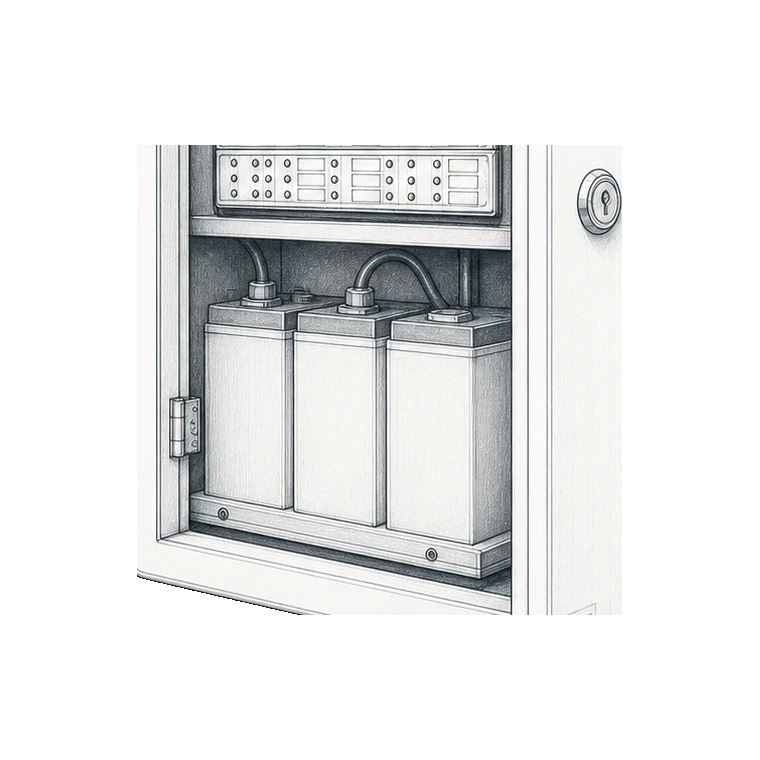
Batteries and chargers
Approved chemistry and capacity for required duration and end-of-life performance.
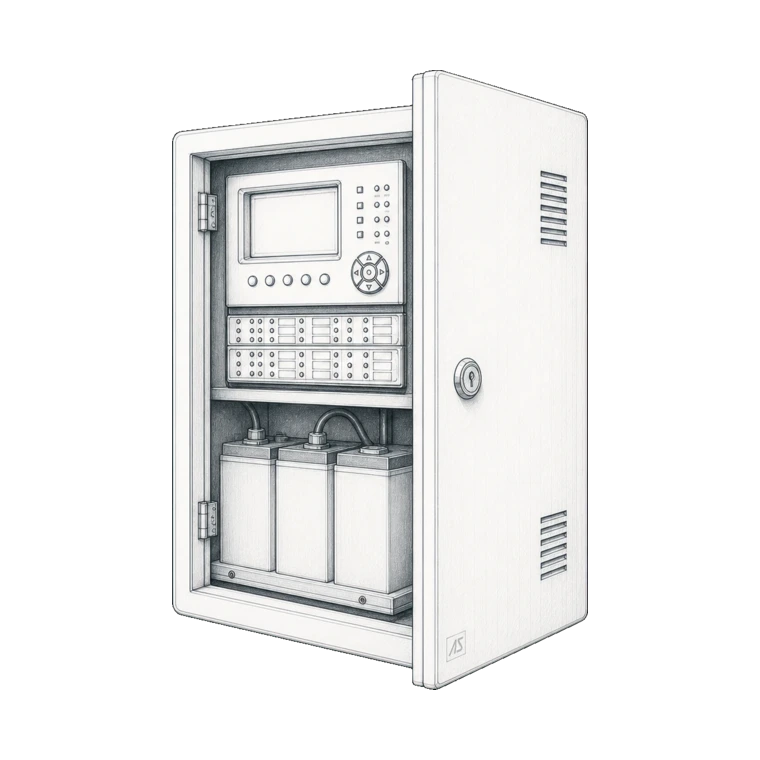
Central battery, inverter and distribution
Where used, equipment and protected circuits require applicable approval and monitoring.
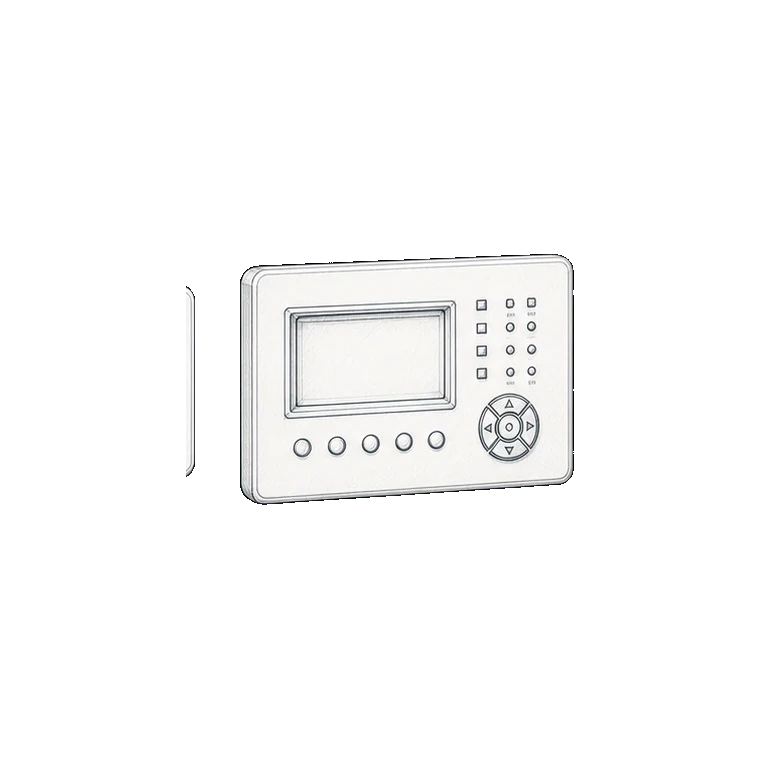
Automatic test and monitoring system
Verify fault reporting, device addressing, test logic and record retention.
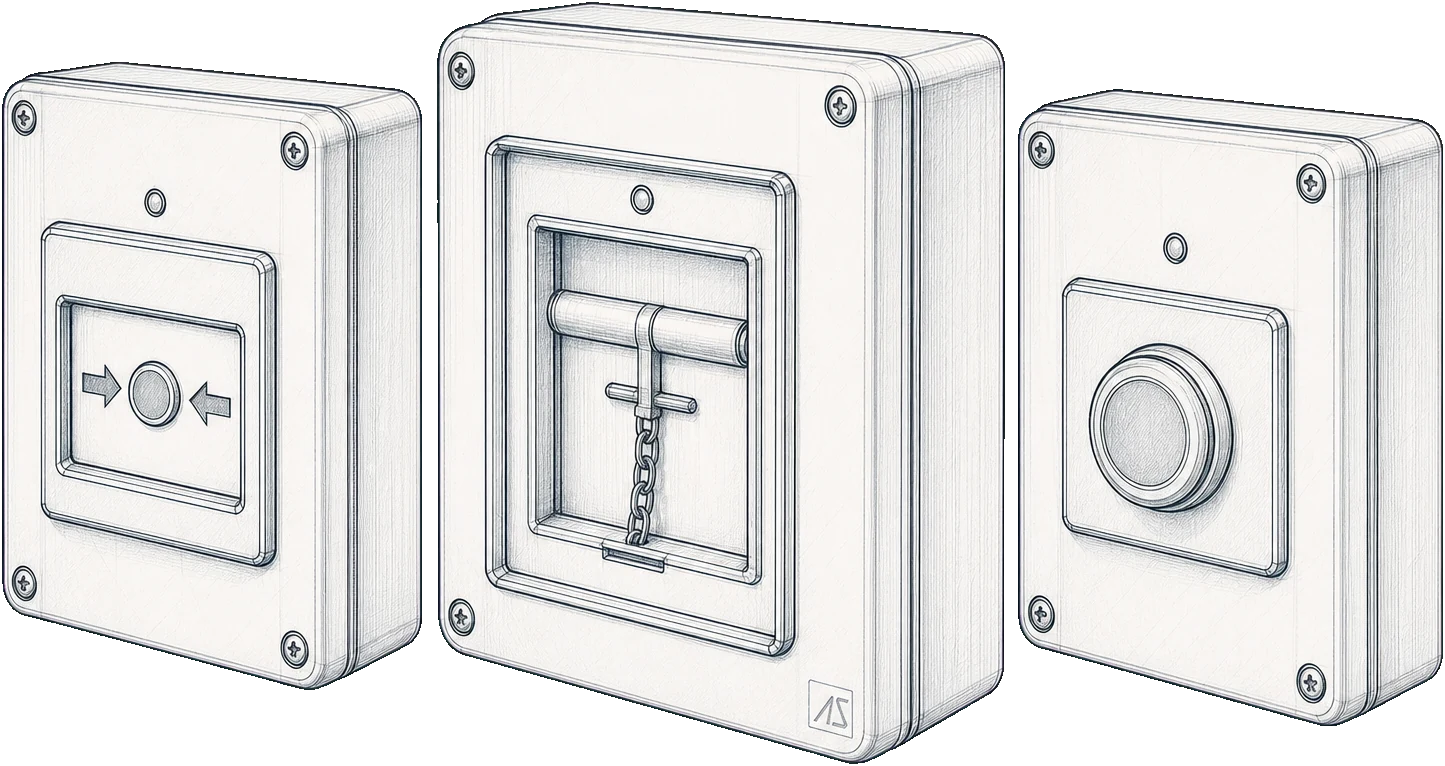
Local test switches and interfaces
Must simulate failure without creating unsafe or confusing conditions.
Approval families
Typical approvals and certification requirements
- IEC 60598-2-22 / EN 60598-2-22 product requirements for emergency luminaires
- EN 1838, EN 50172, NFPA 101 or locally adopted illumination and maintenance rules
- UL 924 for relevant North American emergency lighting equipment
- Marine low-location lighting and class/flag requirements where applicable
Governing rules
Codes, standards and project rules
- 01
The adopted building/fire code determines illuminance, duration, sign conventions and test frequency.
- 02
IEC 60598-2-22 addresses emergency luminaire product requirements, not the complete building layout.
- 03
Records should demonstrate periodic functional and duration testing and timely correction of defects.
Design information
Information needed to design and quote the system
Complete inputs reduce assumptions, expose interface risks early and make competing proposals meaningfully comparable.
- 01
Escape routes, exits, changes of direction/level and firefighting equipment locations
- 02
Open areas, high-risk task areas and required duration
- 03
Maintained/non-maintained strategy and normal supply arrangement
- 04
Luminaire photometric data, mounting height and spacing calculation
- 05
Self-contained or central battery topology and circuit protection
- 06
Automatic test, monitoring, records and maintenance access
Inspection, testing and maintenance
Inspection, testing and maintenance requirements
Frequency and method must follow the adopted standard, authority conditions and manufacturer instructions. These recurring activities belong in the maintenance plan.
- 01
Carry out regular visual inspection and functional tests at the adopted frequency.
- 02
Perform full rated-duration tests at prescribed intervals and confirm recharge afterward.
- 03
Record each luminaire, result, defect, battery replacement and restoration.
- 04
Recalculate or retest coverage after layout, furniture, storage or sign changes.
Mapped manufacturers
See all brands
Brands that support this solution

Eaton
Eaton for marine, offshore and industrial equipment.
Mean Well
Mean Well for marine, offshore and industrial equipment.
Range, approval, territory and project suitability remain model-specific and are confirmed for each enquiry.
Delivery and lifecycle services
Services needed across the system lifecycle
Appointments, licences and authority requirements vary by country. We confirm what the service must include before work starts.
Solution designFire safety drawings, calculations, equipment schedules and approval documents for coordinated projects.
Land installationInstallation, integration, testing and handover of building and industrial fire safety systems.
Marine installationMarine fire-system installation and replacement with flag, class and vessel requirements addressed.
Testing and commissioningDevice, circuit, interface and cause-and-effect testing with traceable commissioning records.
Statutory system testing and maintenanceScheduled inspection, testing, maintenance and defect reporting for installed fire safety systems.
System certification supportProduct, design, installation and test evidence prepared for authority, class or certification review.
Research basis
Standards and official references
These sources establish the system context. Verify the edition adopted by the project and the current certificate for the exact model.
Related knowledge
Knowledge base
Related technical guides
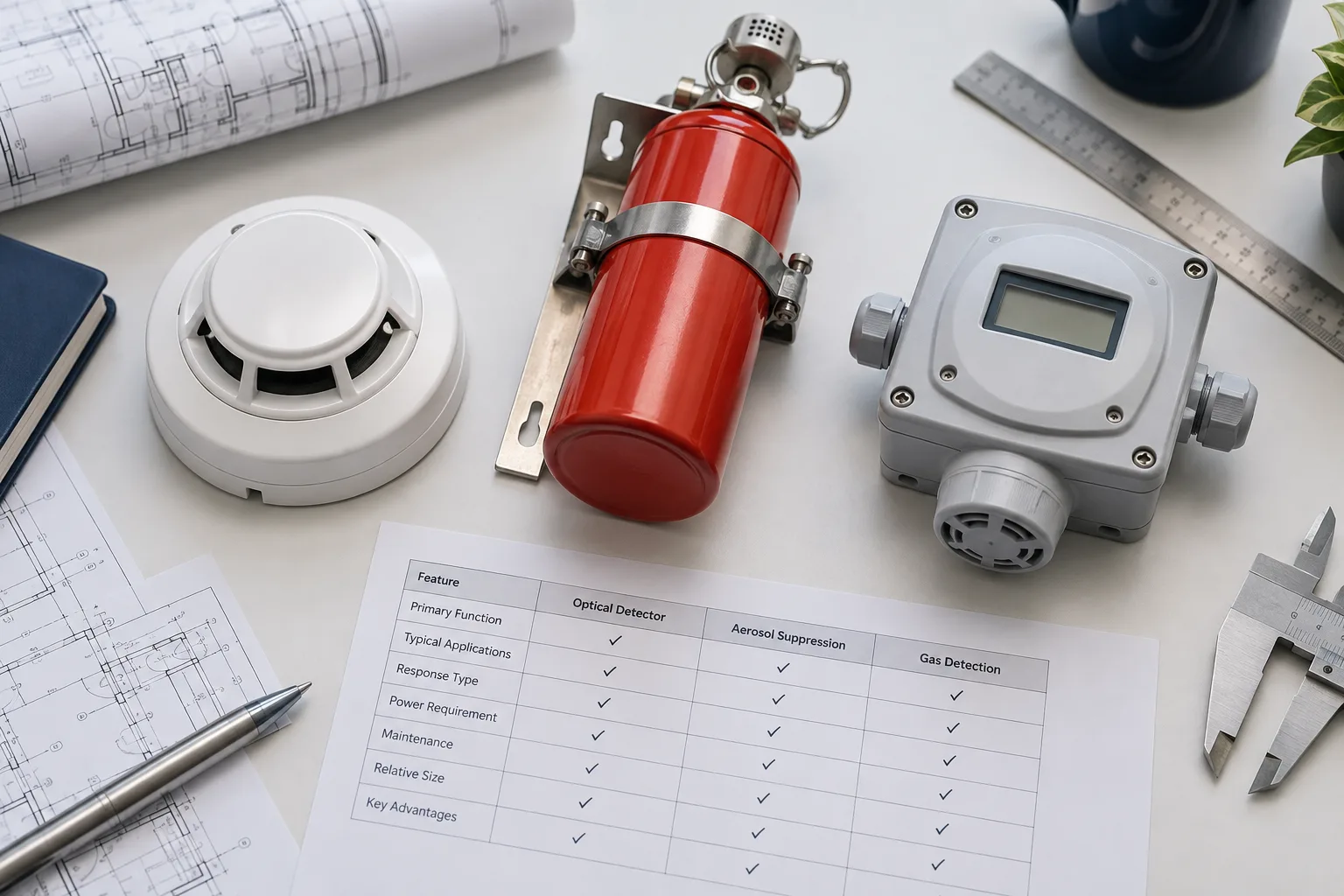
How we compare fire safety solutions
Compare fire safety systems for your building, from product approvals and installation to maintenance and cost.
Read
Understanding fire safety approvals and certifications
Separate standards, marks, schemes and listing bodies.
Read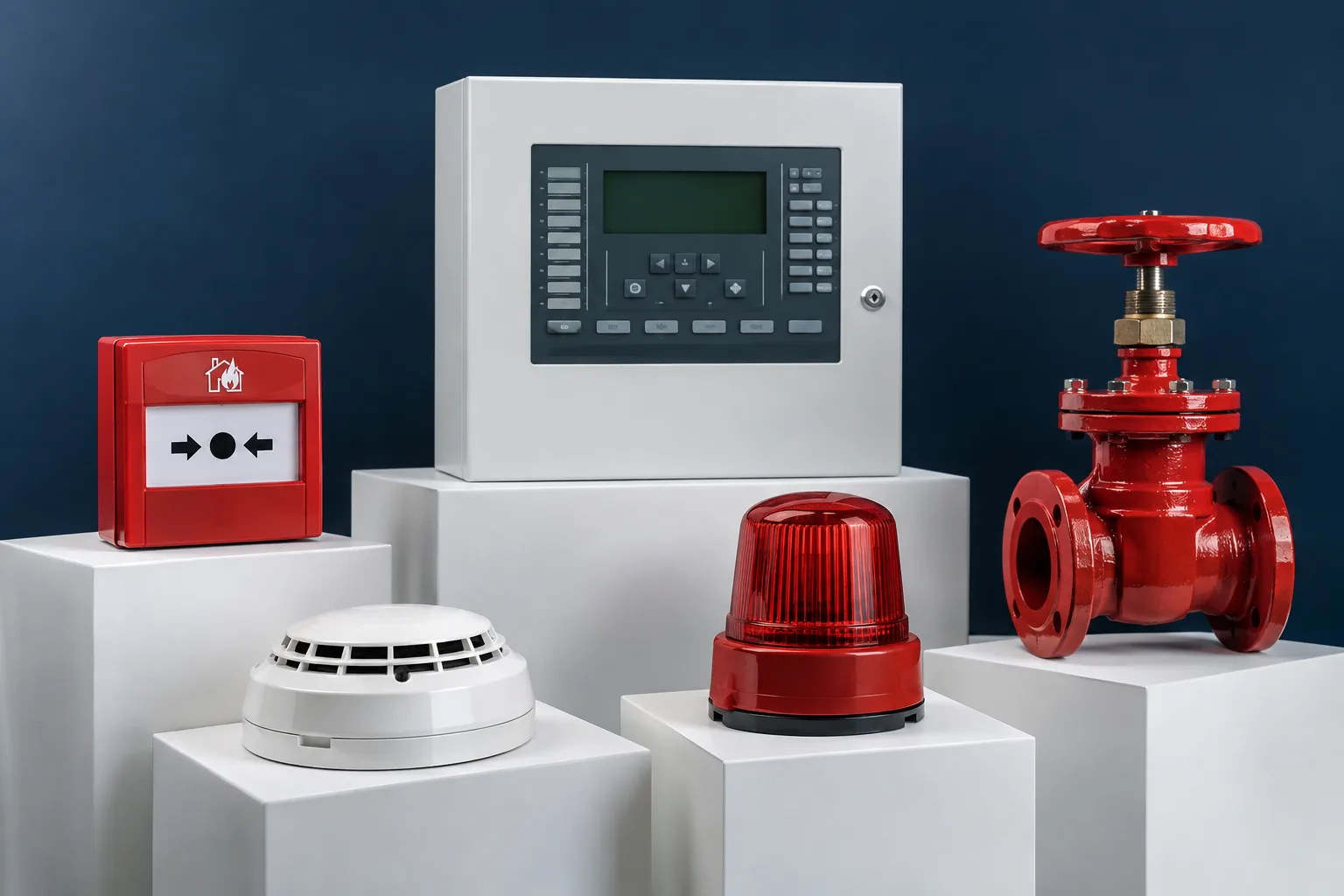
Browse the fire safety manufacturer directory
Find manufacturers, products, certifications and technical references.
ReadCommon Questions
Frequently Asked Questions
How long should emergency lighting operate?
The required duration depends on the adopted code, occupancy and evacuation/reoccupation strategy; common requirements vary, so do not assume one duration globally.
Does an automatic test system eliminate manual inspection?
No. It can automate electrical tests and records, but visual condition, obstruction, signage and defect response still need human review.
When should batteries be replaced?
When capacity, condition or manufacturer limits indicate they can no longer reliably deliver the required duration - not solely at an arbitrary age.