WhatsApp +65 9389 9198
Deafgard product range
Accessible fire warning United Kingdom

Deafgard

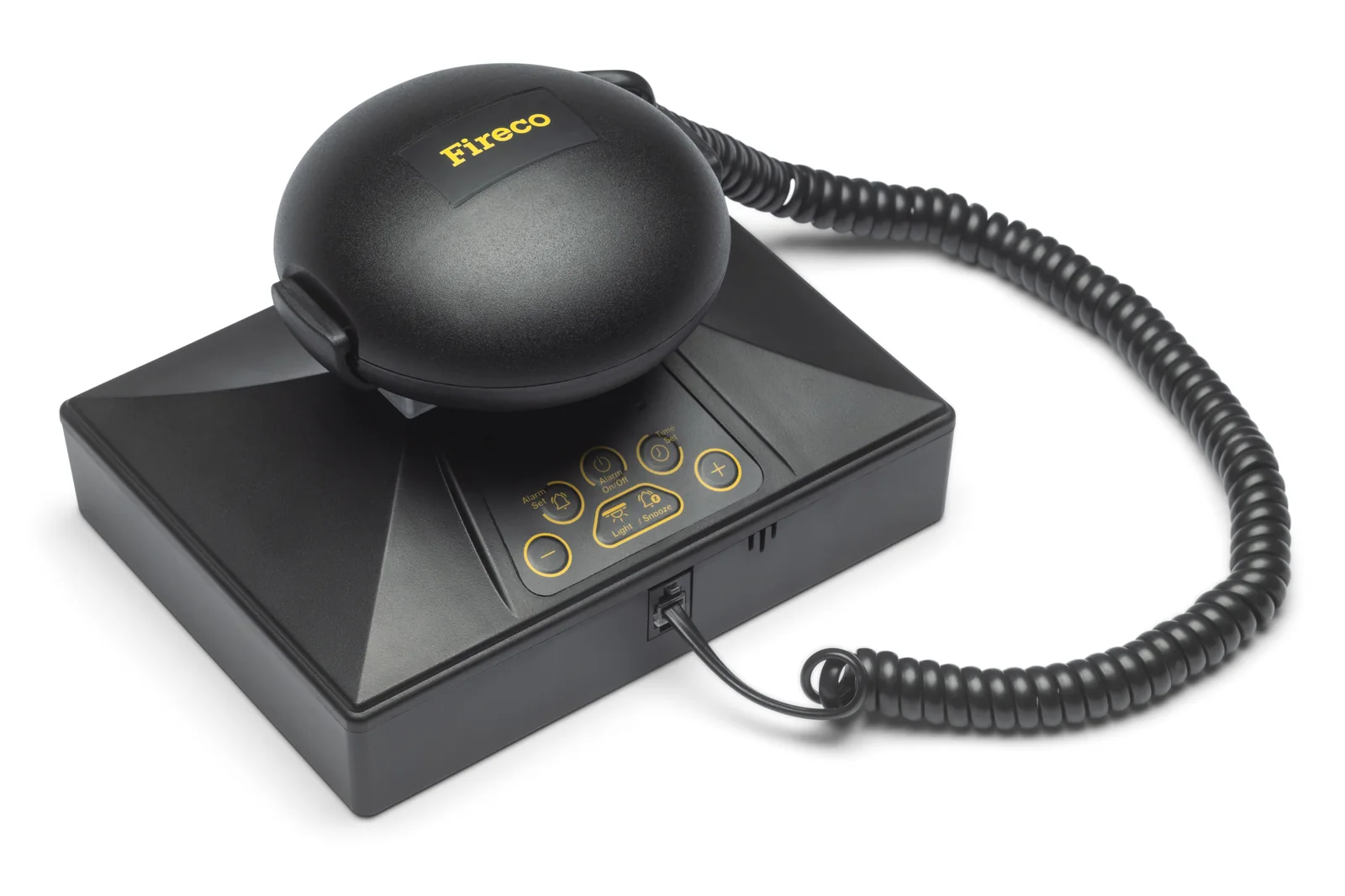
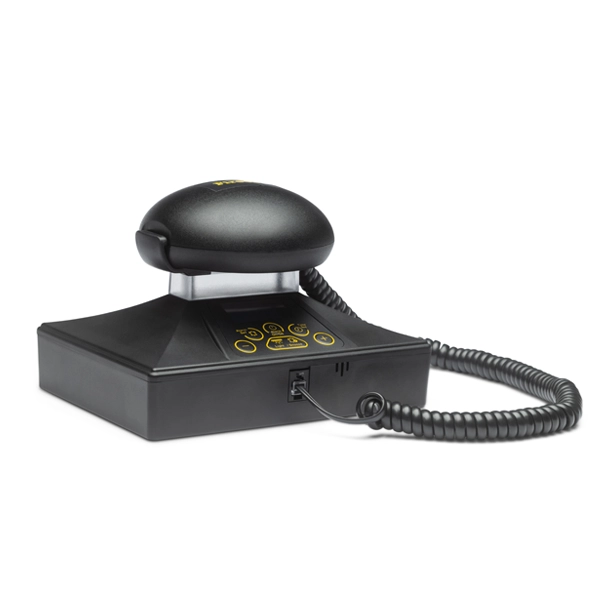
Deafgard is a portable, sound-activated bedside warning device that provides vibration and visual indication for deaf and hard-of-hearing occupants.

Contact us for product availability and local support. Official website
Brand overview

Alternative bedside fire warning for deaf and hard-of-hearing people

United KingdomUnited Kingdom; a Fireco product

  • Vibration-based pillow-pad warning
  • High-intensity visual warning in supported devices
  • Acoustic listening for a compatible building alarm
  • Hospitality, residential and care applications
Before you specify

Choosing your products

  1. 01Person, room and occupied condition
  2. 02Connection to the building alarm
  3. 03Power, supervision and placement
  4. 04Routine testing and personal emergency plan
Our products

What Deafgard offers

01 Accessible fire warning

Deafgard

Portable sound-activated vibration and visual bedside warning.

02 Accessible alarm accessories

Vibration pad and accessories

Occupant warning and replacement components.

03 Safety management

Routine test and room procedures

Operational checks for occupied accommodation.

Approval families

Certifications and approvals found in the range

Accessibility, fire-alarm audibility and evacuation duties remain governed by the building, market and responsible organisation.

Technical notes

Technical details

How the products connect, where they work and what maintenance they need.

Installation, compatibility and maintenance
01

Deafgard listens for a compatible sounding building fire alarm; it is not a substitute for a functioning building alarm.

02

The vibration pad is placed for the sleeping occupant and must be included in routine user and room checks.

03

Alarm sound level and pattern at the device location must satisfy the current Fireco instructions.


Applications

Where And How To Use The Range

Hotels and hospitality
Student accommodation
Care and sheltered housing
Residential facilitiesTemporary accommodation
Choosing For Your Application
  • Deafgard listens for a compatible sounding building fire alarm; it is not a substitute for a functioning building alarm.
  • The vibration pad is placed for the sleeping occupant and must be included in routine user and room checks.
  • Alarm sound level and pattern at the device location must satisfy the current Fireco instructions.
Beyond supply

Services available for Deafgard systems

Contact our team for availability, delivery and support options in your country.

Brand Questions

Frequently Asked Questions

Does Deafgard connect directly to the fire alarm panel?

The standard product listens acoustically for the building alarm rather than requiring a wired panel connection.

Can Deafgard replace the building fire alarm?

No. It is an additional occupant-warning device and relies on a suitable building alarm and emergency plan.

Where is Deafgard typically used?

Fireco identifies hotels, halls of residence, sheltered housing and other sleeping accommodation among its common applications.

How do I check that Deafgard responds in a room?

Test it with the actual building alarm using the manufacturer’s procedure and the intended bedside position. Include this check when the room or alarm arrangement changes.

What should I check before giving Deafgard to a guest?

Check the batteries, unit condition and pillow pad, then explain its use and the evacuation arrangements. Confirm it operates with the alarm in that room.

Can furniture or room position affect operation?

Yes. The unit needs to hear the building alarm and the pillow pad needs to be positioned correctly. Follow the placement instructions and test the final arrangement.