PHOENIX V2
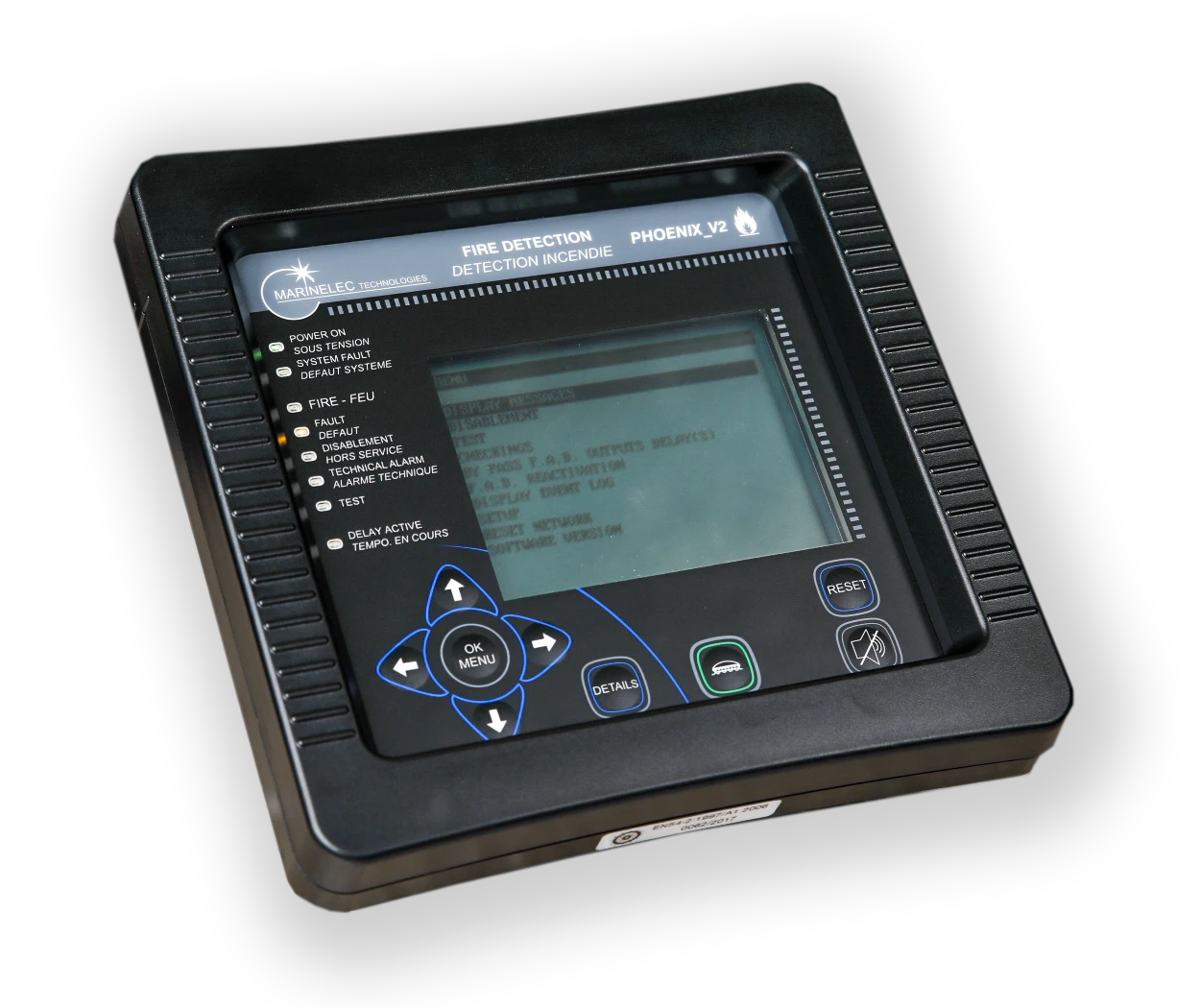
Addressable marine fire alarm control for projects requiring individual device identification. Discuss the supported Apollo devices and configuration with our team.
Explore PHOENIX V2 Ask about this range
 Marinelec
Marine fire alarm control panels paired with compatible Apollo detection devices.
Marinelec develops monitoring and alarm systems for vessels. Alarm Supply offers its fire alarm control panels alongside the Apollo devices we distribute, helping you select the panel, detectors and interfaces as a coordinated system. We check the exact device references and vessel requirements before proposing a configuration.
Meet the manufacturer
Addressable marine fire alarm control for projects requiring individual device identification. Discuss the supported Apollo devices and configuration with our team.
Explore PHOENIX V2 Ask about this range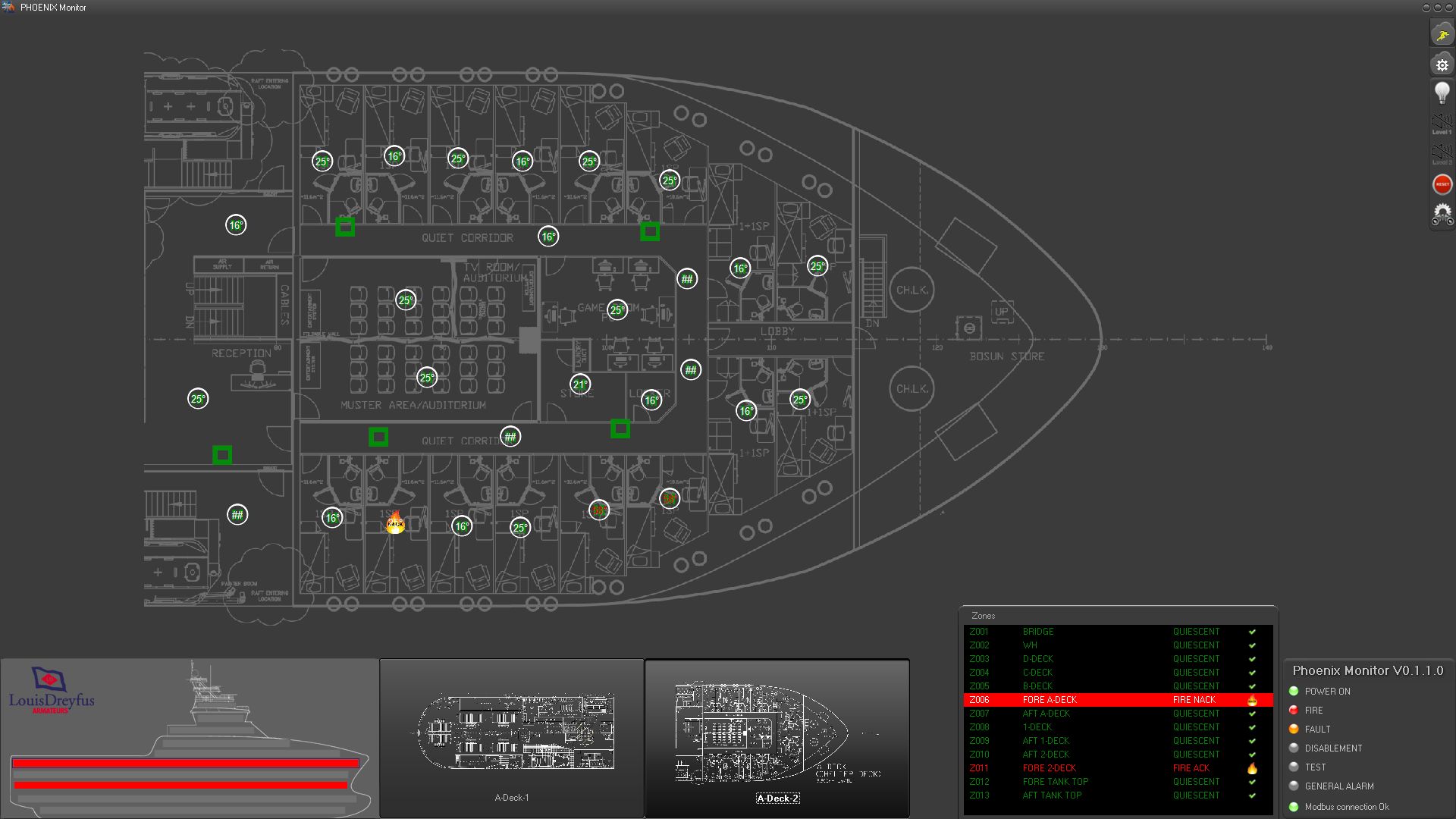
A graphical supervisor for PHOENIX V2 that helps operators locate alarms on vessel and deck views.
Explore PHOENIX MONITOR Ask about this range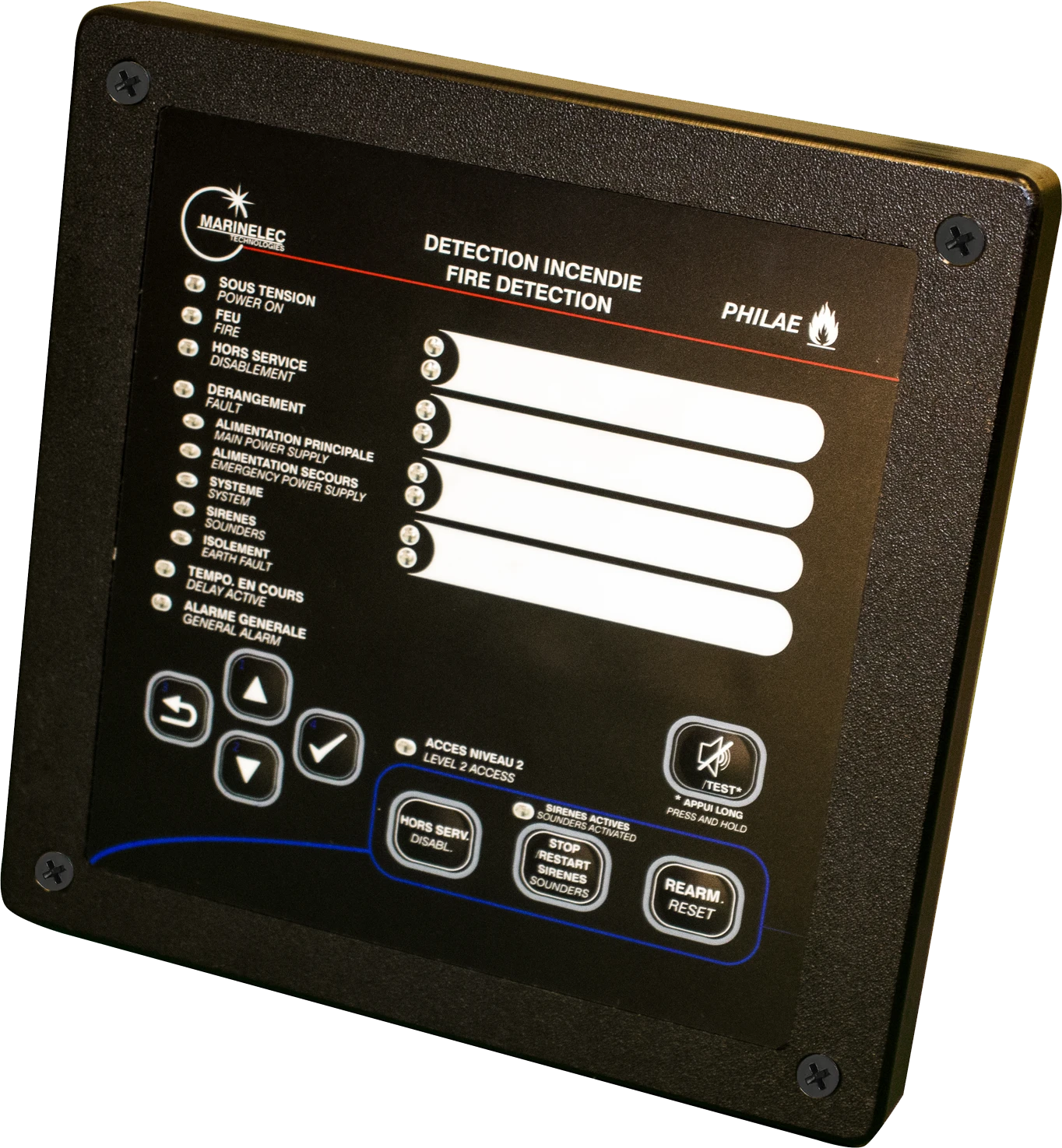
A conventional marine panel for zone-based detection. An alternative when the project calls for a conventional system rather than an addressable loop.
Explore PHILAE Ask about this rangeShare the Apollo part numbers, detector bases and panel software version. Confirm each device against the supported configuration; Apollo compatibility does not mean every Apollo range is interchangeable.
Map each detector, call point and interface to the vessel layout. Include loop loading, cable routes, isolators and the bridge or control-room display locations.
Specify which alarms, shutdowns and external systems must respond to each event. Review cause-and-effect programming, power supplies and interfaces together.
Provide the flag, classification society and installation location. The panel certificate covers specific hardware and software combinations and excludes installation of the panel in hazardous areas.
Review the current certificate and its installation conditions with the vessel’s approval requirements. Panel approval alone does not establish approval of every connected detector or the complete installation.
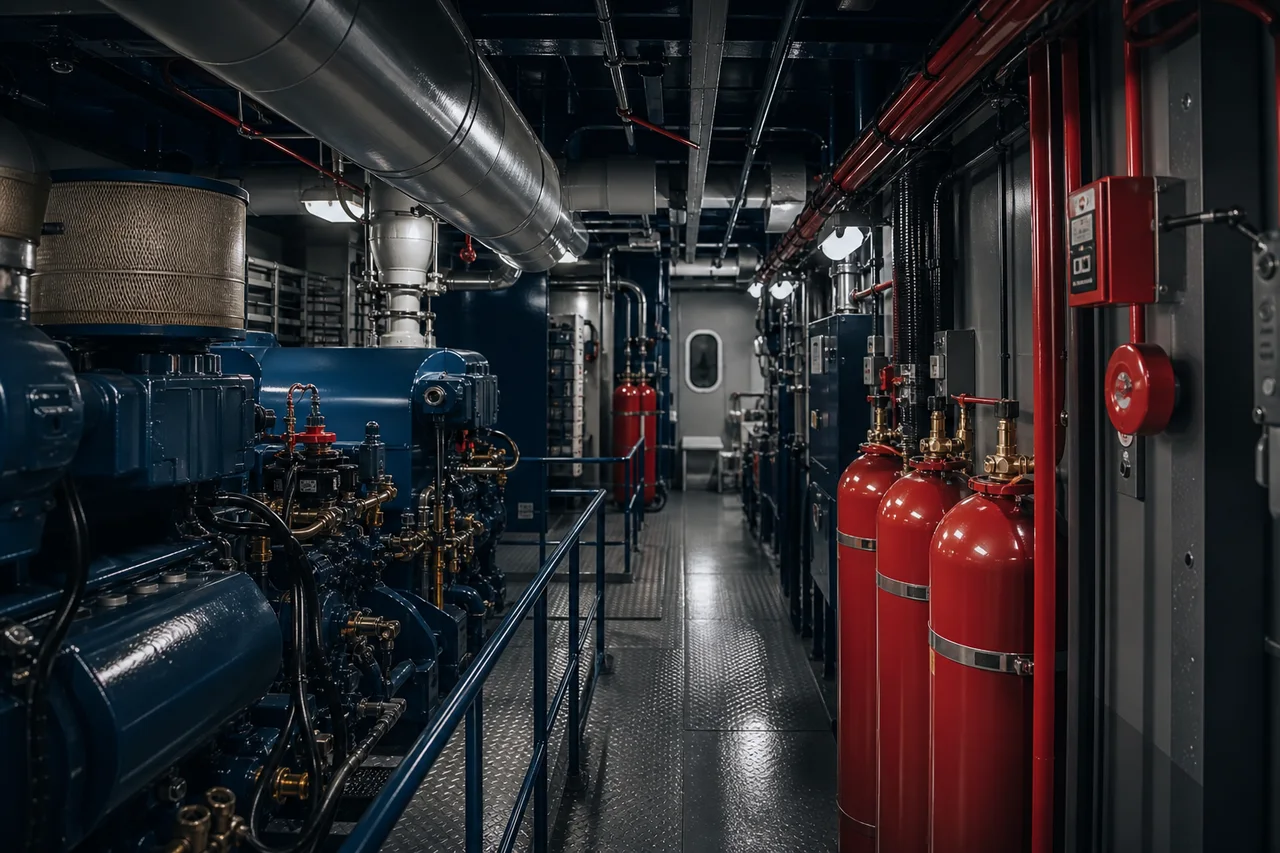
Bring together the vessel layout, detection schedule, existing equipment and required interfaces before selecting a system. Retaining equipment on a retrofit depends on compatibility and approval checks.
Manufacturer DetailsMarinelec lists intrinsically safe detectors and associated interfaces. Their selection requires assessment of the classified space and complete circuit; the control panel itself must be installed outside hazardous areas.
Manufacturer DetailsIt brings marine fire alarm control together with the Apollo detection devices we distribute. We help match the exact panel configuration, detector models and required marine approvals for your vessel.
Do not assume universal compatibility. Send the exact detector, base and interface references so the supported combination can be checked for the panel and software version. Marine approval must also match the intended installation.
Marinelec specifies two loops with up to 126 addresses per loop. Network configurations can extend to 16 loops and 2,016 addresses. Actual design must account for device loading, topology and the manufacturer’s configuration limits.
Addressable detection identifies individual points. PHOENIX MONITOR adds graphical vessel and deck views to help operators locate an event and review its history.
PHOENIX V2 provides digital and RS485 interfaces for supported integrations. Provide the required signals and interface details for systems such as vessel monitoring, general alarm or public address.
A retrofit needs an assessment of the installed devices, wiring, power supplies, interfaces and approvals. Send the existing panel and device list; retaining detectors or cabling depends on verified compatibility.
The PHOENIX V2 MED certificate states that the panel must not be fitted in hazardous areas. Detection in a classified space needs a separately assessed arrangement with suitable devices, interfaces and installation conditions.
PHILAE identifies a detection zone, while PHOENIX V2 identifies an addressable point. Choose according to the vessel’s detection strategy, required information and integration needs.
Send the full part number and clear photographs of the equipment label. Include the equipment it connects to and describe any changes to the installation. This helps distinguish versions that look alike.
Include the model or specification, quantity, delivery country and required date. Attach any required certificates or drawings so the proposed item can be checked before you order.
Send your vessel drawings, Apollo device list, required approvals and delivery location. We will help you identify a suitable Marinelec panel configuration.