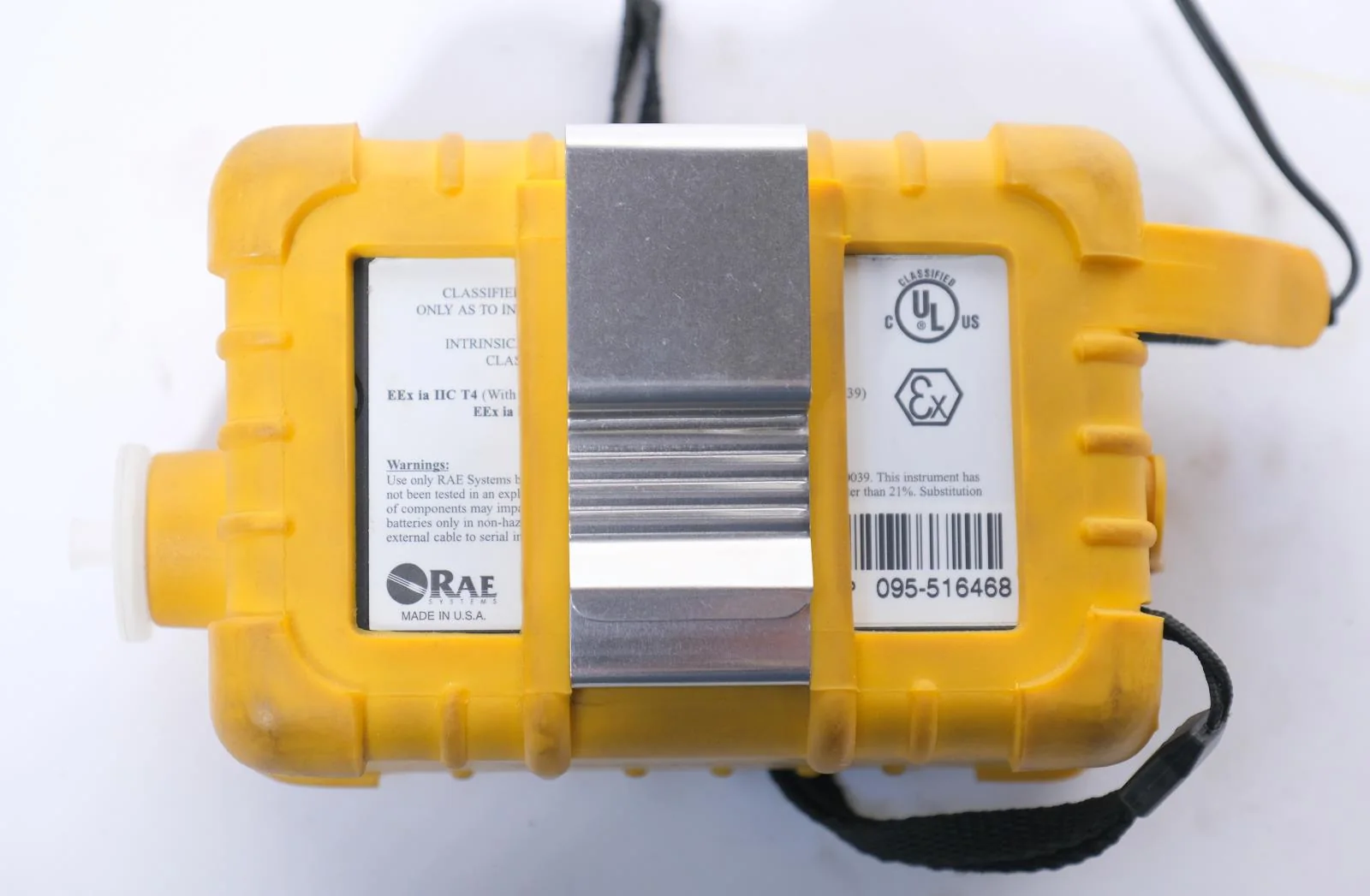
RAE Systems
RAE Systems for gas and flame detection.
About RAE Systems
Looking for RAE Systems gas or flame detection? Start with what you need to detect, the measuring range and the conditions where it will be used.
-
01
Typical products
Review RAE Systems's current range of fixed or portable gas detectors, flame detectors, controllers, sampling equipment and calibration accessories.
-
02
How to specify
Define the target gas or flame hazard, measuring range, sensor technology, fixed or portable use, output protocol and environmental rating.
-
03
Certifications
Match the exact model to any required IECEx, ATEX, UL, FM, marine or local certification.
-
04
Brand benefits
A coordinated detection range can simplify alarms, control integration, calibration and ongoing sensor maintenance.
Where And How To Use The Range
Choosing For Your Application
- Review RAE Systems's current range of fixed or portable gas detectors, flame detectors, controllers, sampling equipment and calibration accessories.
- Define the target gas or flame hazard, measuring range, sensor technology, fixed or portable use, output protocol and environmental rating.
- Match the exact model to any required IECEx, ATEX, UL, FM, marine or local certification.
- A coordinated detection range can simplify alarms, control integration, calibration and ongoing sensor maintenance.
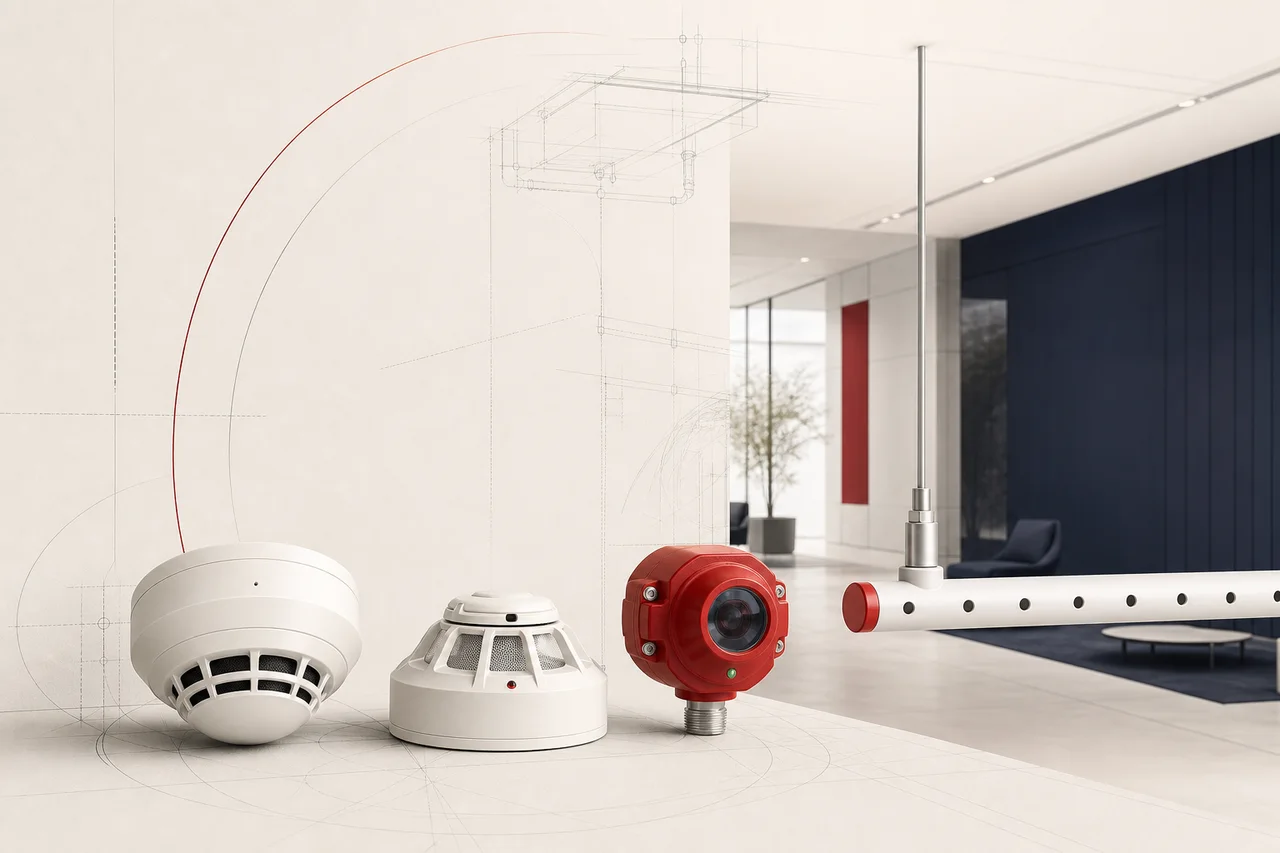
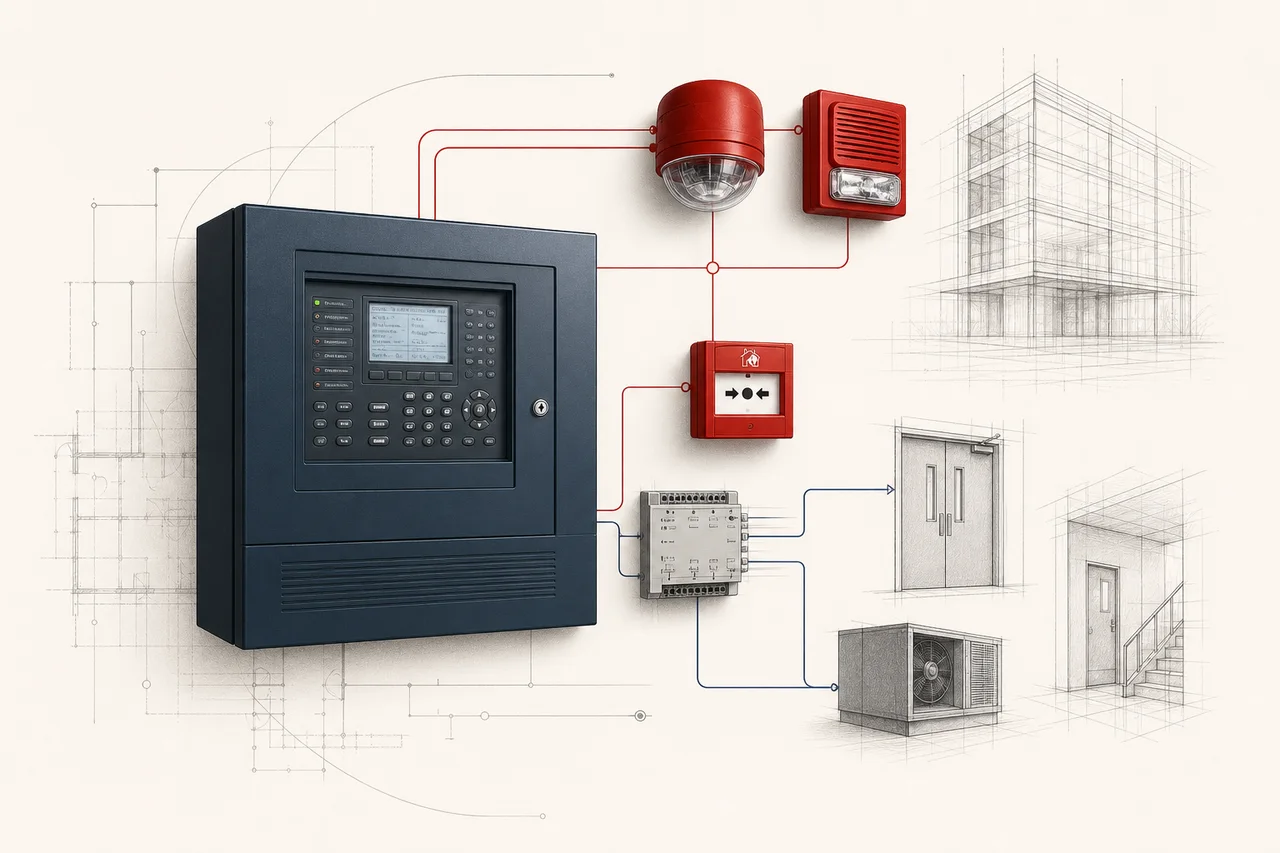
Solutions supported by RAE Systems
Services available for RAE Systems systems
Contact our team for availability, delivery and support options in your country.
Frequently Asked Questions
What detection equipment does RAE Systems offer?
You can explore RAE Systems's current range for fixed and portable gas detectors, flame detectors, controllers, sampling equipment and calibration accessories.
How do I select a RAE Systems gas or flame detector?
Start with the gas or flame you need to detect, measuring range, sensor technology, response time, fixed or portable use, output protocol and operating environment.
What do hazardous-area ratings mean for RAE Systems equipment?
Match the exact model's IECEx, ATEX, UL, FM, marine or local marking to the classified area, gas or dust group, temperature class and ambient range.
How should I compare RAE Systems with another detection brand?
You can compare target hazards, sensor performance, calibration needs, consumable life, diagnostics, system integration, certification and local service support.
What should I send to identify a replacement RAE Systems part?
Send the full part number and clear photographs of the equipment label. Include the equipment it connects to and describe any changes to the installation. This helps distinguish versions that look alike.
What should I include in a request for a quotation?
Include the model or specification, quantity, delivery country and required date. Attach any required certificates or drawings so the proposed item can be checked before you order.