VESDA-E VEP
Aspirating detection for a broad range of applications.
Explore VESDA-E VEP Ask about this range
 Xtralis · VESDA
Air sampling brings smoke to the detector. The pipe network makes the difference.
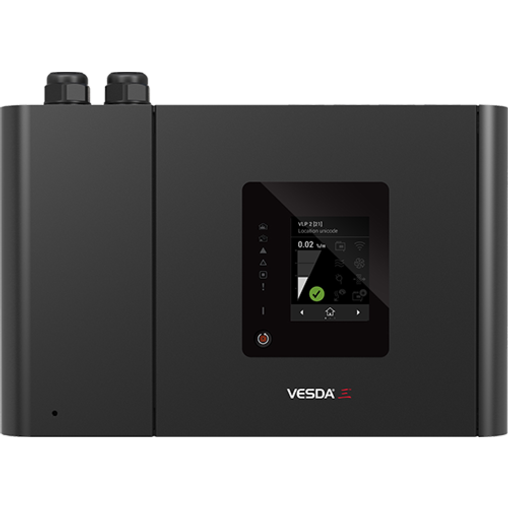
With VESDA, you can sample air continuously through a pipe network and detect small amounts of smoke. The VESDA-E range lets you choose the sensitivity, coverage and location information your site needs.
Meet the manufacturerAspirating detection for a broad range of applications.
Explore VESDA-E VEP Ask about this rangeVery high sensitivity for demanding early-warning applications.
Explore VESDA-E VEU Ask about this rangeSector addressability to identify the responding pipe sector.
Explore VESDA-E VES Ask about this range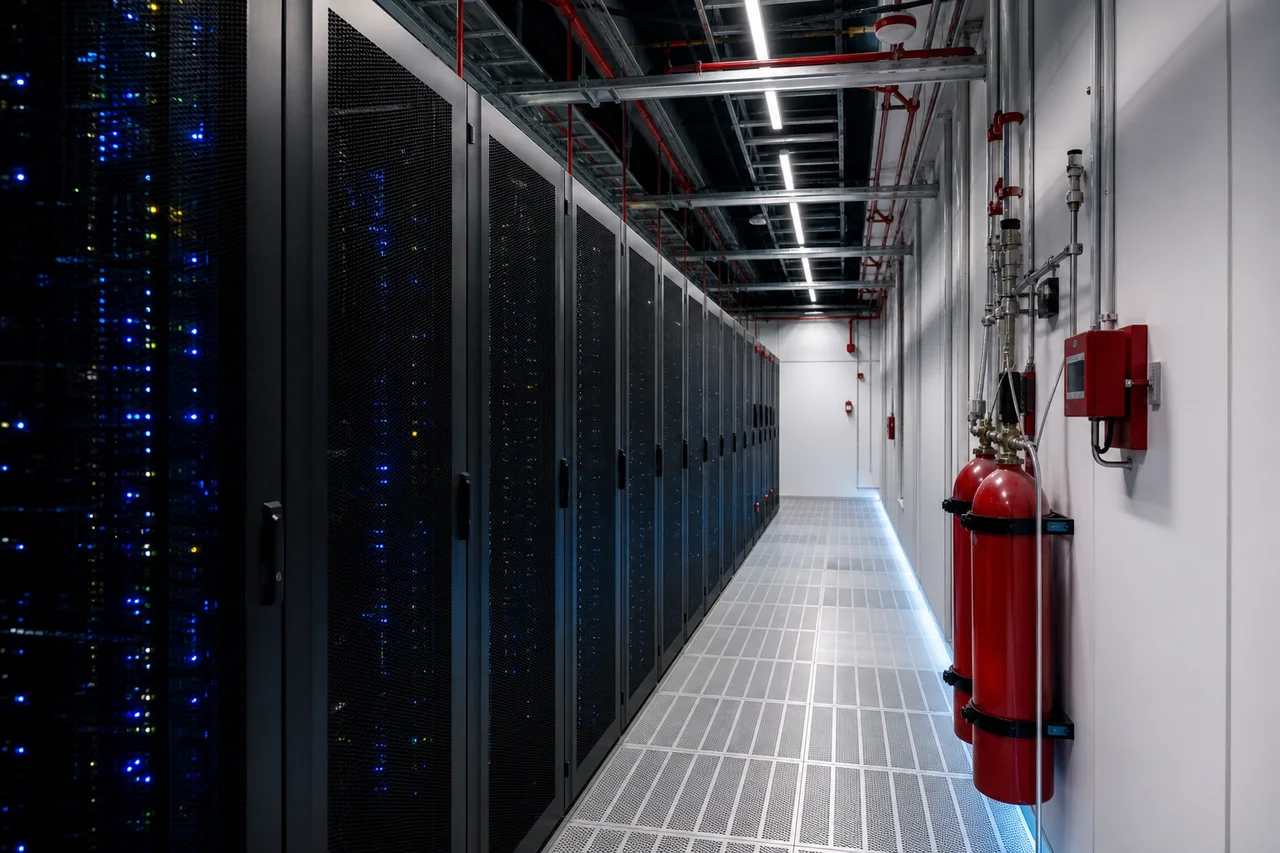
Position sampling points around the detection objective and airflow.
Pipe length, branches and hole sizes influence transport time and balance.
The detector measures the sampled air against configured alarm thresholds.
Define warning stages and connect them to an agreed response.
Estimate a ceiling grid from room dimensions and spacing. ASPIRE handles the detailed pipe design.
Points = ceil(length ÷ spacing) × ceil(width ÷ spacing). This assumes a rectangular, uniform ceiling grid, with points centred in each cell. Spacing is supplied by you; no code-compliant value is assumed.
Obstructions and airflow can change the layout. ASPIRE calculates the detailed pipe network, including hole sizes, air travel time and sensitivity. This worksheet does not determine detector count or EN 54-20 class.
VESDA approvals cover specific detectors and pipe configurations. ASPIRE calculates air travel time and sampling-hole sensitivity for the proposed layout.
VESDA sampling pipes can protect refrigerated spaces. Follow the cold-storage design guide, including condensation control and detector location outside sub-freezing areas.
Manufacturer DetailsBeam smoke detection for larger open spaces.
Explore RangeAspirating smoke detection for a range of building applications.
Explore RangeVideo and thermal imaging technologies for specialist fire detection.
Explore RangeAsk us about availability and the model requirements for your project.
How VESDA-E smoke detection works
No. You need to account for the pipe layout, sampling holes, branches, fittings, detector settings and airflow. Use the approved design software and guidance for your application.
No. You can use this worksheet to estimate a sampling grid. To calculate transport time and sensitivity at each hole, you’ll need an ASPIRE model.
You’ll need the approval for your particular detector and region. Approvals also specify the pipe configurations you can use.
A fan draws air through sampling pipes to a detector. Smoke in that air is measured at the detector, allowing sampling points to be placed around the protected area.
The connection depends on the detector model and supported panel interfaces. Provide both model numbers and specify which alarm and fault signals the panel needs to receive.
Follow the model’s maintenance instructions for filters, airflow checks and functional smoke tests. Inspect the pipework and sampling holes too; blocked or damaged pipes can affect detection.
Send the detector model, pipe drawing, existing design calculation and panel connection details. Include changes to room use, racks or ventilation because these can affect the sampling design.
We can help you choose a VESDA range and prepare the information needed for pipe design.