

Extend event visibility, acknowledgement and escalation beyond the site
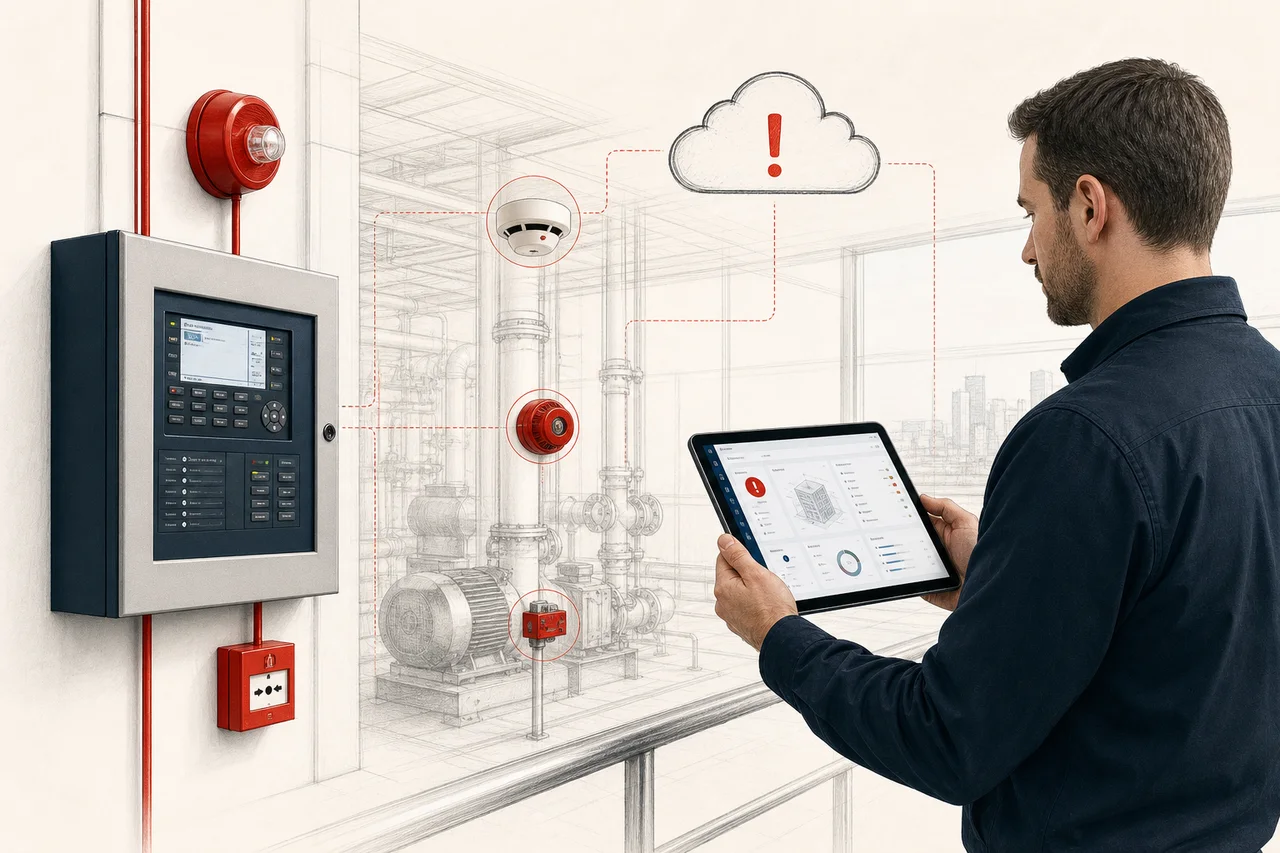
Connected monitoring
Remote Facility Monitoring System
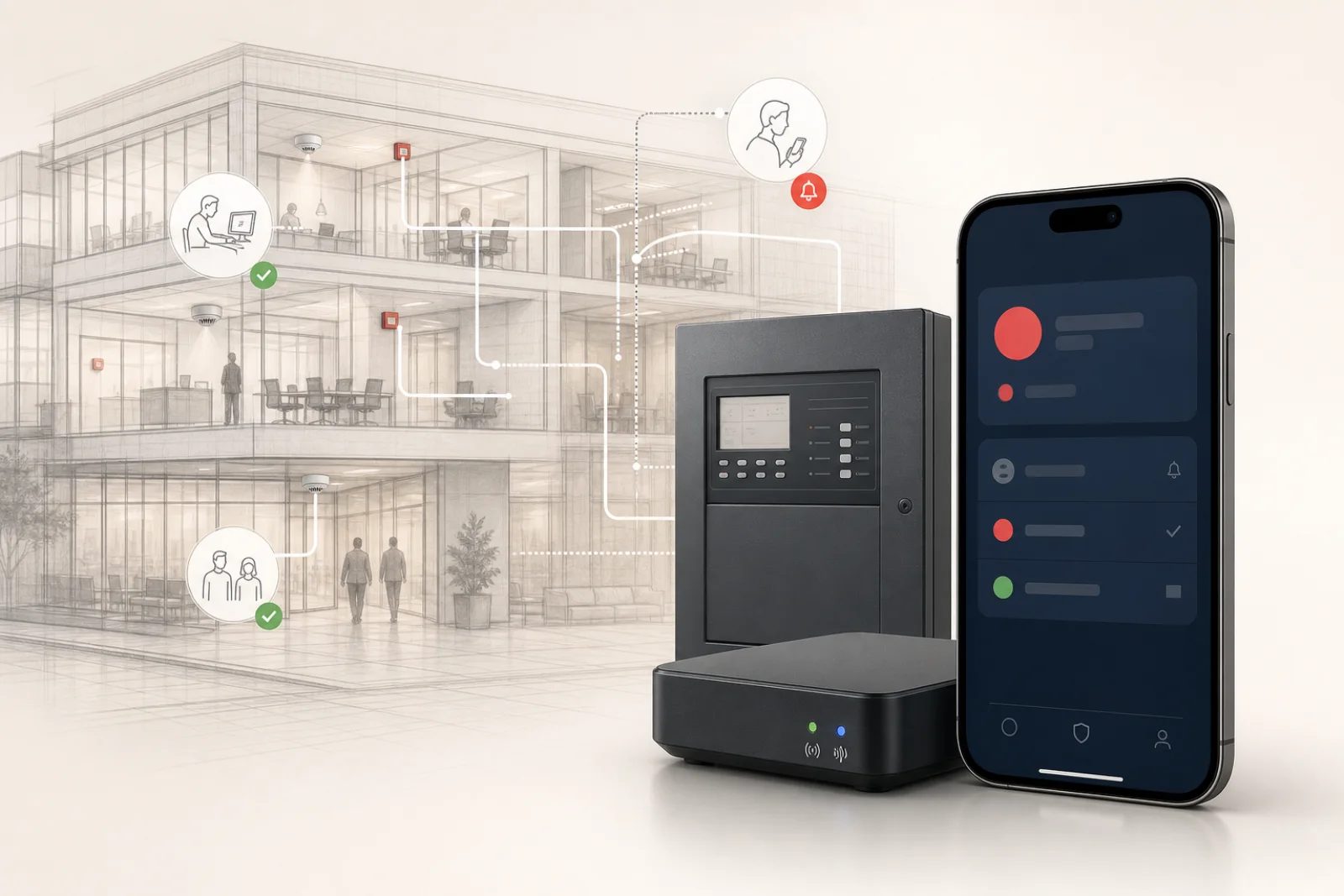
With remote monitoring, you can see selected alarms, faults and system events when you’re away from the site. It helps your team respond and coordinate maintenance. You still need your local fire alarm and any required supervising-station arrangements unless the monitoring system is specifically approved to fulfil those functions.
System snapshot
Key system characteristics
The same fields are used across every solution guide, making the systems easier to compare without reducing the decision to a single product.
Signals from the local system or sensors
None
None; connectivity and power are critical
Interface, gateway, path, platform and recipient workflow
Network sunset, certificates, software support, subscriptions and user access
How the system works
With remote monitoring, you can see selected alarms, faults and system events when you’re away from the site. It helps your team respond and coordinate maintenance. You still need your local fire alarm and any required supervising-station arrangements unless the monitoring system is specifically approved to fulfil those functions.
Key selection considerations
- 01
Response coverage: A push notification to one phone is not equivalent to a constantly attended approved supervising station.
- 02
Event clarity: Alarm, supervisory, trouble, disablement and communication-failure events should remain distinguishable.
- 03
Connection loss: Loss of internet, cellular service, cloud platform or user credentials must have a defined visible outcome.
- 04
Remote control: Remote reset or control functions need stricter authorisation and safety analysis than read-only monitoring.
System anatomy
System components and approvals
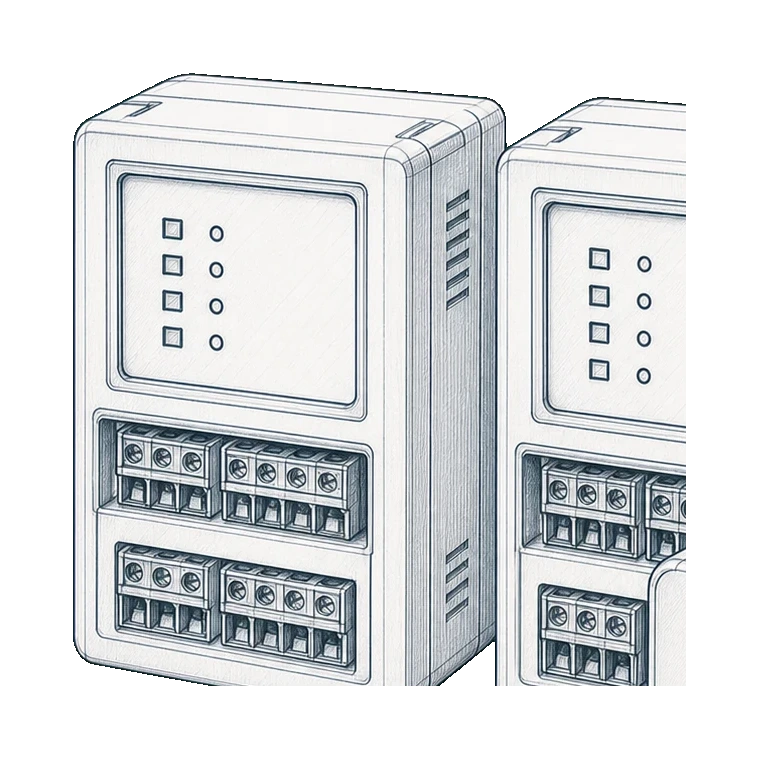
Fire panel or monitored system interface
Use approved, supervised outputs or routing equipment for relied-upon fire signals.
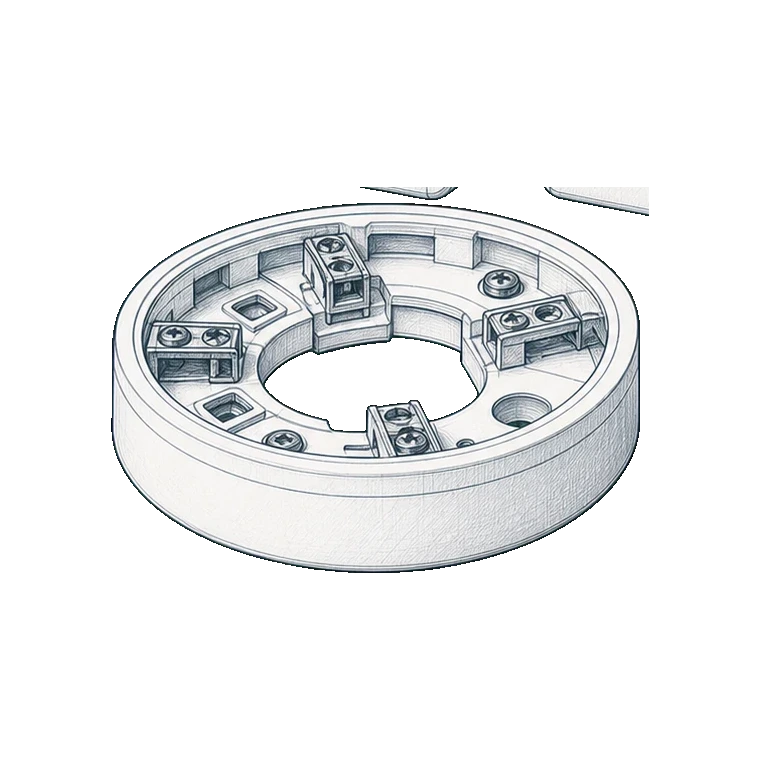
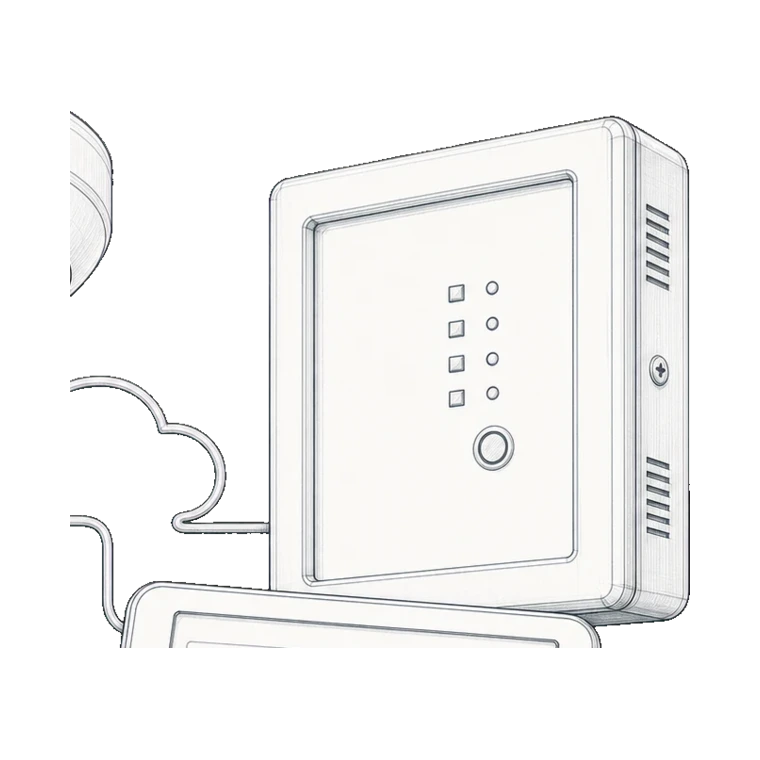
Gateway and communicator
Verify input supervision, buffering, encryption, primary/backup paths and outage behavior.
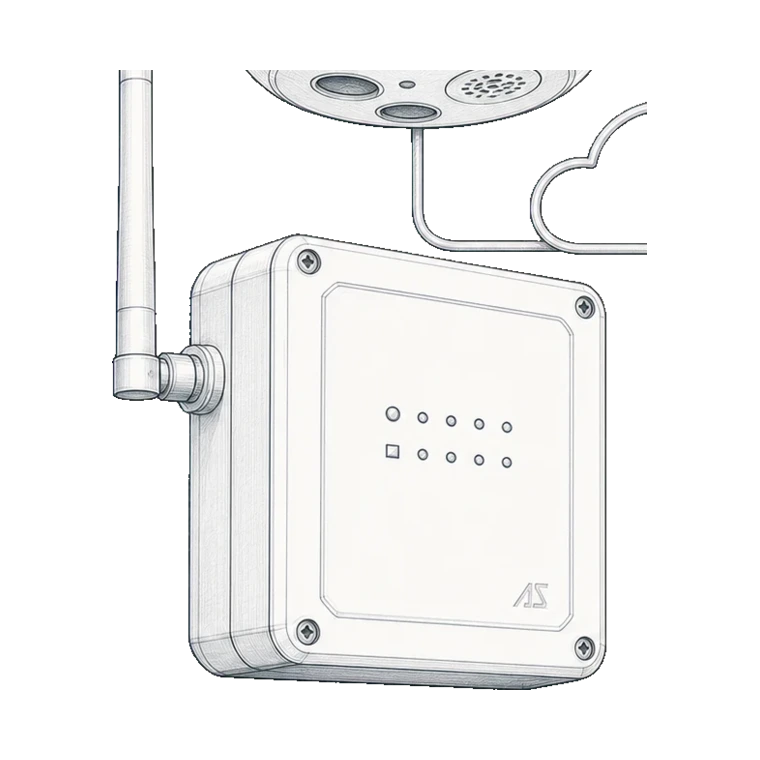
Network or cellular service
Coverage, diversity, service-level and power backup should match the response objective.
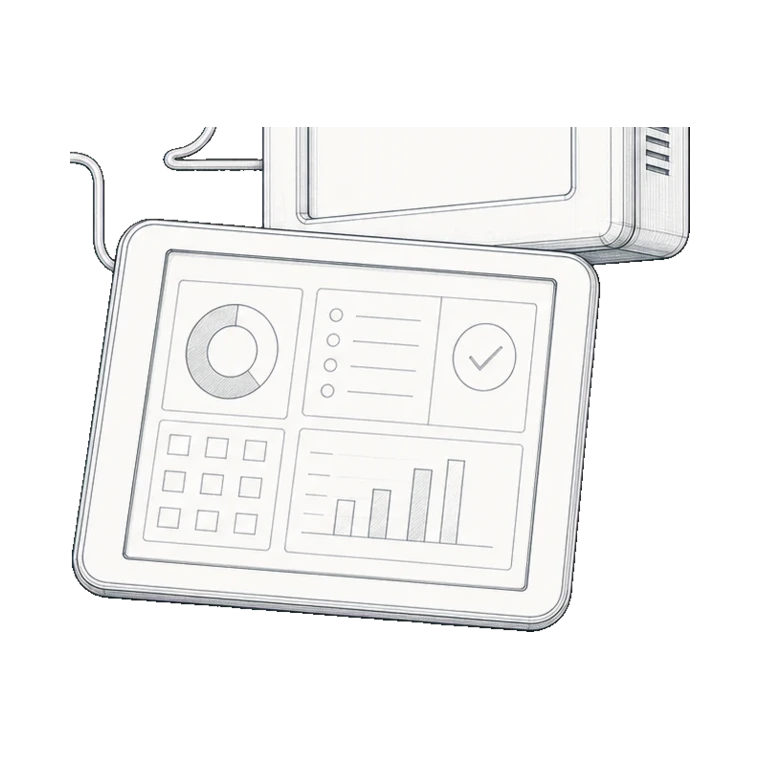
Cloud/application platform
Review security, roles, audit history, data location and availability.
Notification and escalation workflow
Define recipients, acknowledgement, escalation and integration with emergency procedures.
Approval families
Typical approvals and certification requirements
- ISO 7240-21 / EN 54-21 routing equipment where used for fire alarm transmission
- NFPA 72 supervising-station requirements for applicable North American systems
- Telecommunications, cybersecurity and radio approvals
- Authority or insurer acceptance for any statutory alarm-transmission function
Governing rules
Codes, standards and project rules
- 01
NFPA 72 Chapter 26 and local codes govern approved supervising-station arrangements where required.
- 02
ISO 7240-21 addresses routing equipment performance; the full transmission path and receiving arrangement still need project acceptance.
- 03
Cybersecurity, personal data and critical-infrastructure requirements may apply to the platform and hosting.
Design information
Information needed to design and quote the system
Complete inputs reduce assumptions, expose interface risks early and make competing proposals meaningfully comparable.
- 01
Event types, priorities and required response times
- 02
Source panel/interface and distinction between alarm, supervisory and fault
- 03
Primary/backup communication paths and local power backup
- 04
Recipients, rosters, acknowledgement and escalation rules
- 05
Cybersecurity, identity, logs, retention, hosting and integrations
- 06
Statutory transmission obligations and accepted supervising station
Inspection, testing and maintenance
Inspection, testing and maintenance requirements
Frequency and method must follow the adopted standard, authority conditions and manufacturer instructions. These recurring activities belong in the maintenance plan.
- 01
Test the end-to-end path from a controlled site event to receipt, acknowledgement and escalation.
- 02
Verify communication-failure indication, buffering, restoration and backup-path operation.
- 03
Review user accounts, credentials, certificates, firmware, integrations and contact rosters.
- 04
Retain event, test and outage records and compare platform status with the local panel.
Mapped manufacturers
See all brands
Brands that support this solution
BDApp by emCT
Mobile facility monitoring, remote fire-alarm alerts and Fire Safe Zone visitor notification.
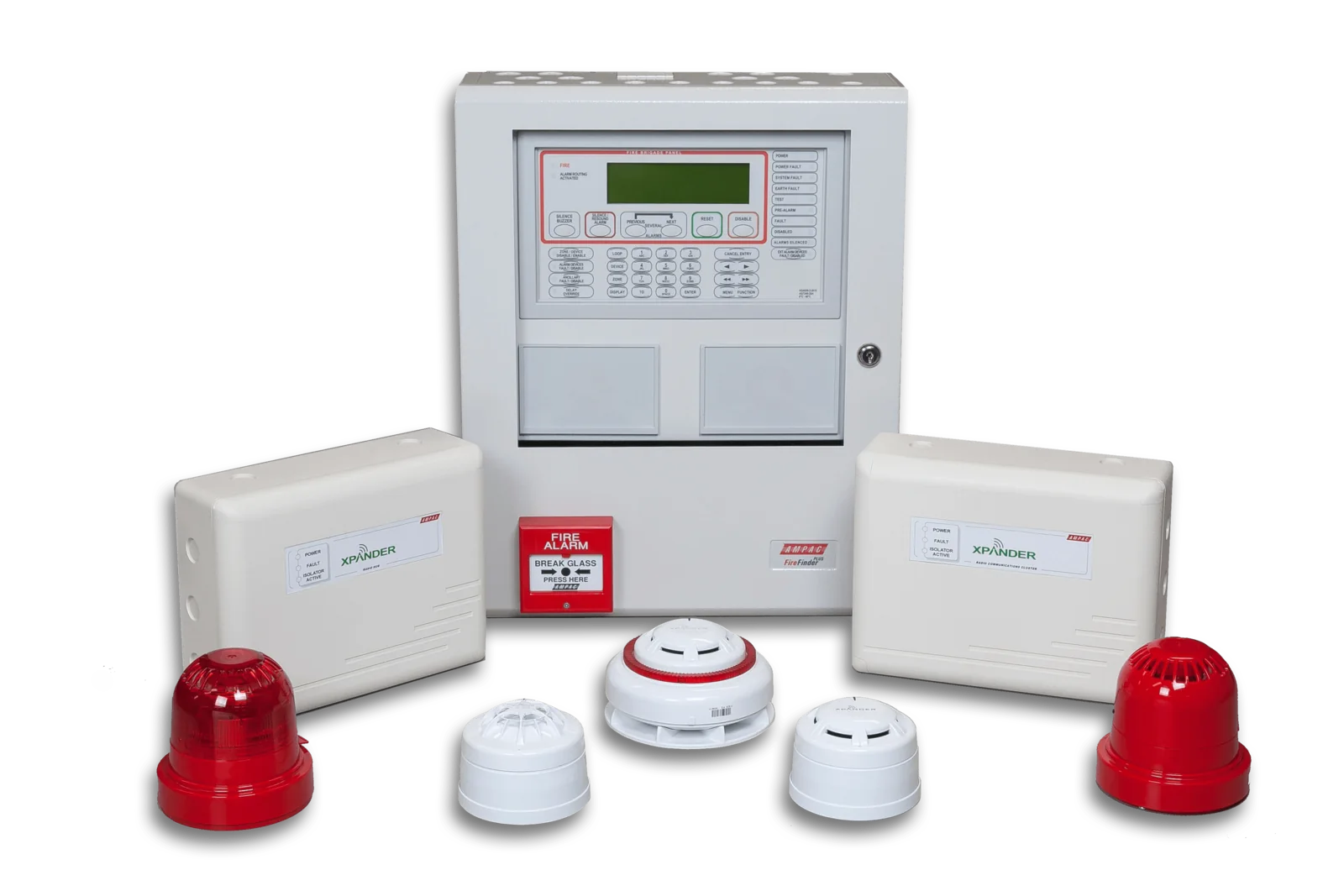
Ampac
Marine fire detection and alarm control in approved configurations
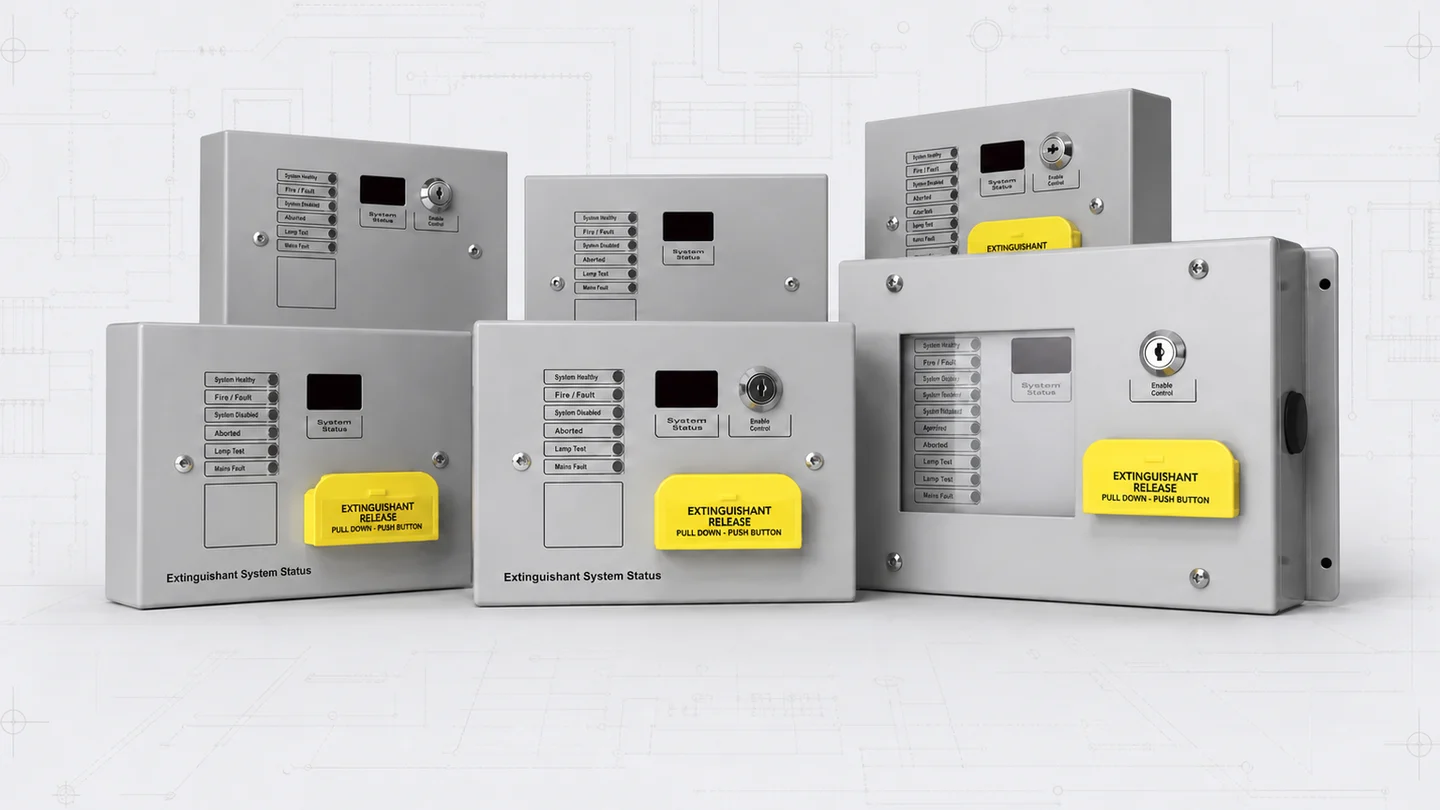

Marine addressable control in the specified Syncro ASM configuration
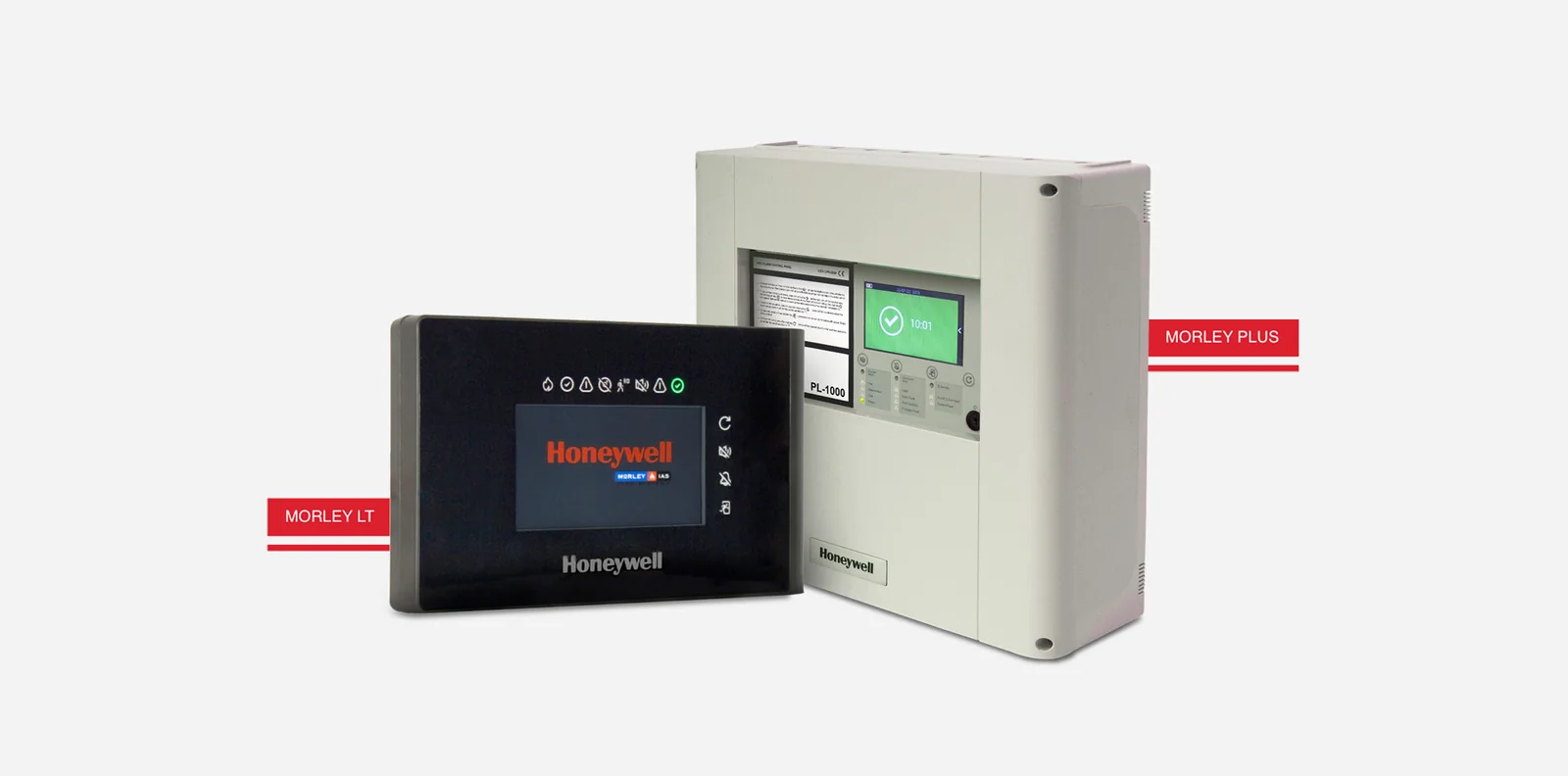
Honeywell
Honeywell for fire detection and control.
Siemens
Siemens for fire detection and control.
Range, approval, territory and project suitability remain model-specific and are confirmed for each enquiry.
Delivery and lifecycle services
Services needed across the system lifecycle
Appointments, licences and authority requirements vary by country. We confirm what the service must include before work starts.
Solution designFire safety drawings, calculations, equipment schedules and approval documents for coordinated projects.
Land installationInstallation, integration, testing and handover of building and industrial fire safety systems.
Testing and commissioningDevice, circuit, interface and cause-and-effect testing with traceable commissioning records.
Statutory system testing and maintenanceScheduled inspection, testing, maintenance and defect reporting for installed fire safety systems.
TrainingPractical, system-specific training for operators, facilities teams, technicians and emergency responders.
PLC programming and integrationPLC logic, fire-system interfaces, acceptance testing, backups and controlled change records.
Research basis
Standards and official references
These sources establish the system context. Verify the edition adopted by the project and the current certificate for the exact model.
Related knowledge
Knowledge base
Related technical guides
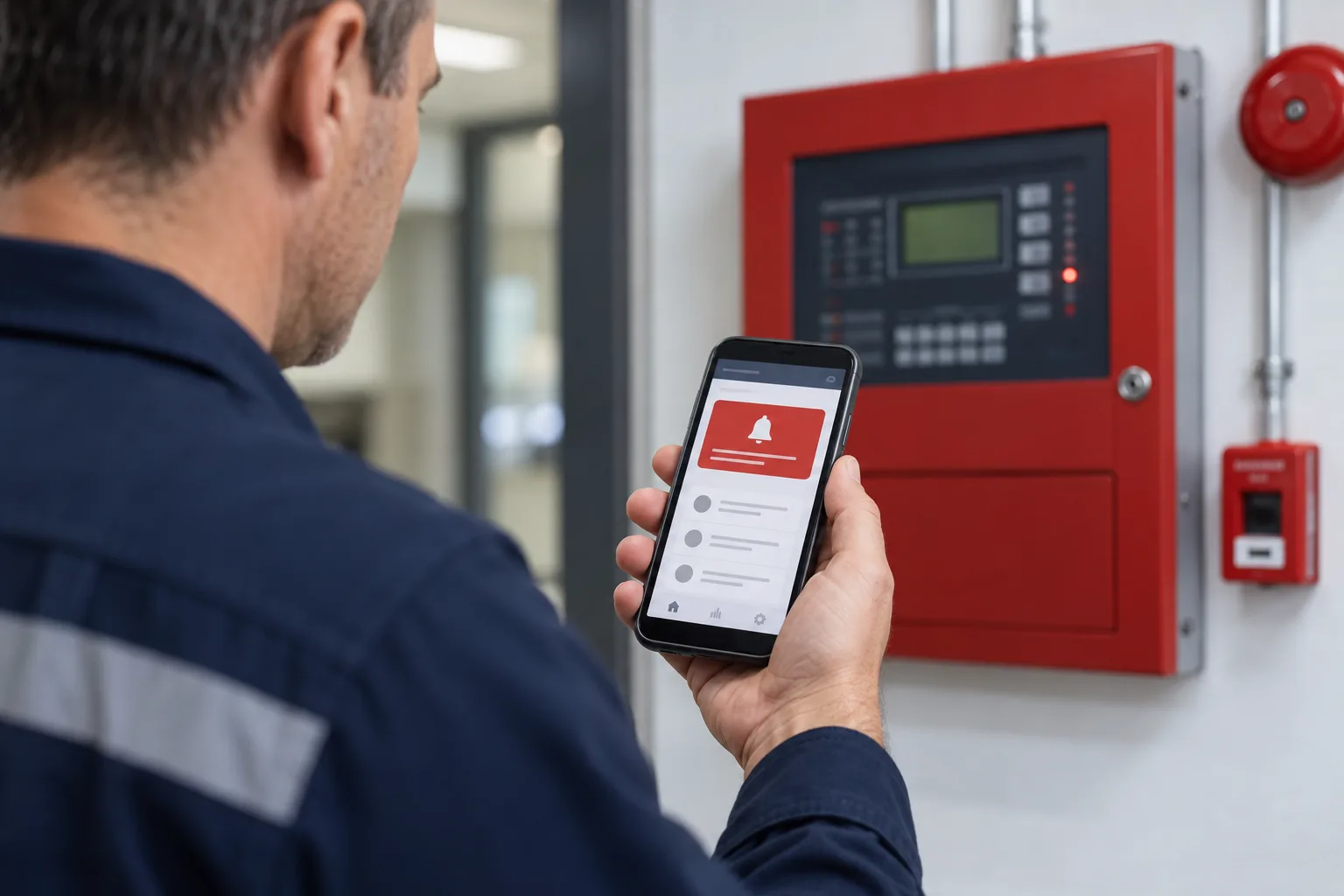
Remote fire-alarm monitoring and visitor notification
How mobile alerts, facilities workflows and visitor notification can complement core systems.
Read
Writing a fire-alarm cause-and-effect matrix
Organize initiating events, outputs, interfaces, timing, reset and test requirements.
Read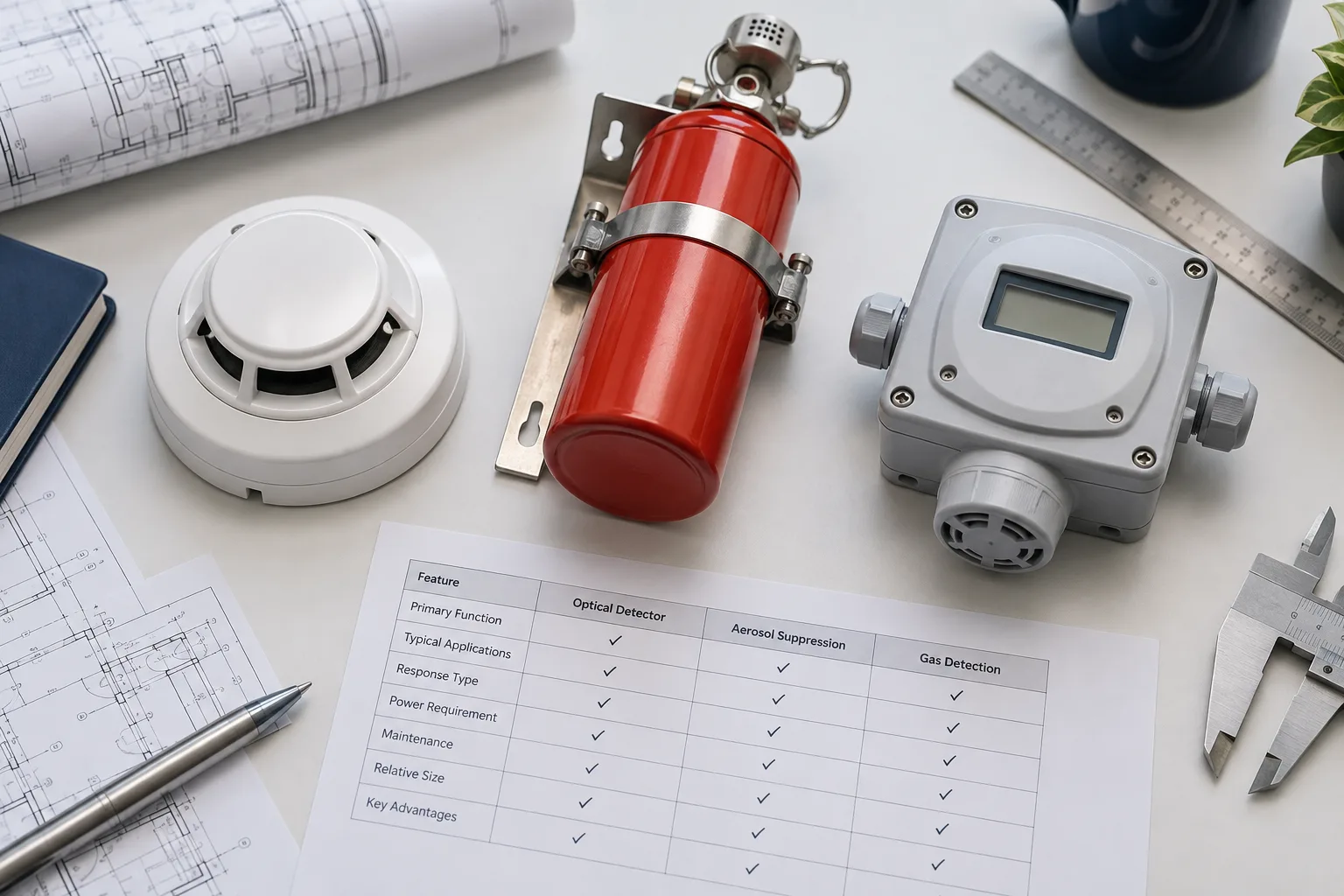
How we compare fire safety solutions
Compare fire safety systems for your building, from product approvals and installation to maintenance and cost.
ReadCommon Questions
Frequently Asked Questions
Can a mobile app replace a fire alarm monitoring station?
Usually no. A statutory supervising station has specific attendance, transmission, procedure and approval requirements.
Which events should be sent remotely?
At minimum distinguish fire alarm, supervisory, fault, disablement and communication failure when those states are available and useful to the response plan.
Should remote users be able to reset the fire panel?
Only with explicit risk assessment, authority acceptance, strong access control and a procedure that confirms the site is safe to reset.