

Deliver intelligible emergency instructions and manage evacuation
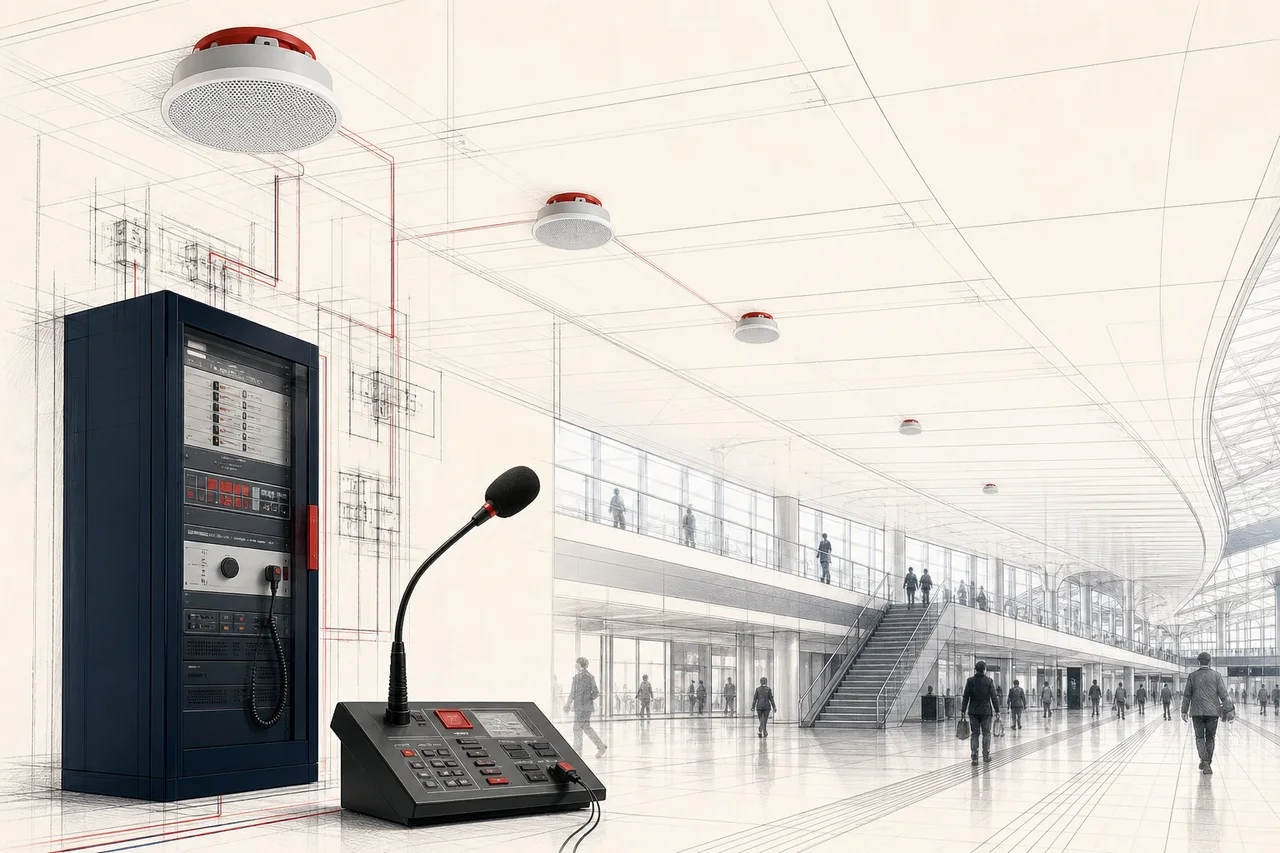
Emergency communication
Voice alarm and evacuation
A voice alarm system lets you give people clear spoken instructions during an emergency. You can use recorded messages or live announcements to explain where to go and whether to evacuate in stages. Good results depend on clear sound, reliable power and the right connection to your fire system.
System snapshot
Key system characteristics
The same fields are used across every solution guide, making the systems easier to compare without reducing the decision to a single product.
Fire alarm logic, manual emergency control or authorised live paging
None
Acoustic conditions strongly determine intelligibility
Amplifiers, speaker circuits, network, microphones, messages and power
Amplifiers, batteries, speaker condition, changed acoustics and message governance
How the system works
A voice alarm system lets you give people clear spoken instructions during an emergency. You can use recorded messages or live announcements to explain where to go and whether to evacuate in stages. Good results depend on clear sound, reliable power and the right connection to your fire system.
Key selection considerations
- 01
Speech intelligibility: Sound pressure alone does not ensure speech intelligibility; reverberation, background noise and loudspeaker directivity matter.
- 02
Evacuation strategy: Phased evacuation needs a clear zone strategy, message priorities and interfaces to doors, lifts and smoke control.
- 03
System architecture: Distributed amplifiers can improve survivability but increase network and power coordination.
- 04
Message design: Messages should be concise, understood by the expected population and aligned with the emergency plan.
System anatomy
System components and approvals
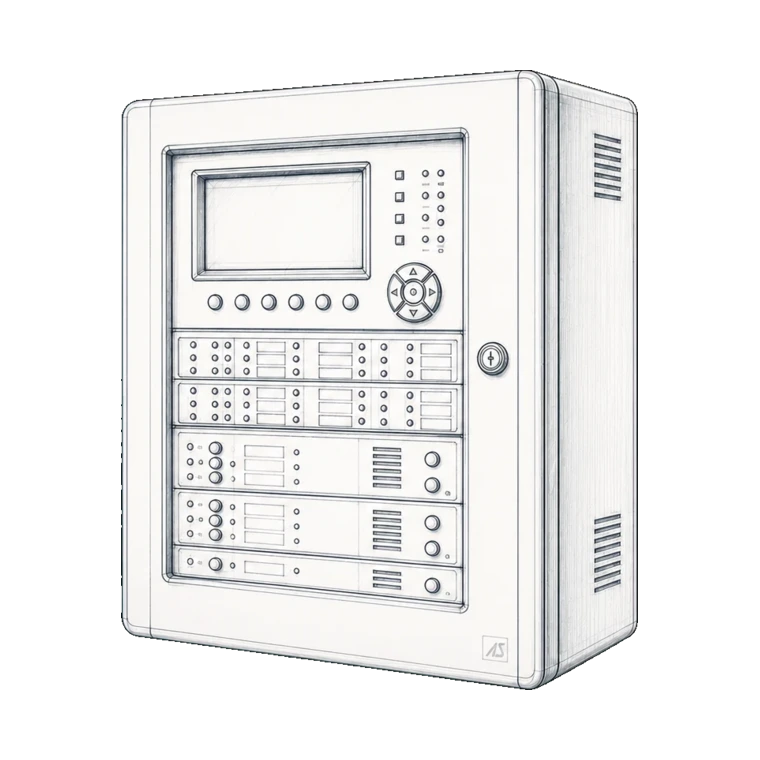
Voice alarm control and indicating equipment
Use approved emergency sound-system control equipment.
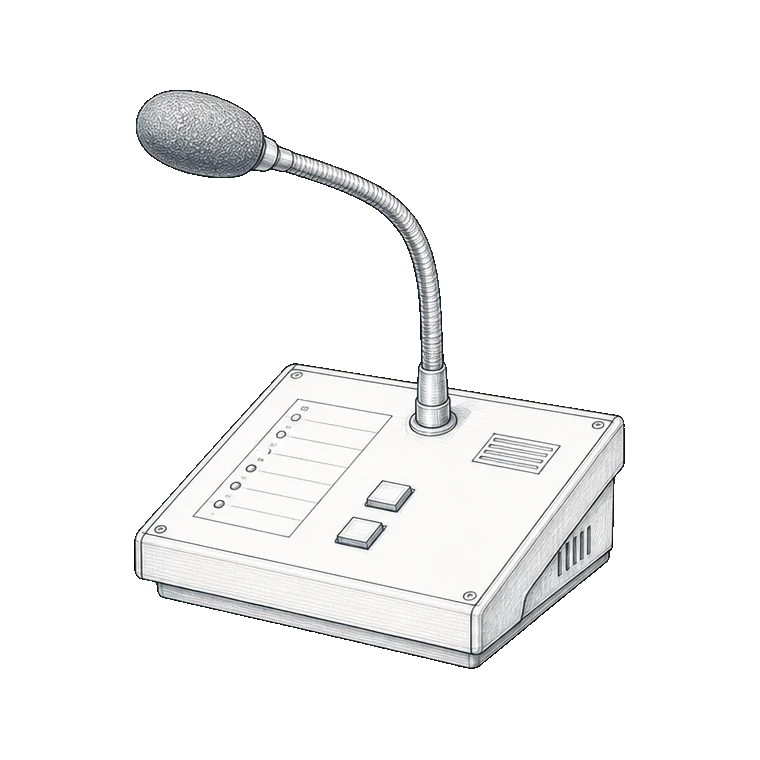
Amplifiers and monitored speaker circuits
Redundancy, supervision and load must follow the approved architecture.
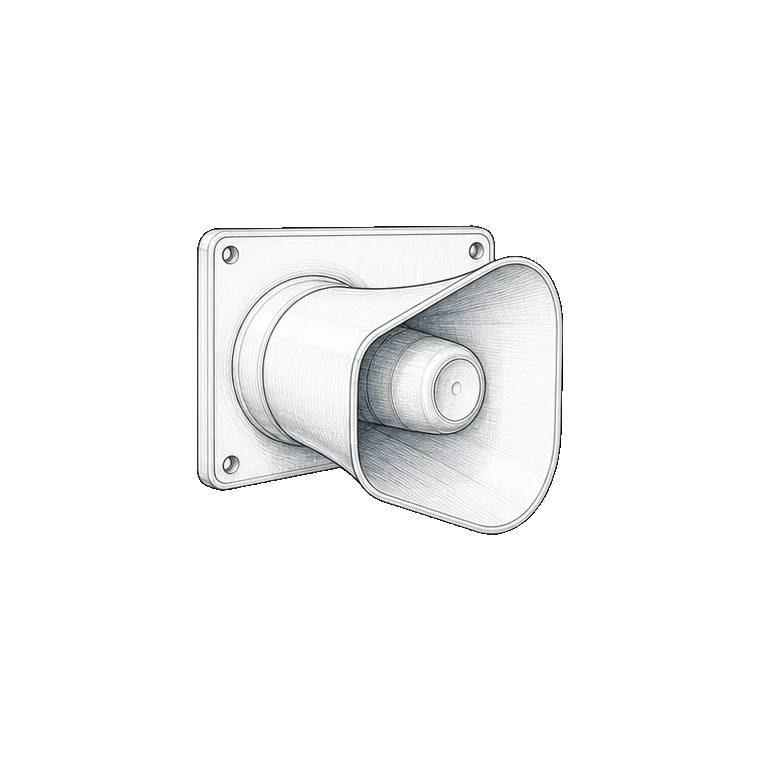
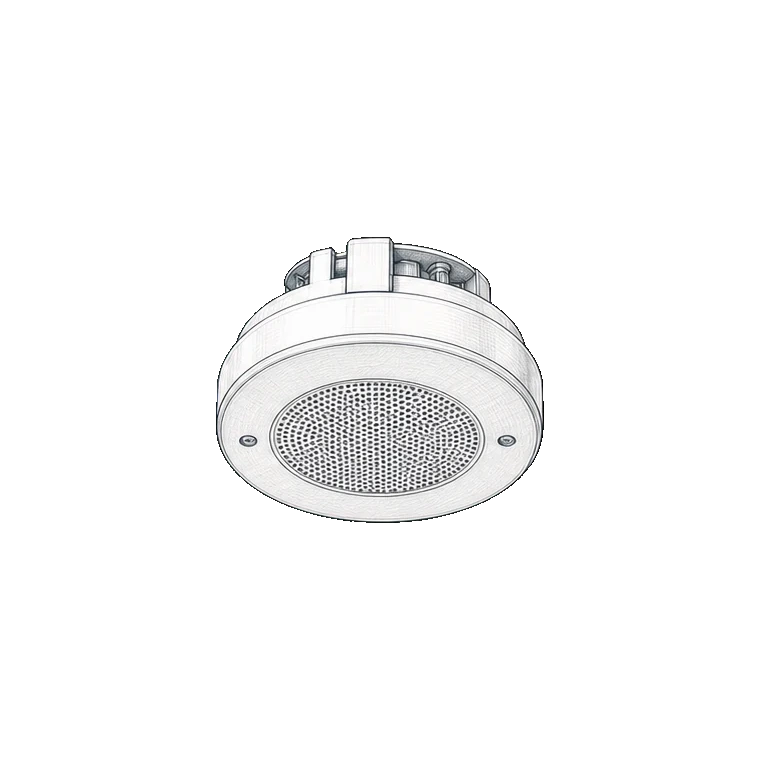
Emergency loudspeakers
Approved speakers selected for environment, power tapping and coverage.
Firefighter microphone and message sources
Priority, access and failure behavior require verification.
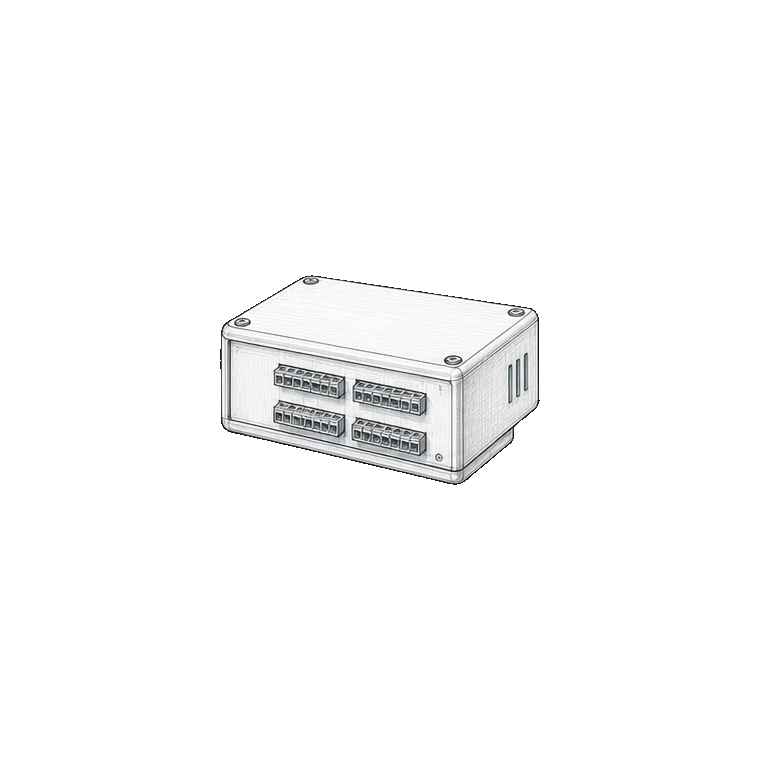
Fire alarm and paging interfaces
The emergency function must have defined priority over non-emergency use.
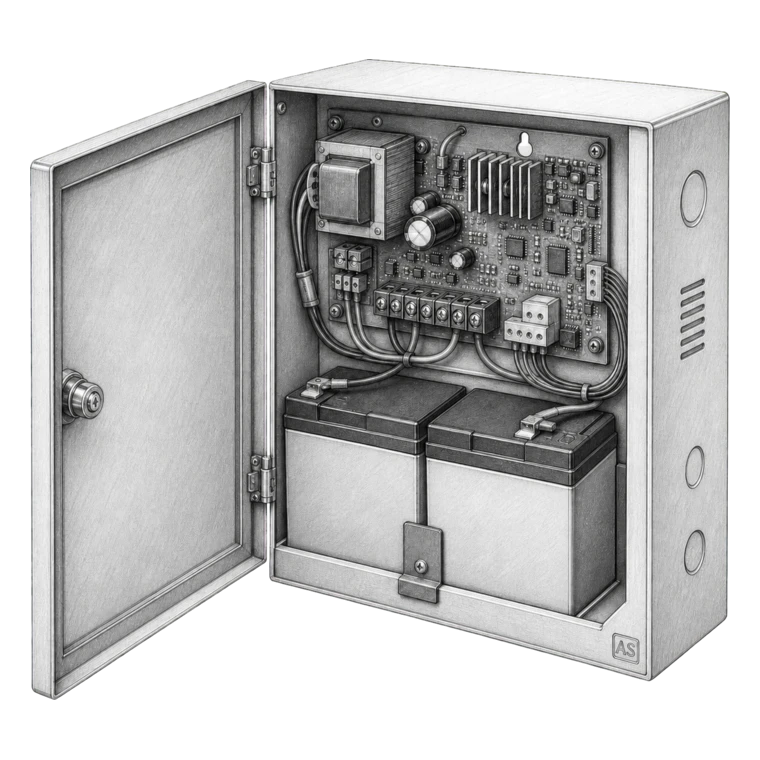
Power supplies and batteries
Approved and sized for standby and emergency operation.
Approval families
Typical approvals and certification requirements
- ISO 7240-16 and ISO 7240-19 or EN 54-16 / EN 54-24
- NFPA 72 emergency communications requirements where adopted
- UL 864 / UL 2572 or regional emergency communication listings
- Marine PA/GA, SOLAS and class requirements for vessel applications
Governing rules
Codes, standards and project rules
- 01
ISO 7240-19 covers design, installation, commissioning and service of emergency sound systems.
- 02
NFPA 72 Chapter 24 governs emergency communications in applicable jurisdictions.
- 03
Local fire strategy and authority approval determine evacuation zones, message sequence and firefighter controls.
Design information
Information needed to design and quote the system
Complete inputs reduce assumptions, expose interface risks early and make competing proposals meaningfully comparable.
- 01
Evacuation strategy, zones, message matrix and languages
- 02
Plans, room use, ambient noise, reverberation and acoustic finishes
- 03
Required sound pressure and speech intelligibility criteria
- 04
Speaker type, layout, circuit loads and survivability
- 05
Amplifier redundancy, network topology and power calculations
- 06
Fire alarm, paging, microphone, firefighter and building interfaces
Inspection, testing and maintenance
Inspection, testing and maintenance requirements
Frequency and method must follow the adopted standard, authority conditions and manufacturer instructions. These recurring activities belong in the maintenance plan.
- 01
Test control, microphones, stored messages, priorities, amplifier changeover, networks and fault indications.
- 02
Inspect and electrically test monitored speaker circuits and representative loudspeakers.
- 03
Measure sound pressure and speech intelligibility where required and after material space/acoustic changes.
- 04
Verify zone selection, phased sequences, live paging and all fire alarm interfaces against the approved matrix.
Mapped manufacturers
See all brands
Brands that support this solution
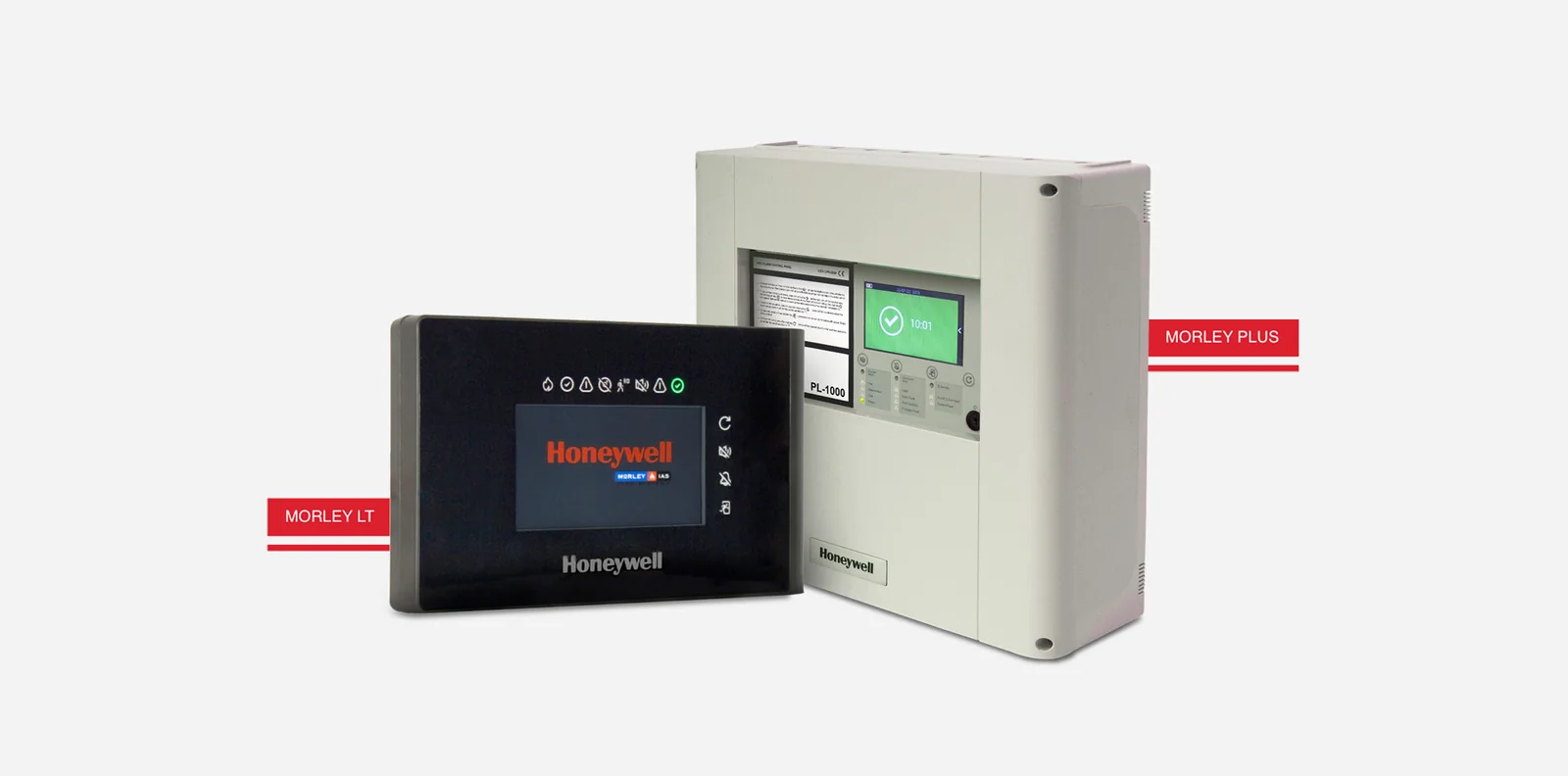
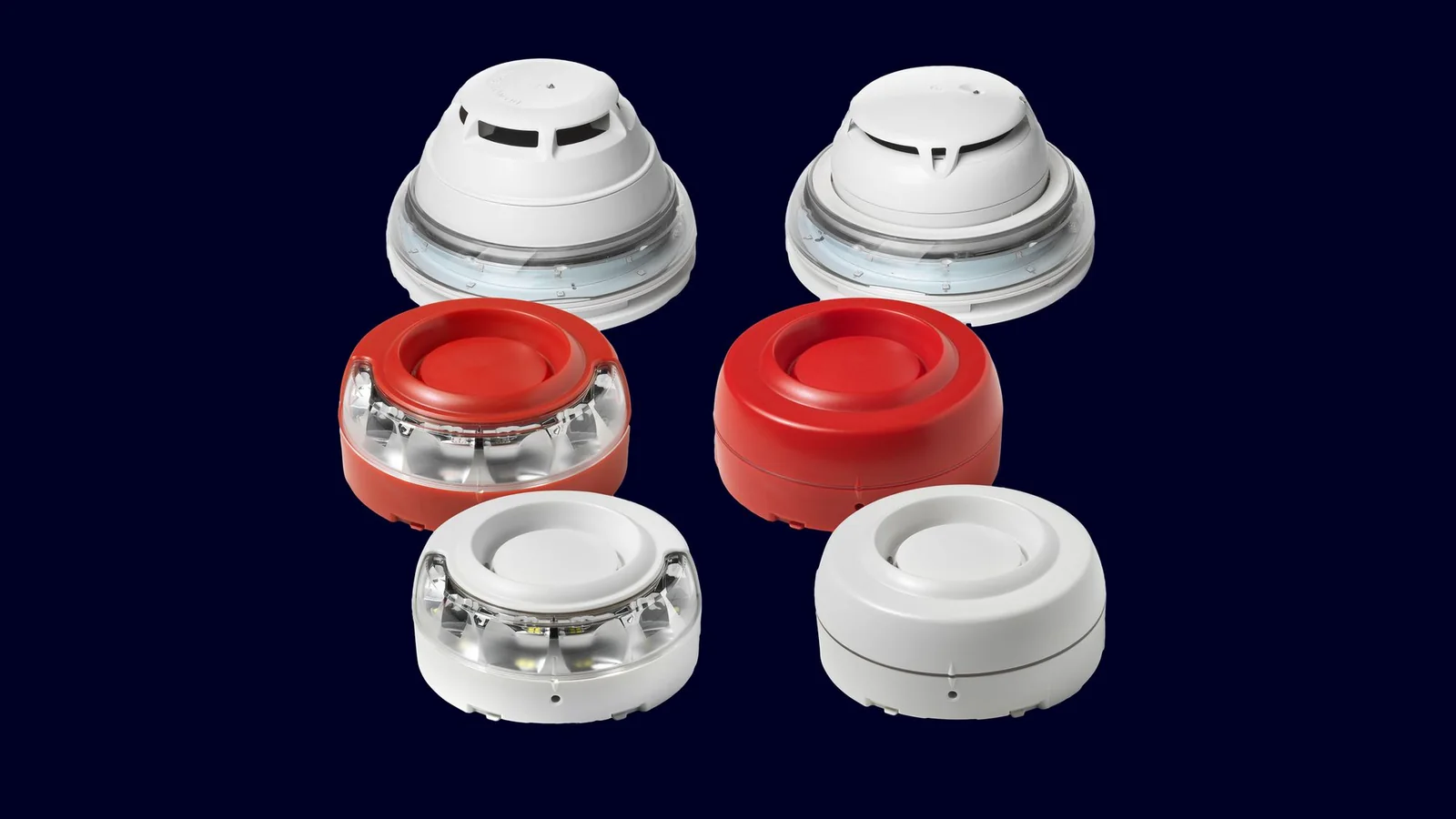
Honeywell
Honeywell for fire detection and control.
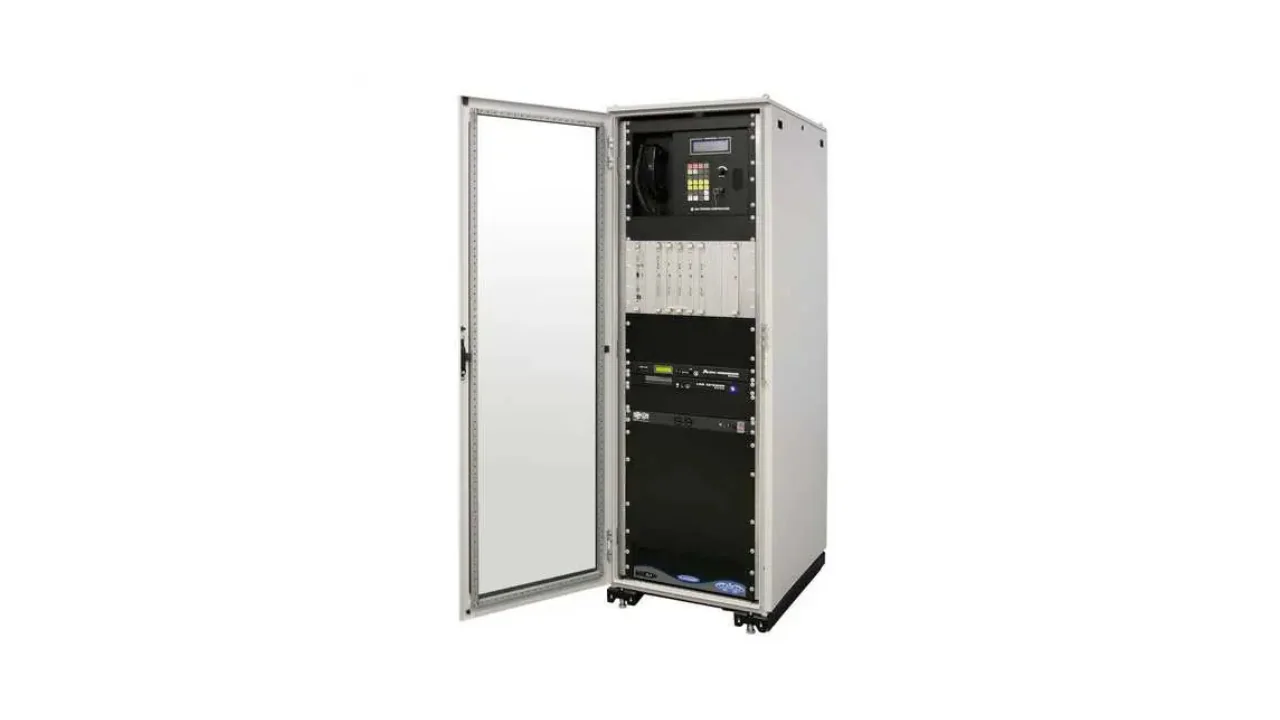
Siemens
Siemens for fire detection and control.
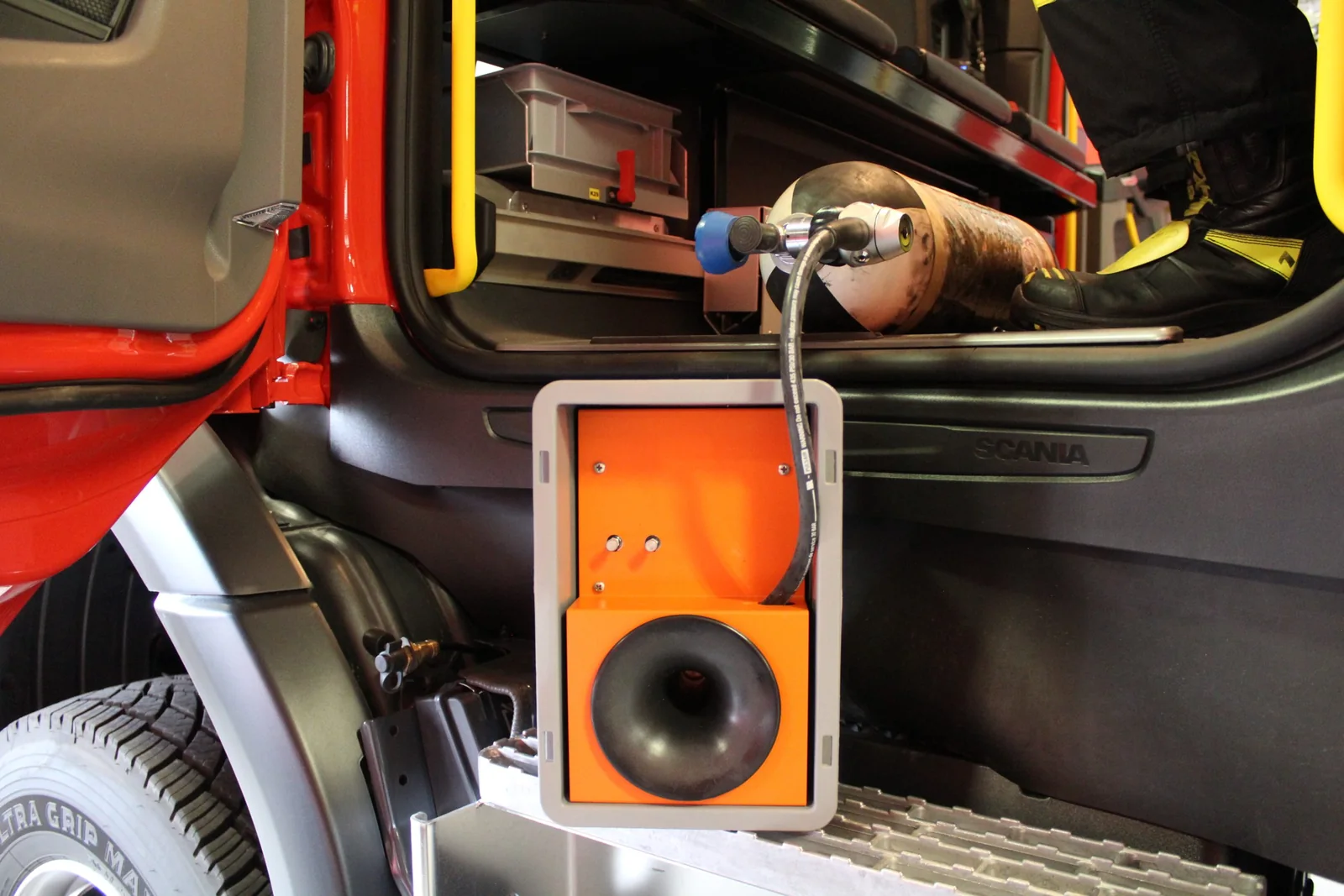
GAI-Tronics
GAI-Tronics for audible, visual and communications.
Kockum Sonics
Kockum Sonics for audible, visual and communications.
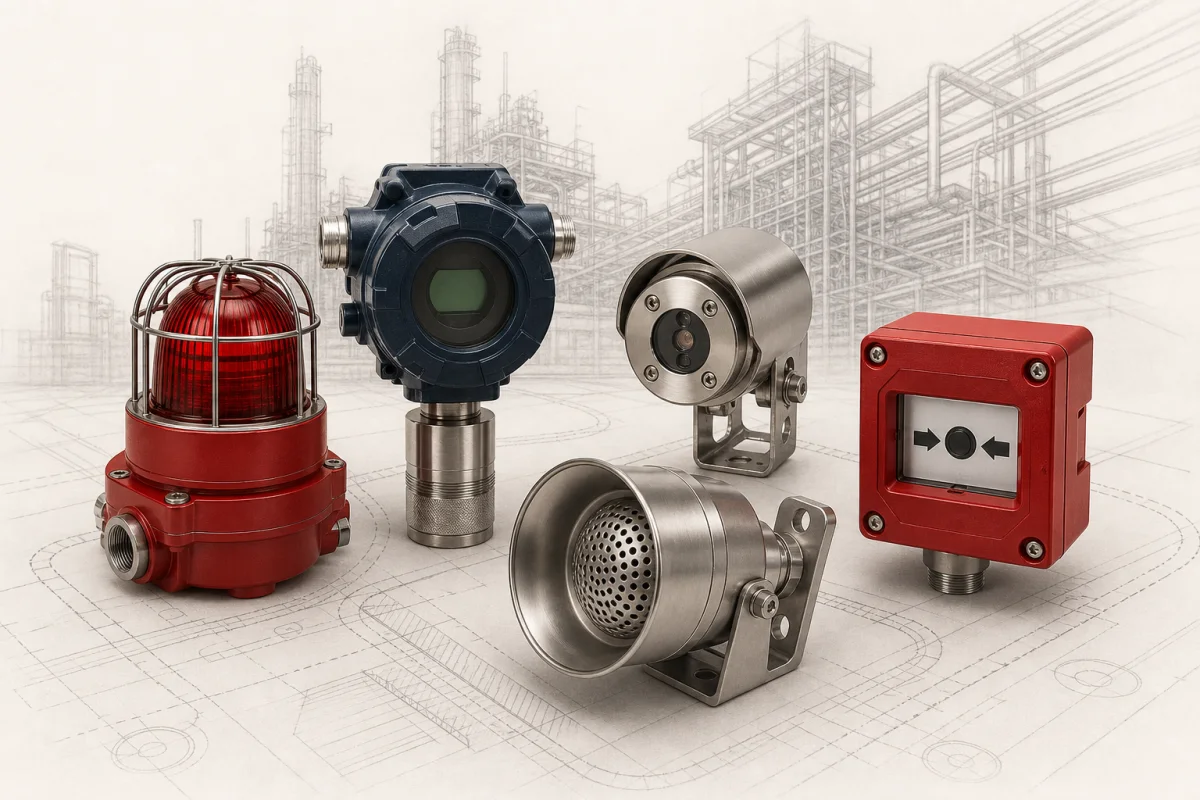

Marine loudspeakers matched to the public address and warning system
Range, approval, territory and project suitability remain model-specific and are confirmed for each enquiry.
Delivery and lifecycle services
Services needed across the system lifecycle
Appointments, licences and authority requirements vary by country. We confirm what the service must include before work starts.
Solution designFire safety drawings, calculations, equipment schedules and approval documents for coordinated projects.
Land installationInstallation, integration, testing and handover of building and industrial fire safety systems.
Marine installationMarine fire-system installation and replacement with flag, class and vessel requirements addressed.
Testing and commissioningDevice, circuit, interface and cause-and-effect testing with traceable commissioning records.
Statutory system testing and maintenanceScheduled inspection, testing, maintenance and defect reporting for installed fire safety systems.
System certification supportProduct, design, installation and test evidence prepared for authority, class or certification review.
TrainingPractical, system-specific training for operators, facilities teams, technicians and emergency responders.
Research basis
Standards and official references
These sources establish the system context. Verify the edition adopted by the project and the current certificate for the exact model.
Related knowledge
Knowledge base
Related technical guides

Writing a fire-alarm cause-and-effect matrix
Organize initiating events, outputs, interfaces, timing, reset and test requirements.
Read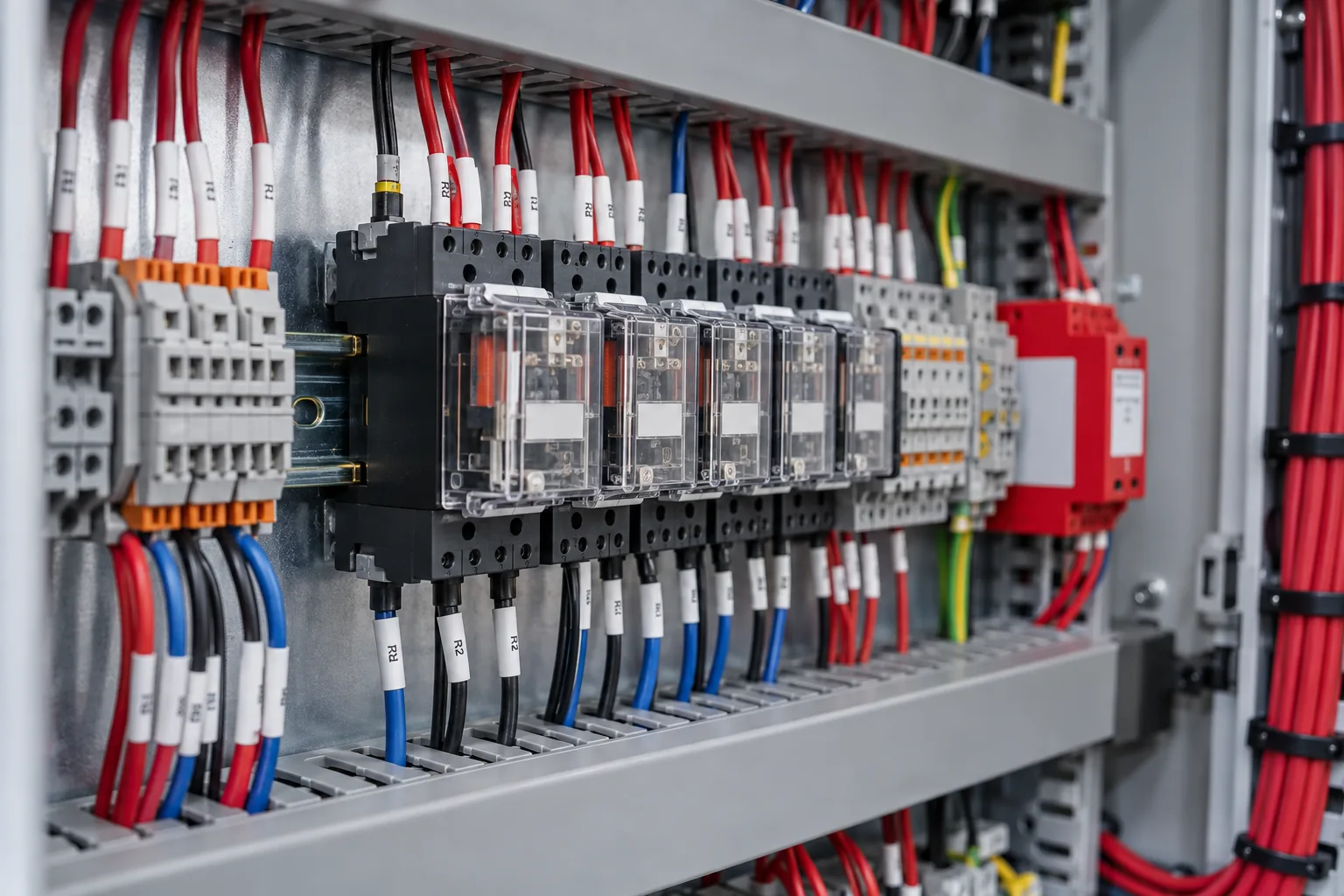
Relays and interfaces in fire systems
How dry contacts, monitored inputs, outputs and isolation affect integration.
Read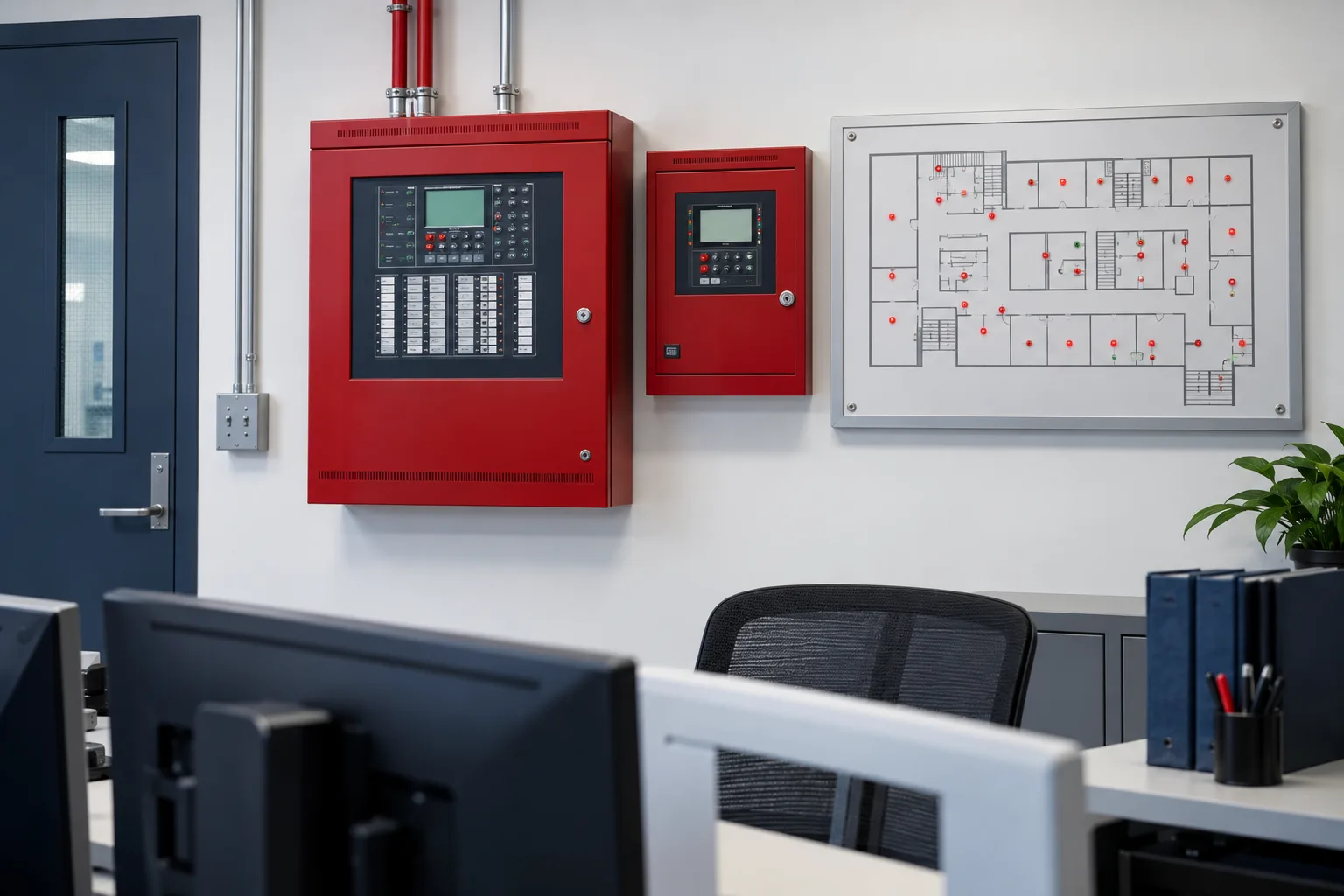
Rehoming, subpanels and mimic panels
Clarify common panel expansion and annunciation terms before modifying a system.
ReadCommon Questions
Frequently Asked Questions
Why not use ordinary public-address speakers?
Emergency loudspeakers and circuits require defined fire performance, supervision and system compatibility that ordinary PA equipment may not provide.
How is intelligibility verified?
By design analysis and field measurement using the adopted criterion, while considering background noise and reverberation.
Can background music share the system?
Some approved systems support it, but emergency messages and controls must override non-emergency use and remain fully supervised.