

Control flammable-liquid fire and suppress vapour
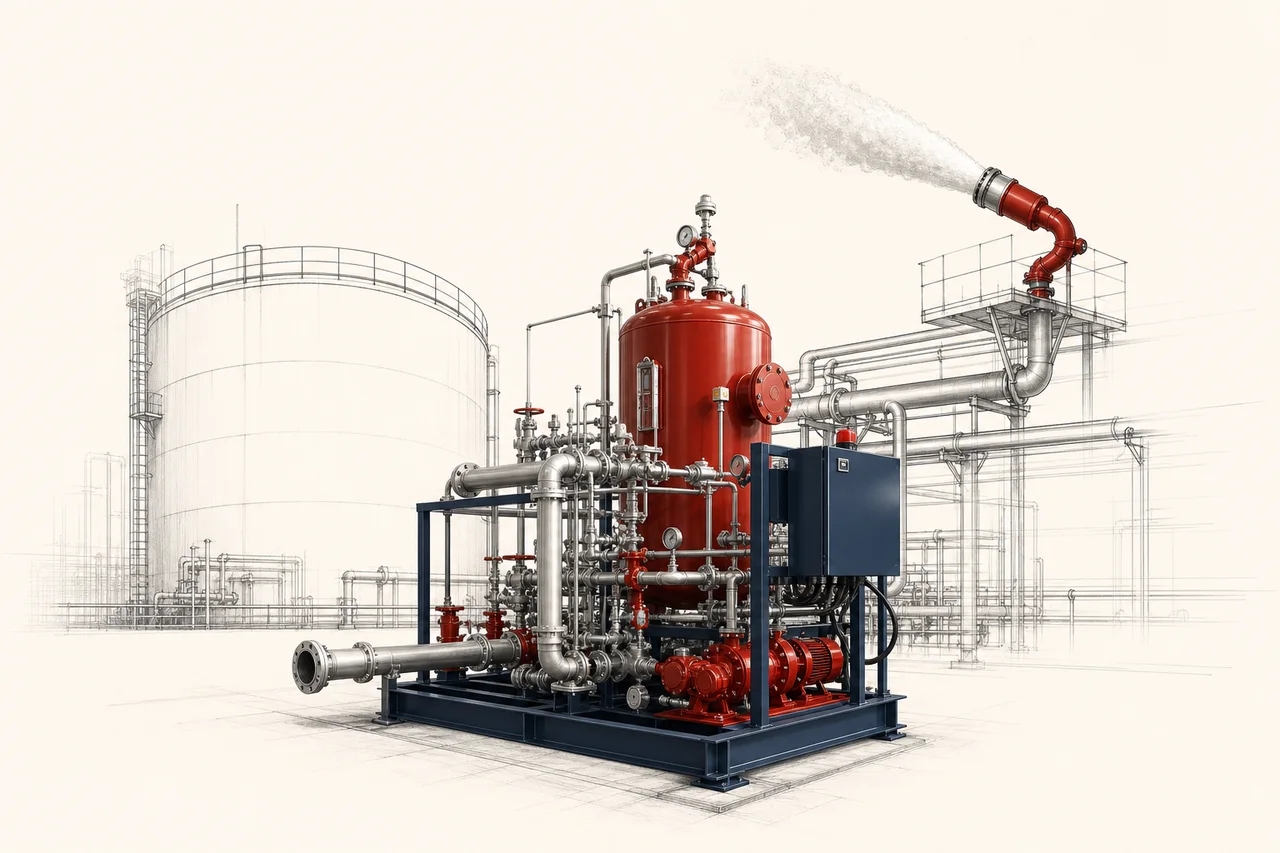
Flammable-liquid hazards
Foam fire suppression
Foam suppression creates a blanket that separates fuel from oxygen, limits vapour and cools the fire. You need a foam and application method suited to your fuel, particularly if you handle polar solvents, and to the environmental restrictions at your site.
System snapshot
Key system characteristics
The same fields are used across every solution guide, making the systems easier to compare without reducing the decision to a single product.
Automatic or manual
Large liquid/foam residue requiring containment and cleanup
High for high-expansion systems; lower for local/deck application
Pumps, valves, release and concentrate availability
Concentrate condition, environmental transition, proportioner accuracy and corrosion
How the system works
Foam suppression creates a blanket that separates fuel from oxygen, limits vapour and cools the fire. You need a foam and application method suited to your fuel, particularly if you handle polar solvents, and to the environmental restrictions at your site.
Key selection considerations
- 01
Foam selection: AFFF, fluorine-free and alcohol-resistant foams are not drop-in equivalents; viscosity, proportioning and fire performance differ.
- 02
High-expansion foam: High-expansion foam suits defined enclosed volumes but depends on generator airflow and enclosure/vent conditions.
- 03
Concentrate condition: Concentrate shelf life is product- and storage-specific and should be managed by batch testing, not a generic date alone.
- 04
Discharge testing: Full-flow testing needs an environmental plan; alternative proportioning tests may be allowed by the adopted standard.
System anatomy
System components and approvals
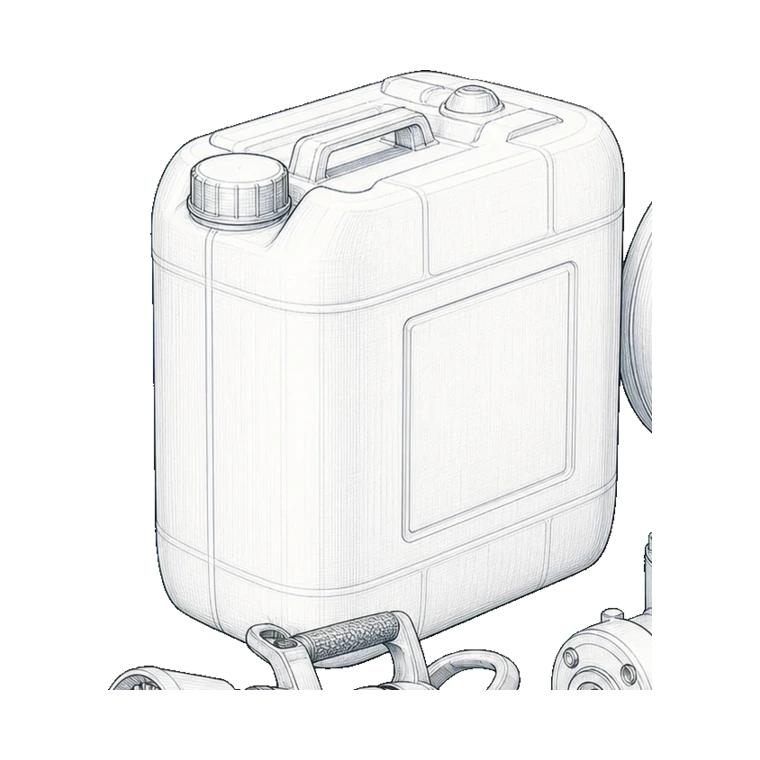
Foam concentrate
Use an approved concentrate with documented fuel and hardware compatibility.
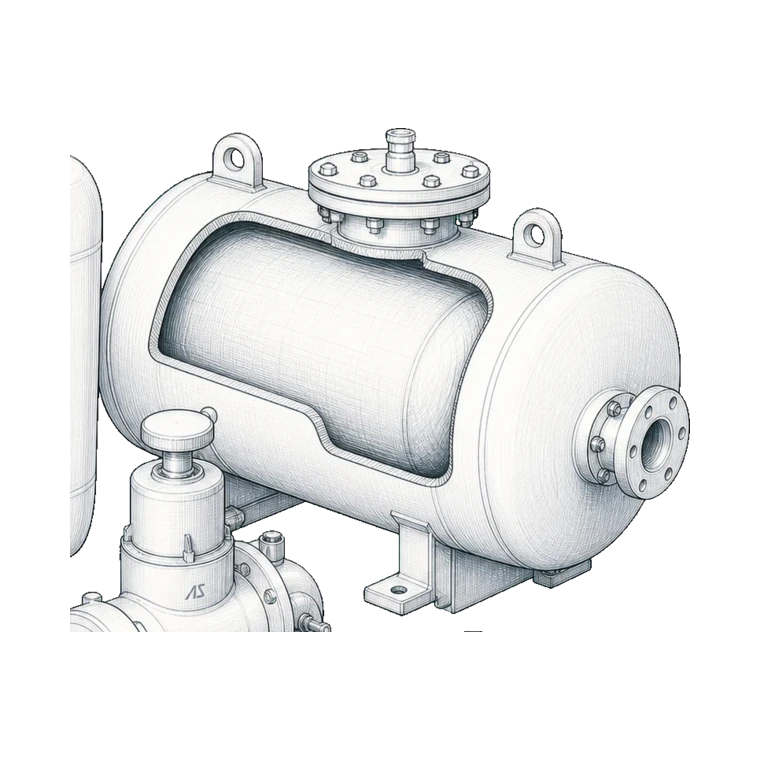
Tank/bladder tank and proportioner
The proportioning method must maintain the required concentration across the design flow range.
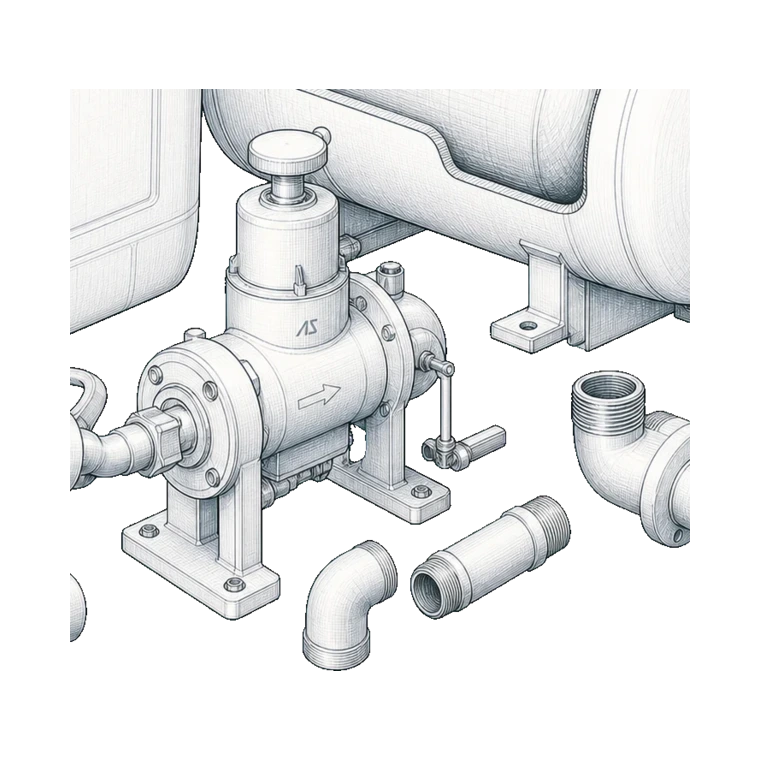
Pumps, valves and pipework
Materials and pressure ratings must be compatible with concentrate and solution.
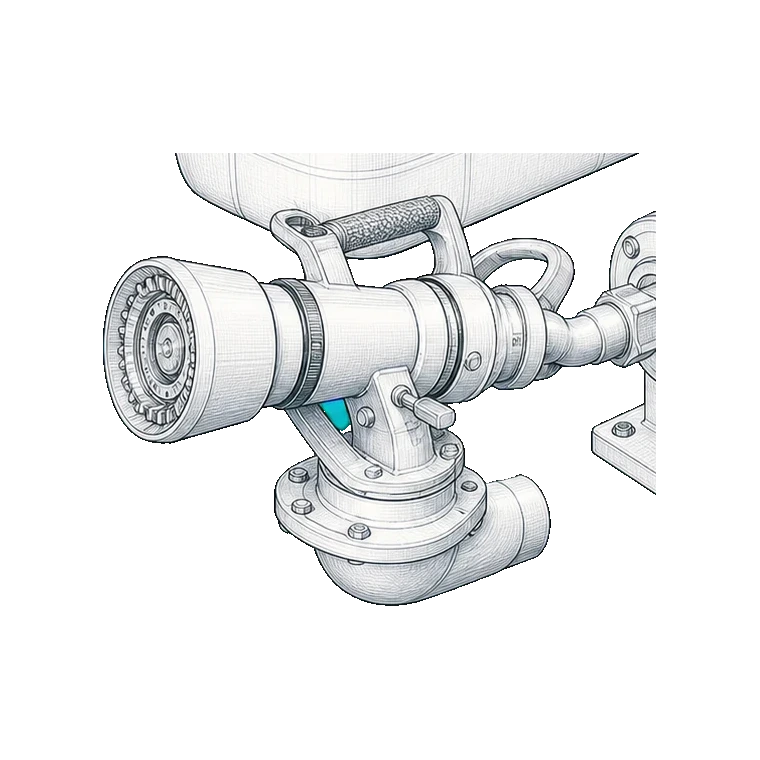
Discharge devices
Chambers, monitors, sprinklers, pourers or generators are selected for the tested application.
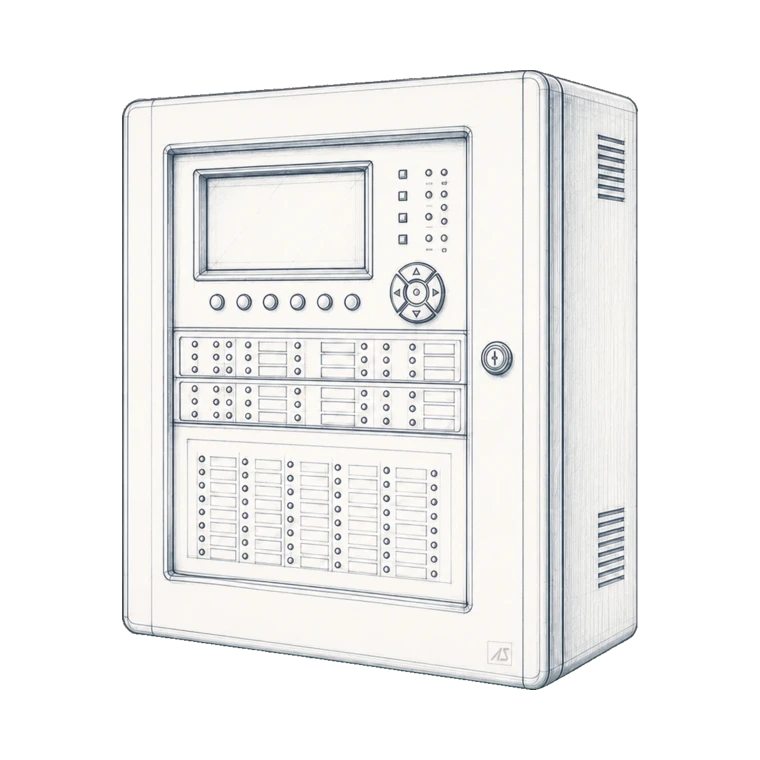
Detection and releasing controls
Required for automatic systems and must operate alarms, shutdowns and section valves.
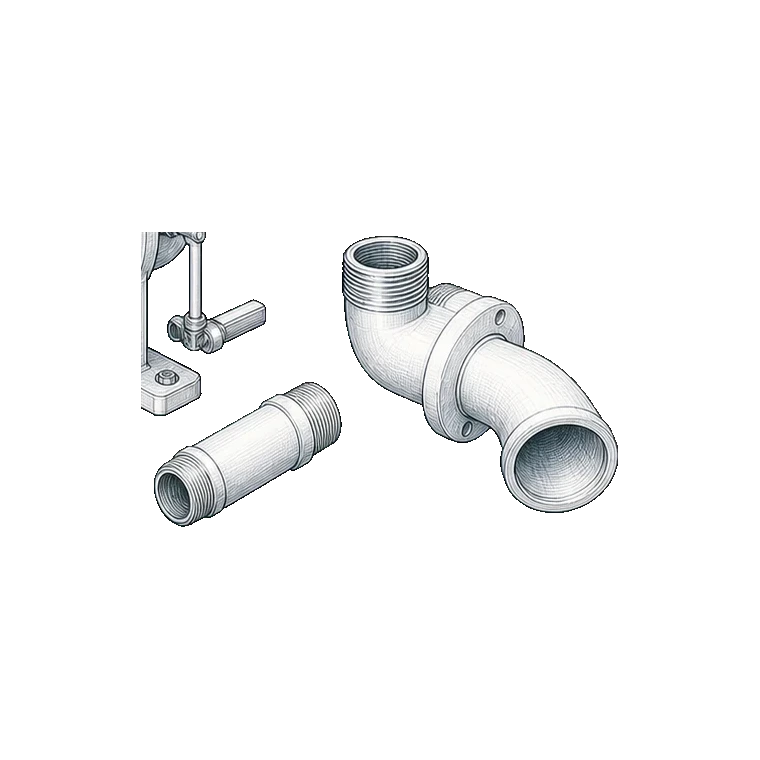
Containment and drainage
Needed for test water, firewater, concentrate and environmentally controlled disposal.
Approval families
Typical approvals and certification requirements
- NFPA 11, EN 13565 or another adopted foam-system standard
- UL, FM, marine or other system/component approval for concentrate and hardware
- IMO FSS Code and class/flag approval for relevant marine systems
- Environmental restrictions on fluorinated substances, discharge, containment and disposal
Governing rules
Codes, standards and project rules
- 01
Foam selection and design follow the fuel, application rate, duration and discharge method prescribed by the adopted standard and approval.
- 02
Environmental law can govern fluorinated concentrate use, transition, containment, testing and waste disposal.
- 03
Marine deck and machinery applications additionally follow the IMO FSS Code and class requirements.
Design information
Information needed to design and quote the system
Complete inputs reduce assumptions, expose interface risks early and make competing proposals meaningfully comparable.
- 01
Fuel list, water miscibility, fire area and containment geometry
- 02
Foam type, concentration, application rate and discharge duration
- 03
Water supply, proportioning flow range and hydraulic calculations
- 04
Storage temperature, concentrate materials compatibility and refill plan
- 05
Detection, release, drainage, runoff containment and shutdowns
- 06
Environmental approvals, testing method and waste-disposal route
Inspection, testing and maintenance
Inspection, testing and maintenance requirements
Frequency and method must follow the adopted standard, authority conditions and manufacturer instructions. These recurring activities belong in the maintenance plan.
- 01
Inspect concentrate storage, seals, pumps, valves, proportioners, discharge devices and corrosion condition.
- 02
Sample and test concentrate at the required interval for appearance, concentration and performance indicators.
- 03
Verify proportioning accuracy across the relevant flow range using an accepted environmentally controlled method.
- 04
Functionally test detection, release, alarms, shutdowns and flow paths, then restore all valves and concentrate inventory.
Mapped manufacturers
See all brands
Brands that support this solution
Skum
Skum for suppression and firefighting.
Tyco
Minerva marine detection and SIL2 configuration planning
Viking
Viking for suppression and firefighting.
Range, approval, territory and project suitability remain model-specific and are confirmed for each enquiry.
Delivery and lifecycle services
Services needed across the system lifecycle
Appointments, licences and authority requirements vary by country. We confirm what the service must include before work starts.
Solution designFire safety drawings, calculations, equipment schedules and approval documents for coordinated projects.
Land installationInstallation, integration, testing and handover of building and industrial fire safety systems.
Marine installationMarine fire-system installation and replacement with flag, class and vessel requirements addressed.
Testing and commissioningDevice, circuit, interface and cause-and-effect testing with traceable commissioning records.
Statutory system testing and maintenanceScheduled inspection, testing, maintenance and defect reporting for installed fire safety systems.
System certification supportProduct, design, installation and test evidence prepared for authority, class or certification review.
TrainingPractical, system-specific training for operators, facilities teams, technicians and emergency responders.
Research basis
Standards and official references
These sources establish the system context. Verify the edition adopted by the project and the current certificate for the exact model.
Related knowledge
Knowledge base
Related technical guides
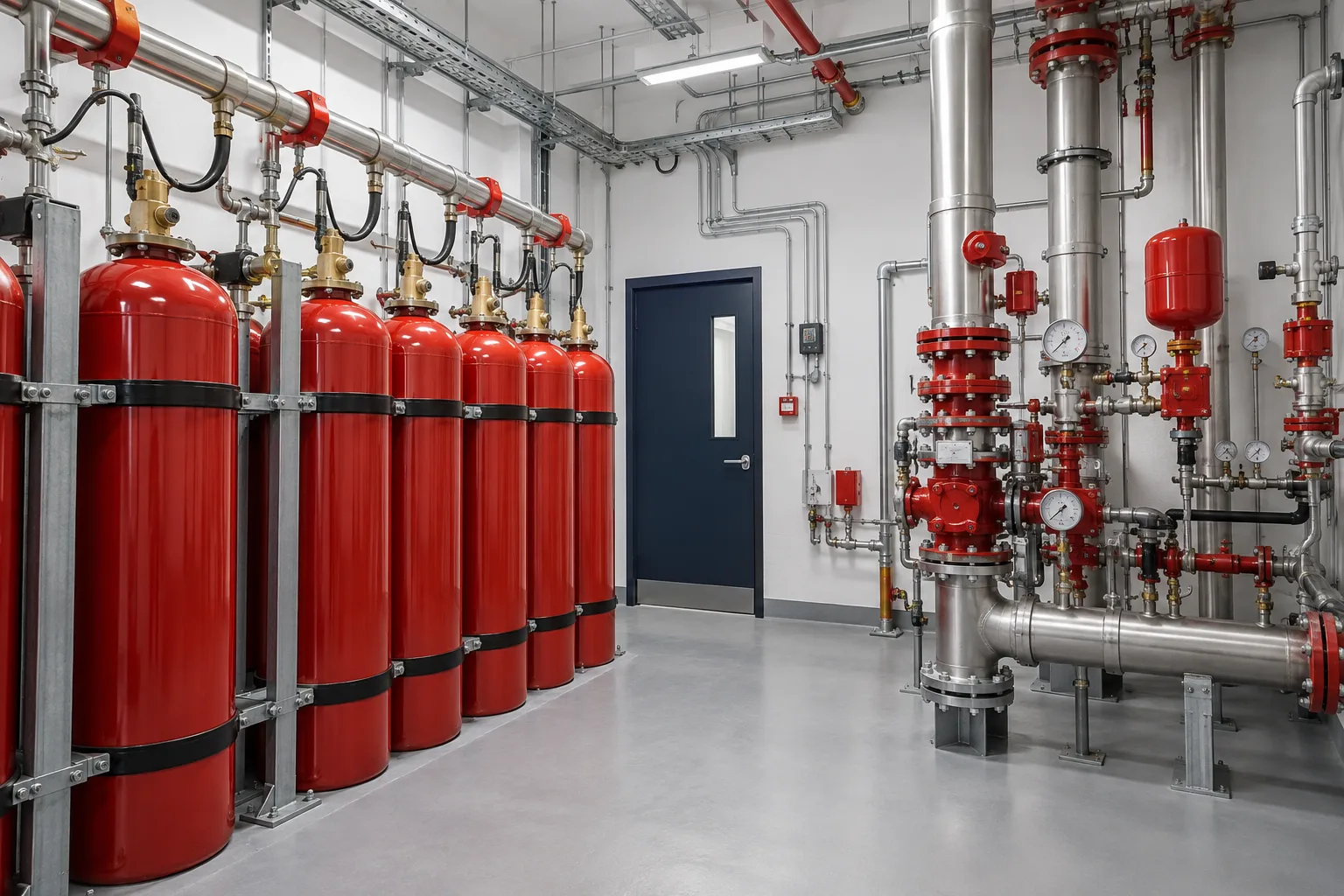
Choosing the right fire suppression system
Compare gas, aerosol, foam and water technologies.
Read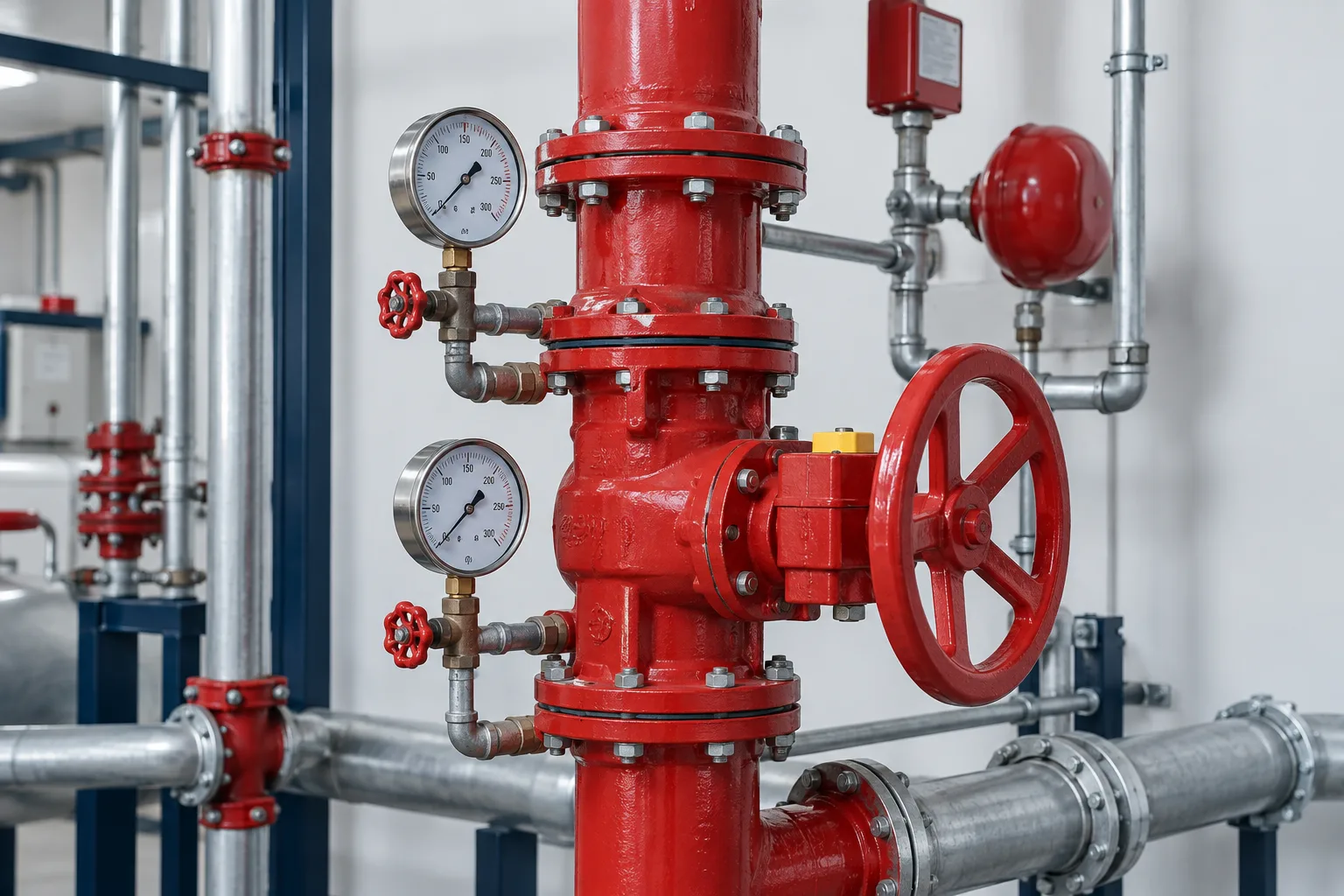
A practical guide to fire-system valves
Compare common valve functions, actuation, supervision and maintenance considerations.
Read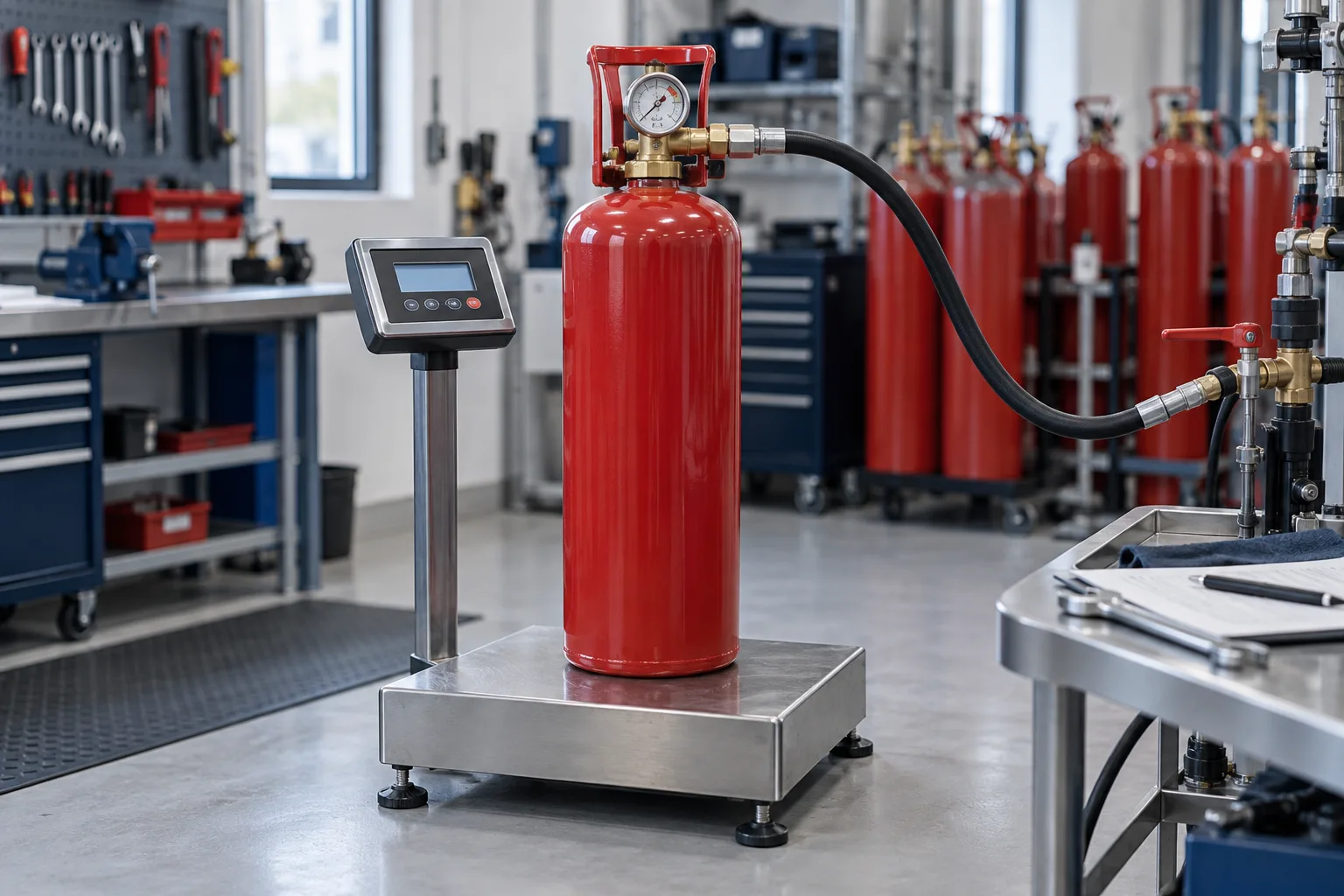
Planning a fire-suppression cylinder refill
Information to provide for CO₂, FM-200 and other supported clean-agent cylinders.
ReadCommon Questions
Frequently Asked Questions
Can fluorine-free foam replace AFFF without system changes?
Not by assumption. Verify concentrate viscosity, proportioner range, discharge devices, application rate, fire-test evidence and environmental plan.
How is foam concentrate condition checked?
Through storage inspection and periodic representative sampling/testing in accordance with the manufacturer and adopted standard.
Must testing discharge foam?
Requirements vary. Some systems allow proportioning verification methods that reduce environmental release, subject to the adopted standard and authority.