

Suppress commercial cooking-oil and appliance fires
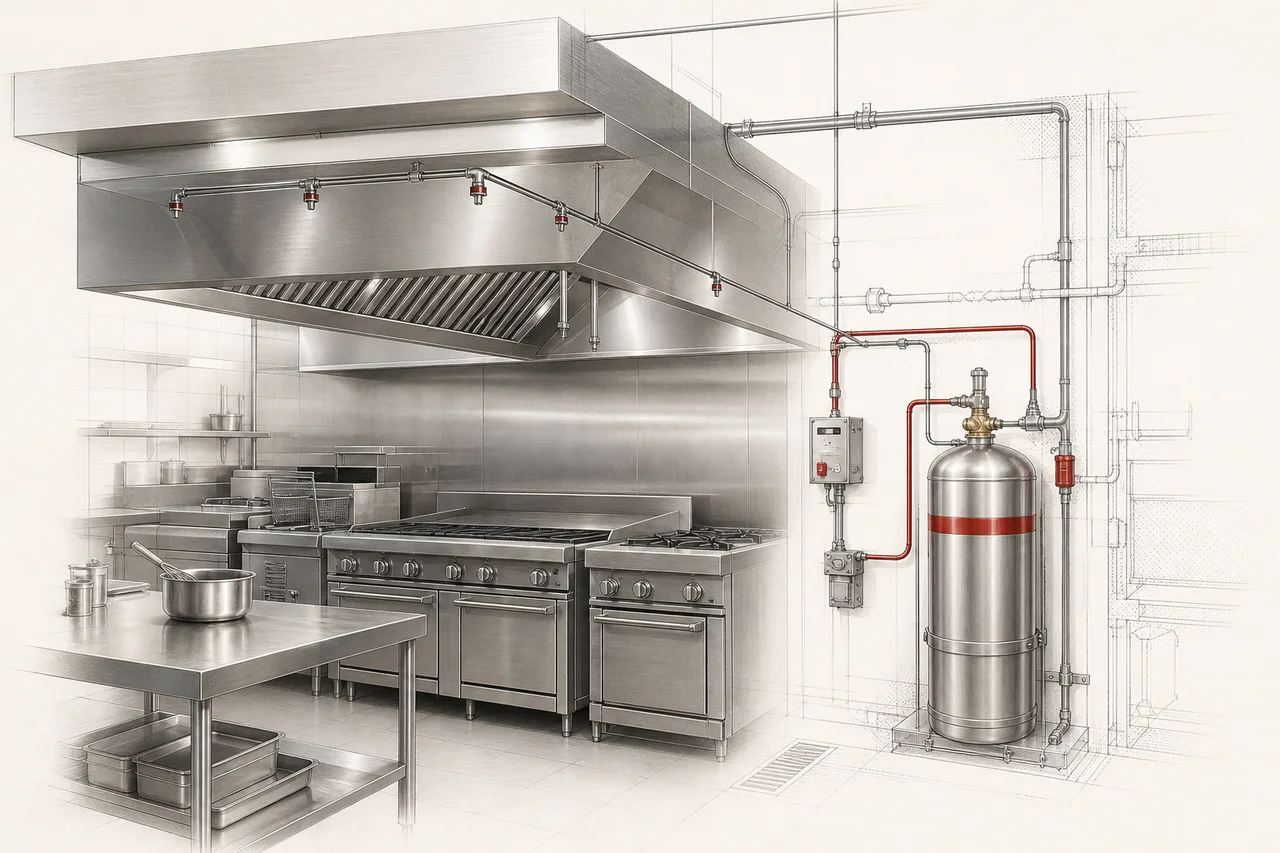
Commercial cooking risks
Kitchen fire suppression
Your kitchen suppression system needs to match the appliances beneath the hood. Wet chemical protects the cooking equipment, plenum and ducts while the system shuts down fuel and electrical heat. If you move or replace appliances, the nozzle positions and coverage may need to change too.
System snapshot
Key system characteristics
The same fields are used across every solution guide, making the systems easier to compare without reducing the decision to a single product.
Automatic detection plus manual pull station
Wet-chemical residue and kitchen shutdown
Specific hood, duct and appliance geometry
Often mechanical status plus alarm interface; varies by system
Appliance changes, grease, blocked nozzles, fusible links and agent service
How the system works
Your kitchen suppression system needs to match the appliances beneath the hood. Wet chemical protects the cooking equipment, plenum and ducts while the system shuts down fuel and electrical heat. If you move or replace appliances, the nozzle positions and coverage may need to change too.
Key selection considerations
- 01
Appliance changes: Moving or replacing fryers, ranges, woks, charbroilers or hood sections can invalidate nozzle coverage.
- 02
Separate safeguards: Wet chemical is designed for hot cooking oils and fats; portable extinguishers and hood cleaning remain separate controls.
- 03
System condition: Nozzle caps, grease accumulation and damaged detection cable can prevent correct operation.
- 04
After discharge: After discharge, the system needs authorised recharge, inspection and complete restoration before cooking resumes.
System anatomy
System components and approvals
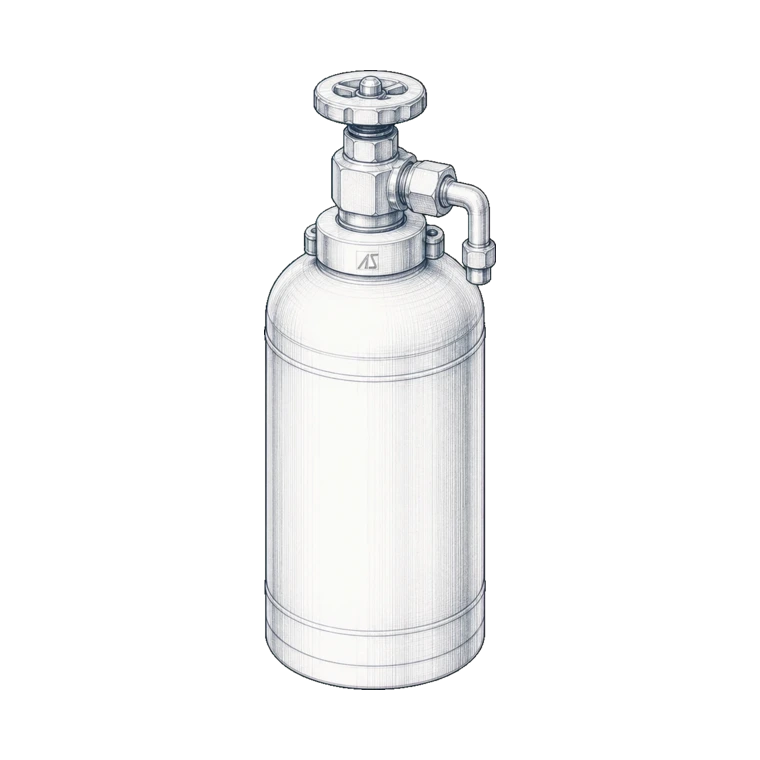
Wet-chemical cylinder and valve
Use the approved fill, valve and actuator for the listed system.
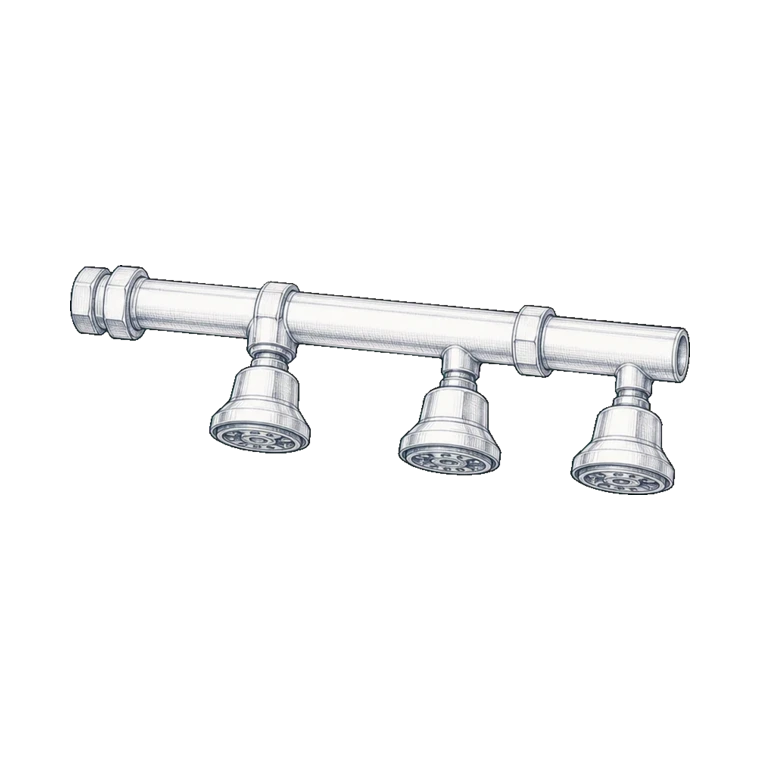
Nozzles and distribution pipe
Exact nozzle, cap, height, aim and appliance coverage follow the design manual.
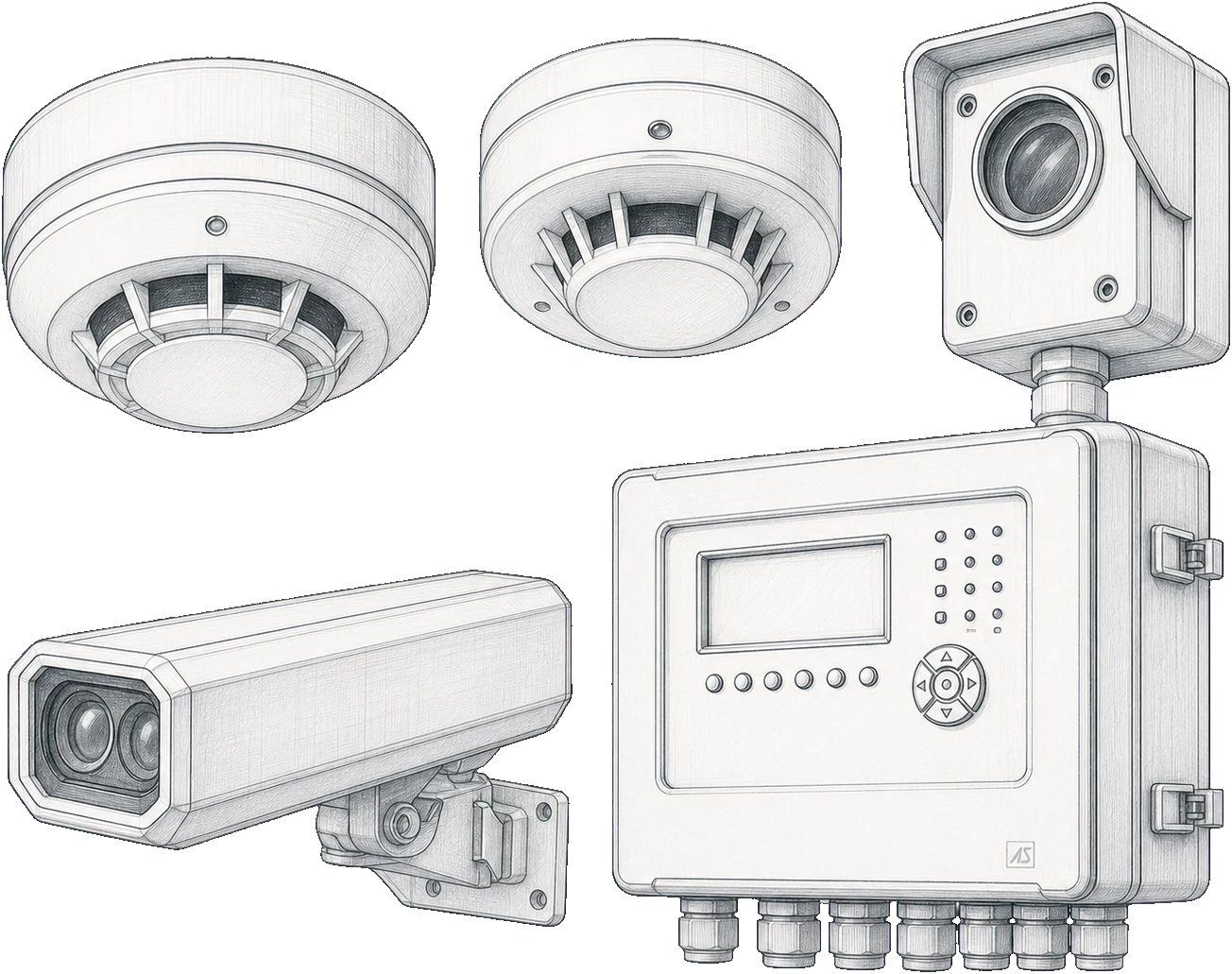
Automatic detection
Fusible links or approved detectors and cable/conduit arrangement are system-specific.
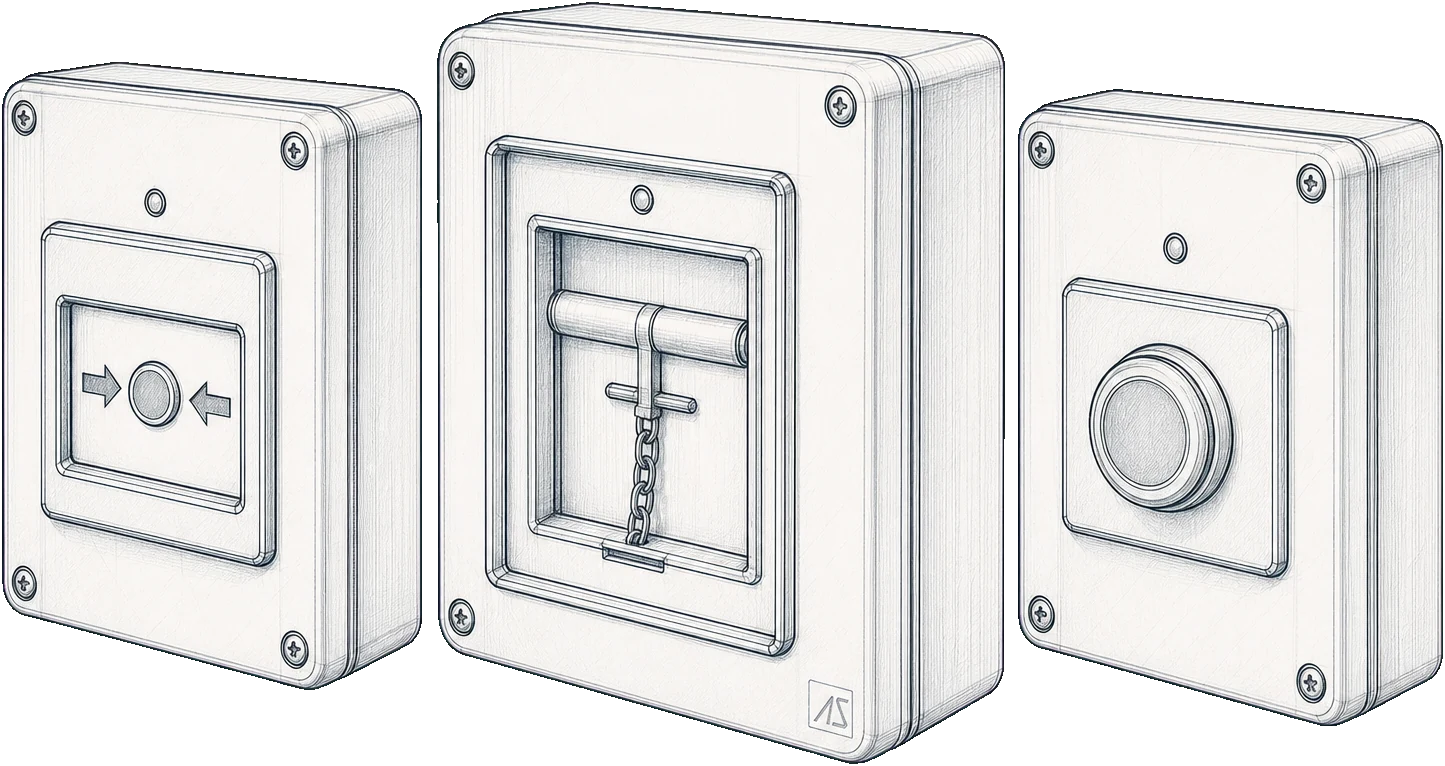
Manual pull station
Position, accessibility and supervision follow the adopted code.
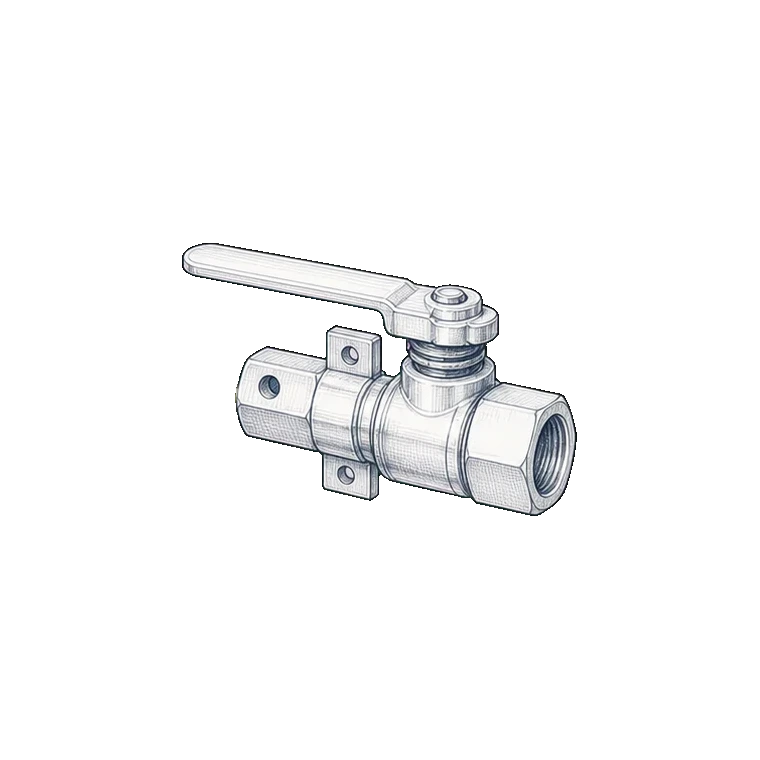
Fuel and electrical shutdown
All protected cooking energy sources must reach the required safe state.
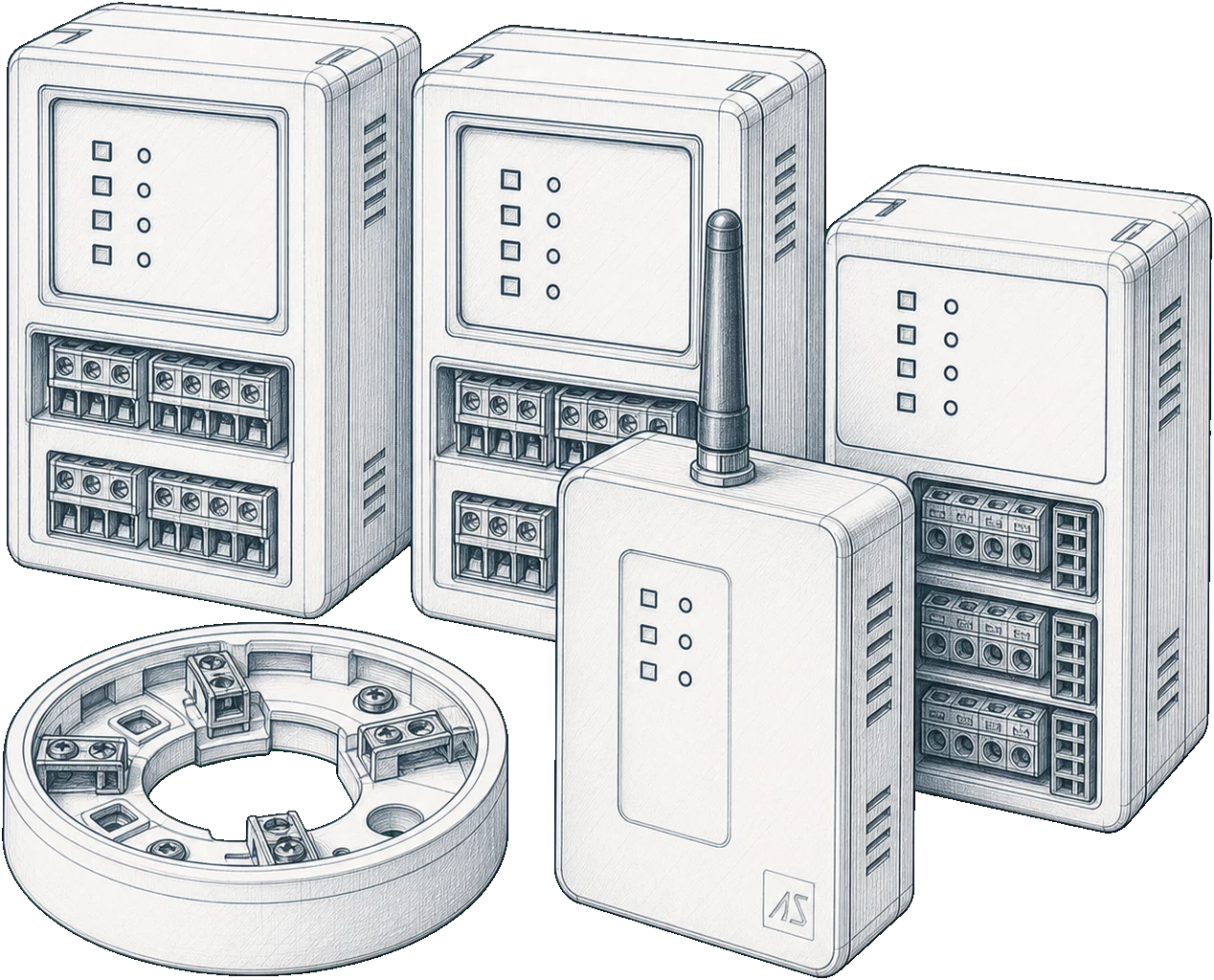
Fire alarm and building interfaces
Alarm initiation, make-up air/exhaust behavior and other outputs require functional verification.
Approval families
Typical approvals and certification requirements
- NFPA 17A and NFPA 96 or the locally adopted kitchen protection rules
- UL 300 or equivalent approved wet-chemical system for commercial cooking
- Approved hood, duct and appliance interfaces
- Local fire, building, gas and health authority requirements
Governing rules
Codes, standards and project rules
- 01
NFPA 17A governs wet-chemical system design and maintenance; NFPA 96 addresses ventilation and cooking fire protection in applicable markets.
- 02
The listed manufacturer's design manual controls appliance coverage and component arrangement.
- 03
Inspection frequency is commonly semi-annual in NFPA-based regimes, but the locally adopted rule controls.
Design information
Information needed to design and quote the system
Complete inputs reduce assumptions, expose interface risks early and make competing proposals meaningfully comparable.
- 01
Hood, plenum, duct and appliance make/model/layout
- 02
Cooking surface dimensions, hazards and fuel/electrical services
- 03
Cylinder location, pipe route, nozzle selection and coverage
- 04
Detection line, fusible links and manual pull location
- 05
Fuel/electrical shutdown and ventilation sequence
- 06
Fire alarm interface, portable extinguishers and maintenance access
Inspection, testing and maintenance
Inspection, testing and maintenance requirements
Frequency and method must follow the adopted standard, authority conditions and manufacturer instructions. These recurring activities belong in the maintenance plan.
- 01
Inspect cylinder, pressure/weight, detection cable, fusible links, nozzles/caps, piping and manual pull.
- 02
Confirm protected appliances still match the approved layout and nozzles remain correctly aimed.
- 03
Functionally test fuel/electrical shutdown, alarm interface and release mechanism without agent discharge.
- 04
Coordinate hood and duct cleaning; replace time-limited components and recharge only with approved agent/components.
Mapped manufacturers
See all brands
Brands that support this solution
Kidde
Kidde for fire detection and control.
Tyco
Minerva marine detection and SIL2 configuration planning
Range, approval, territory and project suitability remain model-specific and are confirmed for each enquiry.
Delivery and lifecycle services
Services needed across the system lifecycle
Appointments, licences and authority requirements vary by country. We confirm what the service must include before work starts.
Solution designFire safety drawings, calculations, equipment schedules and approval documents for coordinated projects.
Land installationInstallation, integration, testing and handover of building and industrial fire safety systems.
Testing and commissioningDevice, circuit, interface and cause-and-effect testing with traceable commissioning records.
Statutory system testing and maintenanceScheduled inspection, testing, maintenance and defect reporting for installed fire safety systems.
System certification supportProduct, design, installation and test evidence prepared for authority, class or certification review.
TrainingPractical, system-specific training for operators, facilities teams, technicians and emergency responders.
Research basis
Standards and official references
These sources establish the system context. Verify the edition adopted by the project and the current certificate for the exact model.
Related knowledge
Knowledge base
Related technical guides
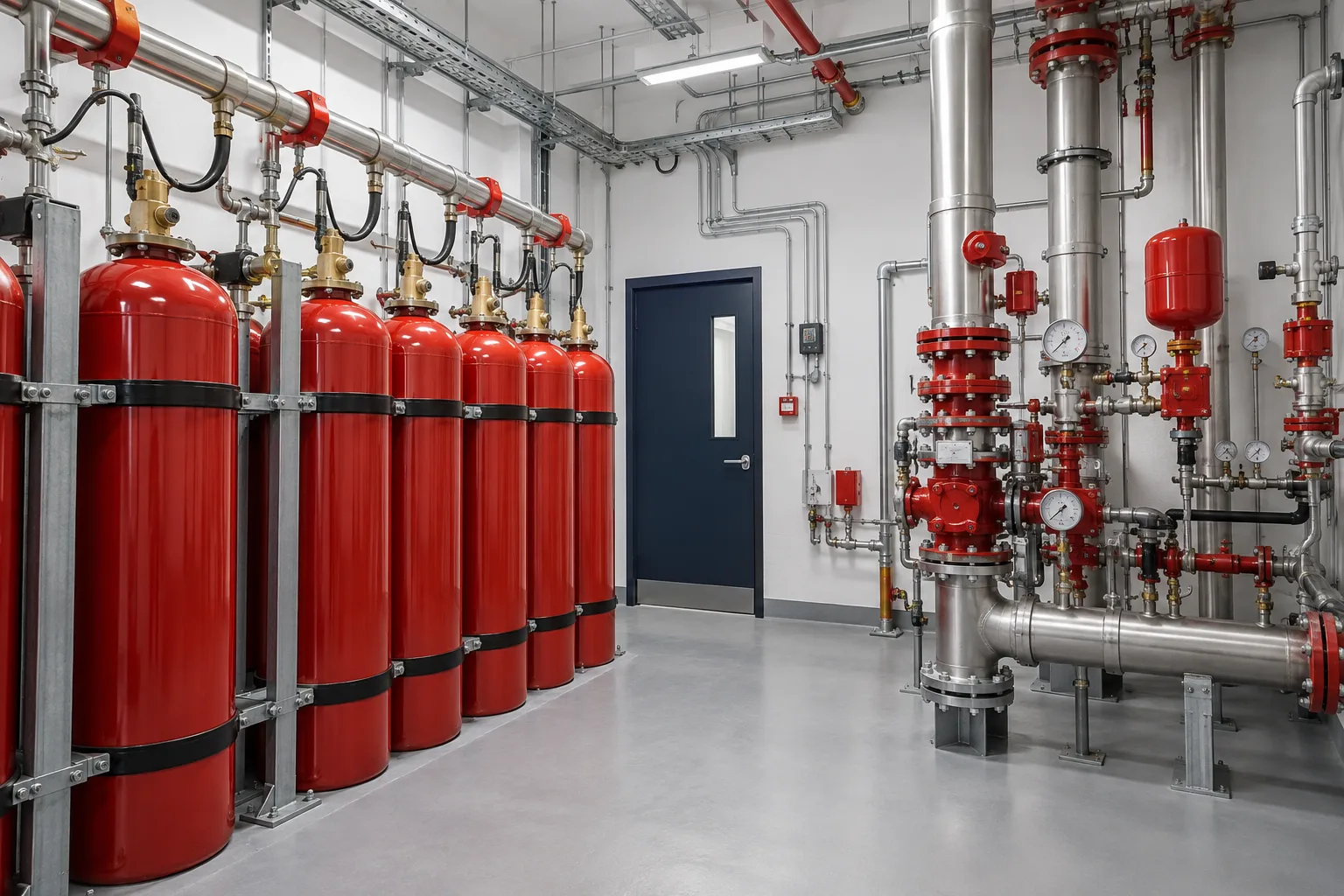
Choosing the right fire suppression system
Compare gas, aerosol, foam and water technologies.
Read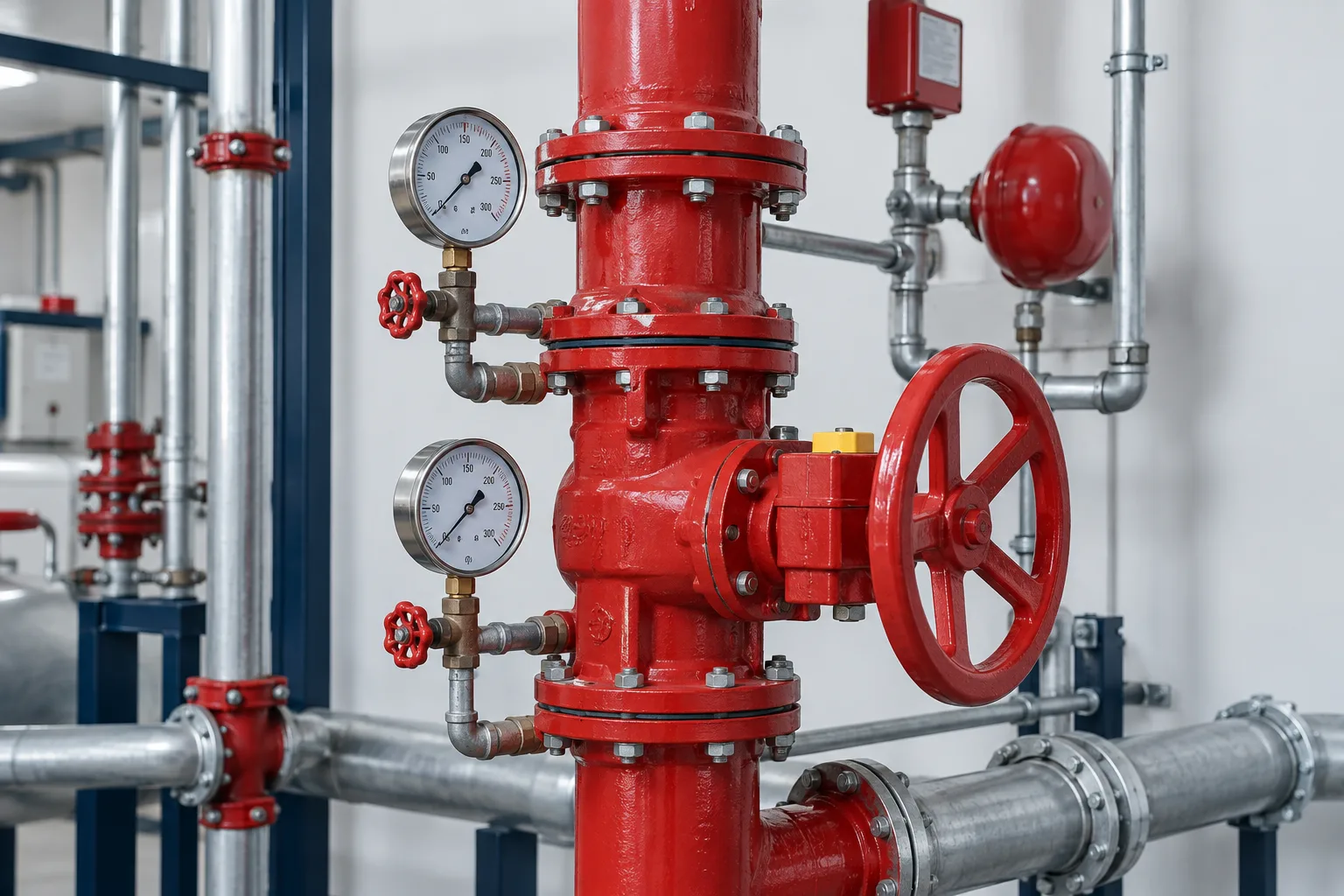
A practical guide to fire-system valves
Compare common valve functions, actuation, supervision and maintenance considerations.
Read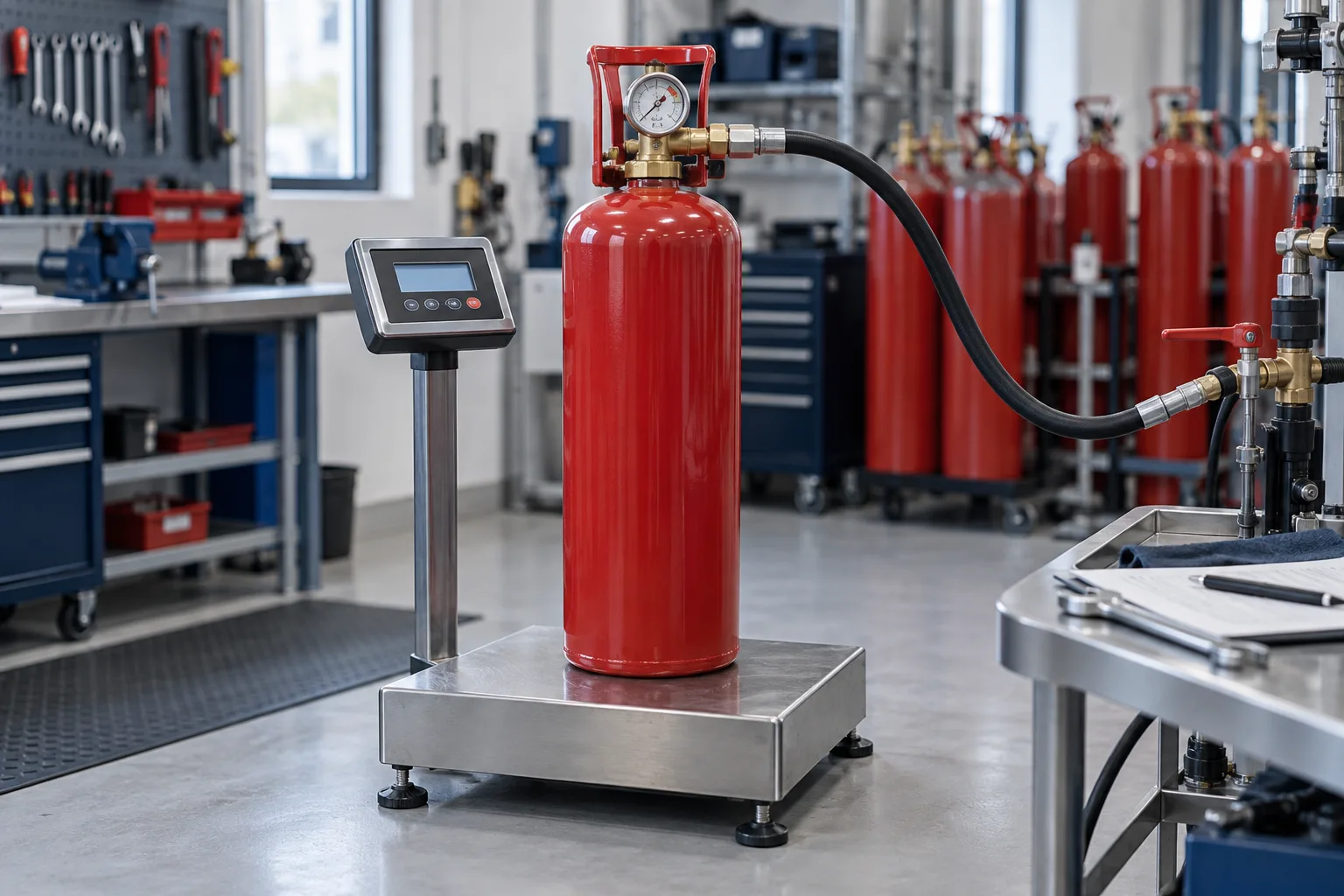
Planning a fire-suppression cylinder refill
Information to provide for CO₂, FM-200 and other supported clean-agent cylinders.
ReadCommon Questions
Frequently Asked Questions
Can kitchen appliances be moved after installation?
Only after the suppression design and nozzle coverage are reviewed and, where necessary, modified and recommissioned.
Does the system replace a Class K/F extinguisher?
Normally no. Portable extinguisher provision and staff training remain part of the kitchen fire safety arrangement.
Why must fuel shut down?
Stopping heat and fuel helps prevent re-ignition while the wet chemical cools and secures the cooking hazard.