

Control, suppress or extinguish through cooling and fine-droplet interaction
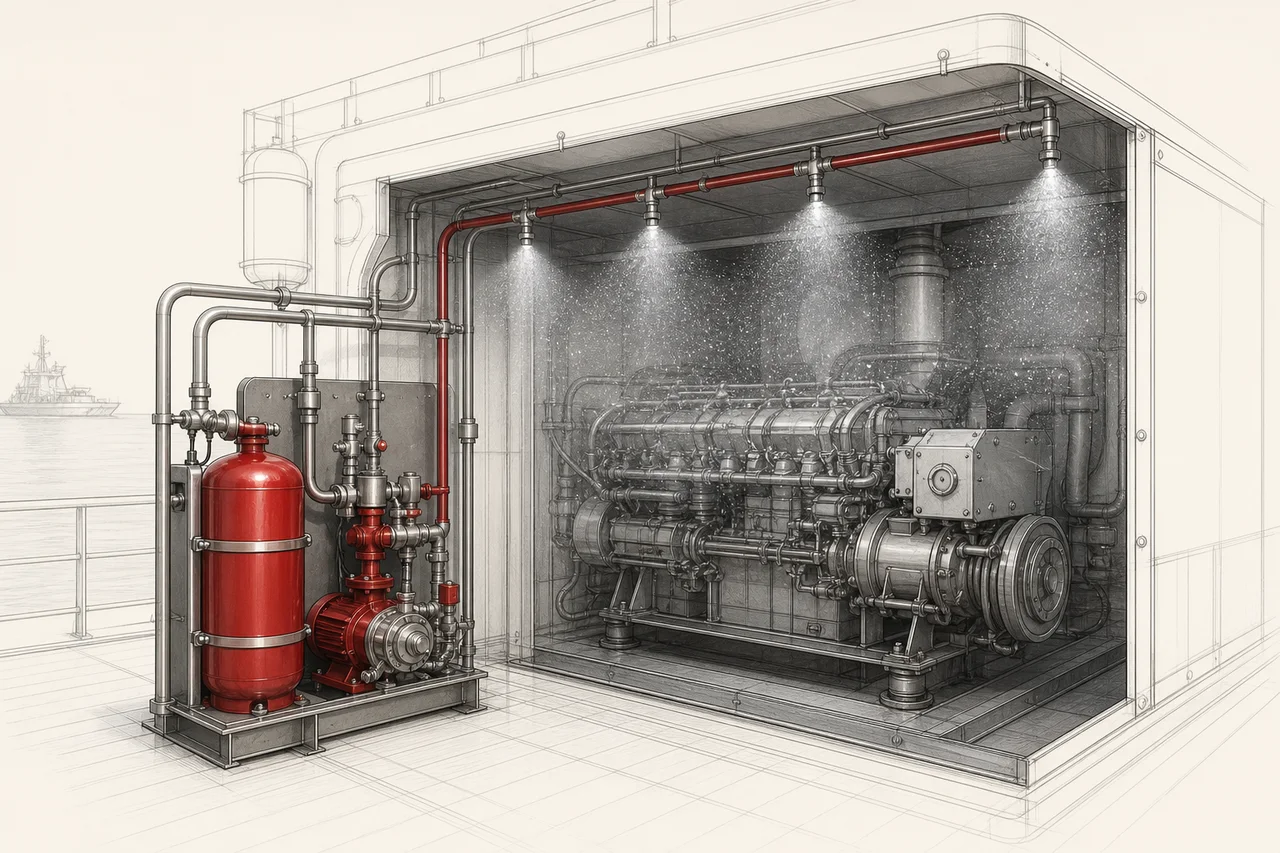
Fine-water suppression
Water mist systems
Water mist uses fine droplets to cool flames and gases, reduce radiant heat and displace oxygen locally as the droplets evaporate. You need a system tested for your application. Its layout follows that tested design, rather than conventional sprinkler spacing.
System snapshot
Key system characteristics
The same fields are used across every solution guide, making the systems easier to compare without reducing the decision to a single product.
Automatic nozzle or separate detection/release, depending on arrangement
Reduced water volume, but protected assets can still become wet
Moderate to high for some total-flooding and machinery applications
Pump/supply, pressure, valves, release and critical shutdowns
Nozzle blockage, filters, water quality, corrosion, pumps and changed obstructions
How the system works
Water mist uses fine droplets to cool flames and gases, reduce radiant heat and displace oxygen locally as the droplets evaporate. You need a system tested for your application. Its layout follows that tested design, rather than conventional sprinkler spacing.
Key selection considerations
- 01
Water use: Water mist can use less water than conventional sprinklers and reduce collateral wetting, but it still introduces water.
- 02
Test conditions: Obstructions, ventilation, enclosure leakage and nozzle position can materially change fire-test-derived performance.
- 03
Water quality: Water quality and small orifices create filtration, blockage and corrosion concerns.
- 04
Proven application: Suitability must be demonstrated for the actual hazard - machinery, turbine, marine cabin, cooking or other tested application.
System anatomy
System components and approvals
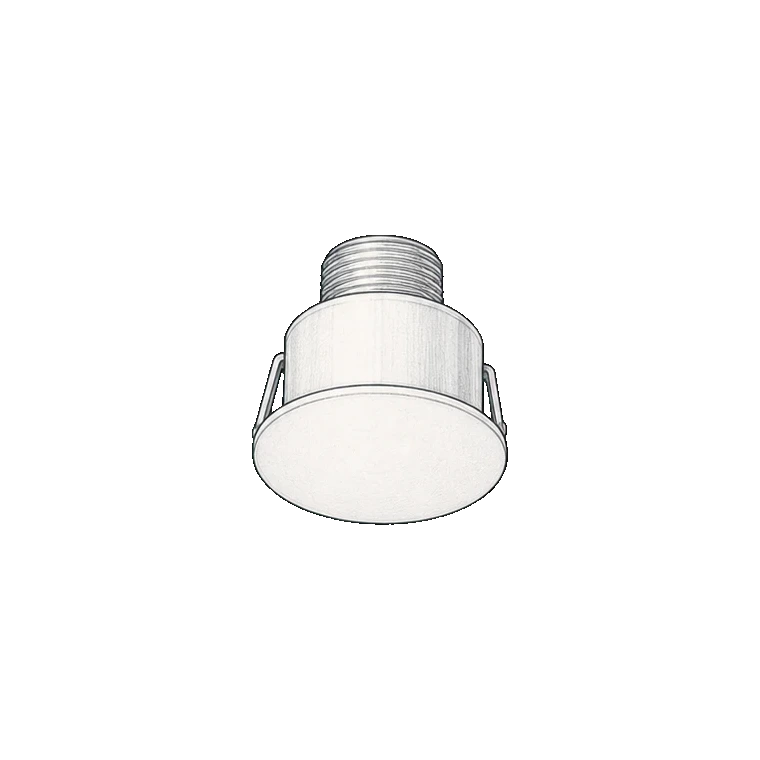
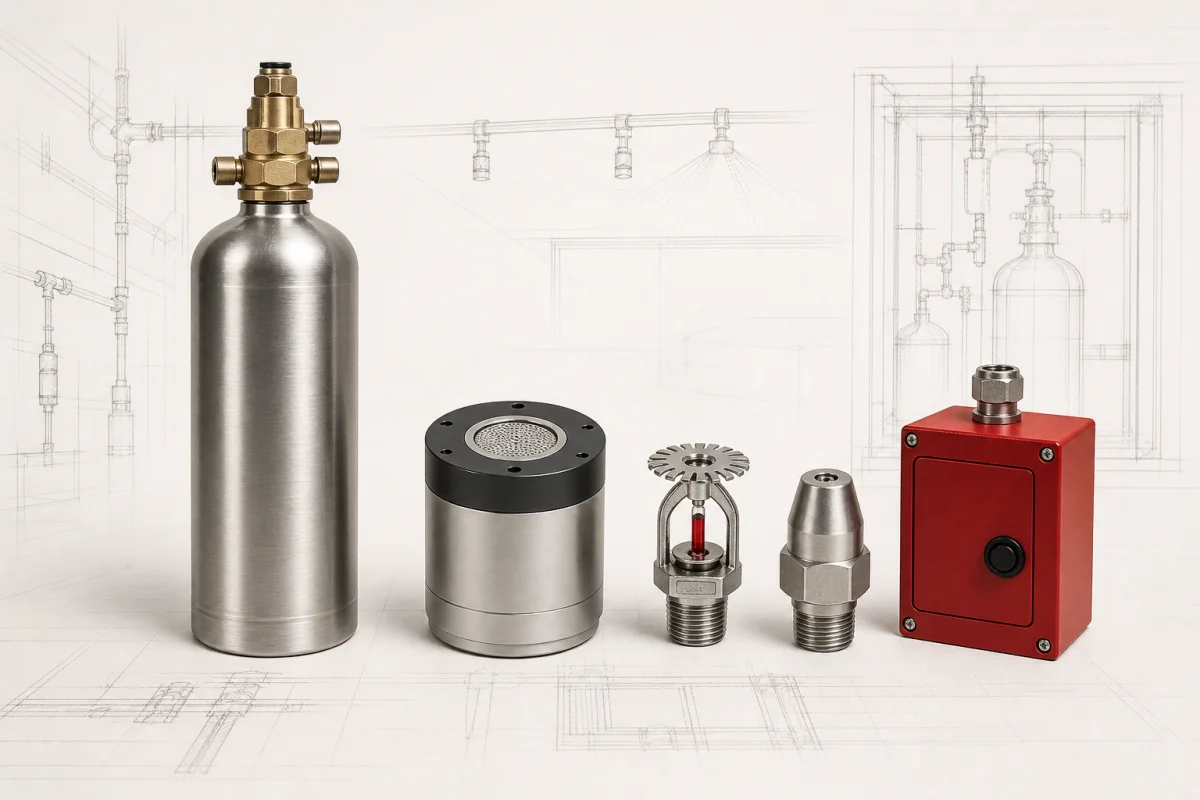
Water-mist nozzles
Use the exact listed nozzle, orientation, pressure and spacing for the application.
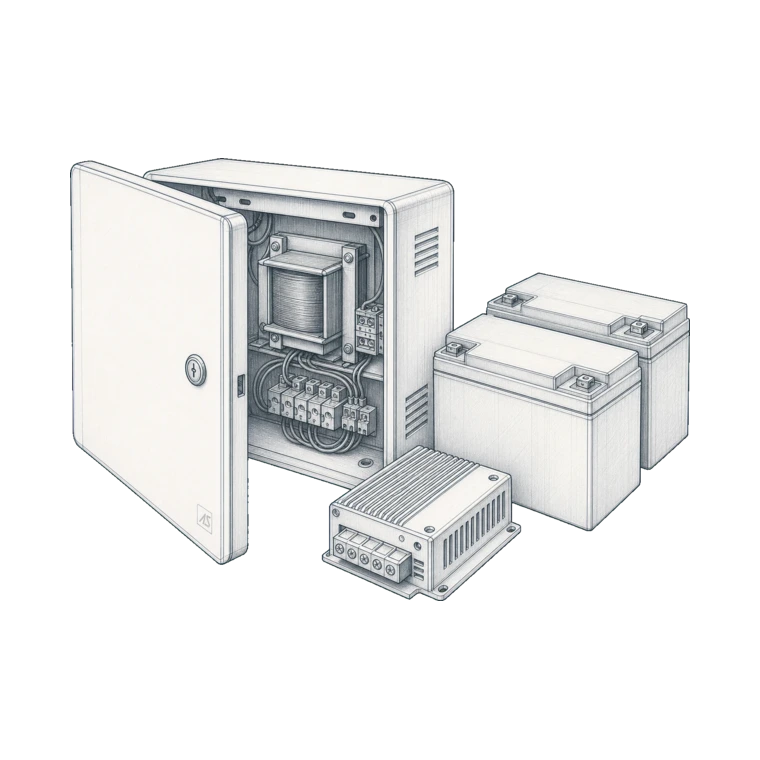
High- or low-pressure pumps / gas cylinders
The approved system supply and pressure arrangement is fundamental to droplet performance.
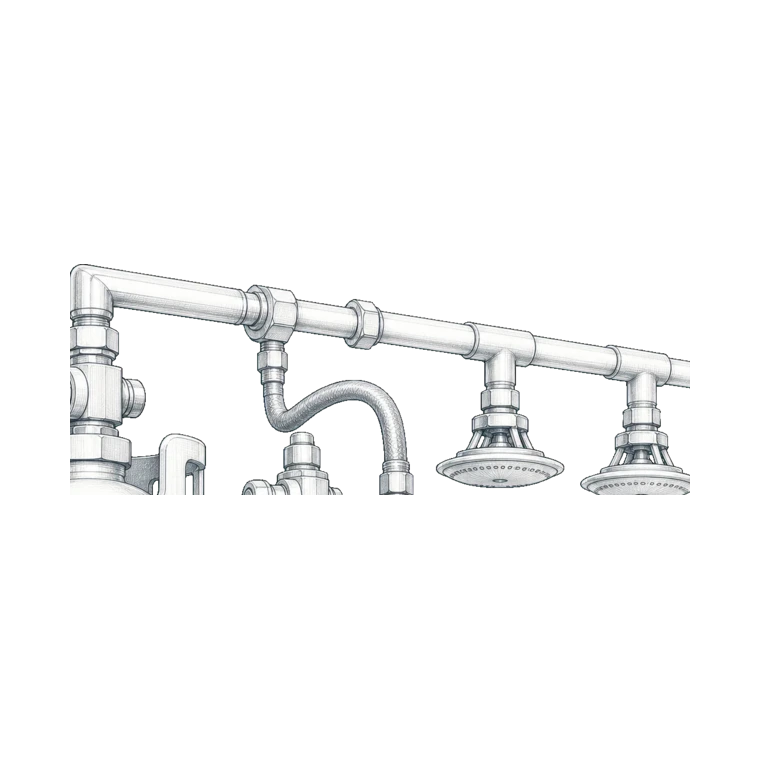
Piping, filters and water treatment
Material cleanliness, pressure rating and water quality follow the system listing.
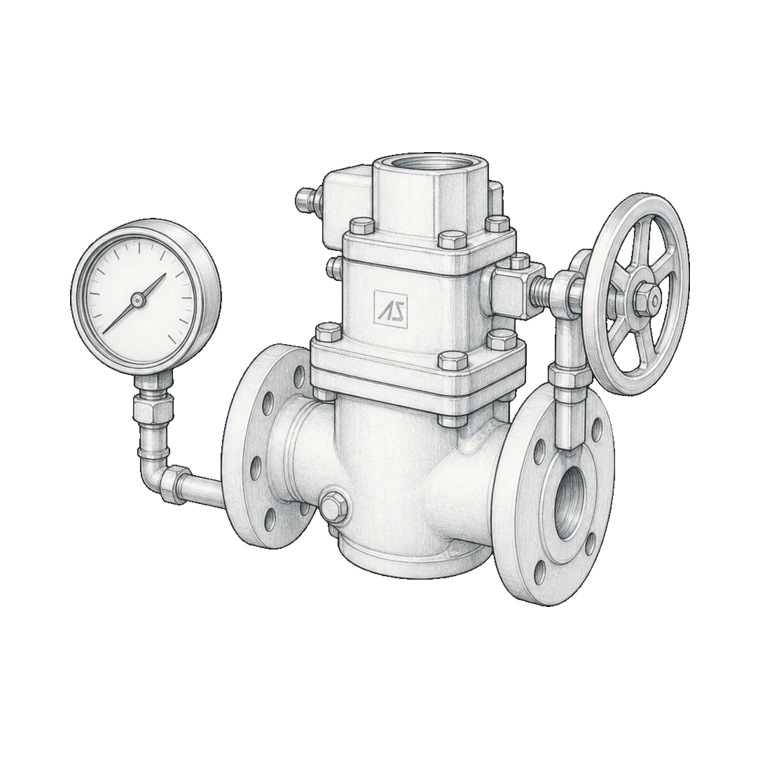
Section valves and actuators
Use approved compatible valves with supervision where required.
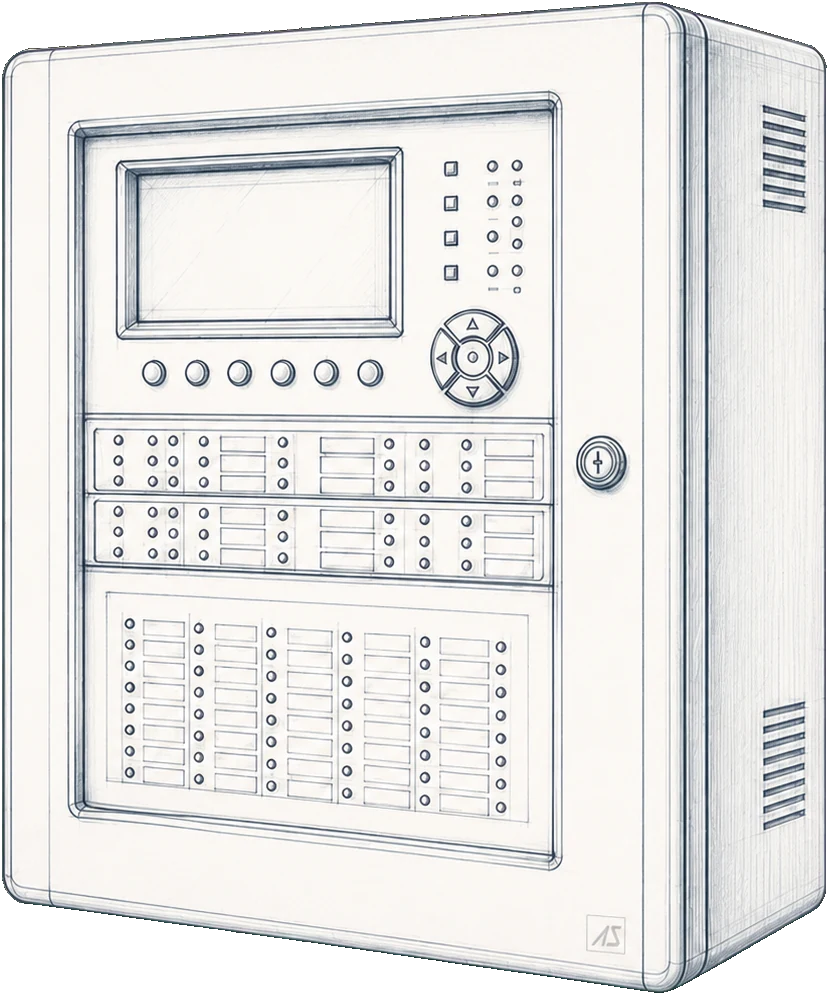
Detection and releasing control
Required for deluge/total-flooding arrangements and must execute shutdowns correctly.
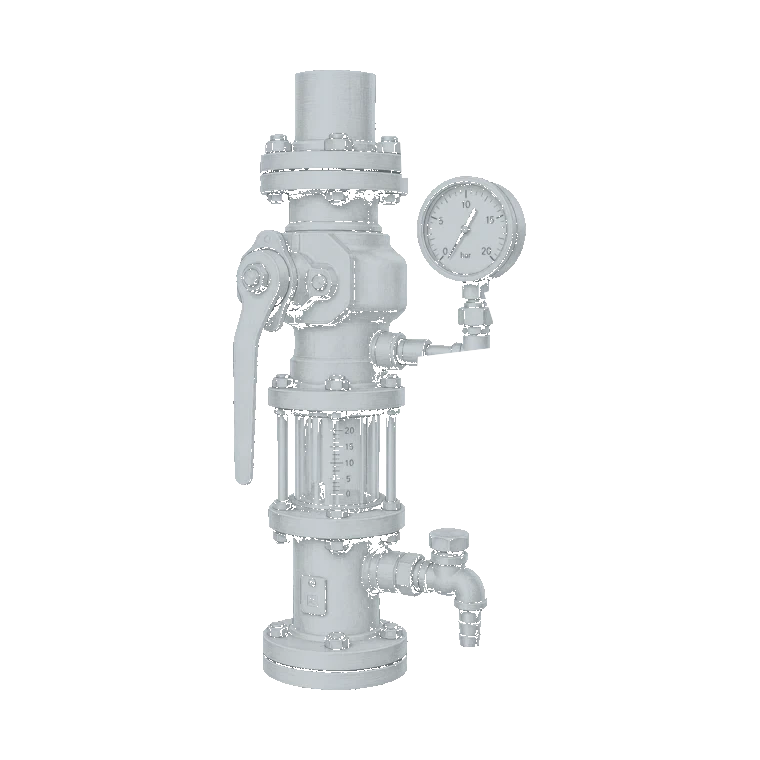
Test and drain equipment
Must allow functional and flow verification without unacceptable discharge.
Approval families
Typical approvals and certification requirements
- NFPA 750 or an adopted water-mist design standard
- System listing/approval based on representative fire tests for the exact application
- Marine IMO FSS Code, MED and class approval for relevant vessel systems
- Approved pumps, cylinders, nozzles, valves and releasing controls as part of the tested system
Governing rules
Codes, standards and project rules
- 01
NFPA 750 requires systems to follow their listed design manual and fire-test basis.
- 02
Marine systems may additionally follow FSS Code Chapter 7 and class/flag requirements.
- 03
Substitution of nozzle, pump, filter, pressure or spacing outside the tested system boundary requires engineering and approval.
Design information
Information needed to design and quote the system
Complete inputs reduce assumptions, expose interface risks early and make competing proposals meaningfully comparable.
- 01
Exact listed application and representative fire-test protocol
- 02
Nozzle layout and obstructions, hazard geometry, fuel, ventilation and enclosure condition
- 03
Nozzle model, pressure, flow, spacing, orientation and zoning
- 04
Water quality, storage, pump/cylinder supply and power
- 05
Detection, release, shutdown, drainage and pressure effects
- 06
Maintenance flushing, test connections and freeze/corrosion protection
Inspection, testing and maintenance
Inspection, testing and maintenance requirements
Frequency and method must follow the adopted standard, authority conditions and manufacturer instructions. These recurring activities belong in the maintenance plan.
- 01
Inspect nozzles, caps, filters, pipe condition, valves, pumps/cylinders and water quality.
- 02
Test detection, pilot lines, release, shutdowns and operating time using the system's approved test procedure.
- 03
Carry out flow, pressure, flushing and functional tests at the required intervals while controlling water damage.
- 04
Reassess obstructions, ventilation and protected equipment changes against the listed design.
Mapped manufacturers
See all brands
Brands that support this solution
Tyco
Minerva marine detection and SIL2 configuration planning
Viking
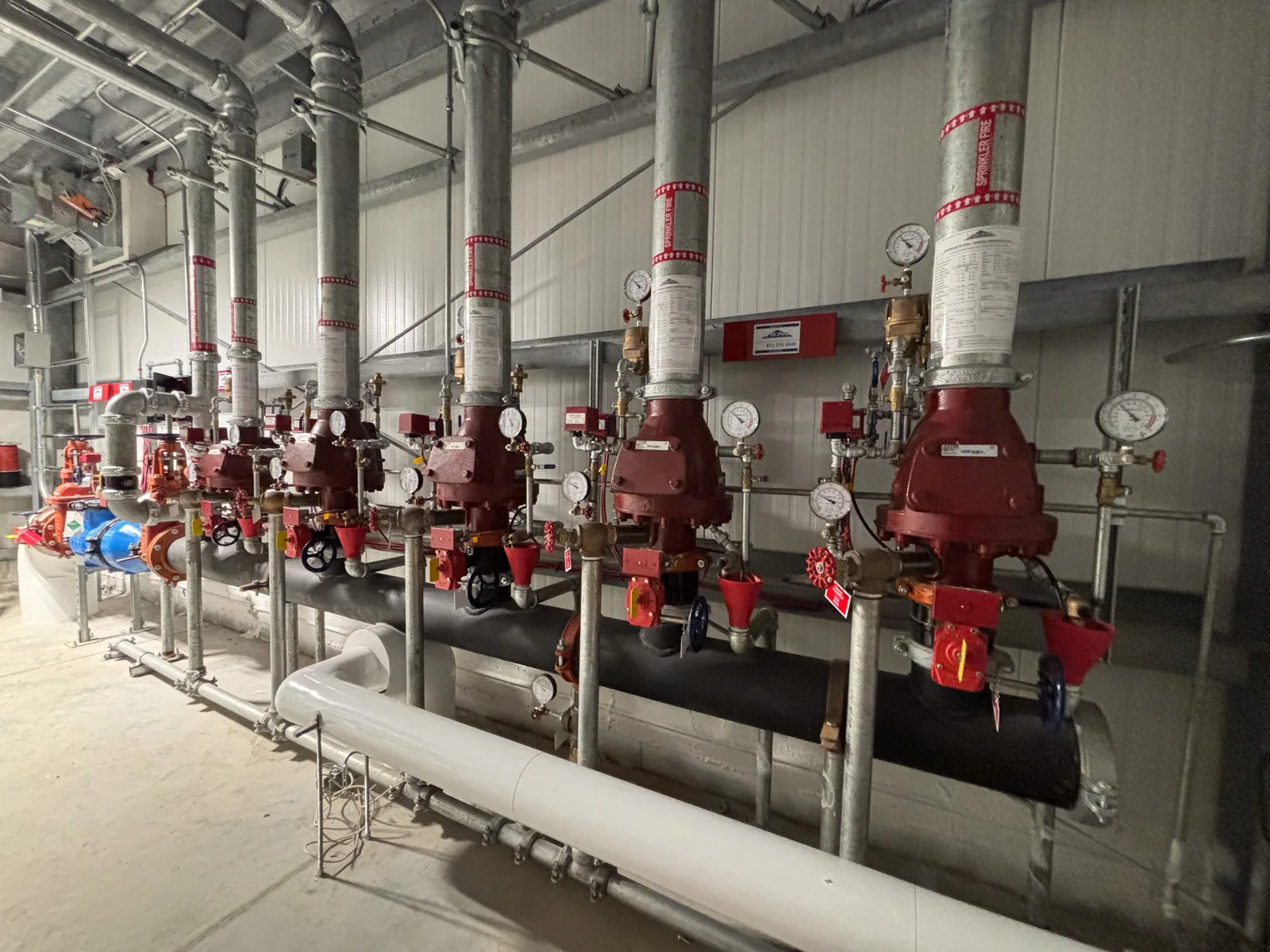
Viking for suppression and firefighting.
Range, approval, territory and project suitability remain model-specific and are confirmed for each enquiry.
Delivery and lifecycle services
Services needed across the system lifecycle
Appointments, licences and authority requirements vary by country. We confirm what the service must include before work starts.
Solution designFire safety drawings, calculations, equipment schedules and approval documents for coordinated projects.
Land installationInstallation, integration, testing and handover of building and industrial fire safety systems.
Marine installationMarine fire-system installation and replacement with flag, class and vessel requirements addressed.
Testing and commissioningDevice, circuit, interface and cause-and-effect testing with traceable commissioning records.
Statutory system testing and maintenanceScheduled inspection, testing, maintenance and defect reporting for installed fire safety systems.
System certification supportProduct, design, installation and test evidence prepared for authority, class or certification review.
TrainingPractical, system-specific training for operators, facilities teams, technicians and emergency responders.
Research basis
Standards and official references
These sources establish the system context. Verify the edition adopted by the project and the current certificate for the exact model.
Related knowledge
Knowledge base
Related technical guides
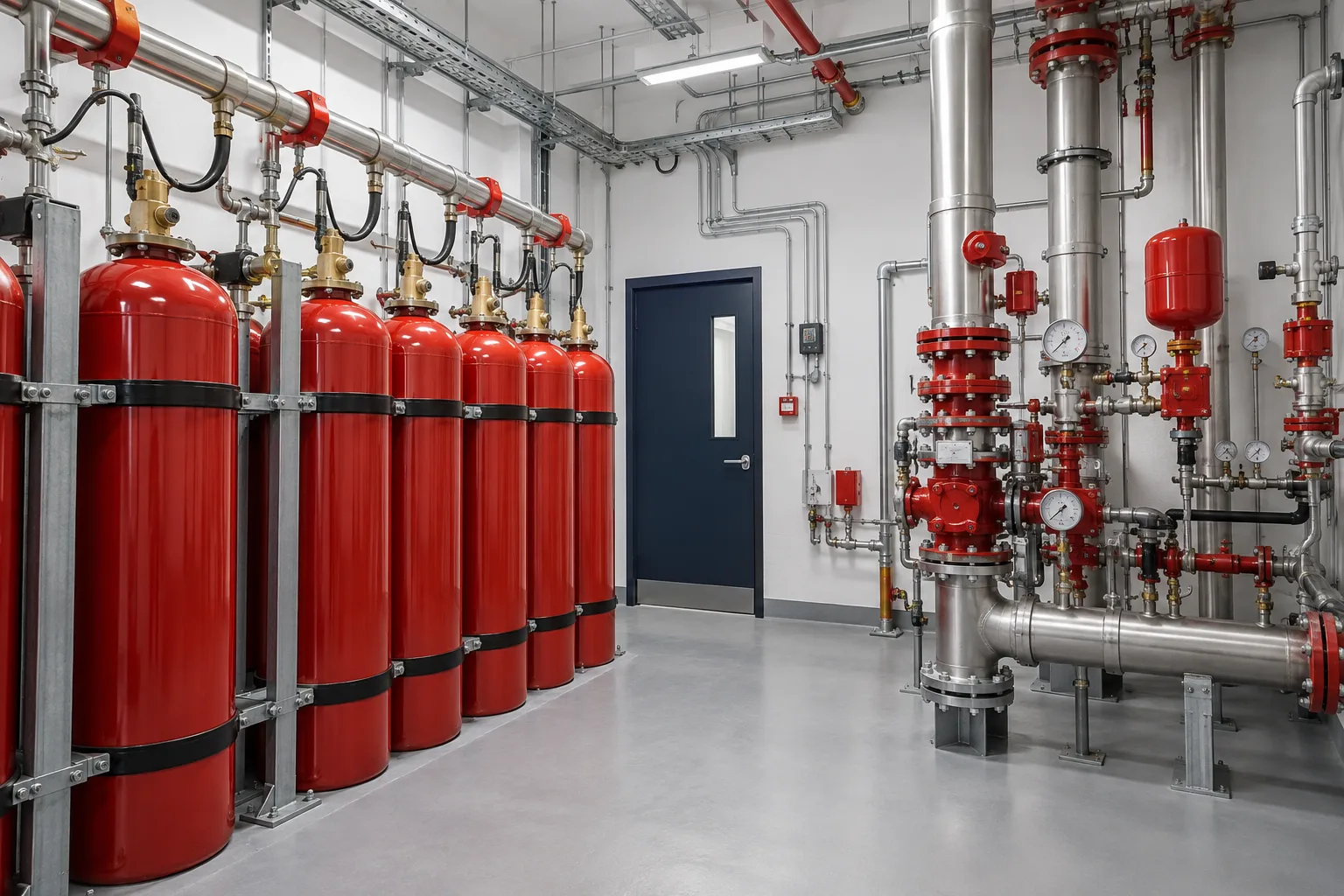
Choosing the right fire suppression system
Compare gas, aerosol, foam and water technologies.
Read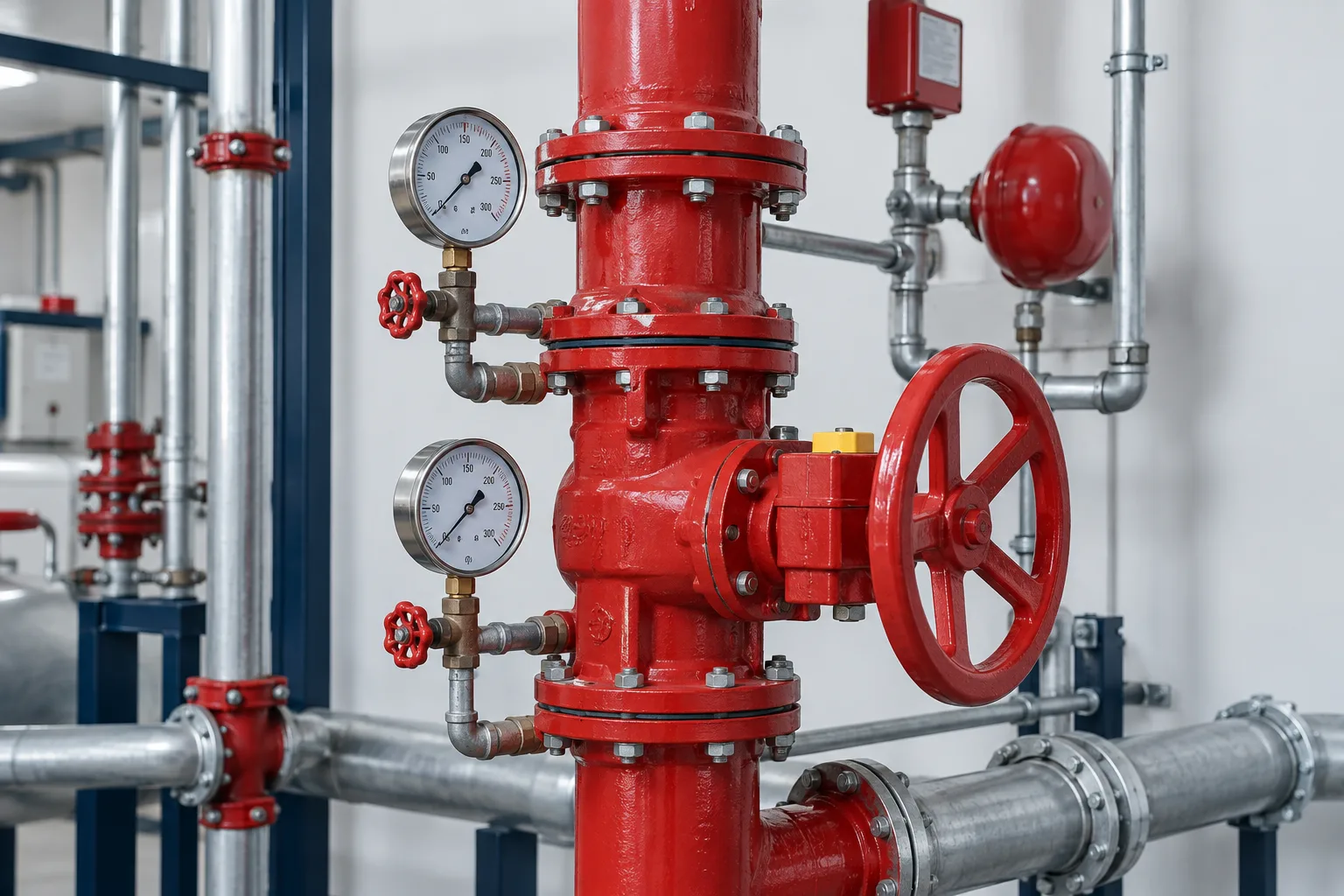
A practical guide to fire-system valves
Compare common valve functions, actuation, supervision and maintenance considerations.
Read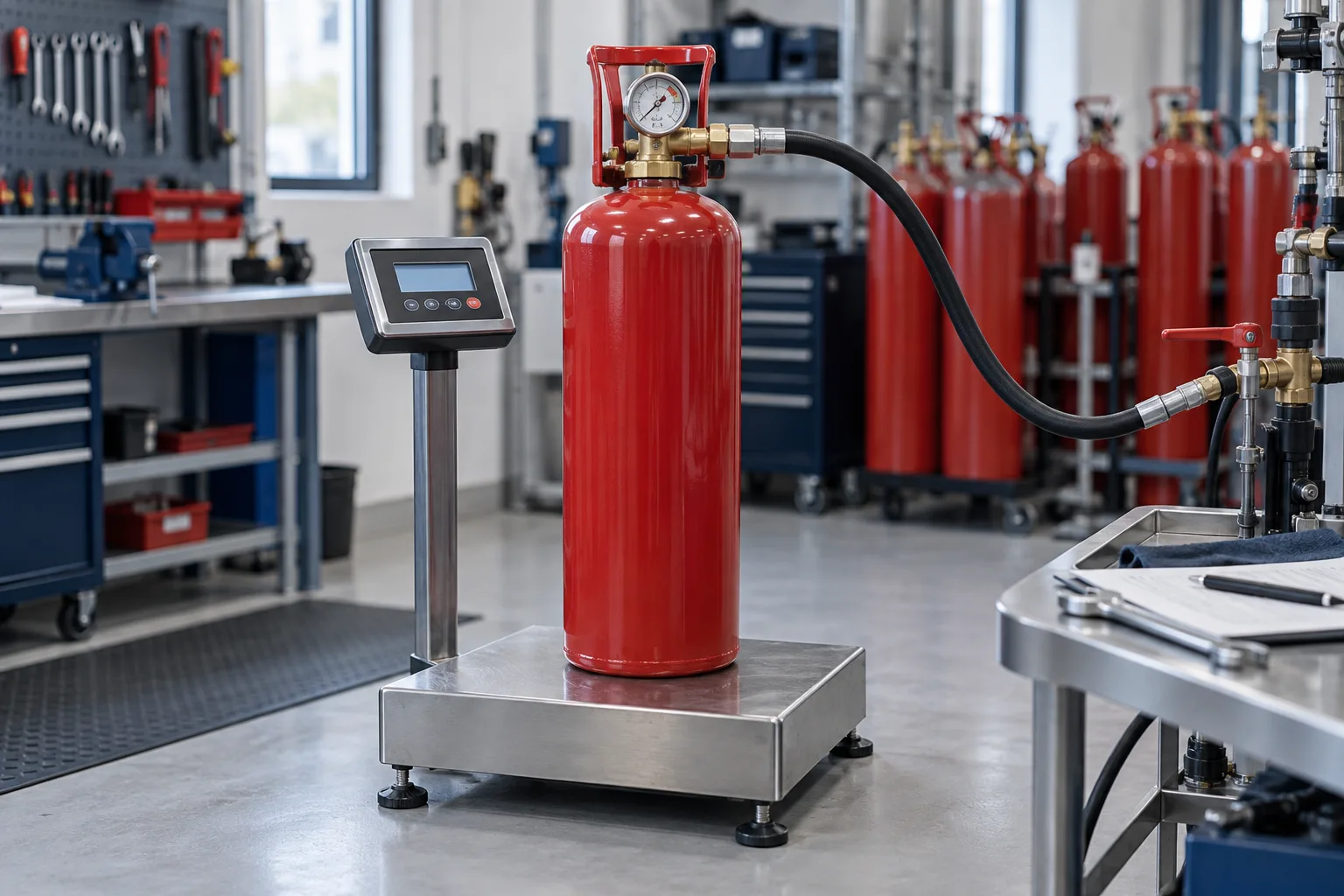
Planning a fire-suppression cylinder refill
Information to provide for CO₂, FM-200 and other supported clean-agent cylinders.
ReadCommon Questions
Frequently Asked Questions
Will water mist keep equipment completely dry?
No. It can greatly reduce water quantity for suitable applications, but water droplets and condensation still reach the protected area.
Can any water-mist nozzle be substituted?
No. Nozzle, pressure, spacing, supply and application are tied to the tested/listed system.
Why is water quality important?
Small nozzle passages and high-pressure components are sensitive to sediment, scale and corrosion products that can change discharge performance.