

Detect vaping or selected environmental events and route intervention alerts
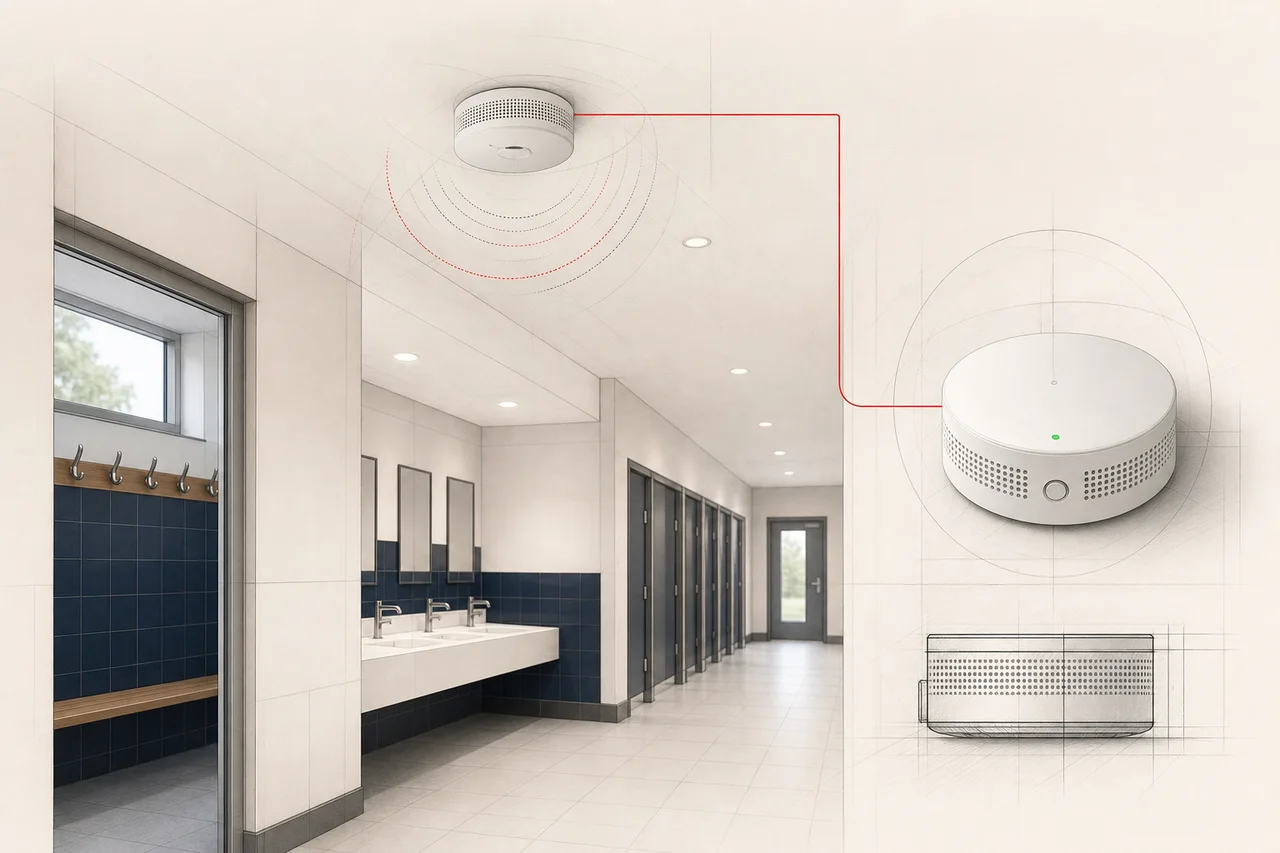
Schools and shared spaces
Vape & Environmental Detection System
You can use vape and environmental sensors to alert your staff to possible vaping and selected changes in indoor conditions. They help your team investigate and respond. They don’t replace required smoke detectors or fire alarms unless the exact product has separate approval for that purpose.
System snapshot
Key system characteristics
The same fields are used across every solution guide, making the systems easier to compare without reducing the decision to a single product.
Continuous pattern sensing
None
High sensitivity to room size, airflow and mounting
Device, tamper, network and cloud health vary by platform
Subscription, firmware, sensor drift, network change and policy ownership
How the system works
You can use vape and environmental sensors to alert your staff to possible vaping and selected changes in indoor conditions. They help your team investigate and respond. They don’t replace required smoke detectors or fire alarms unless the exact product has separate approval for that purpose.
Key selection considerations
- 01
Detection conditions: Detection confidence depends on room volume, airflow, mounting, aerosol background and the product's classification method.
- 02
Privacy: Privacy-sensitive locations require a clear explanation of what is and is not sensed, stored or transmitted.
- 03
Response workflow: The useful outcome is a proportionate, documented response workflow - not simply a high volume of notifications.
- 04
False alerts: Recurring false alerts should trigger placement and threshold review, not routine dismissal.
System anatomy
System components and approvals
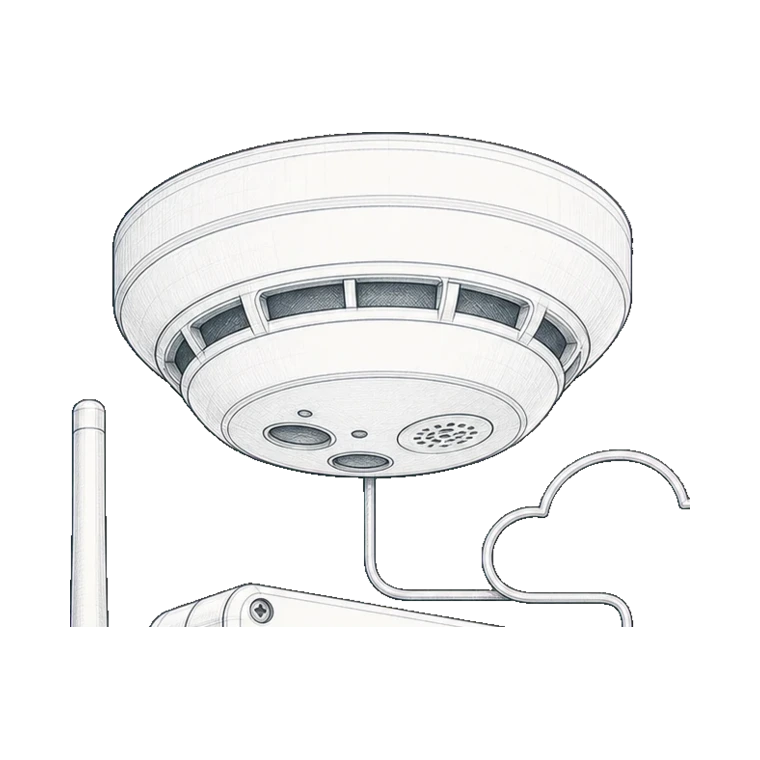
Multi-sensor device
Verify sensing claims, market electrical/radio approvals and environmental limits.
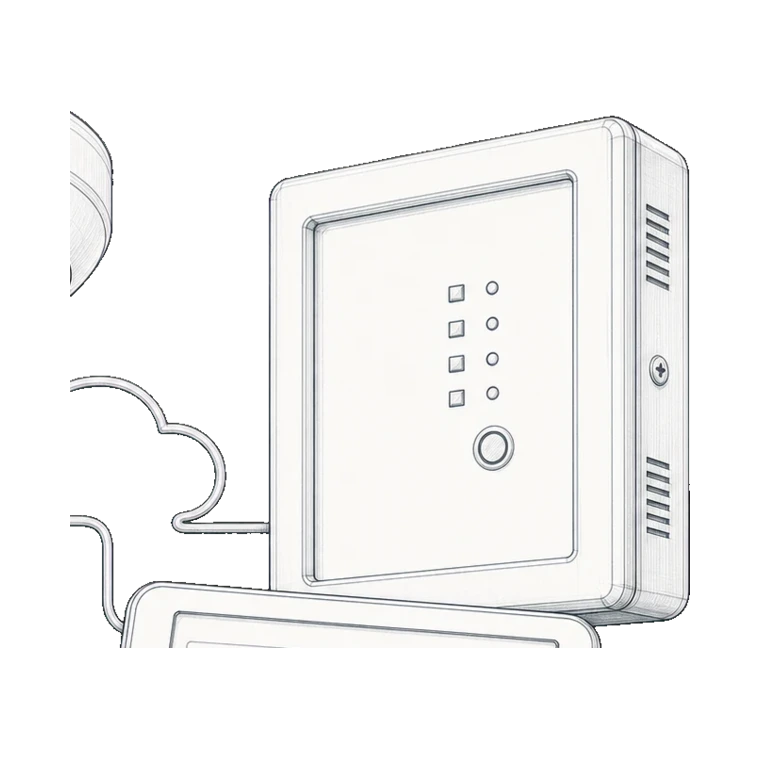
Local gateway or network connection
Confirm supported topology, outage behavior and security controls.
Cloud or on-premise management platform
Review data location, roles, retention, updates and service dependency.
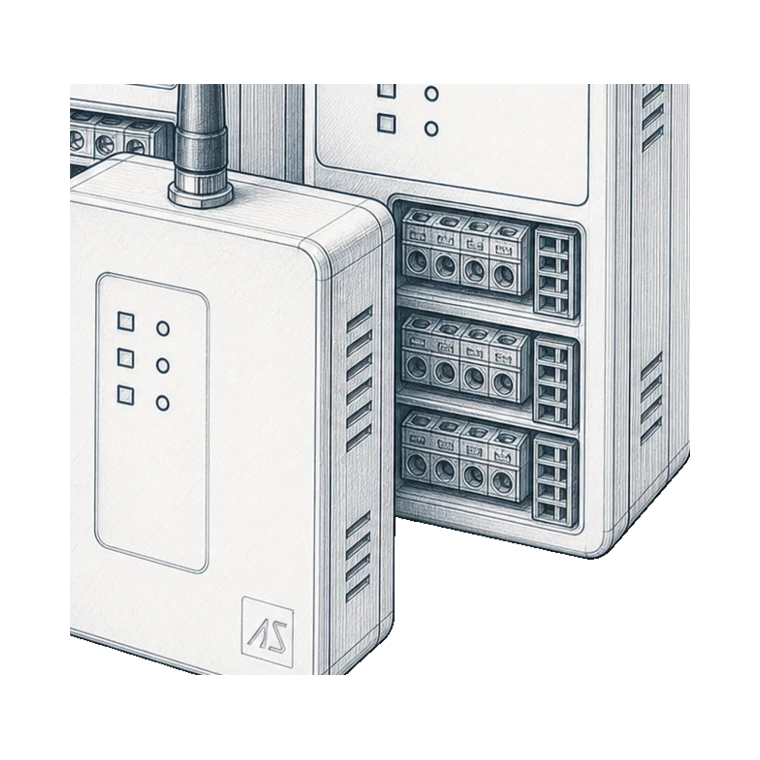
Notification workflow
Define recipients, acknowledgement, escalation and evidence handling.
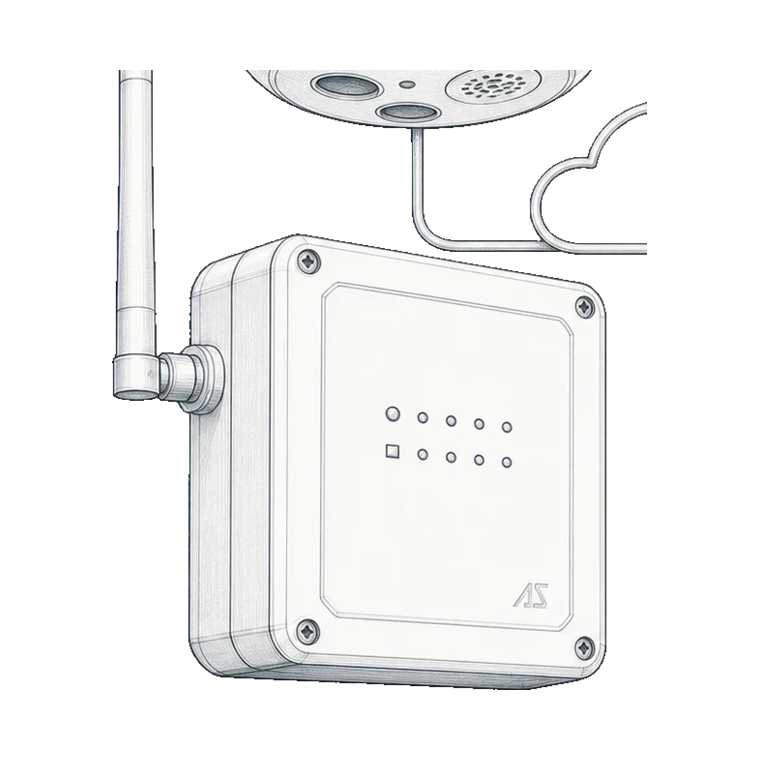
Tamper and privacy controls
Confirm camera/microphone status, tamper indication and policy alignment.
Approval families
Typical approvals and certification requirements
- Electrical safety, EMC, radio and network approvals for the market
- Privacy, cybersecurity and data-protection requirements for the deployment
- School or institutional procurement and safeguarding policies
- No fire-alarm approval should be assumed unless the exact model carries it
Governing rules
Codes, standards and project rules
- 01
Local privacy, child safeguarding, employment and data-protection rules govern deployment and incident handling.
- 02
The network must follow institutional cybersecurity, access-control and retention policies.
- 03
Marketing descriptions such as smoke detection or air-quality monitoring do not create a code-compliant fire-alarm listing.
Design information
Information needed to design and quote the system
Complete inputs reduce assumptions, expose interface risks early and make competing proposals meaningfully comparable.
- 01
Locations, room dimensions, airflow, occupancy and expected event patterns
- 02
Privacy impact assessment and safeguarding/disciplinary procedure
- 03
Network, PoE/power, firewall, cloud and identity requirements
- 04
Alert recipients, hours, acknowledgement and escalation
- 05
Retention, evidence access, audit log and incident reporting
- 06
Tamper risk, mounting access, threshold review and support model
Inspection, testing and maintenance
Inspection, testing and maintenance requirements
Frequency and method must follow the adopted standard, authority conditions and manufacturer instructions. These recurring activities belong in the maintenance plan.
- 01
Monitor device, tamper, network and platform health and investigate prolonged offline states.
- 02
Run controlled functional checks permitted by the manufacturer and local policy; do not expose people unnecessarily.
- 03
Review false positives, missed events, thresholds and placement with the designated safeguarding owner.
- 04
Maintain firmware, credentials, integrations, subscriptions and records under change control.
Mapped manufacturers
See all brands
Brands that support this solution
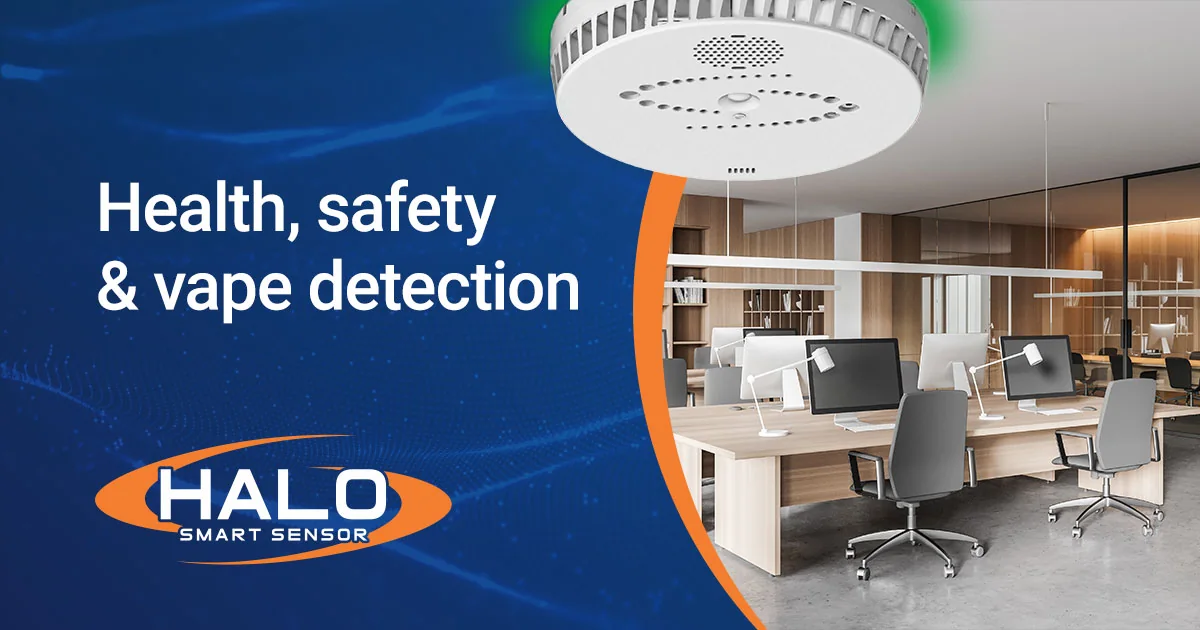
HALO Smart Sensor by Motorola Solutions
Camera-free vape, safety and environmental monitoring from IPVideo, a Motorola Solutions company.
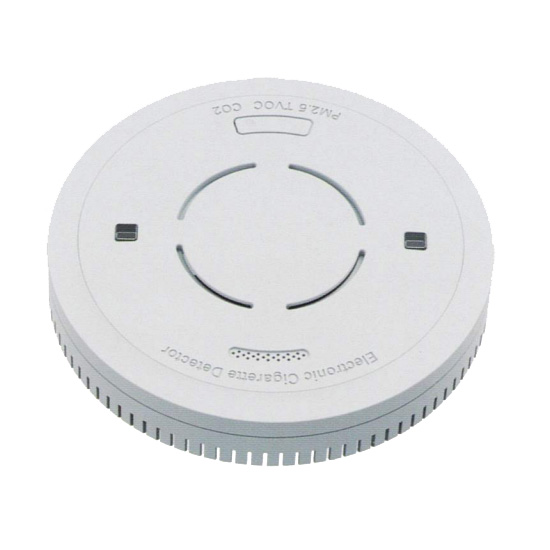
Hercules
Ceiling-mounted vape and air-quality detection.
Triton Sensors
School-focused vape detection, ambient safety sensing and connected alert workflows.
Range, approval, territory and project suitability remain model-specific and are confirmed for each enquiry.
Delivery and lifecycle services
Services needed across the system lifecycle
Appointments, licences and authority requirements vary by country. We confirm what the service must include before work starts.
Solution designFire safety drawings, calculations, equipment schedules and approval documents for coordinated projects.
Land installationInstallation, integration, testing and handover of building and industrial fire safety systems.
Testing and commissioningDevice, circuit, interface and cause-and-effect testing with traceable commissioning records.
Statutory system testing and maintenanceScheduled inspection, testing, maintenance and defect reporting for installed fire safety systems.
TrainingPractical, system-specific training for operators, facilities teams, technicians and emergency responders.
Research basis
Standards and official references
These sources establish the system context. Verify the edition adopted by the project and the current certificate for the exact model.
Related knowledge
Knowledge base
Related technical guides
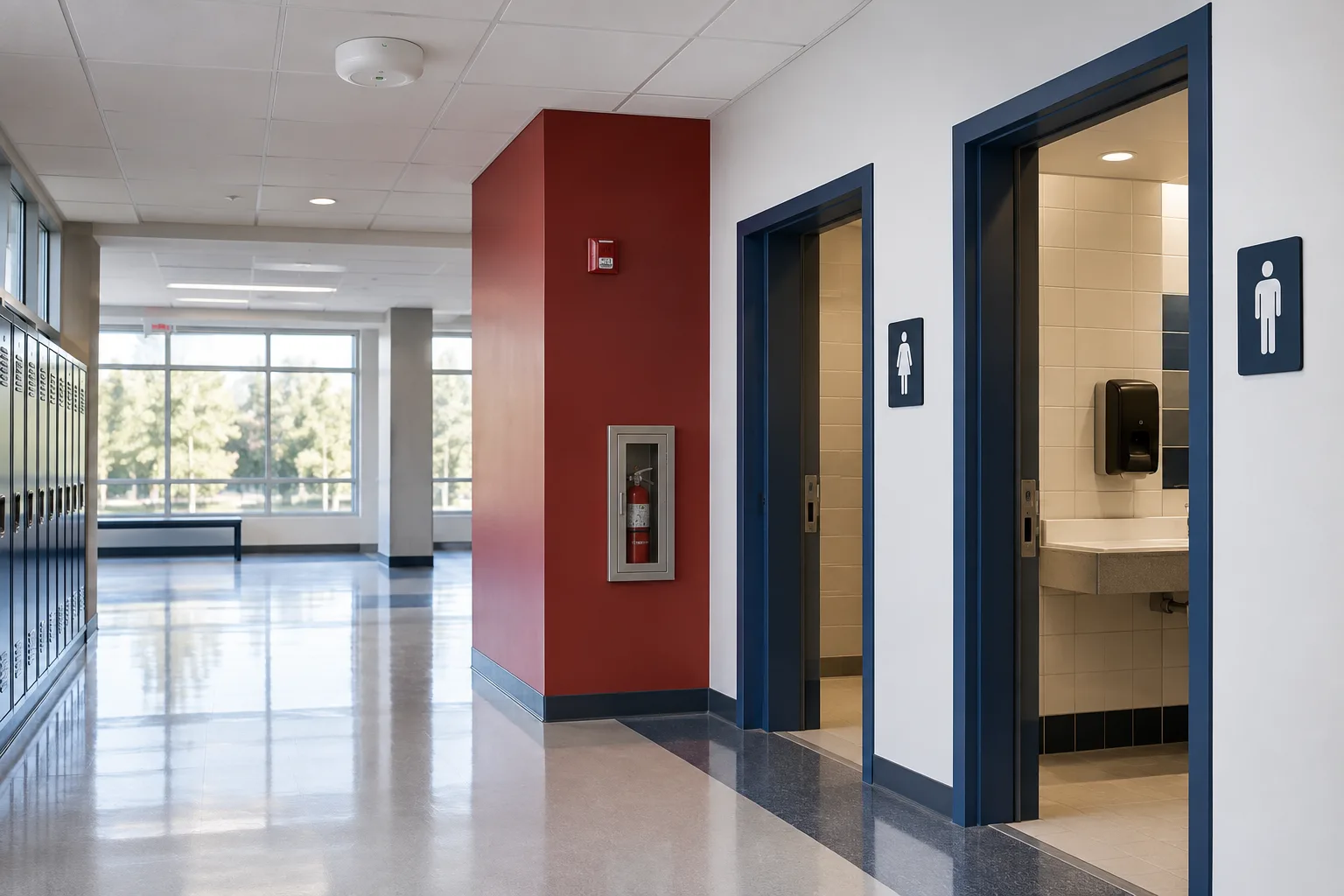
Selecting vape detection for schools
Privacy, notification, environmental sensing, network and response-workflow considerations.
Read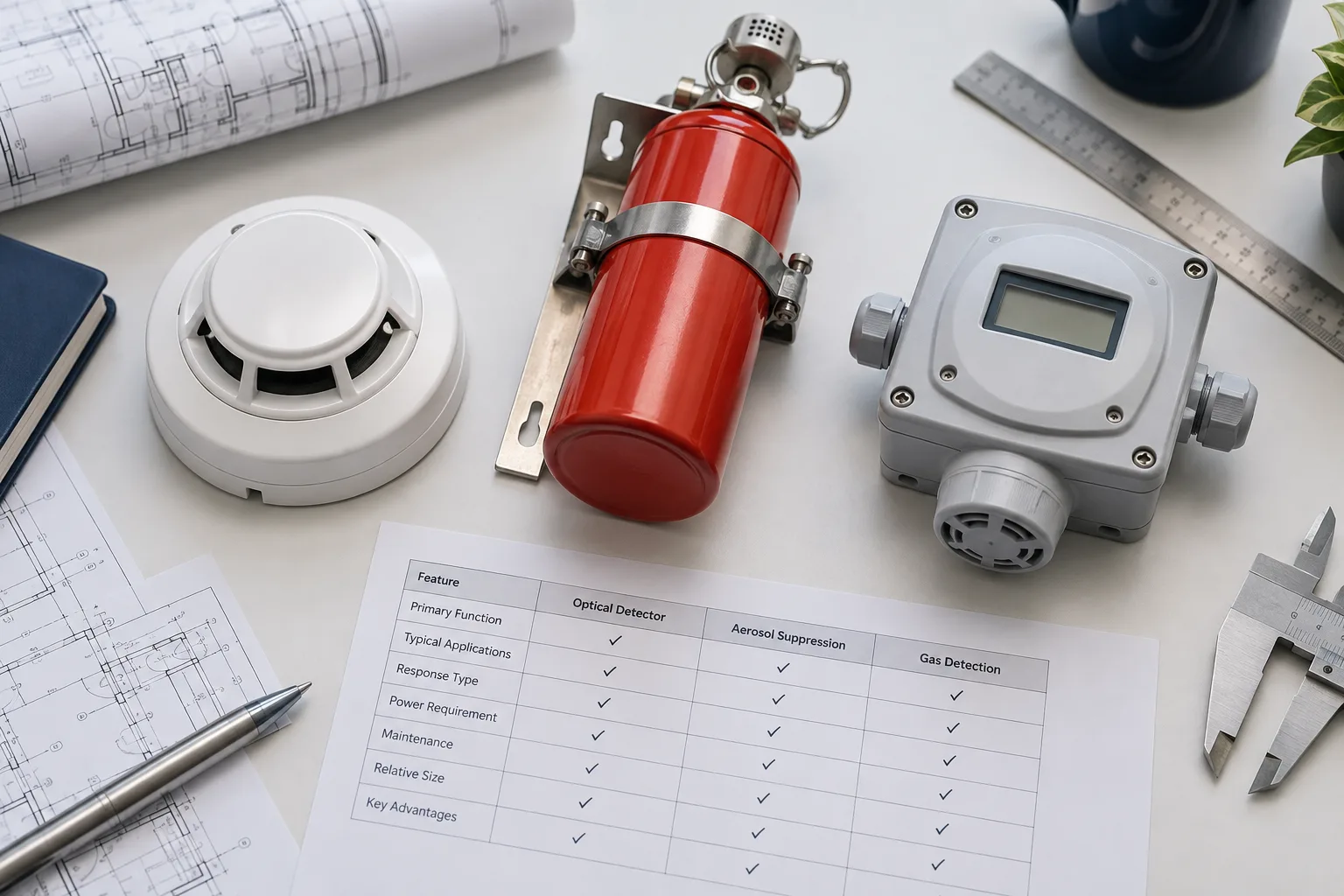
How we compare fire safety solutions
Compare fire safety systems for your building, from product approvals and installation to maintenance and cost.
Read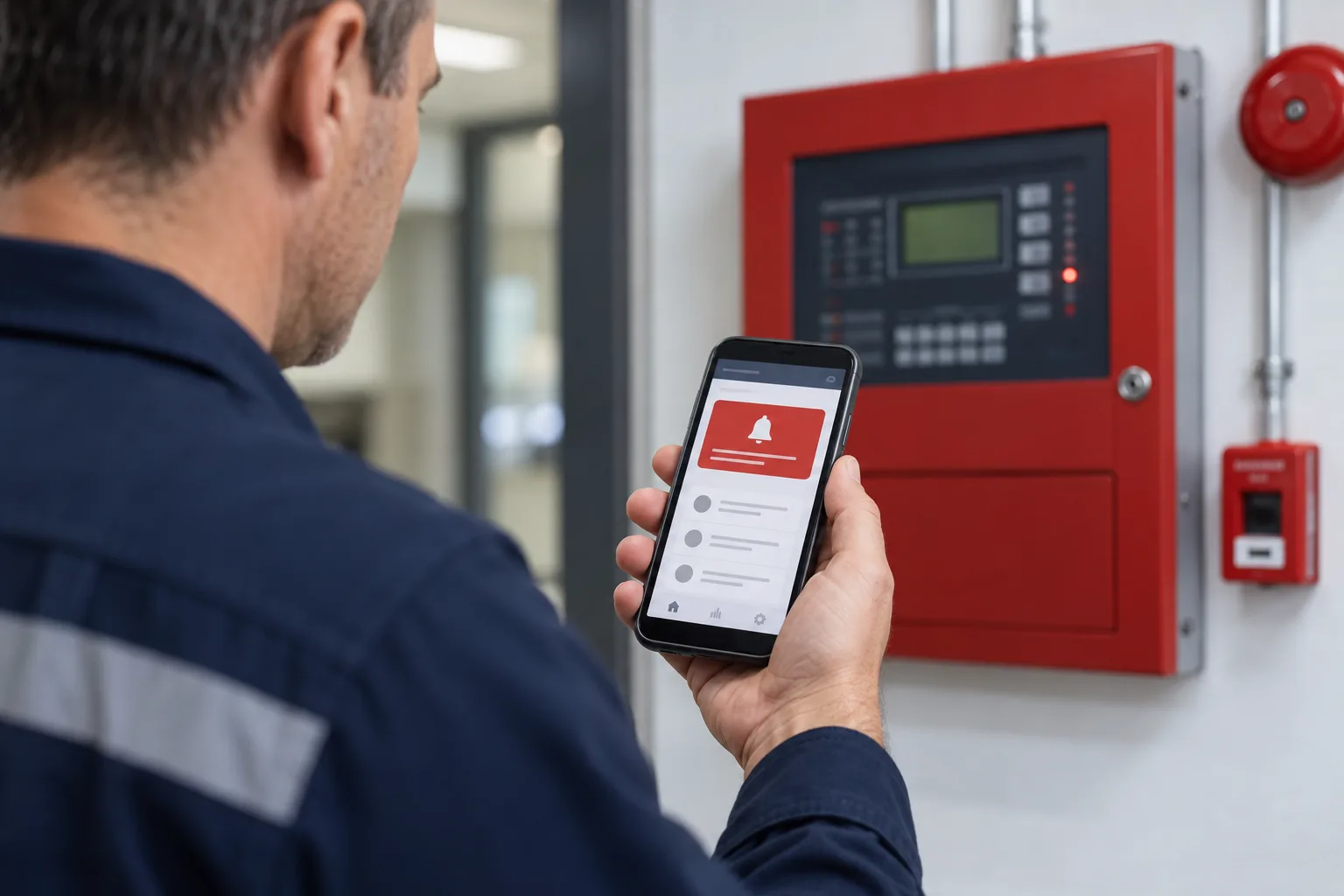
Remote fire-alarm monitoring and visitor notification
How mobile alerts, facilities workflows and visitor notification can complement core systems.
ReadCommon Questions
Frequently Asked Questions
Is a vape sensor a smoke detector?
Not automatically. Treat it as an environmental/safeguarding sensor unless the exact model has the required fire-detector approval and is accepted as part of the fire system.
Does the sensor use a camera or record conversations?
Capabilities vary. Review the exact product's sensing, processing and storage architecture and document the privacy boundary before deployment.
How should staff respond to an alert?
Define a proportionate, privacy-aware workflow covering who attends, what is recorded, escalation and how repeated false alerts are reviewed.